

مغذيات دقيقة تعمل بتقنية فقدان الوزن ذات التدفق الميكروي: مستقبل جرعات المساحيق المختبرية
Release time: 2026-03-26
جدول المحتويات
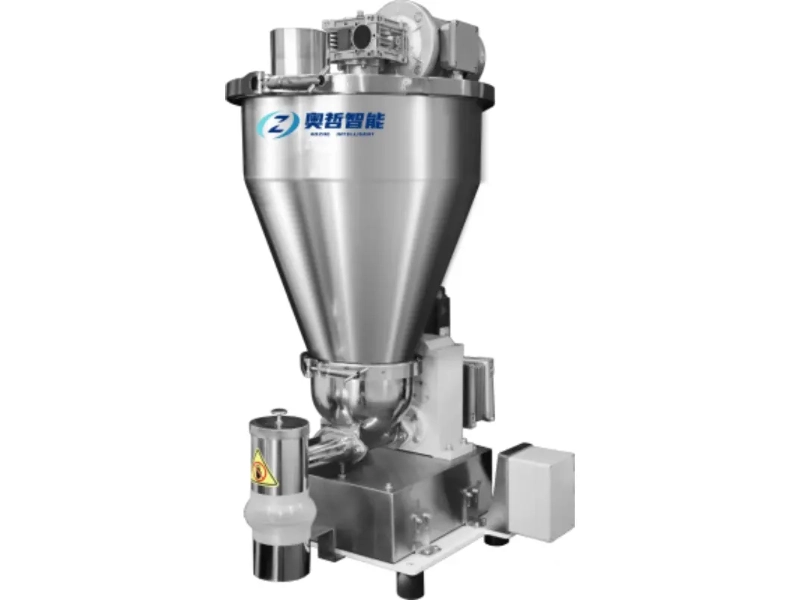
In the rigorous world of laboratory research and pilot-scale production, precision is not just a requirement—it is the foundation of innovation. When dealing with high-value additives, specialized chemicals, or sensitive pharmaceutical ingredients, even a fraction of a gram can alter the outcome of an entire experiment. This is where the Micro-Flow Loss-in-Weight (LIW) Feeder becomes an indispensable tool.
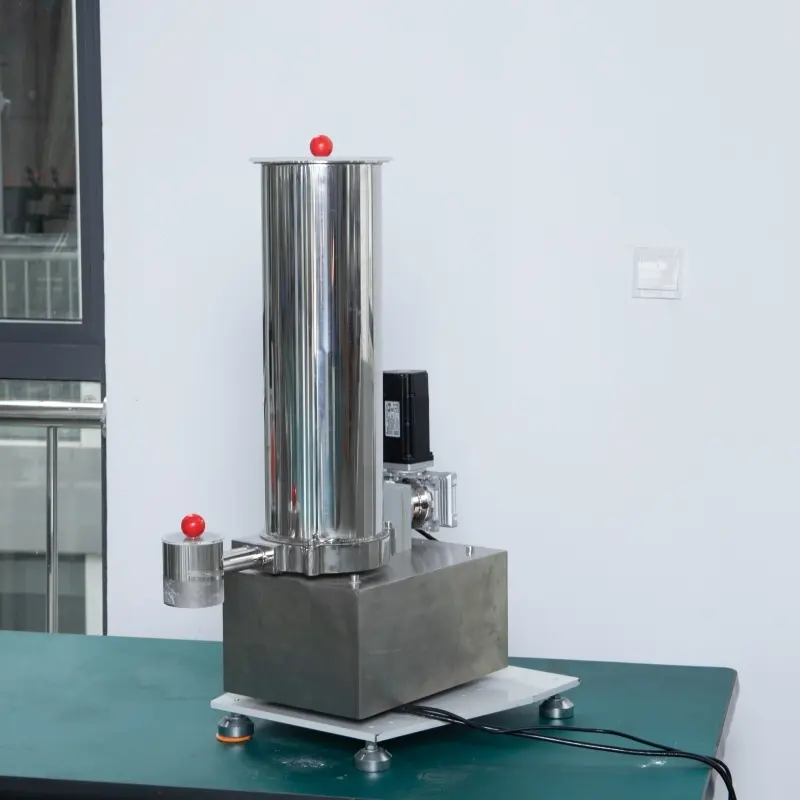
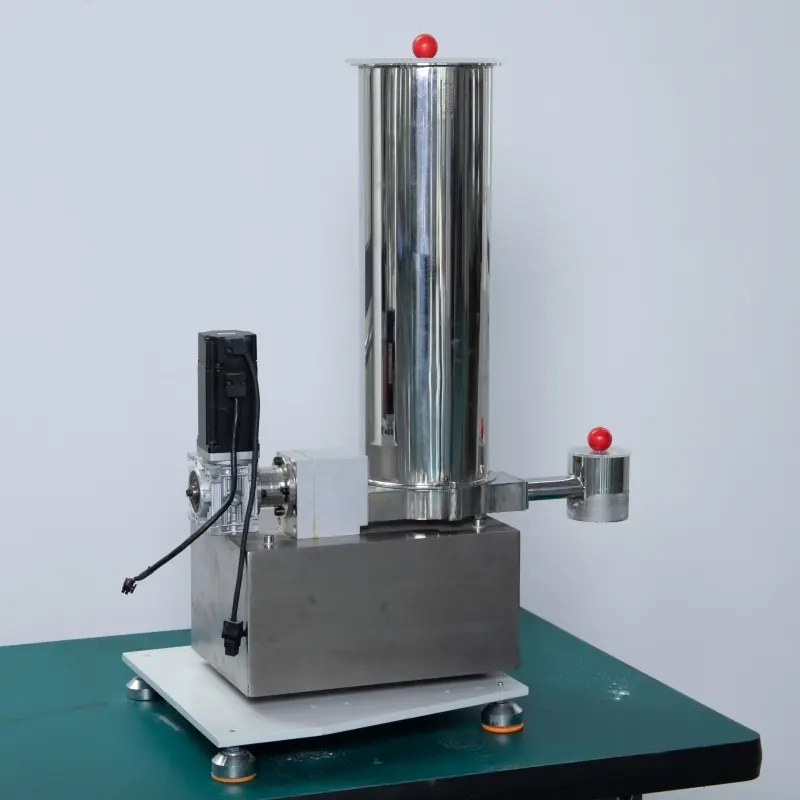
Specifically engineered for laboratory environments, these feeders provide unparalleled accuracy in handling micro-amounts of powders, ensuring that every formulation meets the exact specifications required for cutting-edge research.
What is a Micro-Flow Loss-in-Weight Feeder?
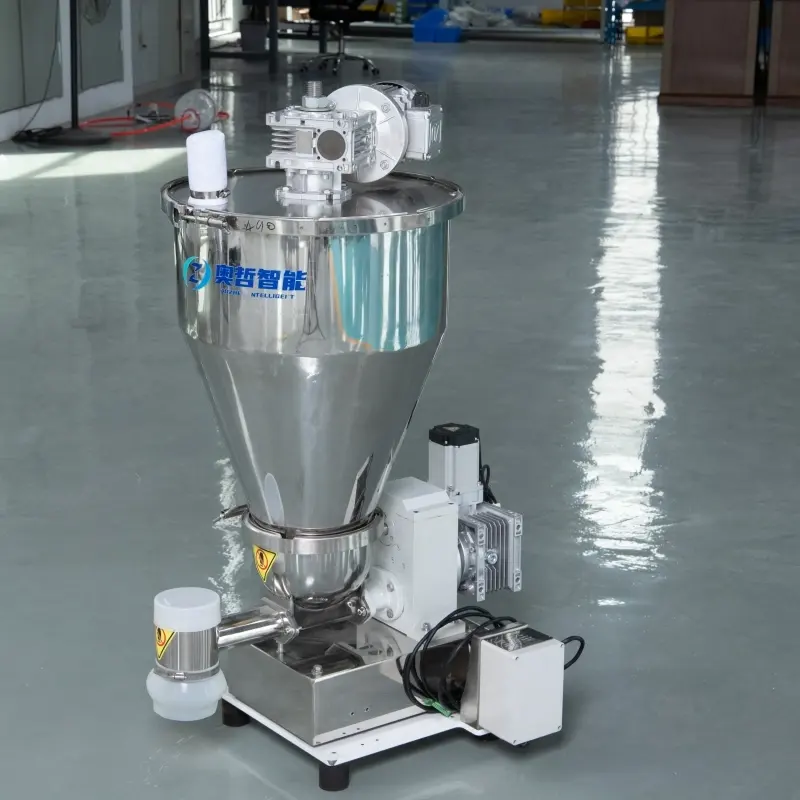
أ وحدة تغذية فقدان الوزن ذات التدفق الدقيق is a high-precision gravimetric dosing system designed to measure and control the discharge of materials by weighing the entire feeding apparatus. Unlike volumetric feeders, which rely on the volume of the screw to estimate dosage, an LIW system continuously monitors the weight reduction over time. The control system adjusts the screw speed in real-time to maintain a constant, pre-set mass flow rate.
For laboratory applications, these machines are scaled down to handle minute quantities, often referred to as “micro-dosing.”
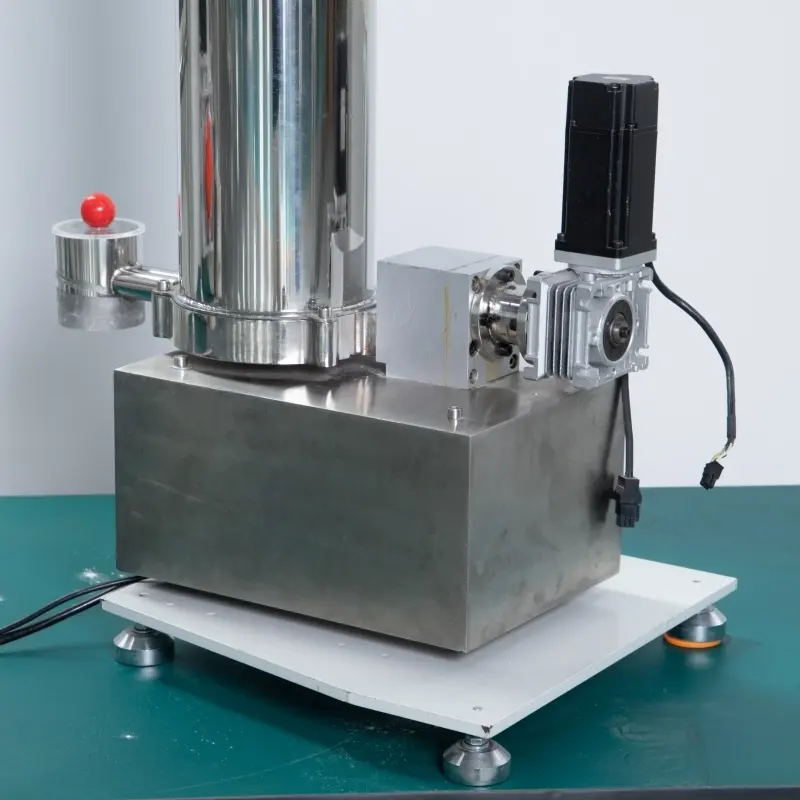
Key Technical Breakthroughs: Precision Down to 80g/h
The most significant challenge in micro-dosing is maintaining a stable flow at extremely low rates. Traditional feeding systems often struggle with “pulsation” or inconsistent discharge when throughput drops below a few hundred grams per hour.
حديث laboratory loss-in-weight feeders have shattered these barriers. With a minimum flow rate as low as 80 grams per hour (80 g/h), these systems allow researchers to add trace amounts of functional additives, pigments, or catalysts into a blend with clinical precision. This capability is crucial for:
- Developing masterbatches with high-concentrate additives.
- Pharmaceutical coating processes.
- Chemical synthesis involving expensive reagents.
Versatility Through Modular Screw Designs
Not all powders are created equal. Some are free-flowing like sand, while others are fine, aerated, or prone to clumping. To address this diversity, precision micro-feeders offer interchangeable screw types.
By selecting the appropriate screw geometry—such as single-flight, twin-screw, or concave designs—operators can optimize the feeder for the specific physical properties of the material. This modularity ensures that the same machine used for a granular polymer additive today can be reconfigured for a fine metallic powder tomorrow.
Solving the “Difficult Material” Problem: Bottom Mixing Systems
One of the biggest pain points in laboratory feeding is dealing with sticky or non-flowing materials. Many additives tend to bridge or rat hole inside the hopper, leading to starvation of the screw and feeding errors.
Advanced micro-LIW feeders are equipped with a specialized bottom mixing system. This system features an agitator or a specialized mechanical interface at the base of the hopper that keeps the material in a “fluid” state. Combined with the precision screw, it effectively breaks down clumps and prevents bridging, ensuring that even the most stubborn powders are fed consistently and accurately.
خاتمة
ال laboratory-precise micro-flow loss-in-weight feeder represents the pinnacle of dosing technology. Its ability to manage minute flow rates while overcoming the physical challenges of difficult materials makes it a cornerstone of modern R&D. For laboratories looking to improve data repeatability and reduce material waste, investing in high-precision gravimetric feeding is a strategic move toward excellence.
Frequently Asked Questions (FAQ)
What is the main advantage of a loss-in-weight feeder over a volumetric feeder in a lab?
The primary advantage is accuracy and consistency. A Loss-in-Weight (LIW) feeder compensates for changes in material density and hopper pressure by measuring actual mass. In a laboratory setting where material properties may vary between small batches, the LIW system ensures the output remains exactly at the target weight, whereas a volumetric feeder might deliver inconsistent amounts if the material compacts.
Can the micro-flow feeder handle extremely sticky powders?
Yes. By utilizing a bottom mixing system and selecting a specialized twin-screw configuration, the feeder can handle cohesive and sticky materials that would typically clog a standard feeder. The mixing system keeps the material moving toward the screw, preventing “bridging” or “rat-holing” inside the hopper.
Is it possible to integrate this feeder into an automated laboratory system?
Absolutely. Modern micro-LIW feeders are designed with connectivity in mind. They typically feature PLC-based control systems with industry-standard protocols (like Modbus, Profinet, or EtherNet/IP), allowing them to be seamlessly integrated into a larger automated production line or a centralized laboratory data management system for real-time monitoring and recording.