

لماذا ينحرف وزن العلف الناقص بمرور الوقت؟
تاريخ الإصدار: 10 ديسمبر 2025
جدول المحتويات
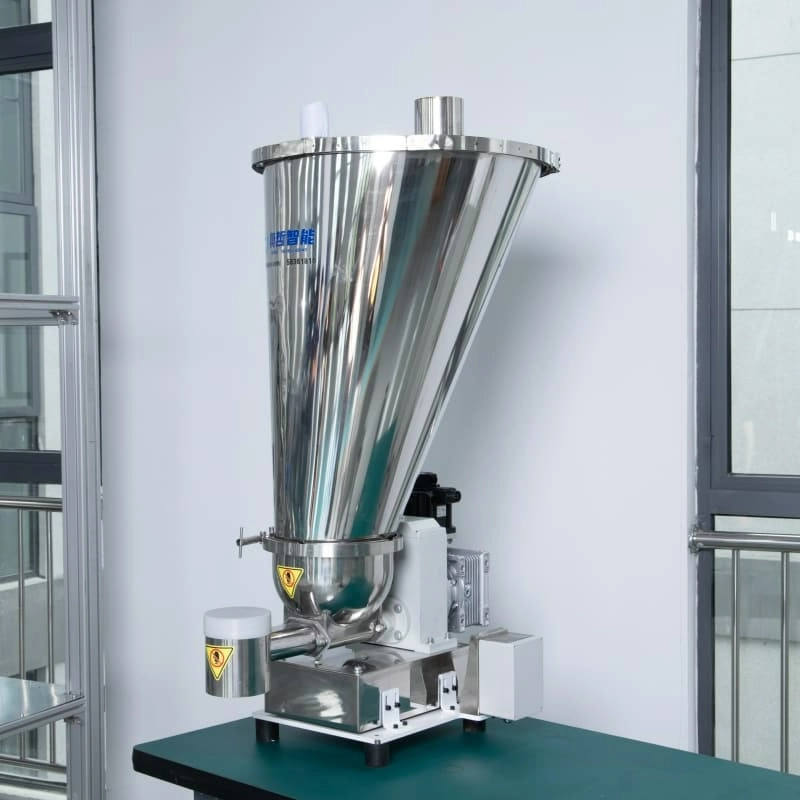
مغذيات فقدان الوزن تُستخدم هذه الأنظمة على نطاق واسع في الصناعات التي تتطلب جرعات دقيقة ومستمرة من المواد. مع ذلك، قد يلاحظ المشغلون أن حتى الأنظمة المُجهزة جيدًا قد تتعرض لانحرافات مع مرور الوقت، مما يؤدي إلى عدم دقة التغذية أو عدم استقرار الإنتاج. يُعد فهم سبب حدوث هذا الانحراف أمرًا بالغ الأهمية للحفاظ على الدقة على المدى الطويل وموثوقية العملية.
1. ما هو انحراف التغذية في وحدة تغذية فقدان الوزن؟
يشير الانحراف إلى تفاوت تدريجي بين معدل تغذية المواد الفعلي ونقطة الضبط المستهدفة. وعلى عكس الأعطال المفاجئة، غالبًا ما يتطور الانحراف ببطء وقد لا يُلاحظ حتى تظهر مشاكل في جودة المنتج. في وحدة التغذية التي تعتمد على فقدان الوزن، يظهر الانحراف عادةً على شكل تغيرات صغيرة ولكنها ثابتة في فقدان الوزن المقاس بمرور الوقت.
لا تشير هذه الظاهرة عادةً إلى عطل واحد، بل هي نتيجة لتضافر عدة عوامل ميكانيكية وبيئية وتشغيلية.
2. تأثيرات خلية قياس الحمل ونظام الوزن
دقة آلة تغذية لإنقاص الوزن يعتمد نظام الوزن بشكل كبير على خلايا قياس الوزن والإلكترونيات المستخدمة فيه. ومع مرور الوقت، قد تتأثر خلايا قياس الوزن بتقلبات درجة الحرارة، أو الإجهاد الميكانيكي، أو تراكم المواد. حتى التغيرات الطفيفة في هذه الظروف قد تؤدي إلى تغيير نقطة الصفر أو حساسية نظام الوزن.
بالإضافة إلى ذلك، قد تتداخل الاهتزازات الناتجة عن المعدات أو خطوط الإنتاج المجاورة مع قياسات الوزن. وإذا لم يتم عزل وحدة التغذية بشكل صحيح، فقد تُدخل هذه القوى الخارجية تشويشًا في الإشارة، مما يؤدي إلى انحراف تدريجي في القياس.
3. تغيرات السلوك المادي بمرور الوقت
تُعدّ خصائص المواد سببًا شائعًا آخر للانحراف. تتغير سلوكيات العديد من المساحيق والحبيبات أثناء التخزين والمعالجة. يمكن أن يؤدي امتصاص الرطوبة أو الانضغاط أو الانفصال إلى تغيير كيفية تدفق المواد عبر وحدة التغذية.
عند تغير الكثافة الظاهرية أو الانسيابية، قد يستجيب جهاز التغذية بشكل مختلف حتى مع بقاء نظام التحكم دون تغيير. وهذا شائع بشكل خاص في المواد المسترطبة أو المساحيق الدقيقة الحساسة للظروف البيئية.
4. مكونات التآكل الميكانيكي والتغذية
تتعرض المكونات الميكانيكية، مثل البراغي والمحركات والحلقات المانعة للتسرب، للتآكل أثناء التشغيل المستمر. ومع تدهور هذه الأجزاء، قد تتغير خصائص التغذية للنظام بشكل طفيف. ورغم أن هذا التغيير قد يكون ضئيلاً في البداية، إلا أن تأثيره التراكمي مع مرور الوقت قد يقلل من دقة التغذية.
يعد الفحص المنتظم للأجزاء الميكانيكية أمرًا ضروريًا، حيث يمكن أن تؤدي المكونات البالية أيضًا إلى زيادة الاحتكاك أو خلق معدلات تصريف مواد غير متناسقة.
5. العوامل البيئية وعوامل التركيب
تلعب الظروف البيئية دورًا أكبر مما يدركه العديد من المشغلين. إذ يمكن أن تؤثر تغيرات درجة الحرارة على كل من المادة ونظام الوزن. كما قد تؤثر تيارات الهواء الناتجة عن أنظمة التهوية أو الأبواب المفتوحة على قراءات الوزن من خلال تطبيق قوى صغيرة ولكن مستمرة على القادوس.
تُعد جودة التركيب بنفس القدر من الأهمية. فالأساسات غير المستوية، أو سوء المحاذاة، أو عدم كفاية عزل الاهتزازات، يمكن أن تزيد من حدة المشكلات المتعلقة بالانحراف بمرور الوقت.
6. كيفية تقليل الانحراف طويل المدى
على الرغم من أنه لا يمكن القضاء على الانحراف تمامًا، إلا أنه يمكن إدارته بفعالية. المعايرة المنتظمة لـ وحدة تغذية صناعية بفقدان الوزن يُعدّ وضع جدول زمني للصيانة الدورية من أكثر التدابير الوقائية فعالية. فهو يساعد على تحديد المشكلات قبل أن تؤثر على الإنتاج.
تشمل أفضل الممارسات الأخرى مراقبة حالة المواد، والتحكم في التأثيرات البيئية، والتأكد من فهم المشغلين للسلوك الطبيعي للمغذي. كما يمكن لأنظمة التحكم المتقدمة المزودة بميزات تعويض الانحراف أن تساعد في الحفاظ على الاستقرار على المدى الطويل.
يُعدّ الانحراف في مغذيات فقدان الوزن نتيجة طبيعية للتشغيل المستمر، وتغيرات المواد، والتأثيرات البيئية. ومن خلال فهم الأسباب الجذرية - بدءًا من سلوك خلية الحمل وصولًا إلى خصائص المواد والتآكل الميكانيكي - يمكن للمشغلين اتخاذ خطوات استباقية للحفاظ على الدقة. ومع المعايرة والصيانة والتصميم السليم للنظام، يمكن لمغذيات فقدان الوزن الاستمرار في تقديم أداء موثوق به على مدار دورات إنتاج طويلة.