

ما مدى دقة نظام التغذية القائم على فقدان الوزن مقارنة بأنظمة التغذية الأخرى؟
تاريخ الإصدار: 2025-12-05
جدول المحتويات
تُعدّ الدقة من أهم العوامل عند اختيار نظام تغذية المواد. فسواءً في صناعة مركبات البلاستيك، أو المعالجة الكيميائية، أو إنتاج الأغذية، أو المستحضرات الصيدلانية، حتى أخطاء الجرعات الصغيرة قد تؤدي إلى مشاكل في الجودة، أو هدر المواد، أو منتجات غير متناسقة. وهذا يطرح سؤالاً شائعاً لدى المهندسين وصنّاع القرار: ما مدى دقة نظام التغذية؟ وحدة تغذية لإنقاص الوزن مقارنة بأنظمة التغذية الأخرى؟
فهم دقة التغذية في حالات فقدان الوزن
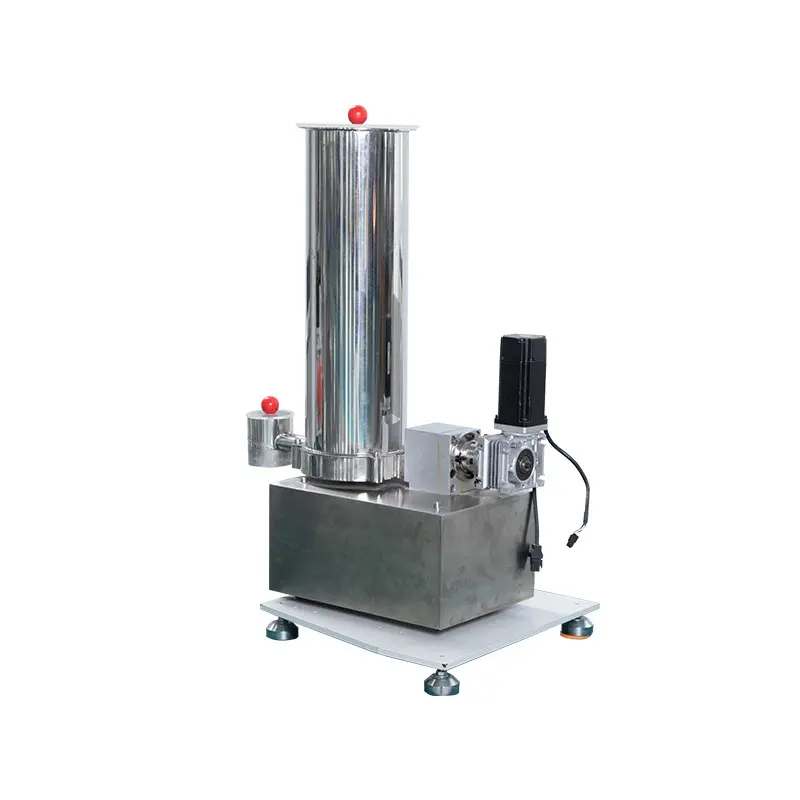
يقيس مُغذّي فقدان الوزن تدفق المواد من خلال المراقبة المستمرة لانخفاض وزن القادوس بمرور الوقت. وبدلاً من تقدير حجم المواد، يحسب الكتلة الفعلية المُفرَغة. وبفضل هذا المبدأ الوزني، تحقق مُغذّيات فقدان الوزن عادةً مستويات دقة تتراوح بين ±0.25% و ±1%، وذلك تبعًا لخصائص المواد وتصميم المُغذّي وظروف التشغيل.
هذا المستوى من الدقة يجعل نظام التغذية لإنقاص الوزن مناسب بشكل خاص للعمليات التي تتطلب تحكمًا دقيقًا في التركيبة، مثل إضافة الجرعات، وإنتاج الخلطات اللونية الرئيسية، والمواد الخام عالية القيمة.
مقارنة مع أنظمة التغذية الحجمية
تُقدّم المغذيات الحجمية المواد بناءً على حجمها لا وزنها. ورغم بساطتها وانخفاض تكلفتها عمومًا، إلا أن دقتها تتأثر بشدة بتغيرات الكثافة الظاهرية، ومحتوى الرطوبة، وحجم الجسيمات، وسلوك تدفق المواد. وفي بيئات الإنتاج الواقعية، تتقلب هذه المتغيرات باستمرار.
ونتيجةً لذلك، غالبًا ما تحقق أنظمة التغذية الحجمية مستويات دقة تتراوح بين ±2% و ±5% أو أقل. قد يكون هذا مقبولًا بالنسبة للمواد منخفضة التكلفة أو التطبيقات غير الحرجة. مع ذلك، عندما يكون الاتساق مهمًا، تواجه أنظمة التغذية الحجمية صعوبة في مضاهاة دقة أنظمة التغذية بفقدان الوزن.
أنظمة التغذية والوزن على دفعات
تعتمد أنظمة التغذية الدفعية على وزن كمية محددة من المادة قبل إدخالها في العملية. ورغم دقة هذه الأنظمة في الجرعات الفردية، إلا أنها تفتقر إلى التحكم المستمر الذي توفره أنظمة التغذية بفقدان الوزن. وأي اختلاف بين الدفعات قد يُحدث تقلبات في المنتج النهائي.
بالإضافة إلى ذلك، فإن التغذية الدفعية أقل استجابةً لتغيرات العملية، مما يجعلها أقل ملاءمةً لخطوط الإنتاج المستمرة. في المقابل، تقوم مغذيات فقدان الوزن بتعديل سرعة التغذية في الوقت الفعلي، مما يحافظ على تدفق كتلة ثابت طوال عملية الإنتاج.
العوامل المؤثرة على الدقة
على الرغم من أن أجهزة التغذية التي تعمل على إنقاص الوزن أكثر دقة بطبيعتها، إلا أن أدائها يعتمد على عدة عوامل:
- خصائص المادة مثل السيولة والتماسك وحجم الجسيمات
- التصميم الميكانيكي، بما في ذلك نوع البرغي وهندسة القادوس
- الظروف البيئية مثل الاهتزازات والتيارات الهوائية ودرجة الحرارة
- ممارسات المعايرة والصيانة
عند اختيارها وصيانتها بشكل صحيح، يمكن أن توفر وحدة التغذية التي تعتمد على فقدان الوزن نتائج مستقرة وقابلة للتكرار حتى في ظل الظروف الصعبة.
هل الدقة العالية ضرورية دائماً؟
لا تتطلب جميع التطبيقات دقة قصوى. بالنسبة للمواد السائبة منخفضة التكلفة والتي لا تؤثر بشكل كبير على الجودة، قد يكون المغذي الحجمي كافيًا وأكثر اقتصادية. ومع ذلك، عند التعامل مع إضافات باهظة الثمن، أو معايير جودة صارمة، أو الامتثال للوائح التنظيمية، يصبح المغذي المحسن ضروريًا. مغذي دقيق لفقدان الوزن غالباً ما يبرر ذلك الاستثمار.
يجد العديد من المصنّعين أن دقة التغذية العالية تؤدي إلى تقليل هدر المواد، وتحسين اتساق المنتج، وانخفاض معدلات إعادة العمل، مما ينتج عنه توفير في التكاليف على المدى الطويل.
عند مقارنة أنظمة التغذية، يبرز نظام التغذية بفقدان الوزن كخيارٍ أكثر دقةً للجرعات المستمرة من المواد. فمقارنةً بأنظمة التغذية الحجمية والدفعية، يوفر هذا النظام دقةً فائقة، وتحكمًا فوريًا، وقدرةٍ أفضل على التكيف مع تغيرات المواد. بالنسبة للعمليات التي تؤثر فيها الدقة بشكل مباشر على جودة المنتج وربحيته، غالبًا ما يكون نظام التغذية بفقدان الوزن هو الحل الأمثل والأكثر موثوقيةً على المدى البعيد.