

اللولب الأحادي مقابل اللولب المزدوج: كيفية اختيار وحدة التغذية المناسبة لفقدان الوزن لحبيباتك
تاريخ الإصدار: 10 فبراير 2026
جدول المحتويات
يُعد التغذية الدقيقة والمستقرة أمراً ضرورياً في خطوط مناولة ومعالجة المواد الحديثة، لا سيما عند العمل مع حبيبات البلاستيك أو الكريات الكيميائية أو المواد الغذائية. وحدة تغذية لإنقاص الوزن يستخدم على نطاق واسع لهذا الغرض، حيث يوفر تحكمًا دقيقًا في الوزن بغض النظر عن تغيرات كثافة المواد أو اختلافات التدفق.
عند اختيار وحدة تغذية تعتمد على فقدان الوزن للحبوب، يبرز سؤال شائع: برغي واحد أو برغي مزدوجإن فهم اختلافاتهم يمكن أن يساعدك على تجنب الإفراط في تصميم النظام أو ضعف أدائه.
كيف يعمل جهاز تغذية إنقاص الوزن
أ وحدة تغذية لإنقاص الوزن يقيس النظام تدفق المواد من خلال وزن القادوس باستمرار وحساب فقدان الوزن بمرور الوقت. تتيح هذه التغذية الراجعة الفورية للمغذي ضبط سرعة البرغي تلقائيًا، مما يضمن إنتاجًا ثابتًا حتى عند تقلب خصائص المواد.
بسبب هذا التحكم ذو الحلقة المغلقة، فإن مغذيات فقدان الوزن مناسبة بشكل خاص للتطبيقات التي تتطلب دقة عالية في الجرعات، مثل عمليات التركيب والبثق والتعبئة.
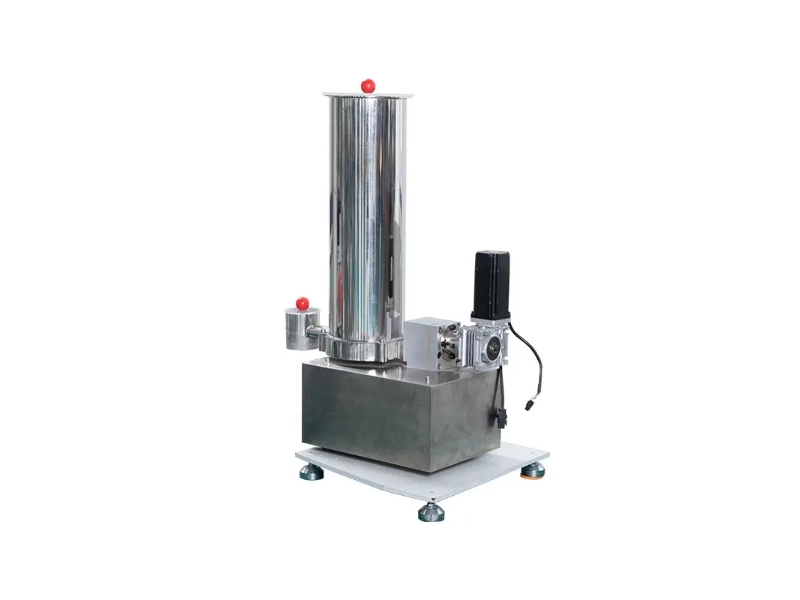
وحدة تغذية بفقدان الوزن ببرغي واحد: بسيطة وفعالة
أ وحدة تغذية بفقدان الوزن ببرغي واحد غالباً ما يكون الخيار الأول للحبيبات سهلة التدفق. هيكله بسيط وسهل الصيانة وفعال من حيث التكلفة للعديد من التطبيقات القياسية.
تُعدّ التصاميم ذات البرغي الواحد فعّالة عندما:
- تتميز الحبيبات بحجم موحد وسيولة جيدة
- معدلات التغذية معتدلة
- تُعتبر كفاءة استخدام المساحة والميزانية من الأولويات.
بالنسبة للعديد من المواد البلاستيكية والحبيبات الكيميائية، يوفر مغذي لولبي واحد أداء تغذية مستقرًا دون تعقيد غير ضروري.
وحدة تغذية مزدوجة اللولب تعتمد على فقدان الوزن: تحكم أفضل للمواد الصعبة
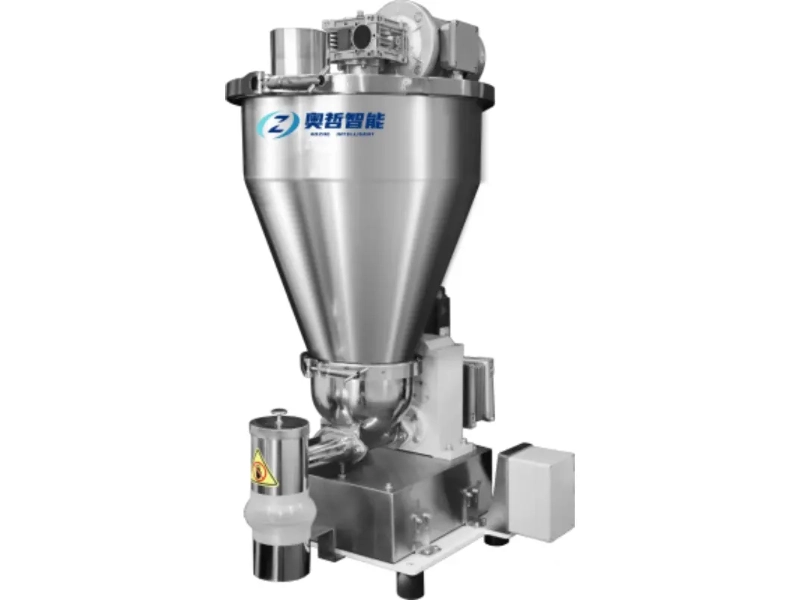
أ وحدة تغذية مزدوجة اللولب ذات فقدان الوزن يوفر هذا الجهاز استقرارًا مُحسّنًا في التغذية، خاصةً للمواد التي تميل إلى التكتل أو الانضغاط أو التدفق بشكل غير منتظم. وبفضل وجود برغيين متشابكين، يتم نقل المواد بشكل أكثر انتظامًا، مما يقلل من النبضات ويحسن الدقة عند السرعات المنخفضة.
تُعدّ مغذيات اللولب المزدوج أكثر ملاءمة عندما:
- تتميز الحبيبات بأشكال غير منتظمة أو أحجام مختلطة
- يلزم معدلات تغذية منخفضة للغاية أو مستقرة للغاية
- يُعد اتساق العملية أمرًا بالغ الأهمية خلال عمليات الإنتاج الطويلة.
على الرغم من أن الهيكل أكثر تعقيدًا، إلا أن التحكم المحسن غالبًا ما يبرر الاستثمار في التطبيقات الصعبة.
اتخاذ القرار الصحيح
يعتمد اختيار التصميم ذي البرغي الواحد أو المزدوج بشكل أقل على "أيهما أفضل" وأكثر على سلوك المادة ومتطلبات العملية. قد يؤدي الإفراط في تحديد المواصفات إلى زيادة التكاليف، بينما قد يؤدي التقليل من تحديدها إلى عدم اتساق الإنتاج ومشاكل في الجودة.
الشركات المصنعة مثل رائع ذكي يركز نظام Awesome Intelligent على تصميم وحدات التغذية بما يتناسب مع ظروف التشغيل الواقعية. ومن خلال الجمع بين تقنية الوزن الدقيقة وتكوينات اللولب المصممة خصيصًا لكل تطبيق، يقدم النظام حلول تغذية تعتمد على فقدان الوزن، مما يحقق التوازن بين الدقة والموثوقية والكفاءة على المدى الطويل.
حالات معاملات حديثة
مؤخراً، وحدة تغذية مزدوجة اللولب ذات فقدان الوزن تم إنجاز الطلب الذي قدمه عميلنا في الأرجنتين بنجاح، وتم ترتيب شحنه.
صُممت هذه الوحدة لتغذية الحبيبات بدقة في خط إنتاج مستمر. وبناءً على خصائص المواد التي يستخدمها العميل ومعدل التغذية المطلوب، تم اختيار تصميم لولبي مزدوج لضمان أداء نقل مستقر ودقة محسّنة عند معدلات التغذية المنخفضة. وبالمقارنة مع نظام اللولب الأحادي، يوفر التصميم اللولبي المزدوج تفريغًا أكثر تجانسًا للمواد، مما يجعله مناسبًا بشكل خاص للتطبيقات التي تتطلب اتساقًا عاليًا في التغذية.
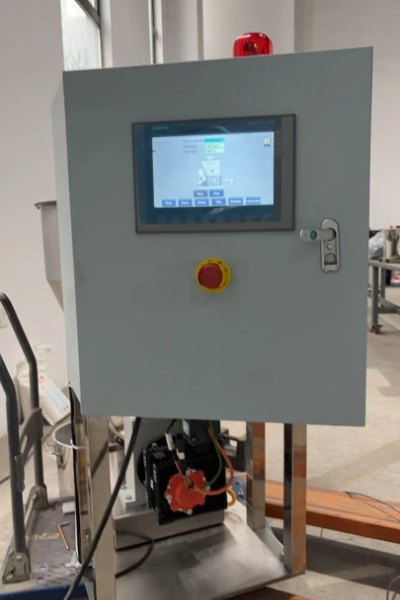
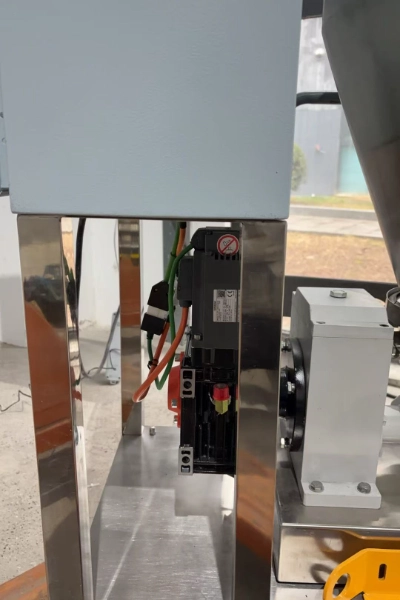
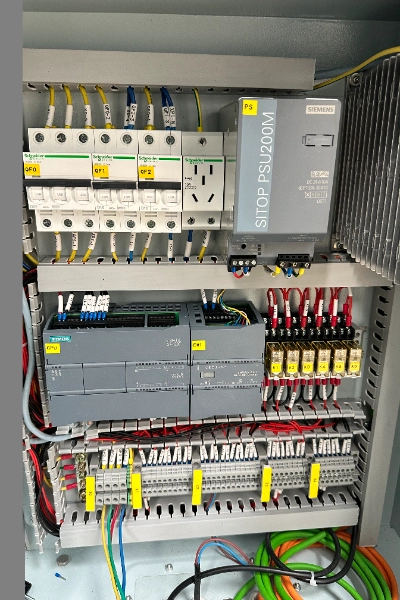
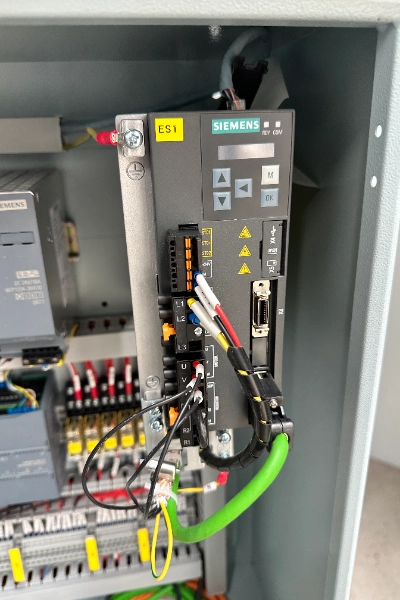
قبل التسليم، خضعت المعدات لاختبارات أداء روتينية، شملت معايرة الوزن، وفحص تشغيل البرغي، والتحقق من نظام التحكم. وقد تم التأكد من أن جميع المعايير الوظيفية تلبي المتطلبات الفنية المتفق عليها.
تم الآن تغليف وحدة التغذية بعناية وشحنها بحراً إلى الأرجنتين. ونحن نقدر ثقة شريكنا الأجنبي ونتطلع إلى دعم خط إنتاجه بأداء تغذية وزني موثوق.
التعليمات
س1: هل يمكن لوحدة تغذية واحدة تعتمد على فقدان الوزن أن تتعامل مع أنواع مختلفة من الحبيبات؟
نعم، ولكن قد يحتاج تصميم البرغي وتكوين القادوس إلى تعديل. تسمح بعض الأنظمة ببراغي قابلة للتبديل لمزيد من المرونة.
س2: هل وحدة التغذية ذات اللولب المزدوج أكثر دقة دائمًا من وحدة التغذية ذات اللولب الواحد؟
ليس دائمًا. بالنسبة للحبيبات سهلة التدفق، يمكن لمغذي لولبي واحد تحقيق دقة ممتازة. أما التصاميم اللولبية المزدوجة فتفيد بشكل أساسي في ظروف التغذية الصعبة أو ذات معدل التغذية المنخفض.
س3: كم مرة يحتاج جهاز التغذية الذي يعتمد على فقدان الوزن إلى المعايرة؟
في معظم البيئات الصناعية، يكون إجراء المعايرة الدورية أثناء الصيانة المجدولة كافياً، خاصة عند استخدام خلايا الحمل وأنظمة التحكم عالية الجودة.