

Uso de alimentadores por pérdida de peso en el procesamiento de alimentos: Qué debe saber
Hora de lanzamiento: 2025-12-20
Tabla de contenido
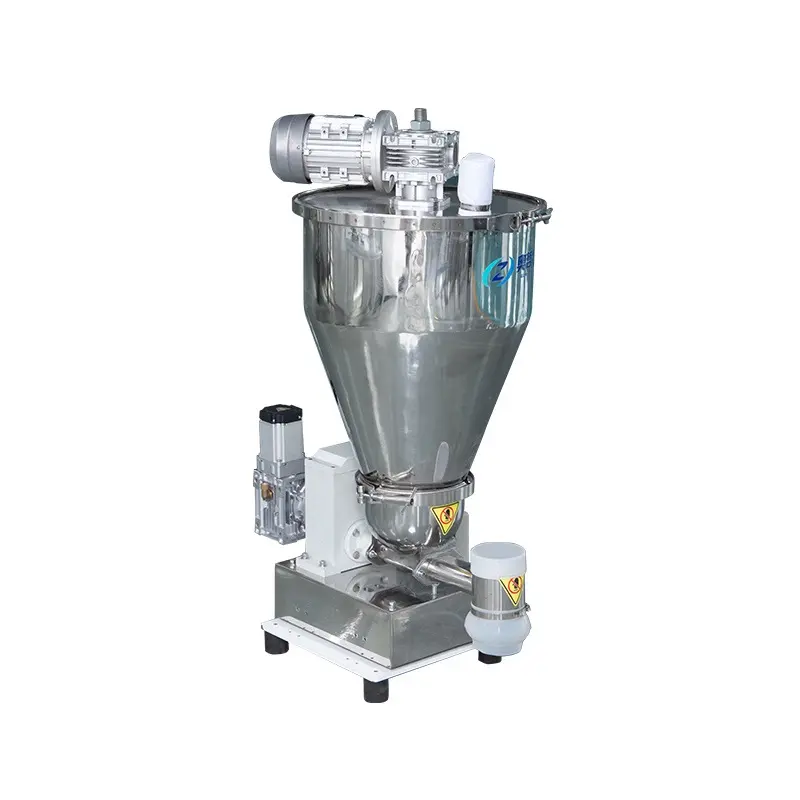
La precisión y la consistencia son fundamentales en el procesamiento de alimentos. Desde mezclas para hornear y snacks hasta lácteos en polvo y suplementos nutricionales, incluso pequeñas variaciones en la dosificación de los ingredientes pueden afectar el sabor, la textura y la seguridad del producto. Por esta razón, muchos fabricantes confían en comederos para pérdida de peso Para lograr un control preciso y repetible de los ingredientes, es fundamental comprender el funcionamiento de estos alimentadores y los aspectos a considerar antes de su implementación para los procesadores de alimentos.
Por qué es importante la precisión en el procesamiento de alimentos
La producción de alimentos suele implicar el uso de múltiples ingredientes secos, como harina, azúcar, almidón, especias y aditivos. Una alimentación inconsistente puede provocar variaciones entre lotes, retiradas de productos o problemas regulatorios. Un dosificador por pérdida de peso mide continuamente la disminución del peso del material a lo largo del tiempo, lo que le permite suministrar los ingredientes según la masa real en lugar del volumen estimado.
Este enfoque gravimétrico ayuda a los procesadores de alimentos a mantener tolerancias de formulación estrictas. En aplicaciones donde se requiere consistencia de sabor y precisión nutricional, los dosificadores por pérdida de peso proporcionan un nivel de control que los sistemas volumétricos tienen dificultades para lograr.
Requisitos de diseño higiénico y seguridad alimentaria
Una de las consideraciones más importantes al utilizar alimentadores por pérdida de peso en el procesamiento de alimentos es el diseño higiénico. Los equipos deben cumplir estrictas normas de seguridad alimentaria para evitar la contaminación. Muchos alimentadores por pérdida de peso diseñados para aplicaciones alimentarias presentan superficies lisas y pulidas, mínimas grietas y componentes fáciles de limpiar.
Materiales como el acero inoxidable se utilizan comúnmente para resistir la corrosión y los lavados frecuentes. En algunas instalaciones, los alimentadores también deben cumplir con normativas de seguridad alimentaria como las normas de la FDA o la UE. Seleccionar un alimentador que permita un funcionamiento higiénico reduce el tiempo de limpieza y minimiza el riesgo de contaminación cruzada entre procesos de producción.
Manipulación de diferentes ingredientes alimentarios
Las propiedades físicas de los ingredientes alimentarios varían considerablemente. Los polvos como la harina y el cacao pueden ser cohesivos, mientras que el azúcar y la sal son fluidos. Las especias y las premezclas pueden presentar tamaños de partícula o sensibilidad a la humedad variables. Los alimentadores por pérdida de peso pueden configurarse con diferentes diseños de tornillo y geometrías de tolva para gestionar estas variaciones.
Comprender las características de flujo de cada ingrediente es fundamental. Un flujo deficiente puede provocar interrupciones en la alimentación o fluctuaciones de peso, lo que reduce la precisión. La selección adecuada del alimentador y las pruebas con materiales reales ayudan a garantizar un rendimiento estable en la producción diaria.
Integración en líneas de producción de alimentos
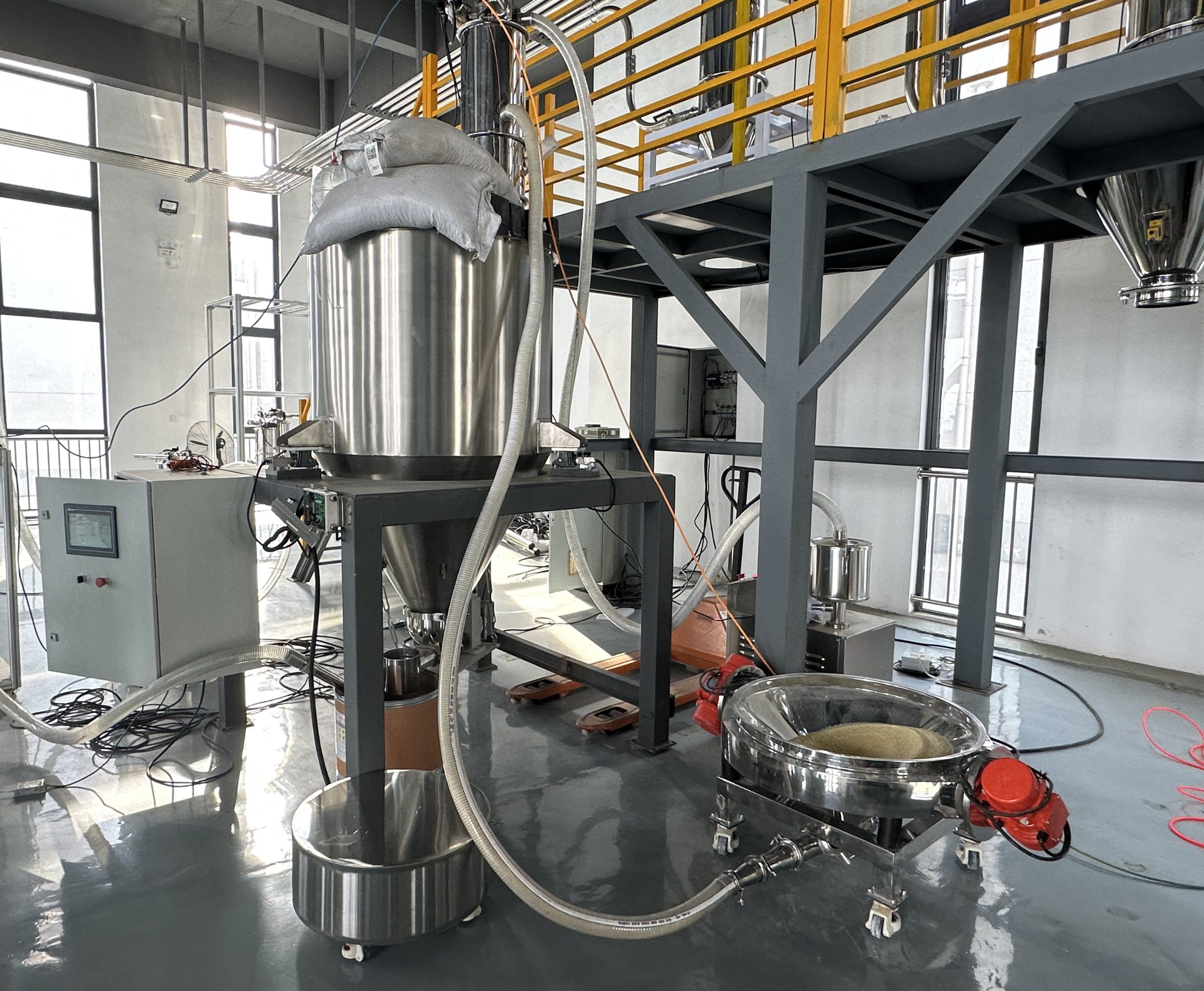
Los alimentadores por pérdida de peso se utilizan comúnmente en líneas de procesamiento continuo de alimentos, como las de extrusión, mezcla y combinación. Pueden integrarse con sistemas de almacenamiento previos y mezcladores posteriores para proporcionar una dosificación precisa y automatizada.
Los sistemas modernos de pérdida de peso suelen incluir controles digitales y gestión de recetas, lo que permite a los operadores ajustar rápidamente las velocidades de alimentación al cambiar de producto. Esta flexibilidad facilita cambios de formato más rápidos y reduce el error humano, lo cual es especialmente valioso en la fabricación de alimentos a gran escala.
Consideraciones de mantenimiento y operación
Mientras alimentadores de tornillo con pérdida de peso Ofrecen alta precisión, pero requieren un mantenimiento adecuado para funcionar de forma fiable. La calibración regular, la inspección de las celdas de carga y la limpieza de los componentes de alimentación son esenciales. Factores ambientales como la vibración o el movimiento del aire también pueden afectar la precisión del pesaje si no se controlan adecuadamente.
Capacitar a los operadores para que comprendan el comportamiento del alimentador y las señales de alarma ayuda a prevenir tiempos de inactividad y problemas de calidad. Con un mantenimiento constante, los alimentadores por pérdida de peso pueden funcionar con precisión durante muchos años en entornos exigentes de procesamiento de alimentos.
El uso de alimentadores por pérdida de peso en el procesamiento de alimentos ofrece ventajas significativas en cuanto a precisión, consistencia y control de calidad. Al suministrar ingredientes según su peso real, estos sistemas ayudan a los fabricantes a cumplir con los estrictos estándares de producto y requisitos regulatorios. Con una selección adecuada, un diseño higiénico y un mantenimiento adecuado, los alimentadores por pérdida de peso se convierten en una base fiable para una producción de alimentos eficiente y segura.