

Pourquoi les doseurs à double vis à perte de poids sont importants pour les poudres difficiles
Release time: 2026-03-18
Table des matières
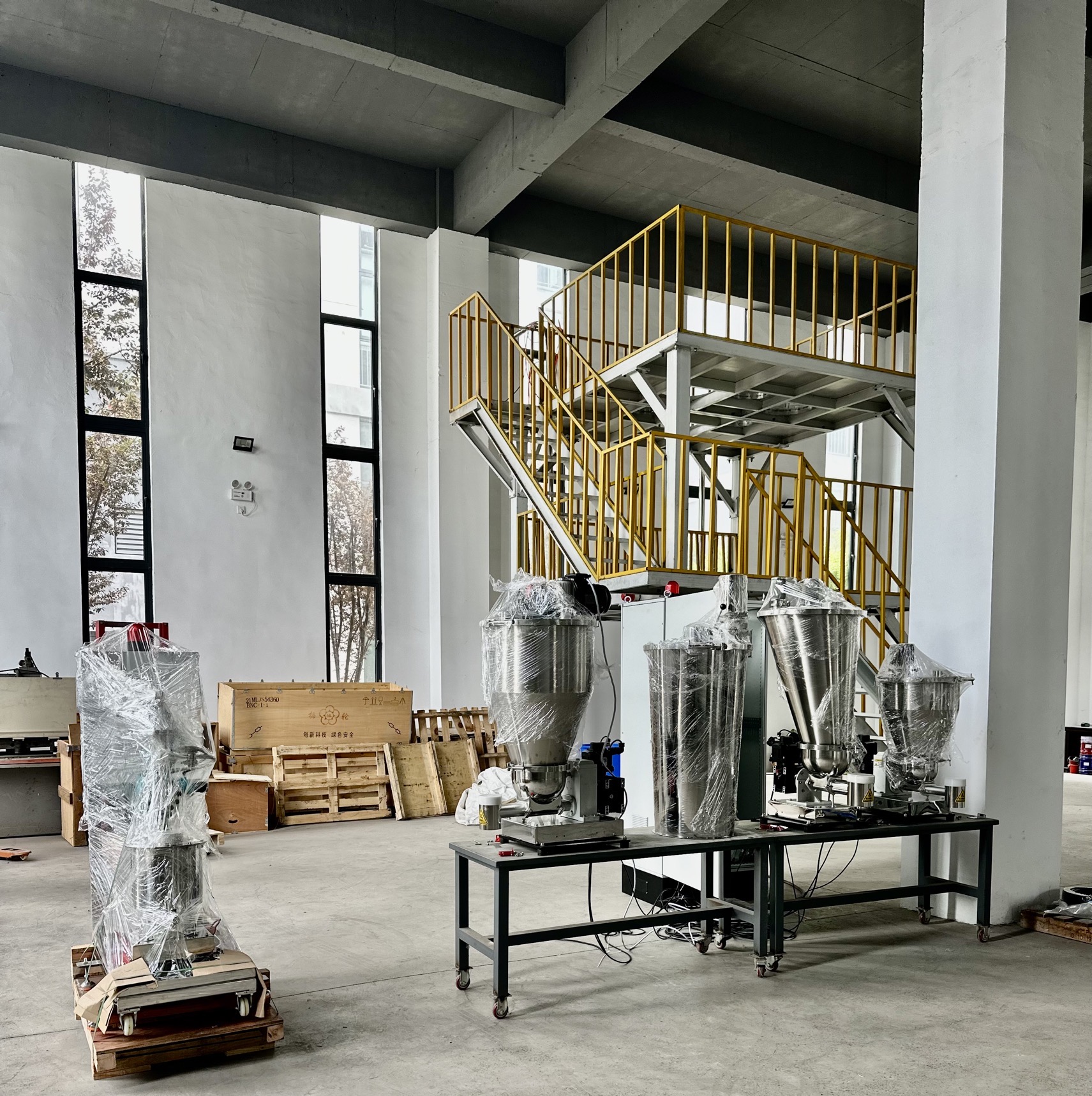
If you’ve ever tried feeding materials like fine pigments, starch, or light chemical powders, you’ll know they rarely behave the way datasheets suggest. Bridging, inconsistent discharge, and sudden surges are common headaches. Over time, many processors come to rely on one solution: twin-screw loss-in-weight feeders.
Built for Powders That Don’t Flow Easily
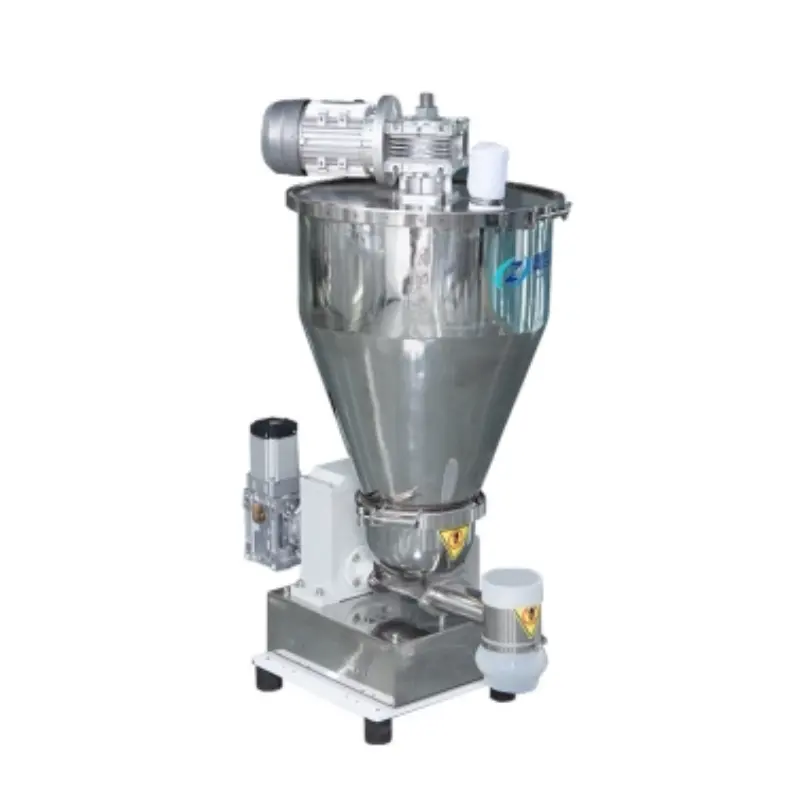
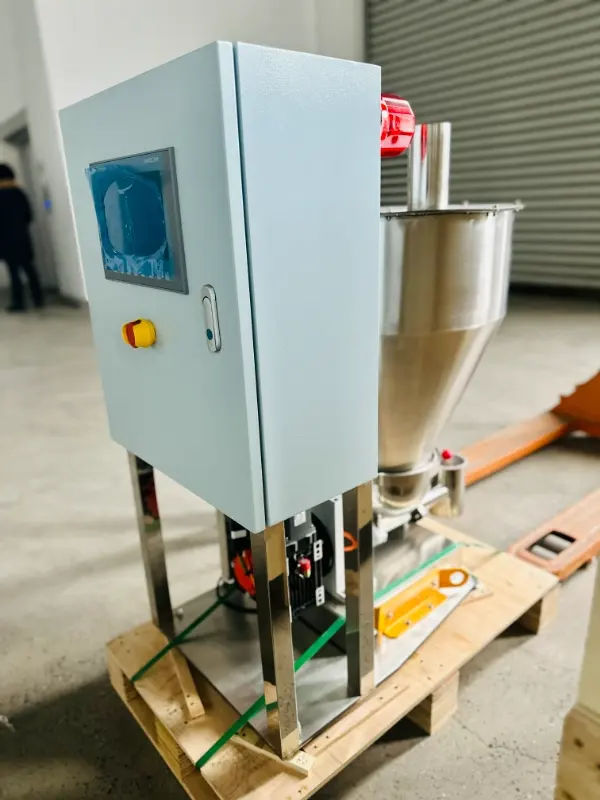
Traditional feeding systems often struggle with cohesive or low-bulk-density materials. In contrast, twin-screw loss-in-weight feeders for difficult-to-flow powders use intermeshing screws that actively pull material from the hopper. This mechanical assistance helps break up clumps and prevents common issues like rat-holing.
From my experience on the plant floor, this makes a noticeable difference. Instead of operators constantly tapping hoppers or adjusting settings, the system maintains a steady, controlled discharge with far less intervention.
Consistent Accuracy Through Gravimetric Control
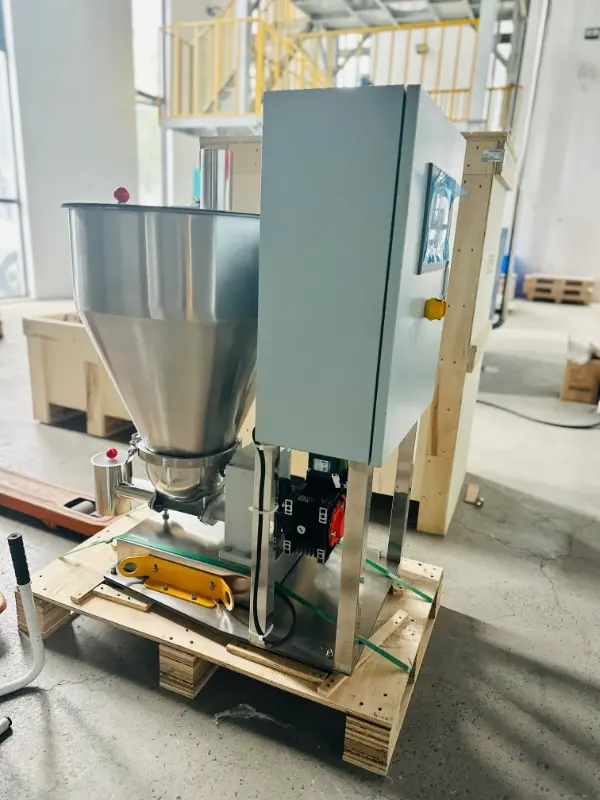
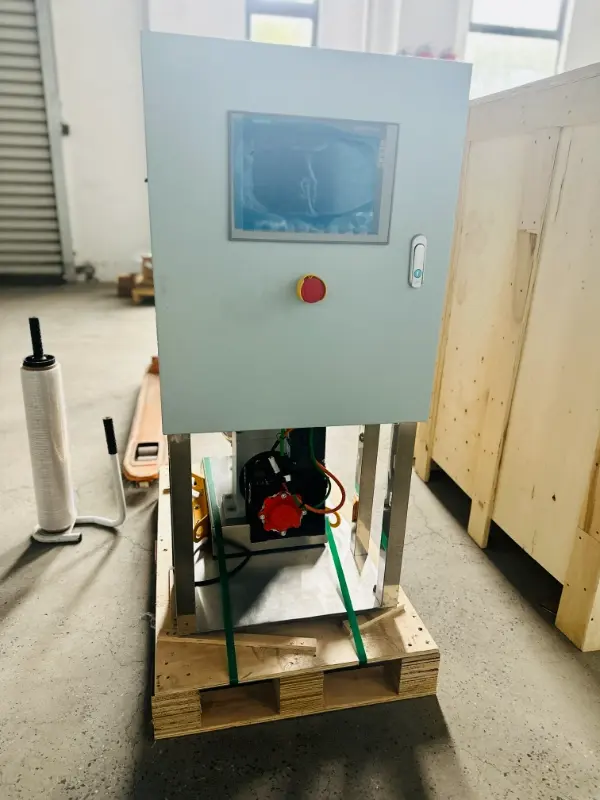
Accuracy becomes a bigger concern when materials behave unpredictably. That’s where gravimetric twin-screw feeders for cohesive powders stand out. By continuously measuring weight loss, the feeder adjusts screw speed in real time to maintain the target feed rate.
This is particularly useful in processes like compounding or batching, where even small deviations can affect final product quality. Compared to volumetric systems, the consistency is simply more reliable over long production runs.
Less Downtime, Smoother Operation
One underrated advantage of twin-screw feeders for poor-flowing bulk materials is how much they reduce unplanned stops. When powders bridge in conventional feeders, production slows or stops entirely.
With a twin-screw setup, the active conveying action keeps material moving. That translates into fewer interruptions, less manual handling, and a more predictable process overall. For many plants, this alone justifies the upgrade.
Flexible Enough for Real-World Materials
Not all powders are the same, and a one-size-fits-all approach rarely works. Modern loss-in-weight twin-screw feeding systems allow adjustments in screw design, pitch, and speed, making them adaptable to different material characteristics.
Whether it’s a fine pharmaceutical powder or a slightly fibrous food ingredient, the system can be tuned for better flow and accuracy without major hardware changes.
A Practical Choice Backed by Experience
In day-to-day operations, the value of precision twin-screw gravimetric feeders becomes clear pretty quickly. You get stable feeding, fewer process upsets, and better control over output.
Génial has focused on making these systems more user-friendly, with easier cleaning, smarter controls, and configurations suited to different industries. It’s not about over-engineering—it’s about solving real problems that operators deal with every shift.
FAQs
What types of materials require twin-screw loss-in-weight feeders?
Materials that are sticky, fine, or prone to bridging—such as powders with poor flowability—benefit most from twin-screw feeding solutions for cohesive powders.
How do these feeders maintain consistent output?
They rely on gravimetric control, adjusting screw speed based on real-time weight loss to ensure stable and accurate feeding.
Are twin-screw feeders suitable for frequent material changes?
Yes. Many modern designs support quick cleaning and easy disassembly, making them practical for operations with multiple product runs.
In the end, handling difficult powders is less about forcing them to behave and more about using the right equipment. A well-designed twin-screw loss-in-weight feeder doesn’t eliminate every challenge, but it makes them far more manageable.