


-
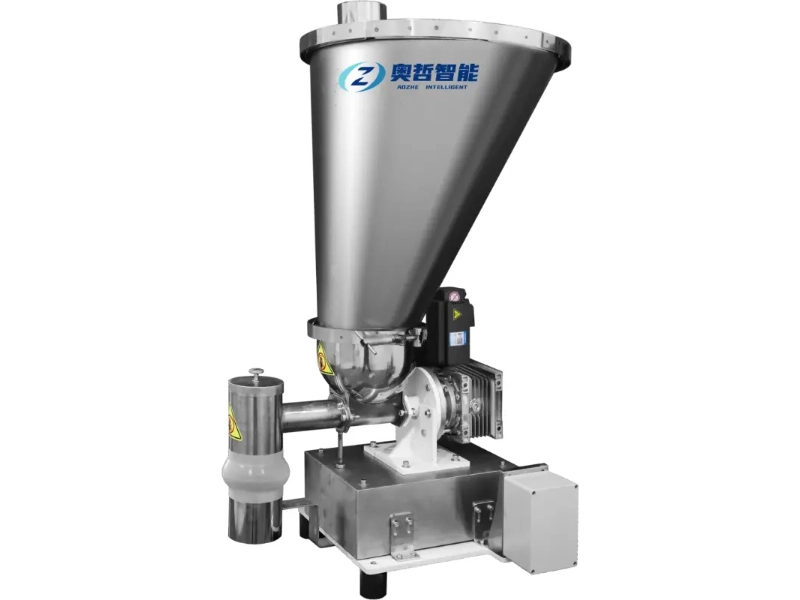
Why Does a Loss-in-Weight Feeder Drift Over Time?
1. What Is Feeding Drift in a Loss-in-Weight Feeder?2. Load Cell and Weighing System Influences3. Material Behavior Changes Over Time4. Mechanical Wear and Feeding Components5. Environmental and Installation Factors6. How to Minimize Lo...
10/12/2025
-
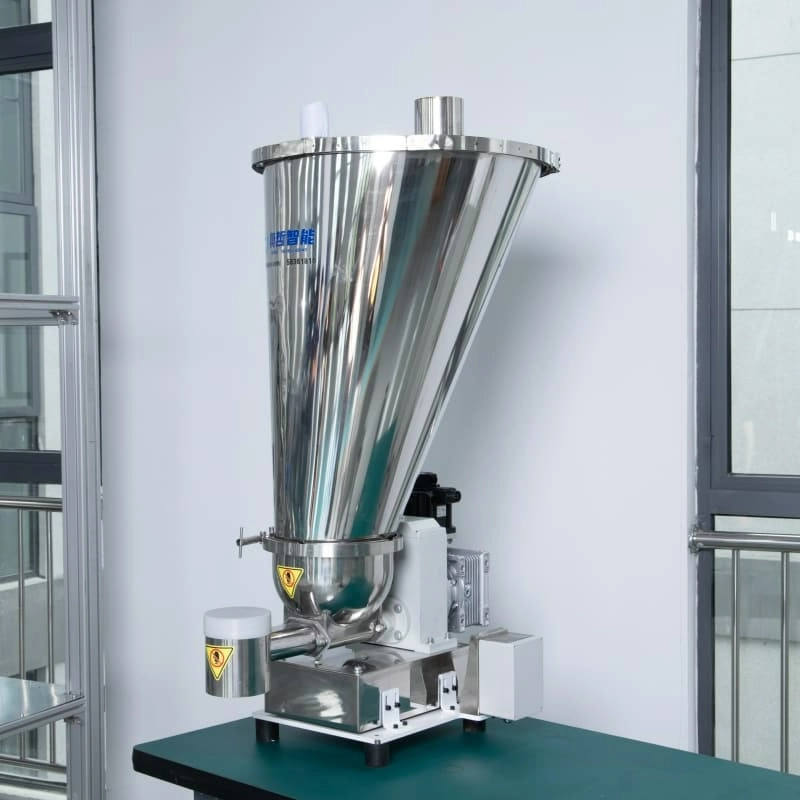
How Accurate Is a Loss-in-Weight Feeder Compared to Other Feeding Systems?
Understanding Loss-in-Weight Feeding AccuracyComparison with Volumetric Feeding SystemsBatch Feeding and Weighing SystemsIs Higher Accuracy Always Necessary? Accuracy is one of the most important factors when selecting a material fee...
05/12/2025
-
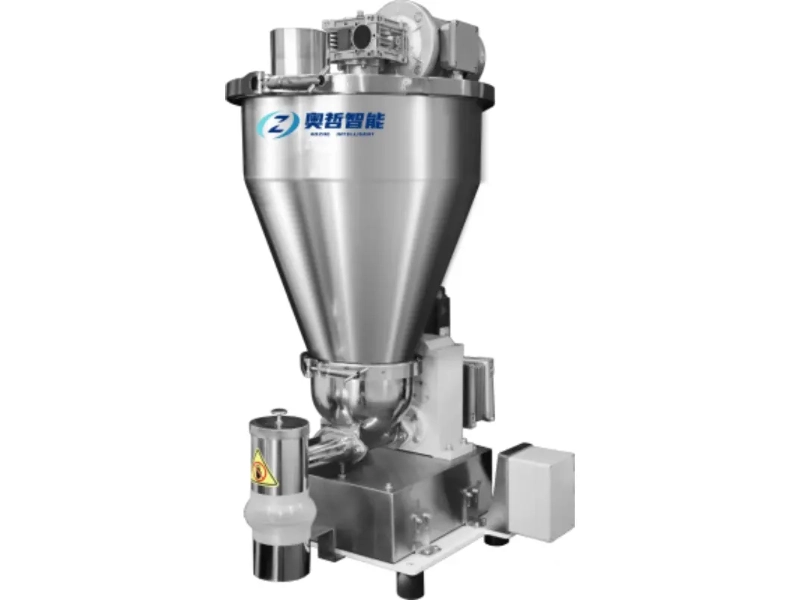
How Material Properties Affect Loss-in-Weight Feeder Performance
1. Flowability2. Bulk Density3. Particle Size and Shape4. Moisture Content and Surface Properties5. Compressibility and Aeration A loss-in-weight feeder is designed to deliver materials with high accuracy, but its performance depends...
24/11/2025
-
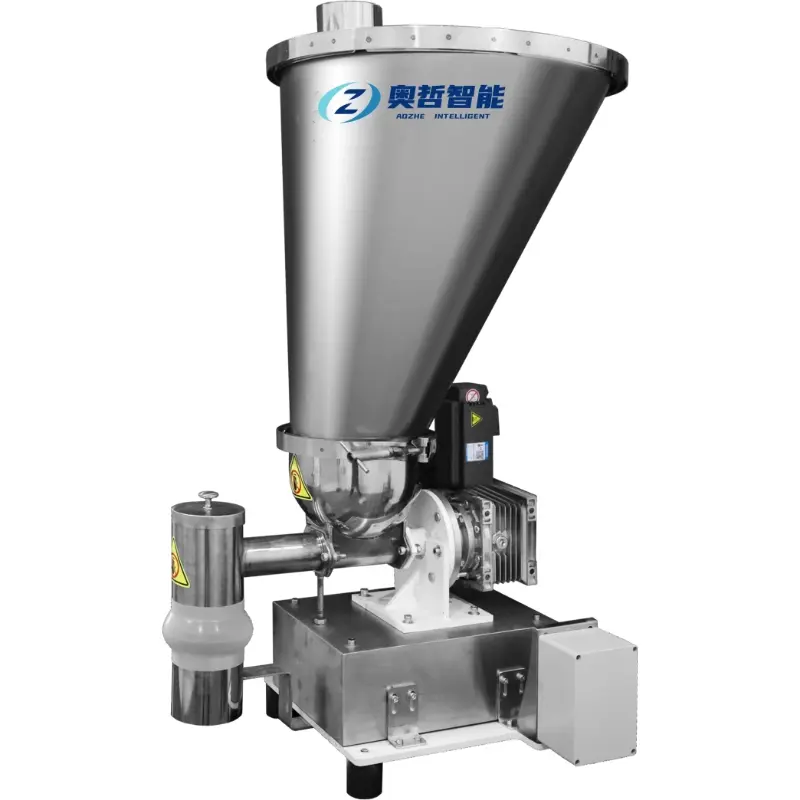
How to Choose the Right Screw Type for a Loss-in-Weight Feeder
1. Understand Your Material First2. Single-Screw vs. Twin-Screw — Which One Should You Choose?3. Consider Feeding Speed and Accuracy4. Test Before Final Selection Selecting the right screw type is one of the most important steps when...
20/11/2025
-

Advantages of Vacuum Conveyors
1. Cleaner and More Hygienic Material Handling2. Dust-Free Operation Improves Workplace Safety3. High Efficiency and Smooth Material Flow4. Space-Saving and Flexible Installation5. Lower Maintenance and Reduced Operating Costs6. Gentle ...
12/11/2025
-

How Does a Vacuum Conveyor Work?
1. Core Principle: Using Negative Pressure to Move Materials2. Main Components of a Vacuum Conveyor3. How Does a Vacuum Conveyor Operate Continuously?4. What Materials Can a Vacuum Conveyor Handle? In modern production lines, the eff...
04/11/2025