




-
Applications of Double Screw Loss-In-Weight Feeders in Various Industries
Conclusion: Double screw loss-in-weight feeders have become the indispensable solution for modern continuous manufacturing, providing the exact precision, reliability, and self-cleaning mechanical action required to handle difficult, co...
30/07/2026
-
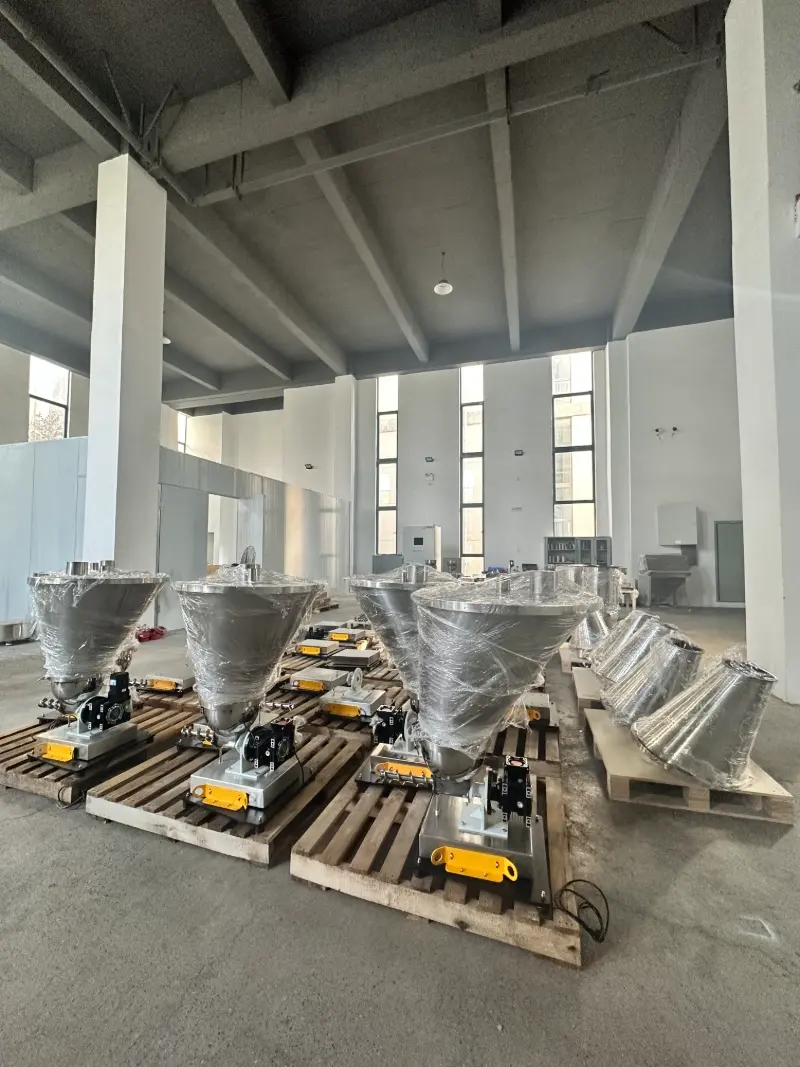
The Science Behind Double Screw Loss-In-Weight Feeders
Understanding the Loss-In-Weight PrincipleWhy Two Screws? The Physics of Material FlowThe Self-Wiping MechanismMitigating PulsationTechnological Comparisons in Material DosingApplication Scenarios and Industry ImpactPlastics and Compoun...
14/07/2026
-
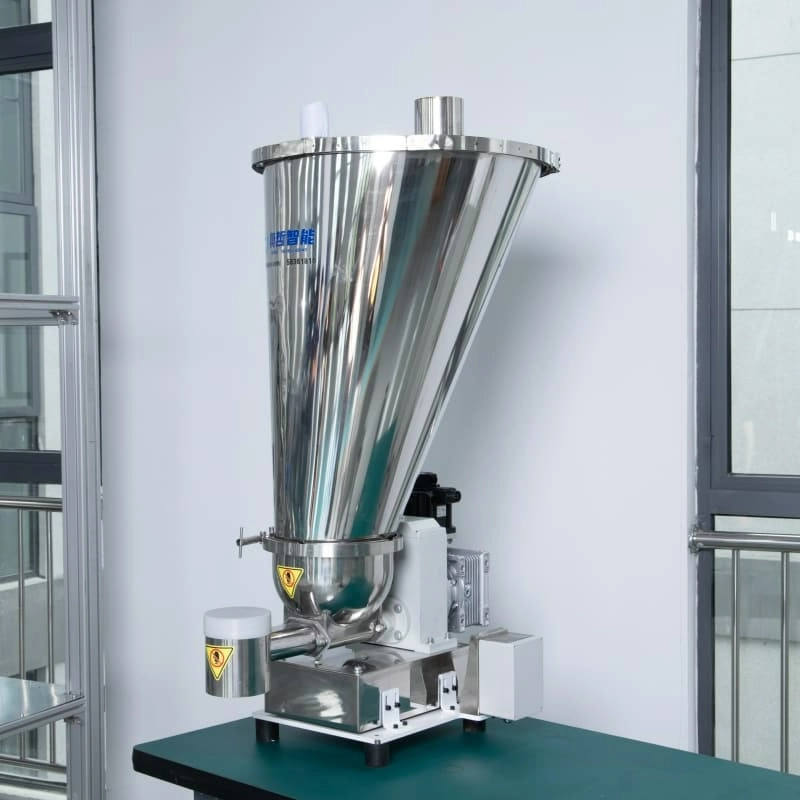
The Future of Gravimetric Feeding: Innovations from a Premier Loss-in-Weight Feeders Factory
Conclusion: Partnering with a cutting-edge loss-in-weight feeders factory is the definitive step for manufacturers aiming to achieve uncompromising dosing accuracy and material efficiency. Modern gravimetric systems serve as the backbon...
10/07/2026
-
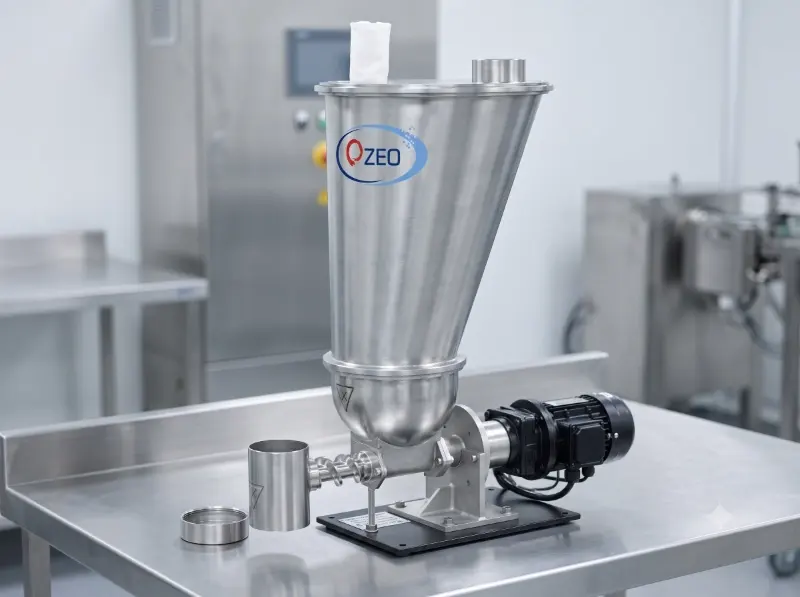
Essential Maintenance Tips for Single Screw Feeders
Conclusion: Rigorous maintenance of single-screw feeders is absolutely essential for maximizing operational efficiency and equipment longevity. These systems act as the heart of material dosing; without a disciplined upkeep strategy, ma...
02/07/2026
-
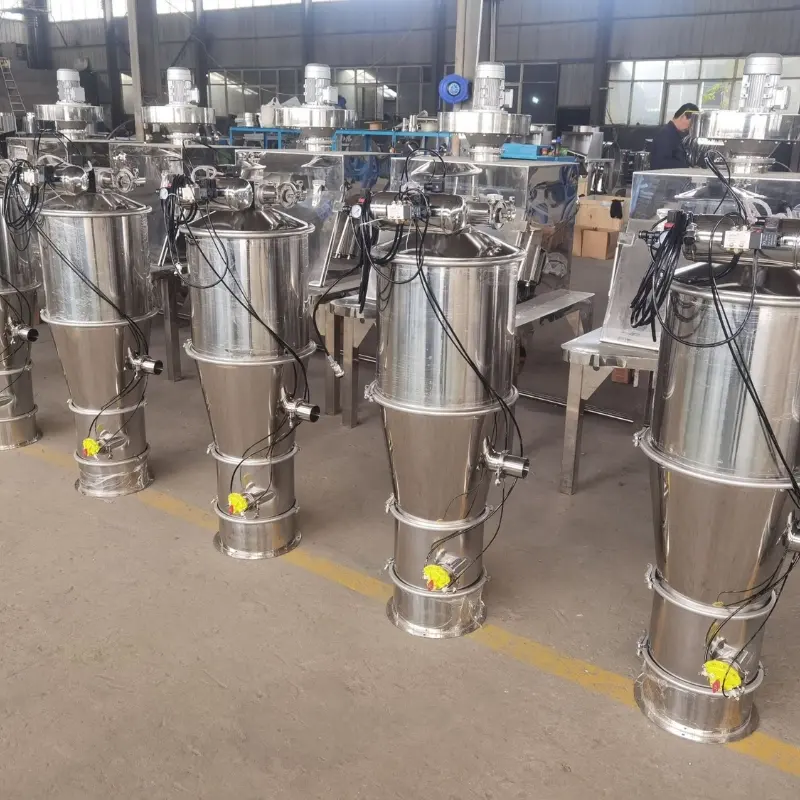
Top 5 Benefits of Using Loss-in-Weight Screw Feeders in Industrial Applications
Direct answer: Using loss-in-weight screw feeders provides industrial facilities with unparalleled operational advantages by increasing feed rate accuracy to ±0.25%, drastically reducing costly material waste, automatically adjusting to...
30/06/2026
-
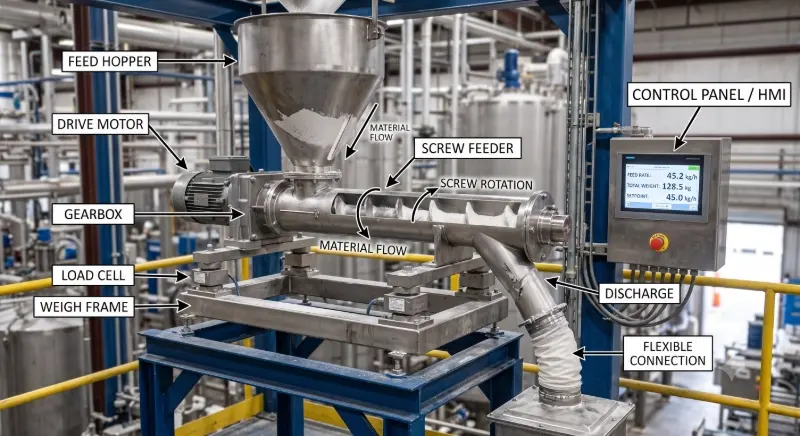
How Loss-in-Weight Screw Feeders Improve Accuracy in Material Handling?
Direct answer: Loss-in-weight screw feeders improve accuracy in material handling by continuously monitoring weight reduction in real-time and adjusting motor speeds automatically, which ensures an exact mass flow rate with accuracies u...
03/06/2026

-
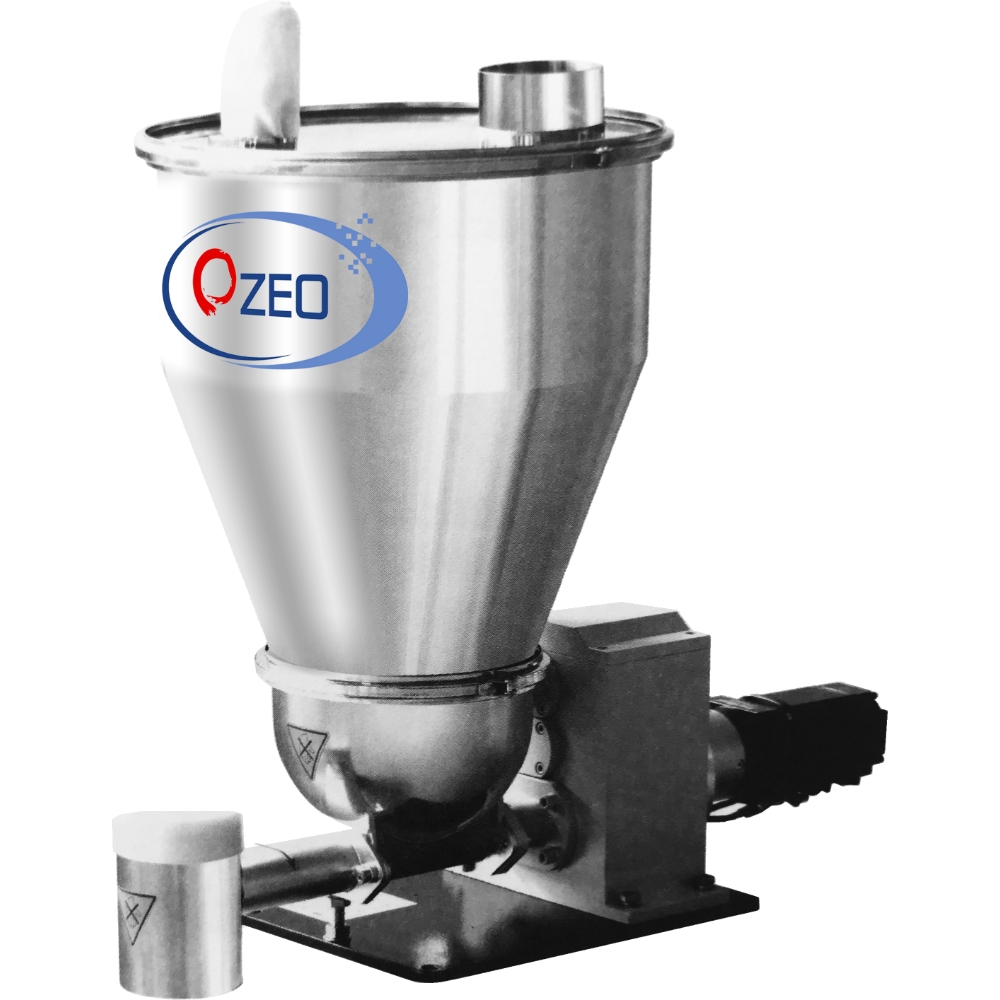
- High-performance Single Screw Loss-In-Weight Feeder Granular Material Feeder for Extrusion
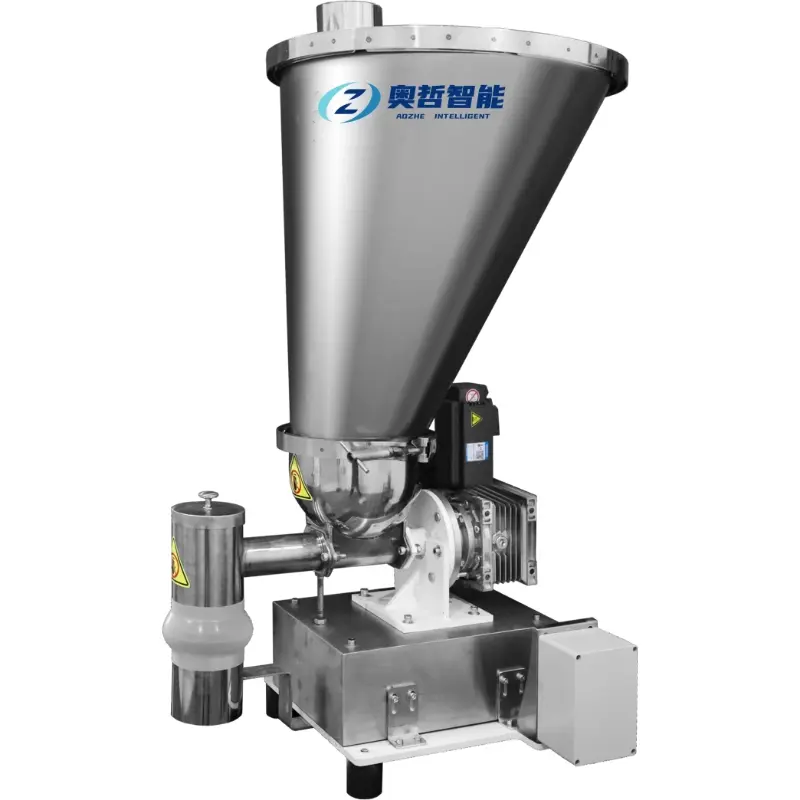
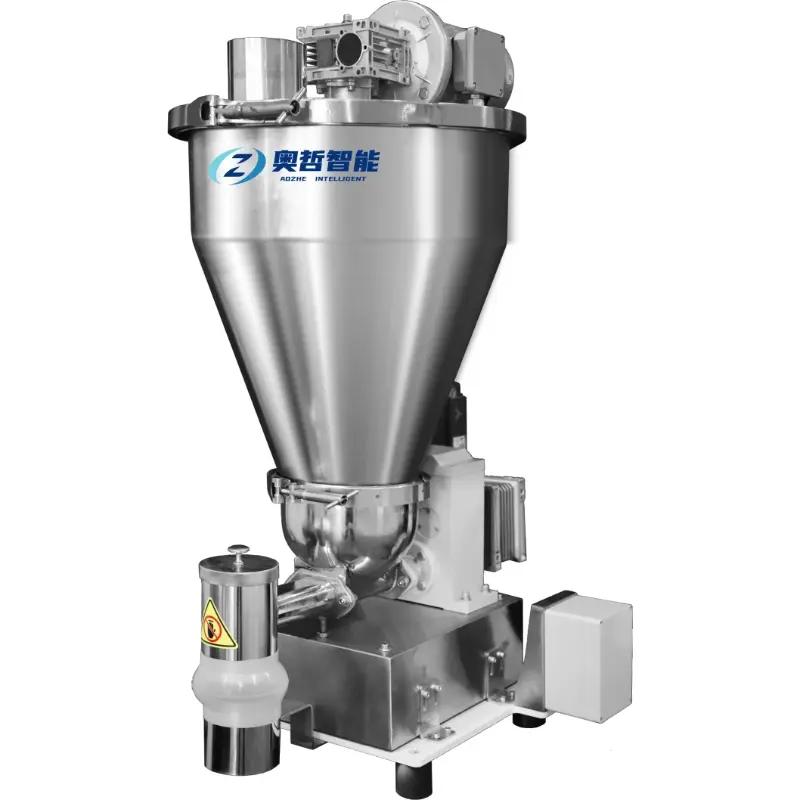
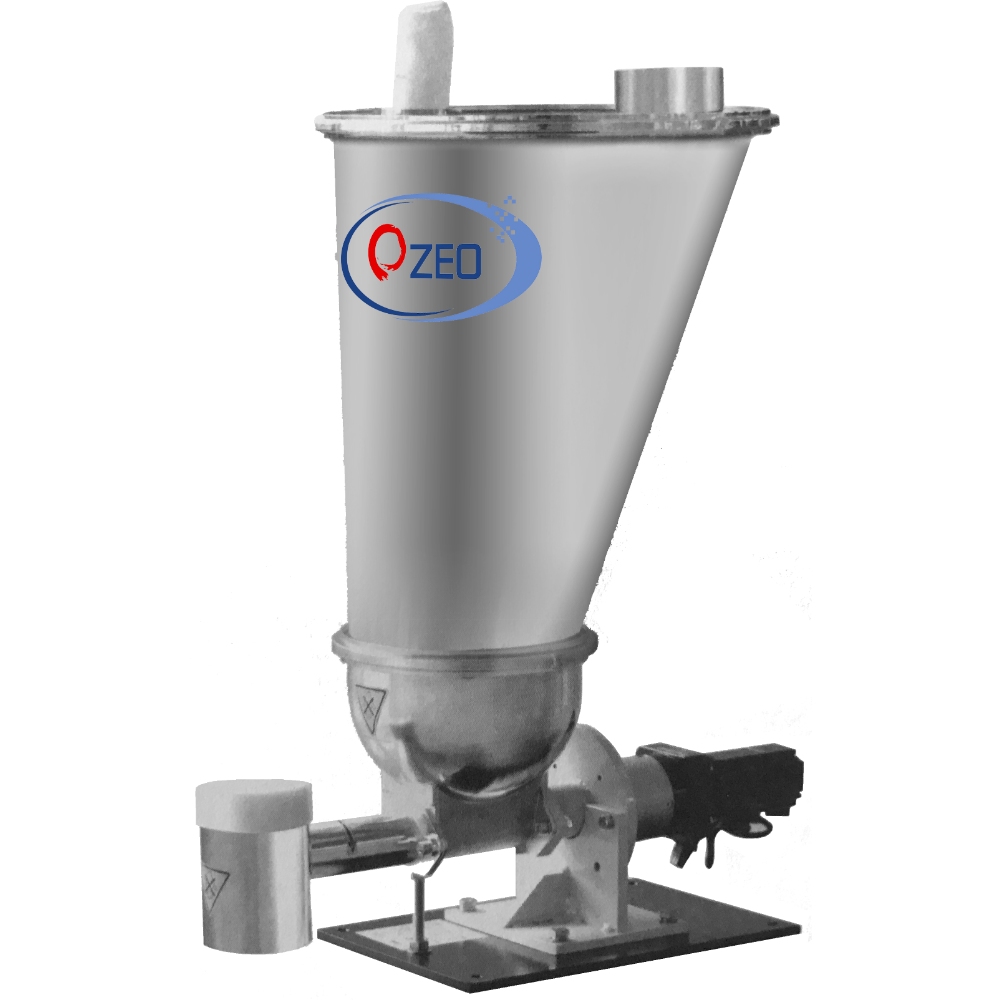
- High-accuracy Double Screw Loss-In-Weight Feeder Additive Feeder for Extrusion
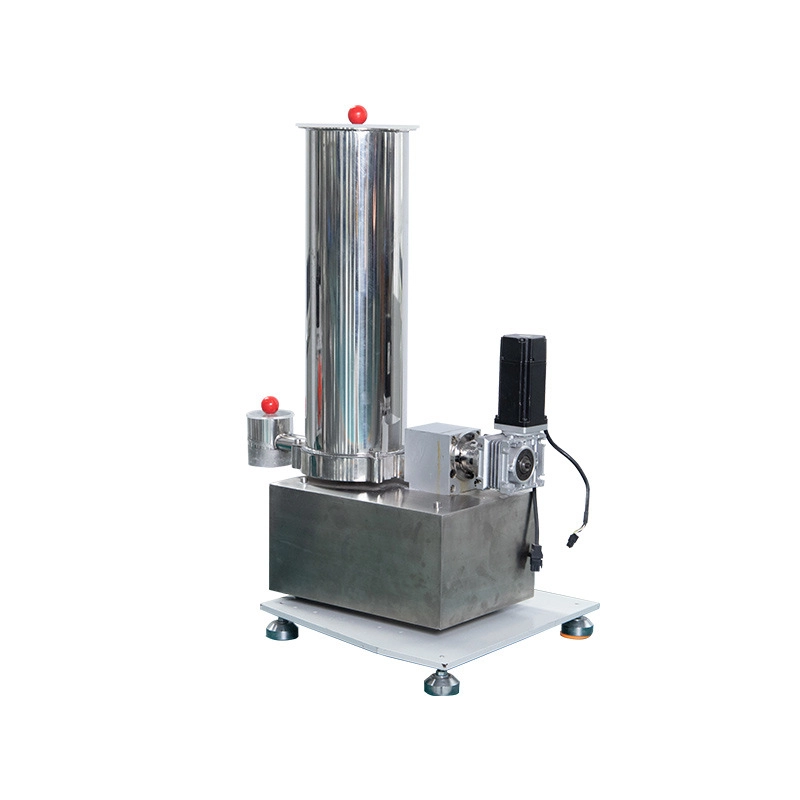
- Accurate Micro-flow Loss-In-Weight Feeder Material Feeder for Lab
- Efficient Double Screw Volumetric Feeder for Industrial Material Handling Solutions
- Reliable Single Screw Volumetric Feeder for Material Feeding System
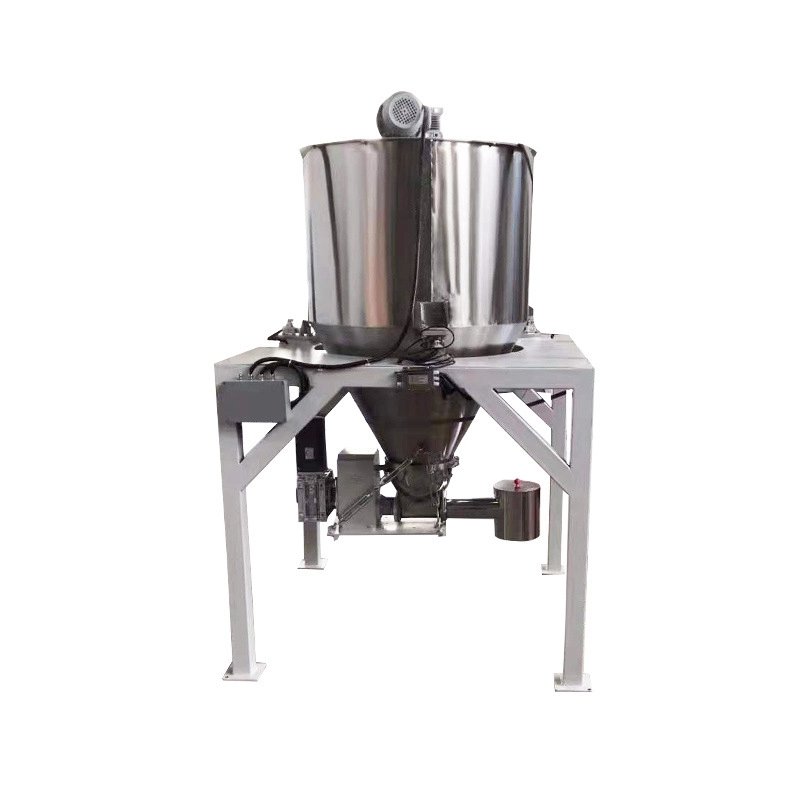
- Automatic Large-flow Loss-In-Weight Feeder Precise Dosing for Chemical Processing
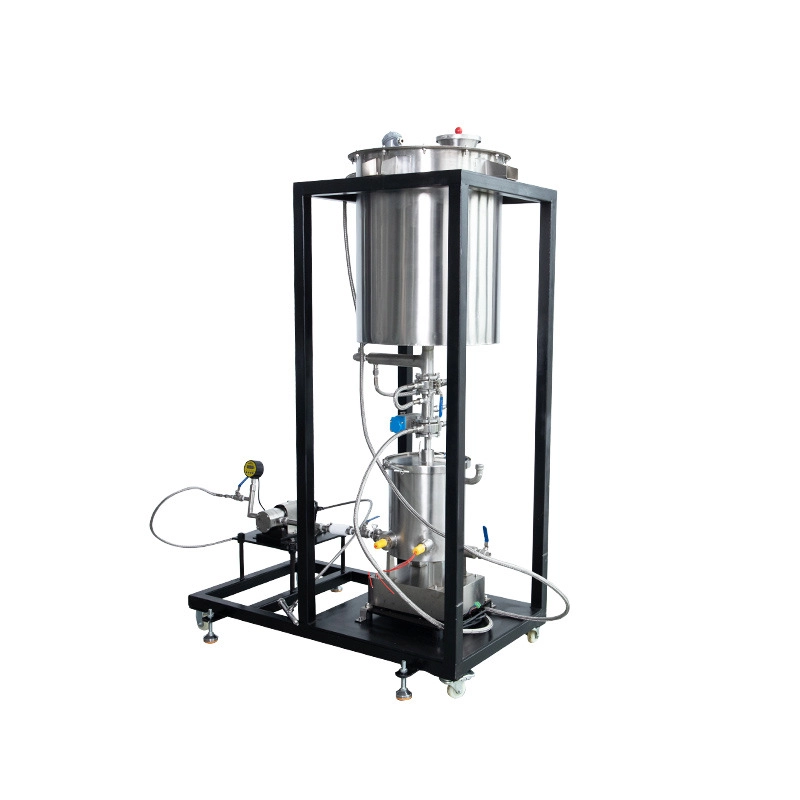
- Innovative Liquid Loss-In-Weight Feeder for Chemical Industry
-
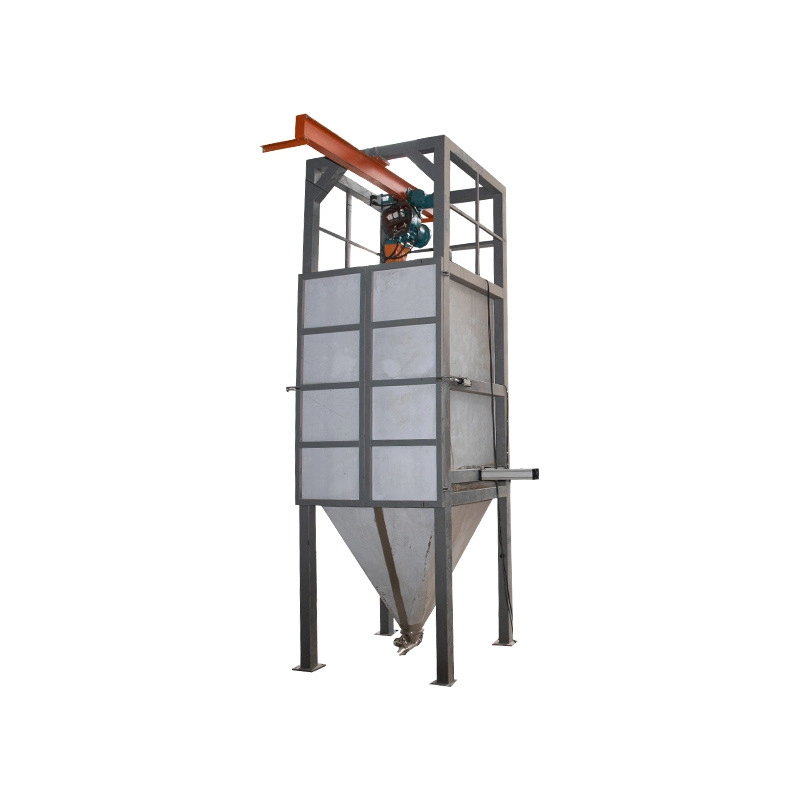
- Heavy-duty Ton Bag Unloader Bulk Material Unloading in Factories
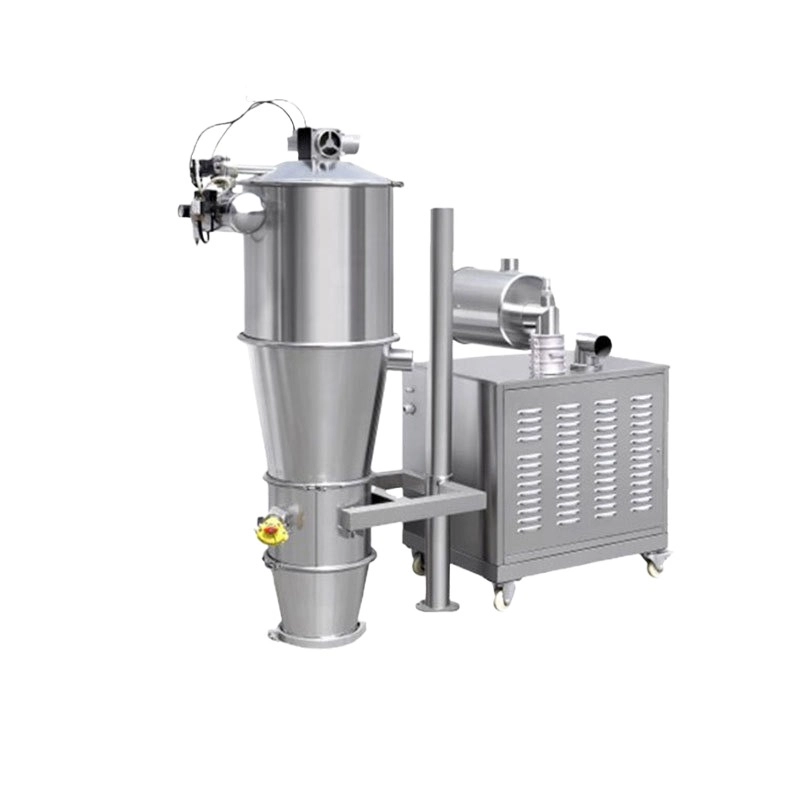
- Efficient Vacuum Conveyor for Powder Product Conveying
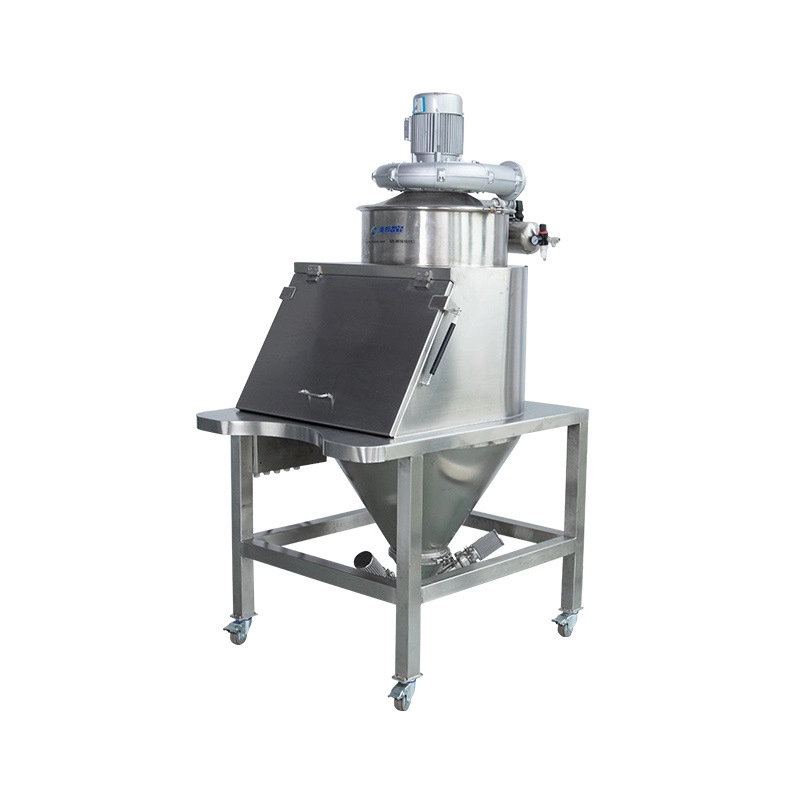
- Durable Small Bag Unloader for Powder Handling for Dust Free Environment