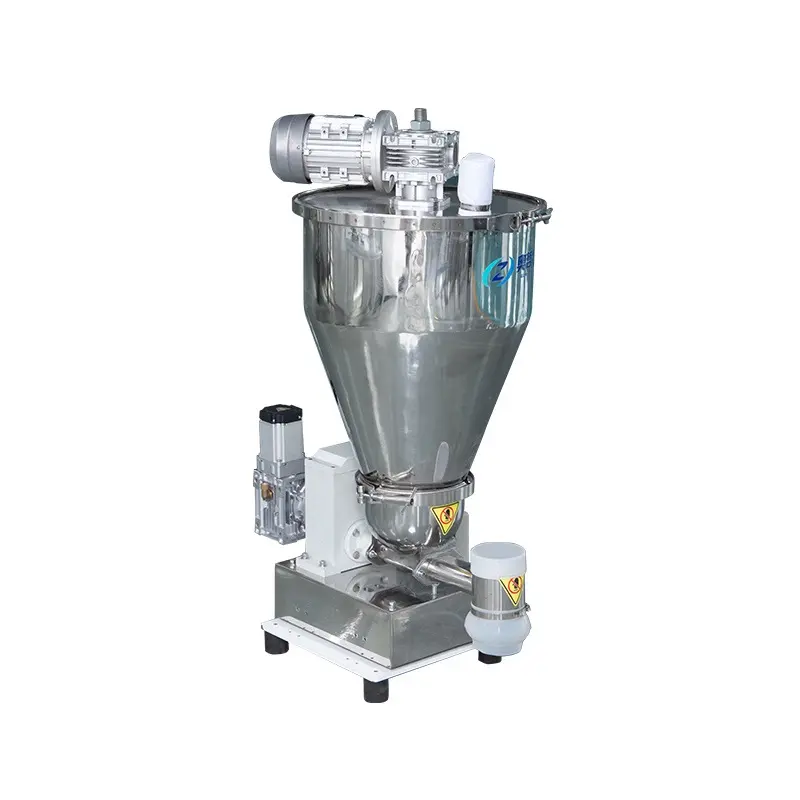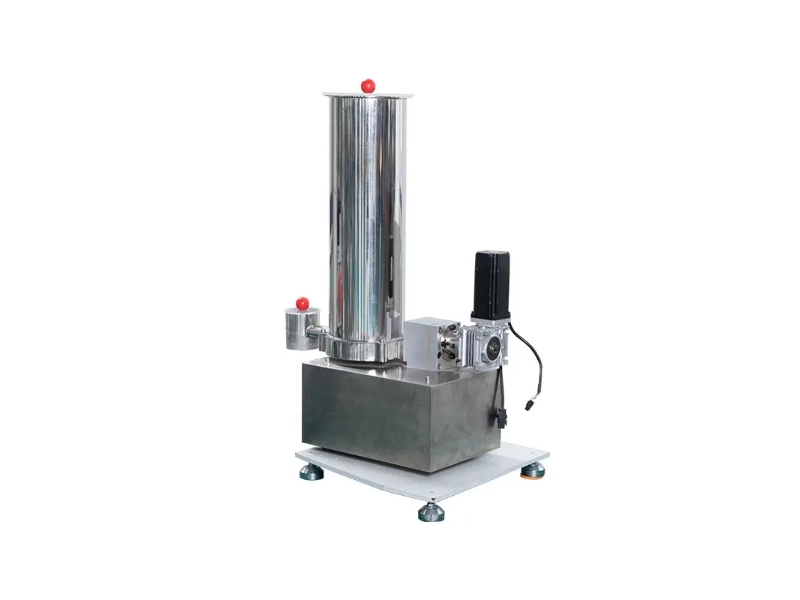


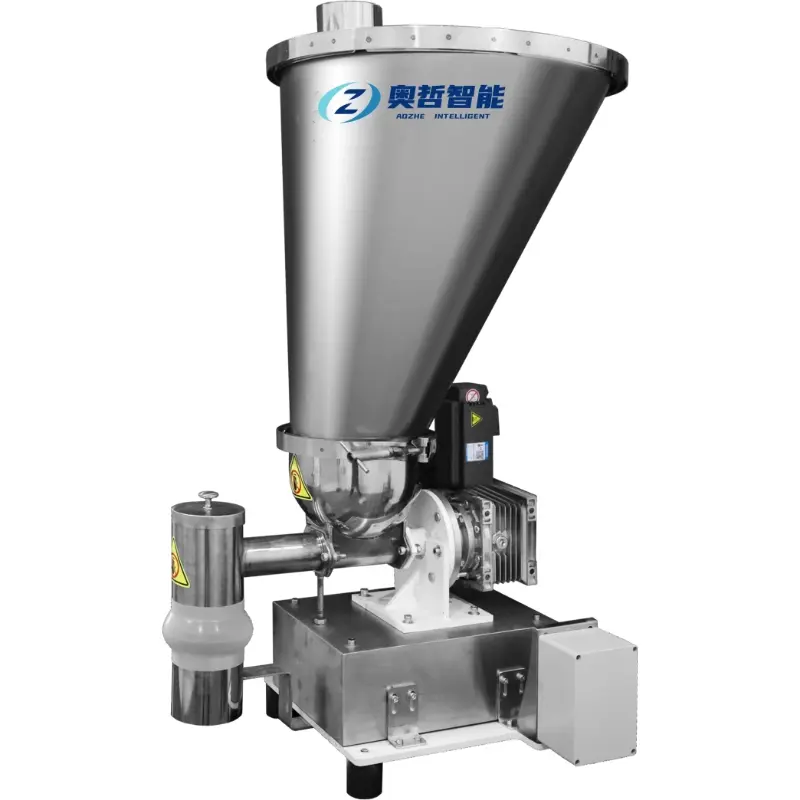
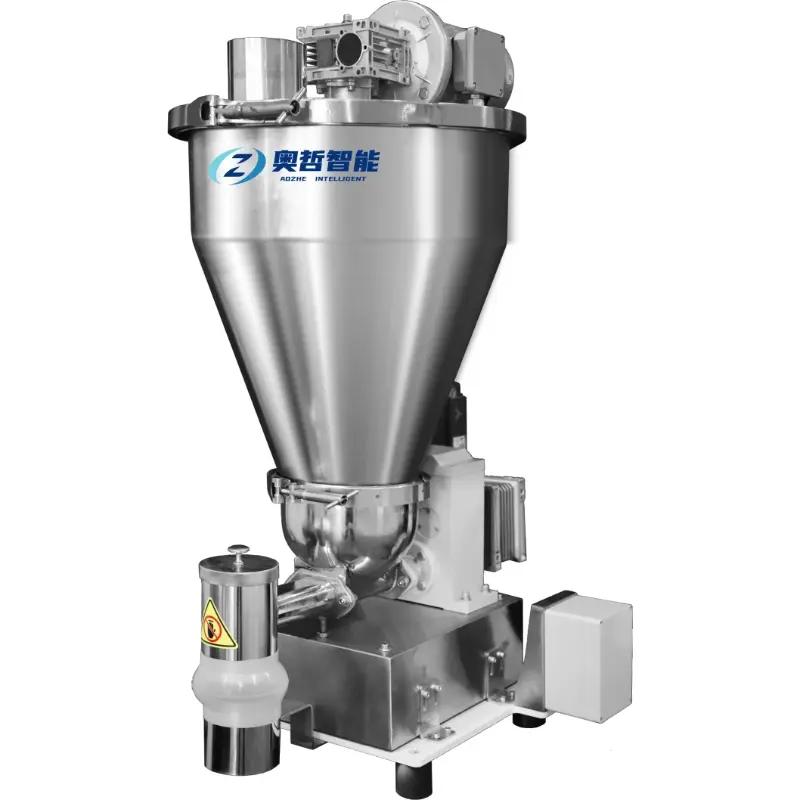

The Future of Gravimetric Feeding: Innovations from a Premier Loss-in-Weight Feeders Factory
Release time: 2026-07-10
Conclusion: Partnering with a cutting-edge loss-in-weight feeders factory is the definitive step for manufacturers aiming to achieve uncompromising dosing accuracy and material efficiency. Modern gravimetric systems serve as the backbone of smart factories, providing real-time data and automated flow regulation. Data shows that transitioning to advanced weight-loss technology reduces material waste by over 30% while simultaneously increasing throughput consistency by 40% compared to traditional volumetric methods in high-speed production environments.
Table of Contents
The Evolution of Precision Dosing
In the current landscape of industrial manufacturing, the demand for high-precision material dosing has never been higher. As production lines become faster and ingredient costs continue to rise, the ability to control material flow with sub-percentage accuracy is no longer a luxury—it is a competitive necessity. Gravimetric feeding has emerged as the gold standard, replacing estimation with weight-based truth.
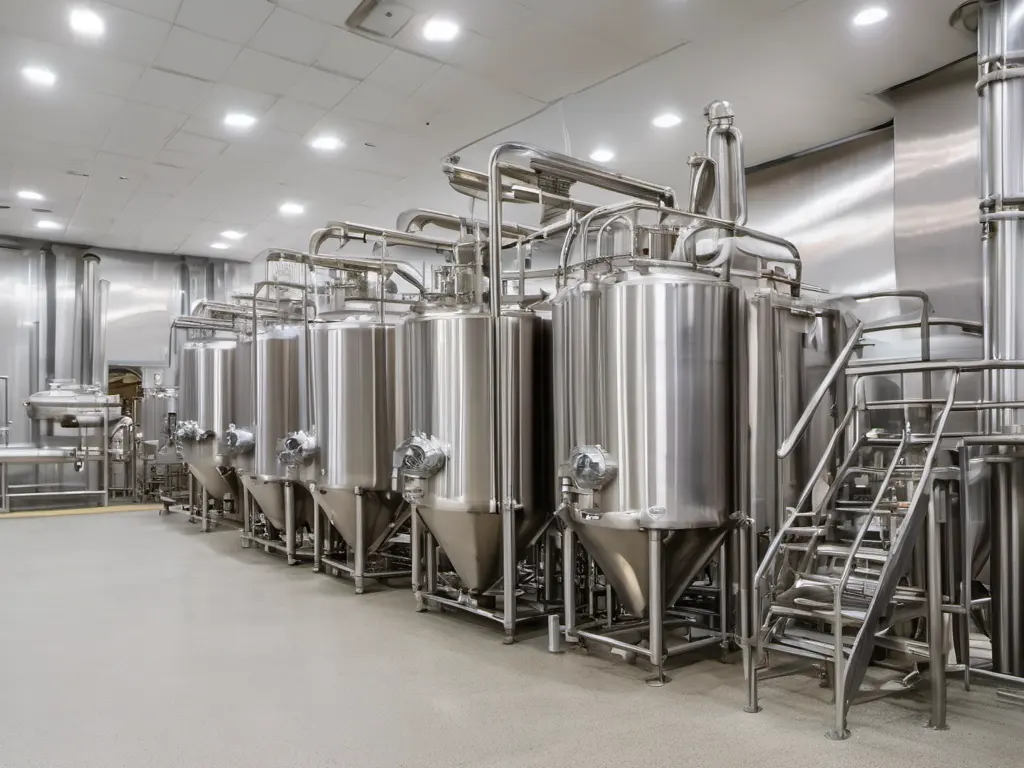
When evaluating your production infrastructure, it is vital to understand that the machinery is only as good as the engineering behind it. A premier loss-in-weight feeder manufacturer does not just build hardware; they provide comprehensive solutions that account for material characteristics, environmental stressors, and the need for seamless integration with existing PLC systems.
Defining Quality in Industrial Feeders
At Awesome, we prioritize the shift toward smart manufacturing, where every component is designed for predictive reliability. A sophisticated feeding system requires more than just a rugged build; it demands automated ingredient feeding solutions that can adapt to changing material density, moisture levels, and flow patterns without requiring constant human intervention.
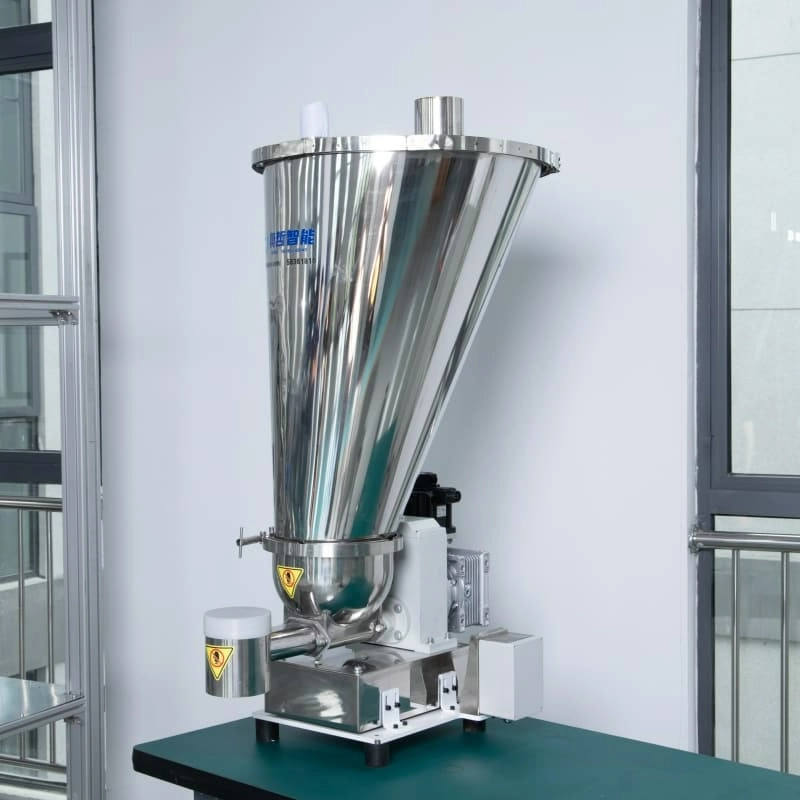
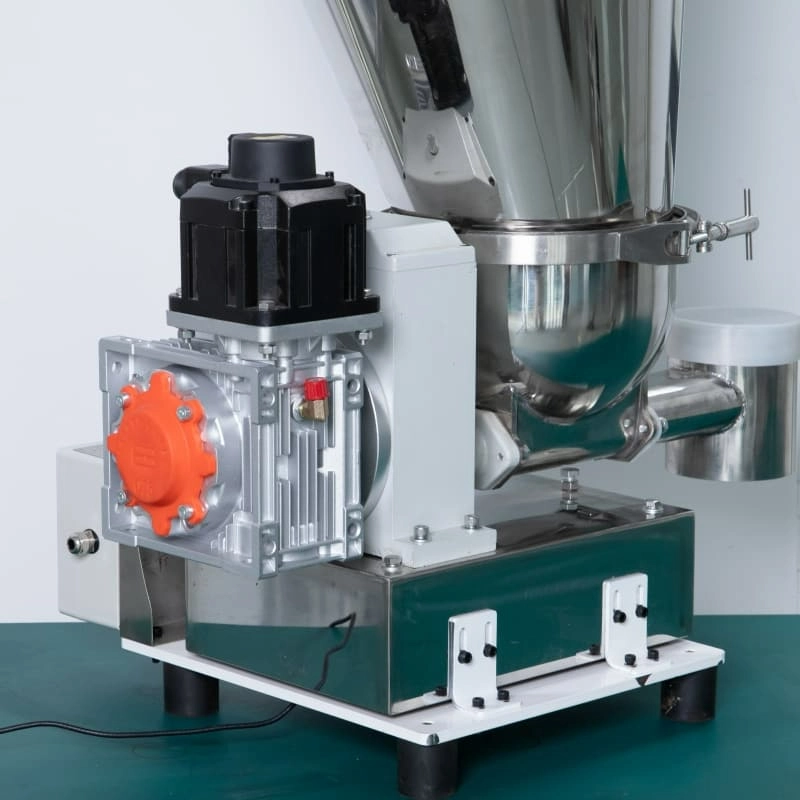
Comparison: Volumetric vs. Gravimetric Systems
To understand why gravimetric systems are gaining dominance, we must look at how they compare to traditional volumetric methods.
| Feature | Volumetric Feeders | Gravimetric (Loss-in-Weight) Feeders |
| Accuracy | Varies with bulk density | High, real-time weight verification |
| Control | Speed-based (RPM) | Mass-flow rate-based (kg/hr) |
| Data Feedback | None | Continuous, real-time logging |
| Waste Reduction | Low potential | Significant (High precision) |
| Best Used For | Consistent, free-flowing solids | Varied density/sticky powders |
Innovations in Modern Feeding Technology
The future of optimizing bulk solids handling lies in the integration of AI-driven control algorithms. As a specialized loss-in-weight feeders factory, the focus is increasingly on the “intelligence” of the feeder—its ability to self-calibrate and diagnose mechanical issues before they result in a stoppage.
Modern systems are now equipped with industrial weight-loss technology that compensates for vibrations from adjacent equipment, a common issue in high-output plants. By utilizing real-time mass flow control, these units ensure that the target recipe remains consistent, even when the hopper level drops or material characteristics shift mid-batch.
Scalability and Reliability
For large-scale operations, implementing smart manufacturing for chemical additives or food processing ingredients requires equipment that grows with the facility. Investing in modular, high-capacity units allows for easier maintenance and faster cleanup, which is critical for minimizing downtime. Furthermore, precision gravimetric feeding systems are becoming increasingly compact, allowing engineers to retrofit existing lines with superior technology without requiring a complete redesign of the facility floor.
By prioritizing these advanced technical features, Awesome ensures that your production lines remain agile, compliant, and cost-effective. As we look ahead, the integration of IoT-enabled monitoring will further solidify the role of loss-in-weight feeders as the most reliable, data-rich component in the modern industrial arsenal.
Frequently Asked Questions (FAQ)
How do Loss-in-Weight Feeders handle material bridging or ratholing?
Advanced systems utilize integrated agitation solutions, such as internal agitators or external mass-flow vibration, which are synchronized with the feed rate to prevent material stagnation. The control logic automatically adjusts to these flow conditions to maintain accurate discharge weights.
Is it difficult to integrate new gravimetric feeders into an existing PLC system?
Modern feeding units are designed for seamless integration. Leading manufacturers use standard communication protocols (such as Ethernet/IP, Profinet, or Modbus) to ensure that the feeder can easily “talk” to your existing plant-wide control systems, making the transition to weight-loss technology smooth and efficient.
Why should I choose gravimetric over volumetric feeders for my application?
While volumetric feeders are cost-effective, they lack the ability to compensate for changes in bulk density. If your raw materials vary even slightly, volumetric feeders will drift from your target setpoint, leading to quality issues. Gravimetric feeders solve this by continuously weighing the material, ensuring your product recipe stays within strict tolerance levels regardless of material fluctuations.