


Die Zukunft der gravimetrischen Fütterung: Innovationen eines führenden Herstellers von gravimetrischen Dosiergeräten
Veröffentlichungsdatum: 10.07.2026
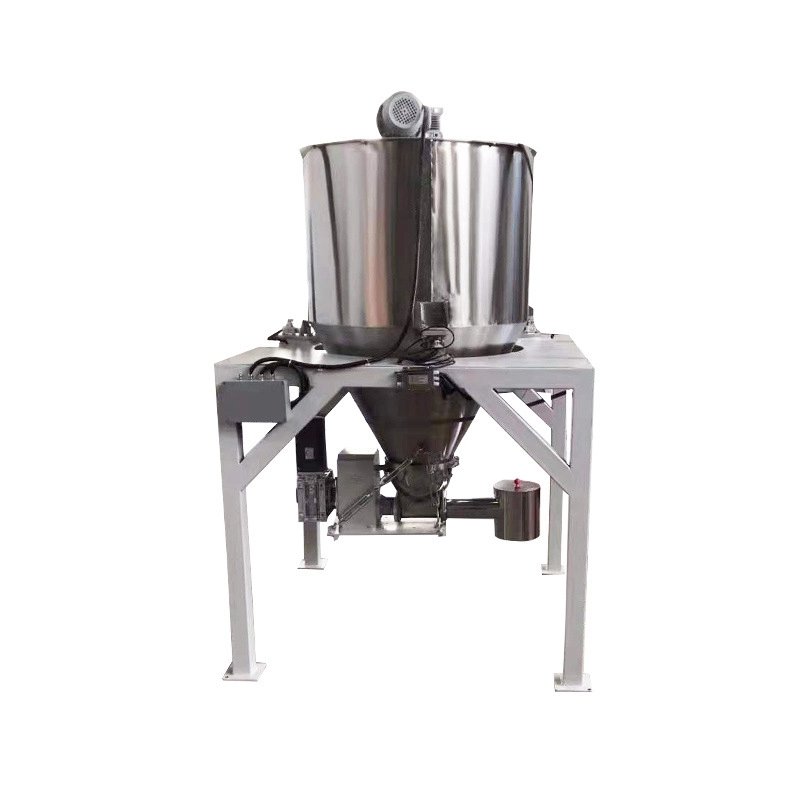
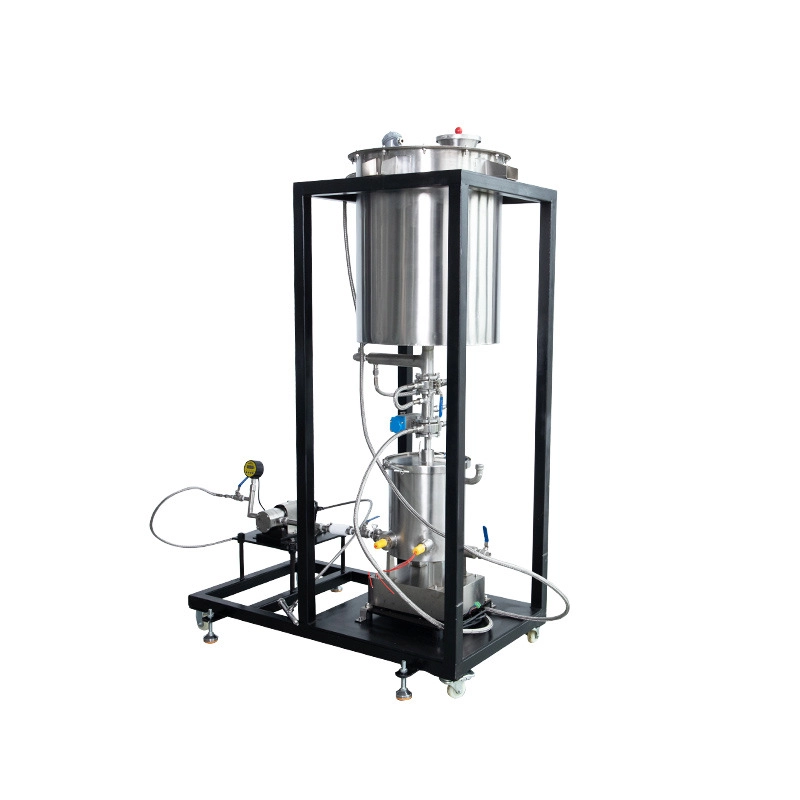
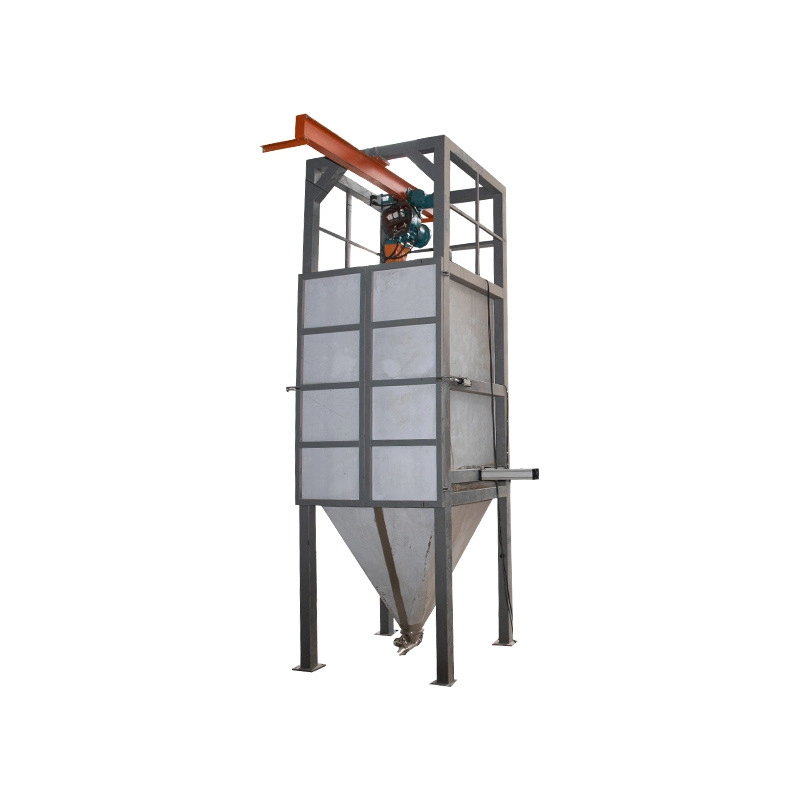
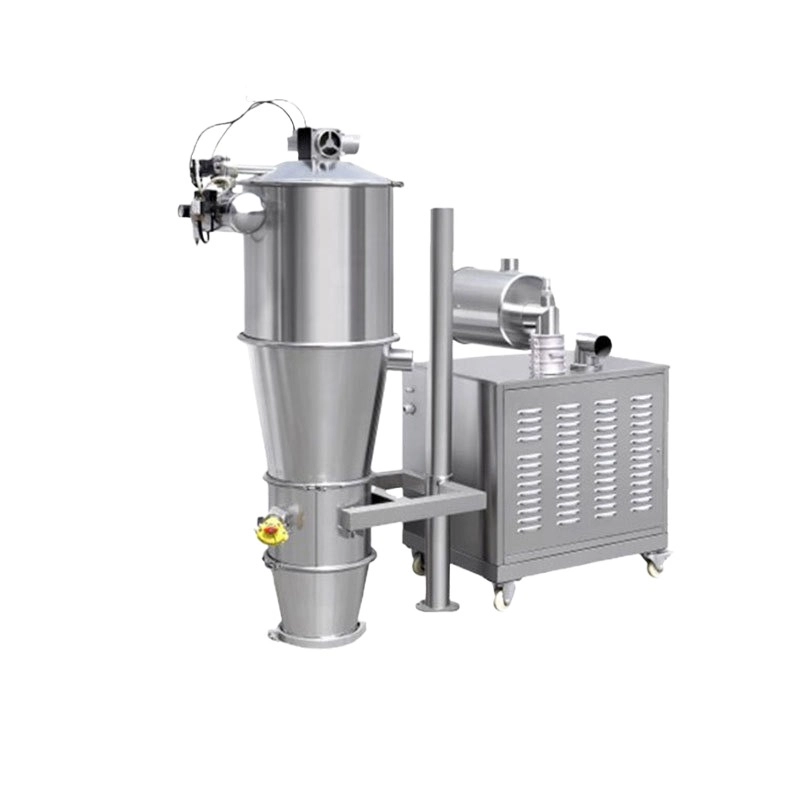
Abschluss: Partnerschaft mit einem innovativen Fabrik für Dosiergeräte mit Gewichtsverlustmessung Dies ist der entscheidende Schritt für Hersteller, die höchste Dosiergenauigkeit und Materialeffizienz anstreben. Moderne gravimetrische Systeme bilden das Rückgrat intelligenter Fabriken und liefern Echtzeitdaten sowie eine automatisierte Durchflussregelung. Daten belegen, dass die Umstellung auf fortschrittliche Gewichtsverlusttechnologie den Materialverlust um über 30¹³ Tonnen reduziert und gleichzeitig die Durchsatzkonstanz im Vergleich zu herkömmlichen volumetrischen Methoden in Hochgeschwindigkeitsproduktionsumgebungen um 40¹³ Tonnen erhöht.
Inhaltsverzeichnis
Die Evolution der Präzisionsdosierung
In der gegenwärtigen Landschaft der industriellen Fertigung ist die Nachfrage nach hochpräzise Materialdosierung Die Anforderungen waren noch nie so hoch. Angesichts immer schnellerer Produktionslinien und stetig steigender Rohstoffkosten ist die präzise Steuerung des Materialflusses im Subprozentbereich kein Luxus mehr, sondern eine Wettbewerbsnotwendigkeit. Die gravimetrische Dosierung hat sich als Goldstandard etabliert und ersetzt Schätzungen durch gewichtsbasierte Genauigkeit.
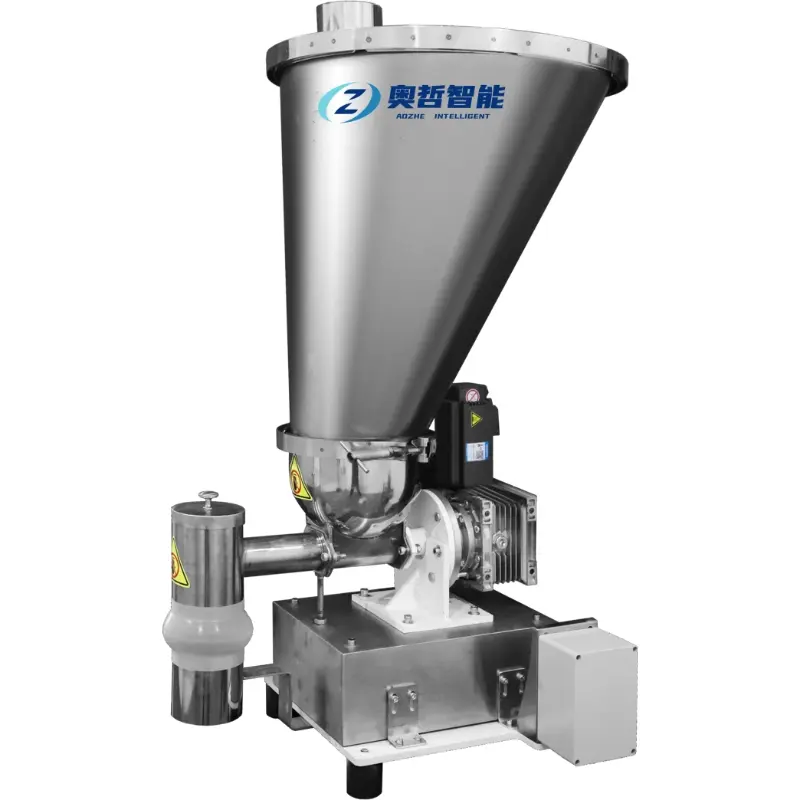
Bei der Bewertung Ihrer Produktionsinfrastruktur ist es unerlässlich zu verstehen, dass die Maschinen nur so gut sind wie die dahinterstehende Ingenieursleistung. Ein erstklassiges Hersteller von Dosiergeräten mit Gewichtsverlustmessung Sie bauen nicht nur Hardware; sie bieten umfassende Lösungen, die Materialeigenschaften, Umwelteinflüsse und die Notwendigkeit einer nahtlosen Integration in bestehende SPS-Systeme berücksichtigen.
Qualitätsdefinition bei industriellen Zuführungen
Bei Awesome legen wir Wert auf den Wandel hin zu intelligenter Fertigung, bei der jede Komponente auf vorhersagbare Zuverlässigkeit ausgelegt ist. Ein ausgeklügeltes Zuführsystem erfordert mehr als nur eine robuste Bauweise; es verlangt automatisierte Lösungen zur Zutatenzuführung das sich ohne ständiges menschliches Eingreifen an veränderliche Materialdichte, Feuchtigkeitsgehalte und Strömungsmuster anpassen kann.
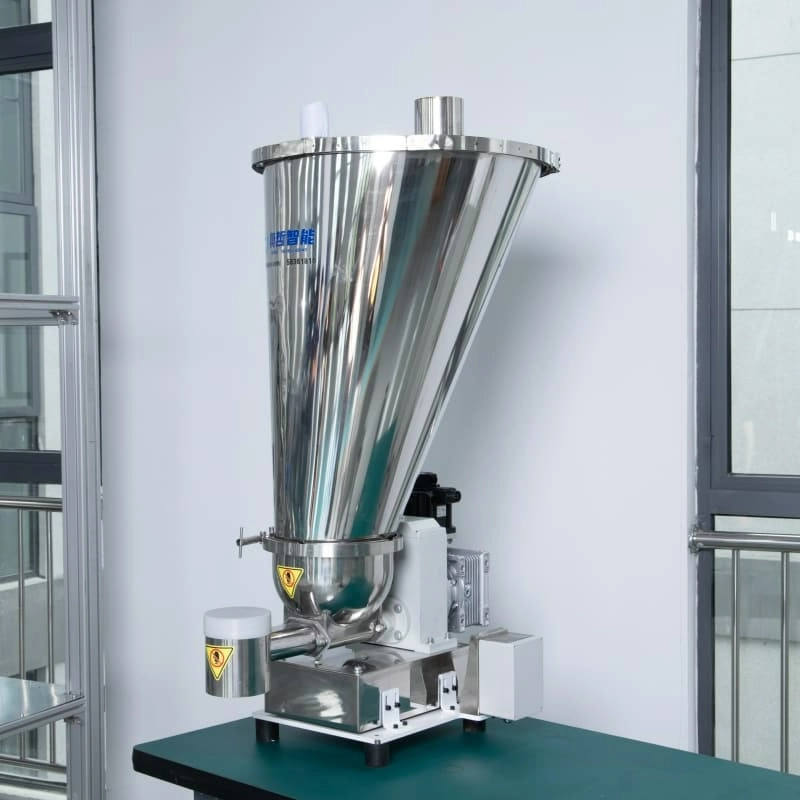
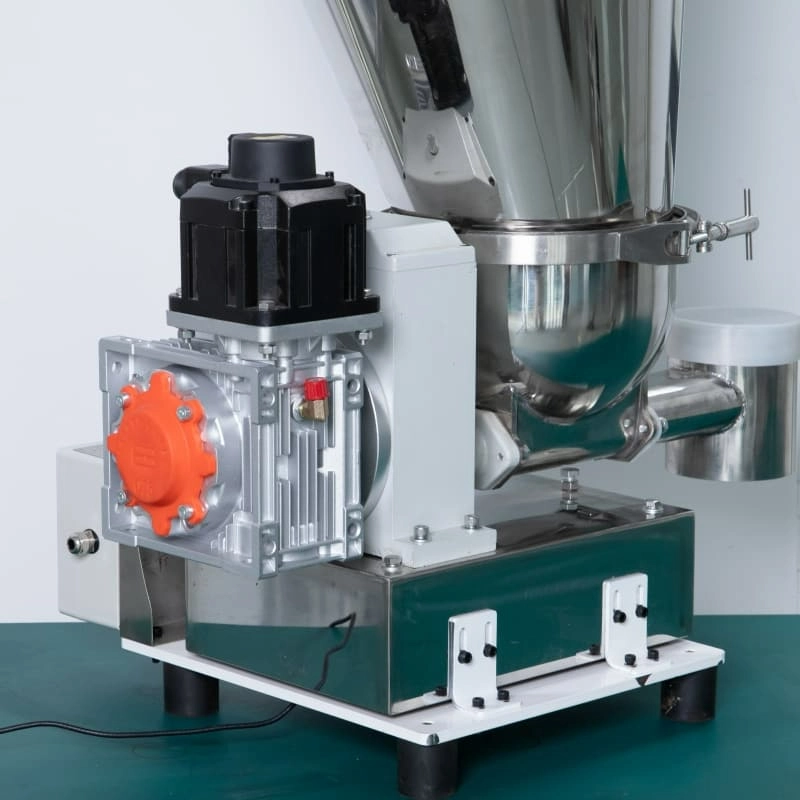
Vergleich: Volumetrische vs. gravimetrische Systeme
Um zu verstehen, warum gravimetrische Systeme immer dominanter werden, müssen wir sie mit traditionellen volumetrischen Methoden vergleichen.
| Besonderheit | Volumetrische Zuführungen | Gravimetrische (Gewichtsverlust-)Dosierer |
| Genauigkeit | Variiert mit der Schüttdichte | Hohe, Echtzeit-Gewichtsüberprüfung |
| Kontrolle | Drehzahlbasiert (U/min) | Massenstrombasiert (kg/h) |
| Daten-Feedback | Keiner | Kontinuierliche Echtzeitprotokollierung |
| Abfallvermeidung | Geringes Potenzial | Signifikant (Hohe Präzision) |
| Am besten geeignet für | Gleichmäßige, rieselfähige Feststoffe | Pulver mit unterschiedlicher Dichte/klebriger Konsistenz |
Innovationen in der modernen Fütterungstechnologie
Die Zukunft von Optimierung der Schüttguthandhabung liegt in der Integration KI-gesteuerter Regelungsalgorithmen. Als spezialisierter Fabrik für Dosiergeräte mit Gewichtsverlustmessung, Der Fokus liegt zunehmend auf der “Intelligenz” der Zuführanlage – ihrer Fähigkeit, sich selbst zu kalibrieren und mechanische Probleme zu diagnostizieren, bevor es zu einem Stillstand kommt.
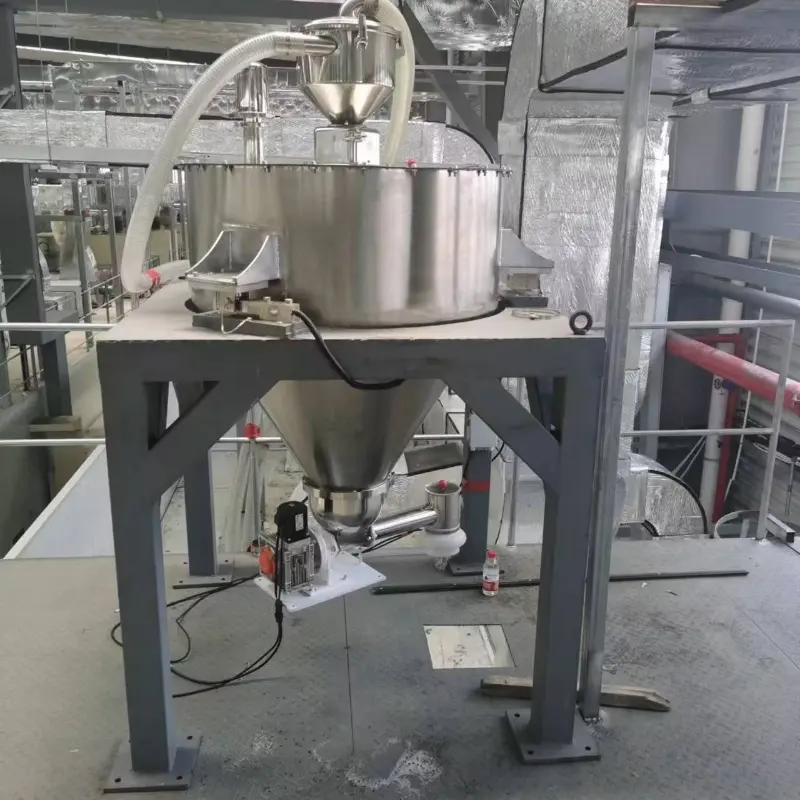
Moderne Systeme sind heutzutage ausgestattet mit industrielle Gewichtsreduktionstechnologie das Vibrationen von benachbarten Anlagen kompensiert, ein häufiges Problem in Anlagen mit hoher Produktionsleistung. Durch die Nutzung Echtzeit-Massenstromregelung, Diese Einheiten gewährleisten, dass die Zielrezeptur auch dann konstant bleibt, wenn der Füllstand im Trichter sinkt oder sich die Materialeigenschaften während der Charge ändern.
Skalierbarkeit und Zuverlässigkeit
Bei groß angelegten Operationen ist die Implementierung erforderlich. Intelligente Fertigung für chemische Zusatzstoffe Die Verarbeitung von Lebensmittelzutaten erfordert Anlagen, die mit dem Betrieb mitwachsen. Investitionen in modulare, leistungsstarke Einheiten ermöglichen eine einfachere Wartung und schnellere Reinigung, was entscheidend zur Minimierung von Ausfallzeiten ist. Darüber hinaus, Präzisions-Gravimetrie-Zuführsysteme Sie werden immer kompakter, sodass Ingenieure bestehende Anlagen mit überlegener Technologie nachrüsten können, ohne dass eine komplette Neugestaltung der Produktionshalle erforderlich ist.
Durch die Priorisierung dieser fortschrittlichen technischen Funktionen stellt Awesome sicher, dass Ihre Produktionslinien agil, regelkonform und kosteneffizient bleiben. Mit Blick auf die Zukunft wird die Integration von IoT-fähiger Überwachung die Rolle von Awesome weiter festigen. Differentialdosierer als die zuverlässigste und datenreichste Komponente im modernen Industriearsenal.
Häufig gestellte Fragen (FAQ)
Wie gehen Dosiergeräte mit Materialbrückenbildung oder Hohlraumbildung um?
Moderne Systeme nutzen integrierte Rührlösungen, wie z. B. interne Rührwerke oder externe Massenstromvibrationen, die mit der Zufuhrrate synchronisiert sind, um Materialstagnation zu verhindern. Die Steuerungslogik passt sich automatisch an diese Durchflussbedingungen an, um präzise Austragsgewichte zu gewährleisten.
Ist es schwierig, neue gravimetrische Dosiergeräte in ein bestehendes SPS-System zu integrieren?
Moderne Dosieranlagen sind auf nahtlose Integration ausgelegt. Führende Hersteller verwenden Standard-Kommunikationsprotokolle (wie Ethernet/IP, Profinet oder Modbus), um sicherzustellen, dass die Dosieranlage problemlos mit Ihren bestehenden anlagenweiten Steuerungssystemen kommunizieren kann. Dies ermöglicht einen reibungslosen und effizienten Übergang zur Gewichtsreduktionstechnologie.
Warum sollte ich für meine Anwendung gravimetrische statt volumetrische Dosiergeräte wählen?
Volumetrische Dosierer sind zwar kostengünstig, können aber Schwankungen der Schüttdichte nicht ausgleichen. Schon geringfügige Abweichungen der Rohstoffe führen zu Abweichungen vom Sollwert und damit zu Qualitätsproblemen. Gravimetrische Dosierer lösen dieses Problem durch kontinuierliches Wiegen des Materials und gewährleisten so, dass die Produktrezeptur unabhängig von Materialschwankungen innerhalb strenger Toleranzgrenzen bleibt.