





Essential Maintenance Tips for Single Screw Feeders
Release time: 2026-07-02
Conclusion: Rigorous maintenance of single-screw feeders is absolutely essential for maximizing operational efficiency and equipment longevity. These systems act as the heart of material dosing; without a disciplined upkeep strategy, manufacturers face catastrophic failure, inconsistent product quality, and excessive waste. Data shows that implementing a structured preventive maintenance program reduces unplanned downtime by over 50% in demanding industrial settings and extends component service life by 3–5 times compared to reactive, “fix-on-failure” approaches.
Table of Contents
The Foundation of Reliability: Preventive Maintenance
In the landscape of modern industrial processing, the reliability of your material handling equipment dictates the throughput and consistency of your entire production line. For facility managers and engineers, mastering the upkeep of these systems is the only path to high-quality output and minimized waste. When these systems operate at peak efficiency, the entire manufacturing process benefits from streamlined operations and predictable costs.
The most significant risk to any production line is unexpected failure. Establishing preventive maintenance schedules for powder handling is the most effective way to safeguard your capital investment. By addressing wear and tear before it becomes a critical failure, you can significantly lower the total cost of ownership. At Awesome, we believe that sophisticated engineering requires disciplined care. Proactive maintenance is not merely about fixing what is broken; it is about extending the lifespan of your assets and ensuring your dosing remains precise.
Routine Maintenance Checklist
To assist your maintenance team, we have compiled a recommended schedule for key components. Consistent monitoring prevents the compounding issues that often lead to total system failure.
| Frequency | Task | Focus Area |
| Daily | Visual Inspection | Check for leaks, vibrations, and unusual noises. |
| Weekly | Motor & Drive Check | Verify oil levels and check for overheating in the motor drive. |
| Monthly | Seal Inspection | Ensure seals are intact to prevent material leakage or contamination. |
| Quarterly | Calibration Audit | Verify flow rates to ensure calibration accuracy for feeding systems. |
| Annually | Internal Screw Audit | Check for flight thinning or structural damage on the screw. |
Optimizing for Performance and Precision
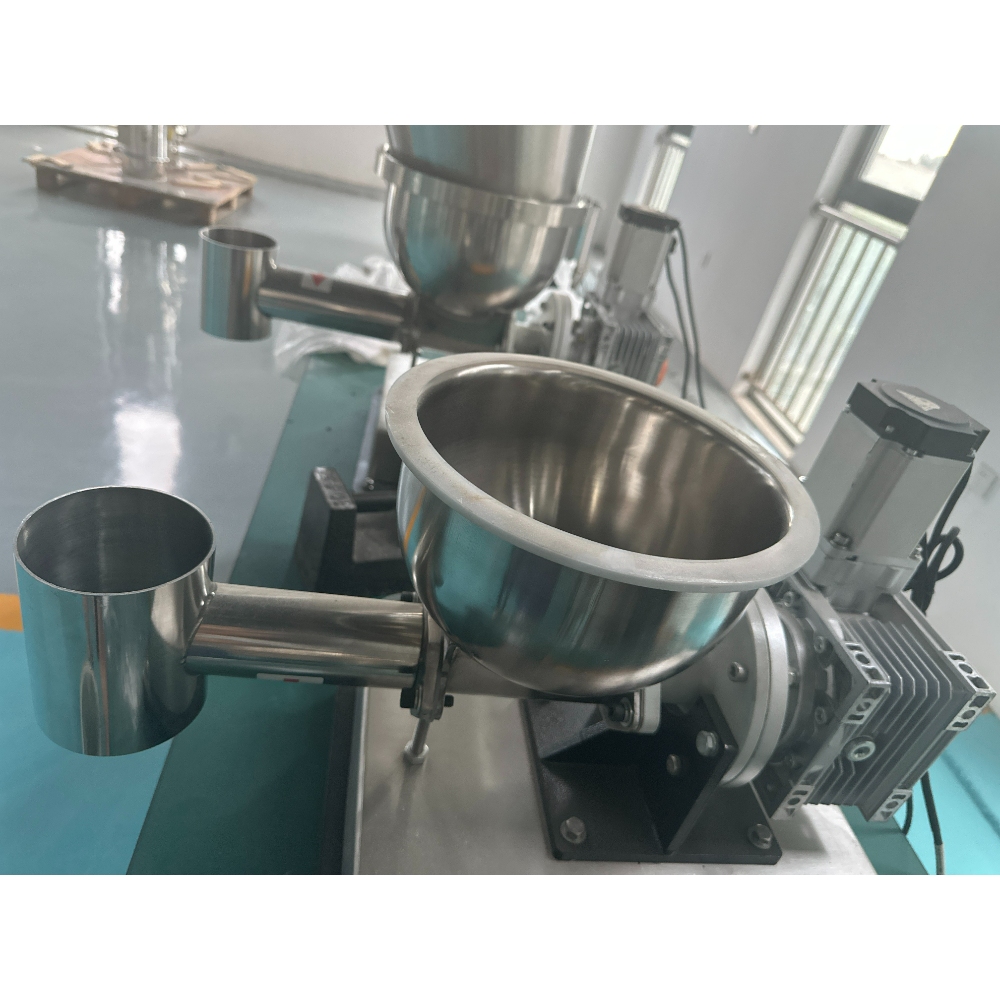
Achieving optimal performance for bulk solid feeders requires more than just a clean machine; it requires an environment where the equipment is optimized for the specific characteristics of the material being processed. Whether you are handling fine powders, sticky pastes, or granular additives, the interaction between the screw and the material is paramount.
Managing Flow Issues and Downtime
One of the most frequent challenges in material processing is material bridging or ratholing. Effective troubleshooting screw feeder flow issues involves analyzing the hopper design, the discharge geometry, and the screw profile. If flow becomes erratic, the immediate reaction is often to increase motor speed; however, a more surgical approach involves inspecting the agitation systems and ensuring the screw flight pitch is appropriate for the material’s bulk density.
Furthermore, reducing downtime in dosing operations can be achieved by utilizing integrated weigh-loss technology that alerts operators to deviations in real-time. Data-driven maintenance allows you to predict component fatigue before it disrupts the production cycle, a philosophy that Awesome champions in every installation.
Proactive Care for Critical Components
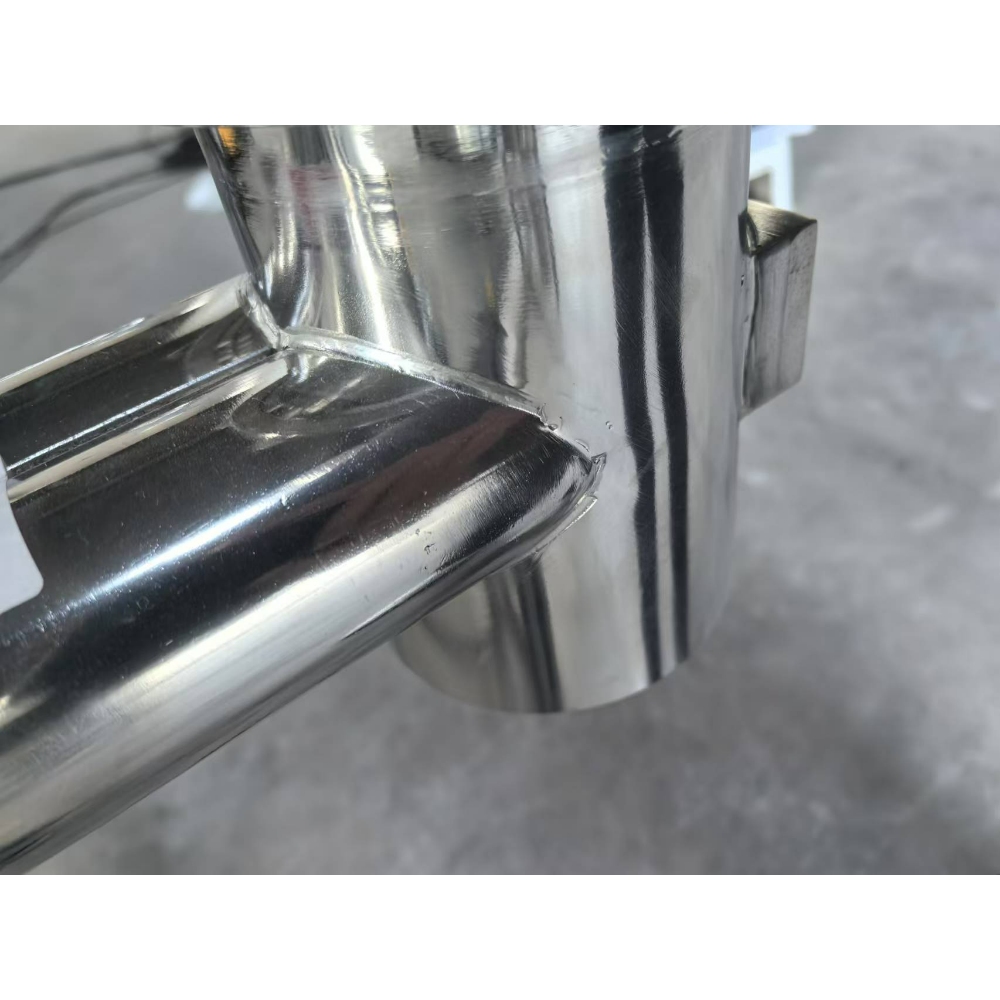
When it comes to the long-term reliability of solids handling units, the condition of the screw itself is the most critical factor. Over time, friction and abrasive materials will inevitably degrade the flighting of the screw.
Strategic Component Replacement
Ignoring the signs of wear will lead to inconsistent volumetric delivery. Replacing worn screw feeder components at the first sign of significant thinning or deformation is significantly cheaper than rectifying the resulting batch quality issues downstream. Always maintain a stock of critical spares, such as bushings, seals, and drive couplers, to keep your industrial material metering equipment running without lengthy interruptions.
By integrating these strategies into your daily operations, you ensure that your equipment remains a reliable asset rather than a liability. Whether you are seeking technical guidance or high-quality parts, Awesome is dedicated to helping you optimize your processing lines for the demands of the modern industry. Remember: a commitment to preventive care today prevents the costly emergency repairs of tomorrow.
Frequently Asked Questions (FAQ)
How often should I calibrate my feeding system to maintain accuracy?
For most high-precision industrial applications, we recommend a full calibration audit on a quarterly basis. However, if you have recently switched materials or noticed significant throughput fluctuations, an immediate recalibration is necessary to ensure the system remains within tolerance levels.
What are the most common signs that my screw feeder needs a major overhaul?
Common indicators include inconsistent flow rates, high motor current consumption, excessive vibration during operation, or noticeable leakage at the seal interfaces. If you observe these symptoms, it is advisable to inspect the screw flights and the drive assembly immediately.
Can I improve the throughput of my existing feeder without replacing the whole unit?
Often, yes. Throughput can frequently be enhanced by optimizing the screw pitch, adjusting the speed control logic, or incorporating a more efficient agitation system to facilitate better material flow. Consult with an engineering specialist to determine if your current configuration can be retrofitted for higher capacity.