


Applications of Double Screw Loss-In-Weight Feeders in Various Industries
Release time: 2026-07-30
Conclusion: Double screw loss-in-weight feeders have become the indispensable solution for modern continuous manufacturing, providing the exact precision, reliability, and self-cleaning mechanical action required to handle difficult, cohesive, and floodable powders across diverse sectors.
In today’s hyper-competitive global manufacturing ecosystem, the transition from traditional batch production to continuous processing is rapidly accelerating. Across diverse sectors, engineers and plant managers are under immense pressure to maximize throughput, minimize material waste, and guarantee uncompromised product quality. At the heart of achieving these stringent goals lies the necessity for high-precision bulk solid handling. Among the various technologies available, the double screw loss-in-weight (LIW) feeder has emerged as a cornerstone of modern industrial automation, capable of tackling the most complex material flow challenges.
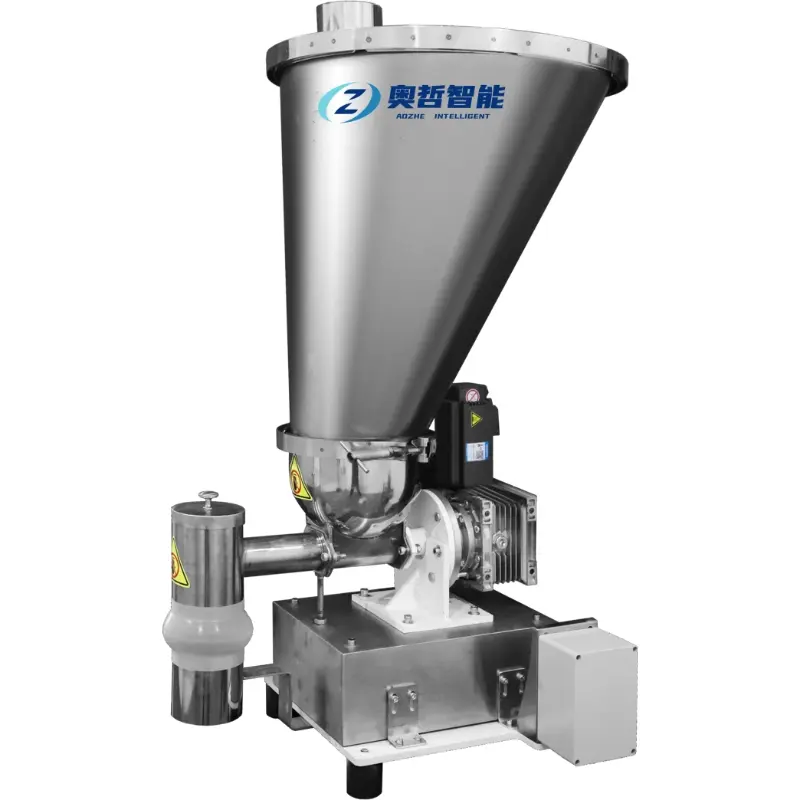
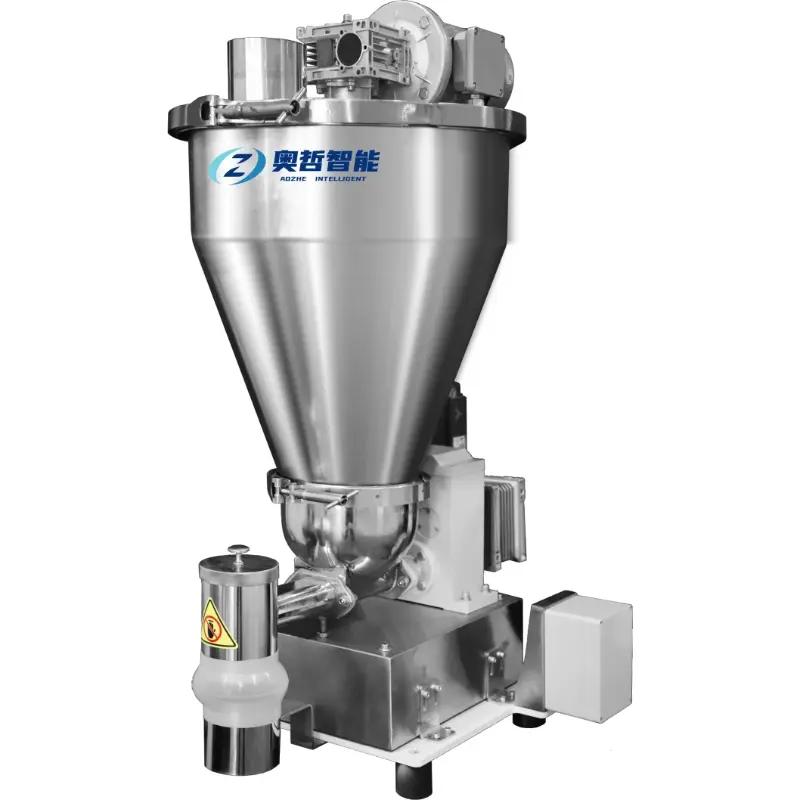
While single-auger systems work perfectly for free-flowing pellets, they often fail when introduced to difficult, sticky, or floodable powders. The dual, intermeshing screw design mechanically forces challenging materials forward while simultaneously self-wiping. This prevents bridging and rat-holing, ensuring an accurate, continuous mass flow.
Let’s explore the critical applications of these advanced gravimetric feeding systems across the world’s most demanding industries.
1. Plastics and Polymer Compounding
The plastics industry is arguably the most intensive user of continuous feeding technologies. Modern polymer compounding requires blending base resins with a multitude of additives, including color pigments, flame retardants, UV stabilizers, and fillers like calcium carbonate or talc.
These additives are notoriously difficult to handle. Pigments are incredibly fine and prone to flushing (fluidizing like water), while mineral fillers can be highly cohesive and pack easily. By utilizing double screw loss-in-weight feeders, compounding facilities can accurately inject these challenging powders directly into the extruder. This precise dosing is absolute critical for continuous extrusion feeding systems, as even a minor fluctuation in the feed rate of a colorant or stabilizer can result in hundreds of meters of off-spec, unsellable plastic film or tubing. The consistent volumetric displacement provided by the intermeshing screws ensures that the exact chemical recipe is maintained second by second, maximizing the mechanical and aesthetic properties of the final polymer.
2. Pharmaceutical and Life Sciences
In the pharmaceutical sector, the margin for error is effectively zero. The industry is currently undergoing a massive paradigm shift toward Continuous Direct Compression (CDC) and continuous wet granulation. In these processes, active pharmaceutical ingredients (APIs) and excipients must be fed seamlessly into continuous blenders or twin-screw extruders.
Many APIs are cohesive, poorly flowing powders that are highly susceptible to environmental variations. Furthermore, the micro-dosing requirements in pharma are incredibly strict, often requiring feed rates as low as a few grams per hour with supreme accuracy. Employing a pharmaceutical grade gravimetric feeder solves these complex rheological challenges.
Leading manufacturers like Awesome design these specialized units with quick-release mechanisms, mirror-polished 316L stainless steel surfaces, and FDA-compliant hygienic seals. This sanitary design not only guarantees micro-level feeding accuracy for potent drugs but also facilitates rapid, thoroughly validated cleaning procedures (CIP/WIP) to prevent cross-contamination between batches.
3. Food and Beverage Processing
The food and beverage industry relies on consistency to maintain brand reputation. Whether manufacturing dry soup mixes, infant formula, baked goods, or specialized nutritional powders, the accurate addition of micro-ingredients is paramount.
Ingredients such as spices, milk powders, cocoa, and specialized flavorings are highly hygroscopic—meaning they absorb moisture from the air, causing them to clump, cake, and bridge inside traditional hoppers. To combat this, food processors rely heavily on cohesive powder feeding equipment equipped with twin screws. The self-wiping action of the dual screws prevents sticky food powders from building up on the feeder walls or the screw flights. This ensures that every single consumer package contains the exact same flavor profile and nutritional value, regardless of the ambient humidity on the factory floor that day.
4. Chemical and Battery Manufacturing
One of the fastest-growing applications for advanced feeding technology is the energy sector, specifically in the production of lithium-ion batteries for electric vehicles (EVs). The manufacturing of battery slurries requires the ultra-precise dosing of cathode and anode active materials, carbon black, and various binders.
These chemical materials present a unique dual threat: they are often highly toxic (requiring completely enclosed, dust-tight systems) and incredibly abrasive. The robust engineering of industrial loss-in-weight feeding technology allows these systems to handle the punishing wear and tear of battery materials. By applying specialized tungsten carbide coatings to the screws and feeding tubes, equipment providers ensure longevity and sustained accuracy even in the harshest chemical environments.
Cross-Industry Comparative Analysis
To better understand how twin-screw technology adapts to different sector requirements, review the comparative breakdown below:
| Industry Segment | Typical Raw Materials | Primary Processing Challenge | Twin-Screw Feeder Solution & Benefit |
|---|---|---|---|
| Plastics/Polymers | TiO2, Talc, Flame Retardants | Flushing, Bridging, Packing | Intermeshing screws prevent fluidization, ensuring steady flow into extruders. |
| Pharmaceuticals | APIs, Lactose, Cellulose | Strict Micro-dosing, Hygiene | Sanitary design ensures zero cross-contamination and sub-gram accuracy. |
| Food & Beverage | Milk Powder, Cocoa, Spices | Moisture sensitivity, Caking | Self-wiping geometry eliminates material buildup and stalling. |
| Battery/Chemical | Carbon Black, Lithium Salts | Extreme Abrasiveness, Toxicity | Dust-tight construction with hardened metallic coatings for long lifespans. |
The Bottom Line: ROI and Process Optimization
Ultimately, the decision to upgrade to these sophisticated systems comes down to operational efficiency. Volumetric feeding or manual dosing inevitably leads to “giveaway”—the practice of overfeeding expensive raw materials just to ensure minimum specifications are met.
By integrating comprehensive automated powder dosing solutions into their continuous lines, plant managers immediately eliminate this costly material waste. Furthermore, the advanced PID controllers integrated into these feeders adjust in real-time to sudden changes in material bulk density.
When facilities partner with reliable industry innovators like Awesome, they aren’t just purchasing a piece of machinery; they are investing in process stability. The deployment of reliable twin screw feeding mechanisms drastically reduces off-spec production, minimizes downtime for cleaning, and directly accelerates the overall return on investment across any manufacturing vertical.
Frequently Asked Questions (FAQs)
Q1: Why are double screw feeders preferred over single screw variants for chemical and food applications?
A: Single screw feeders are excellent for free-flowing materials like rigid plastic pellets. However, in food and chemical applications, powders are often sticky, hygroscopic (absorb moisture), or prone to bridging. A double screw configuration features intermeshing flights that actively wipe each other clean, physically forcing cohesive, stubborn materials forward without clogging or pulsating.
Q2: Can gravimetric feeders be seamlessly integrated into existing continuous manufacturing lines?
A: Yes. Modern loss-in-weight feeders are designed for Industry 4.0 environments. Their advanced controllers come equipped with standard industrial communication protocols (such as Ethernet/IP, Profinet, or Modbus). This allows them to communicate seamlessly with centralized PLC/SCADA systems, enabling master-slave configurations where the feeder automatically adjusts its rate based on the overall speed of the downstream extruder or mixer.
Q3: What maintenance is required for twin screw feeders handling highly abrasive battery materials?
A: When handling abrasive materials like carbon black or ceramics, routine physical inspections of the screw flights and the feeder tube are essential. Over time, wear can increase the gap between the screws and the tube, which decreases feeding accuracy. It is recommended to use hardened, wear-resistant coatings (like nitriding or tungsten carbide) from the outset, and to schedule periodic dynamic calibrations to ensure the load cells and controller are still reading the mass flow accurately despite any minor mechanical wear.