



-
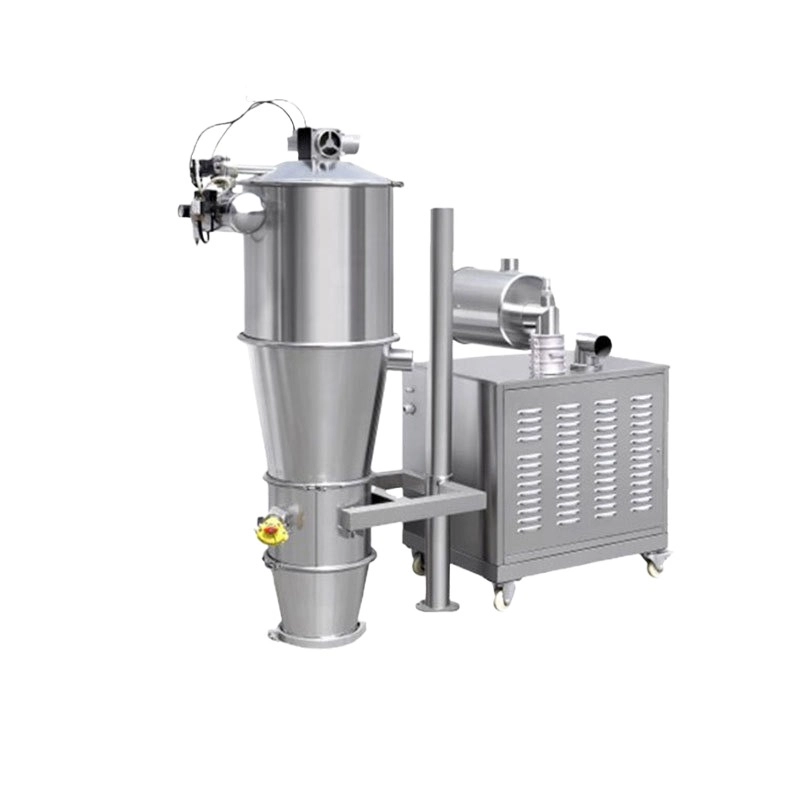
Simple Maintenance Tips for a Powder Vacuum Conveyor
Pay Attention to the Filter SystemCheck Hoses and Sealing PointsKeep the vacuum pump in good condition.Clean the Hopper and Conveying PathEquipment Design Also Matters A powder vacuum conveyor is widely used in industries su...
11/03/2026
-
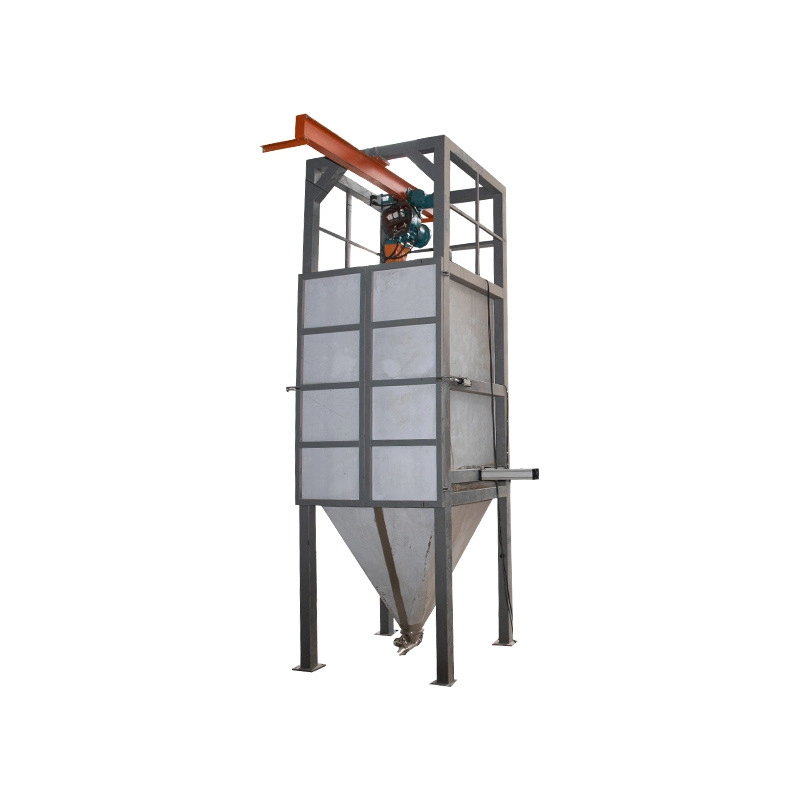
Heavy Duty Bulk Bag Unloader: A Reliable Way to Handle Ton Bags Efficiently
A Smarter Way to Unload Ton BagsKeeping the Workplace CleanBuilt for Stability and Long-Term UseFAQWhat industries commonly use a heavy-duty bulk bag unloader?How does a dust-free bulk bag discharger reduce dust?Is an automated ton bag ...
03/03/2026
-
Heavy-Duty Ton Bag Unloader: Built for Demanding Bulk Material Handling
Designed for Tough Working ConditionsControlled Discharge, Less WasteEfficiency Meets SafetyAdaptable to Different IndustriesWhy Choosing the Right Supplier MattersFAQ1. What weight capacity does a heavy-duty ton bag unloader support?2....
26/02/2026
-
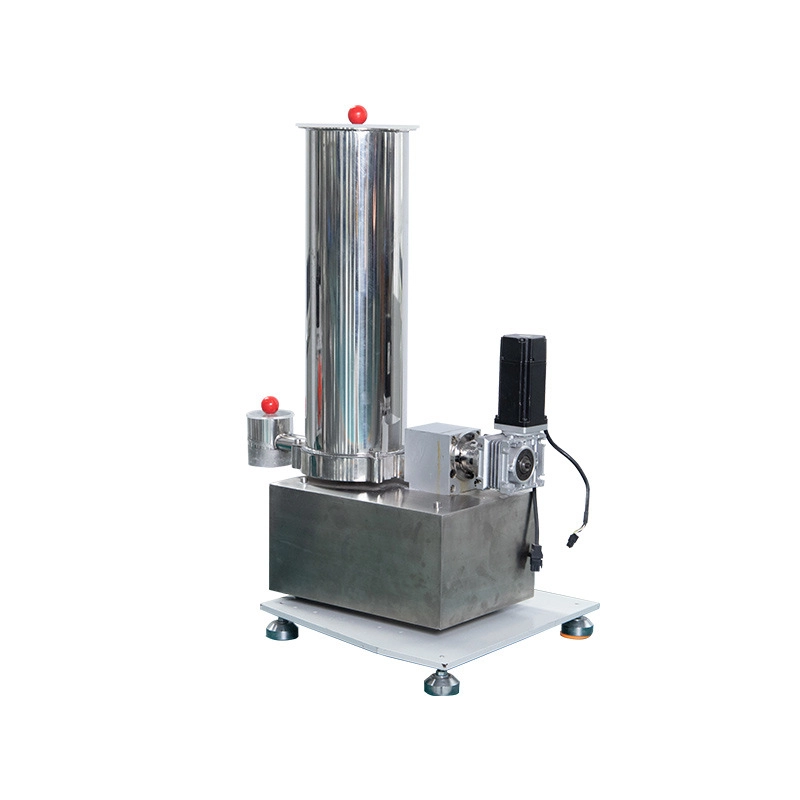
How to Choose a High-Precision Micro-Flow Loss-in-Weight Feeder for Pharmaceutical Lab
Focus on Ultra-Low Feed Rate StabilityMaterial Compatibility and CleanabilityControl System and Data IntegrationFootprint and Lab AdaptabilityWhy Many Labs Choose Awesome IntelligentFAQ1. What feed rate range is typical for a micro-flow...
26/02/2026
-
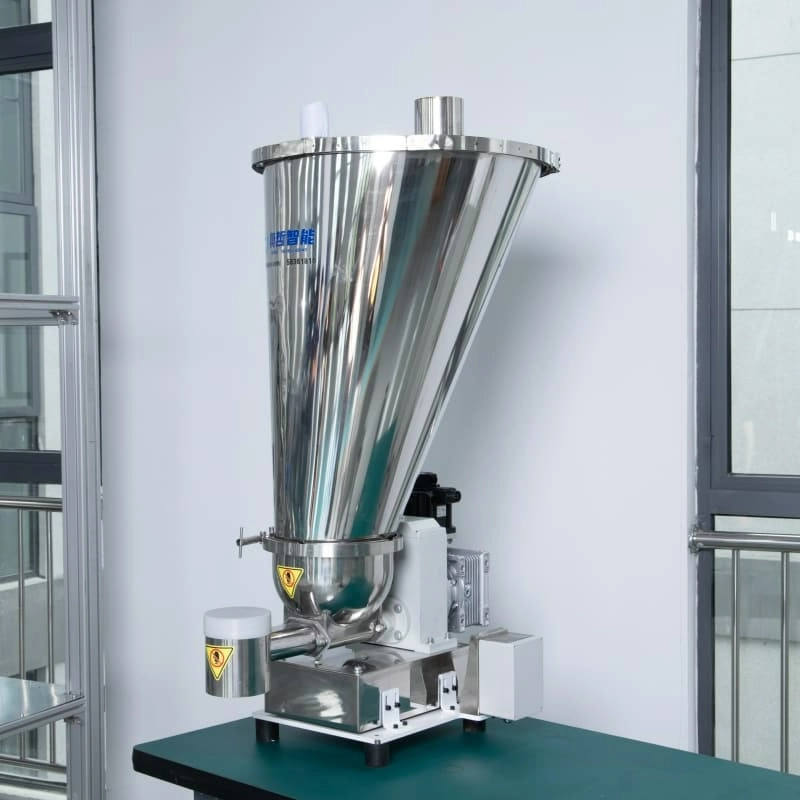
Top 5 Factors Affecting the Accuracy of Your Single Screw Gravimetric Feeding Process
In the world of high-precision manufacturing—whether it’s plastic extrusion, pharmaceutical compounding, or chemical dosing—the single-screw loss-in-weight feeder is the heartbeat of the production line. However, achieving that "perfect...
12/02/2026
-
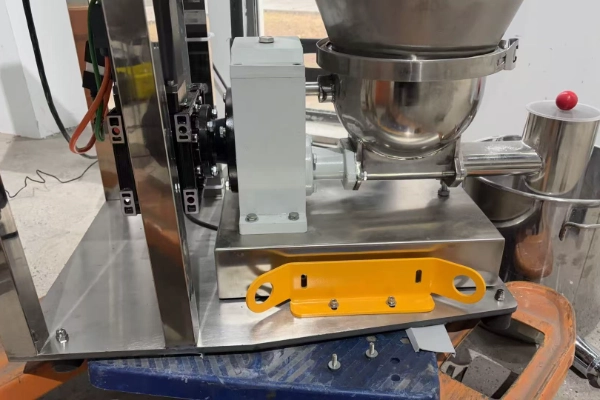
Single Screw vs. Double Screw: How to Choose the Right Loss-in-weight Feeder for Your Granules
How a Loss-in-weight Feeder WorksSingle Screw Loss-in-weight Feeder: Simple and EfficientDouble Screw Loss-in-weight Feeder: Better Control for Challenging MaterialsMaking the Right ChoiceRecent Transaction CasesFAQQ1: Can one loss-in-w...
10/02/2026