


-
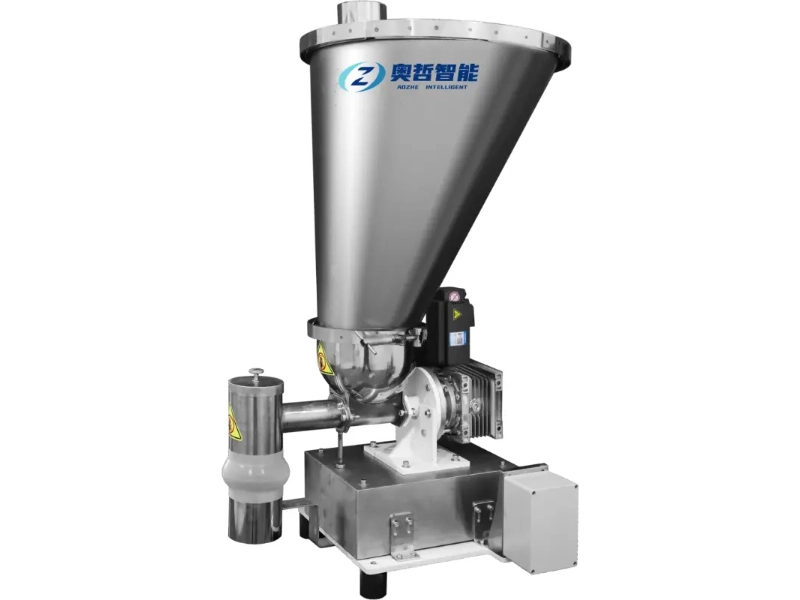
Common Mistakes When Using Volumetric and Gravimetric Feeders and How to Avoid Them
1、Ignoring Material Characteristics2、Improper Calibration and Setup3、Using the Wrong Screw or Feeding Mechanism4、Overlooking Refill and Re-Zero Procedures5、Neglecting Maintenance and Wear6、Poor Integration with the Overall Process...
23/01/2026
-
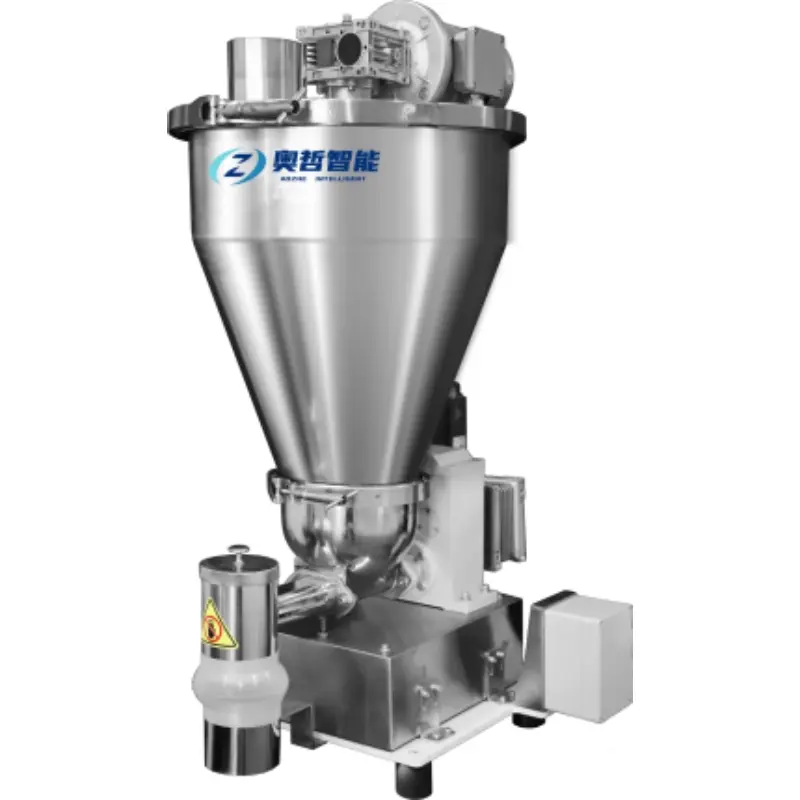
When Should You Choose a Volumetric Feeder Instead of a Gravimetric One?
1、Lower Initial Cost and Budget Efficiency2、Simpler Installation and Operation3、Suitable for Materials with Stable Bulk Density4、Faster Response to Process Speed Changes5、Better Performance in Harsh Industrial Environments6、Ideal ...
17/01/2026
-
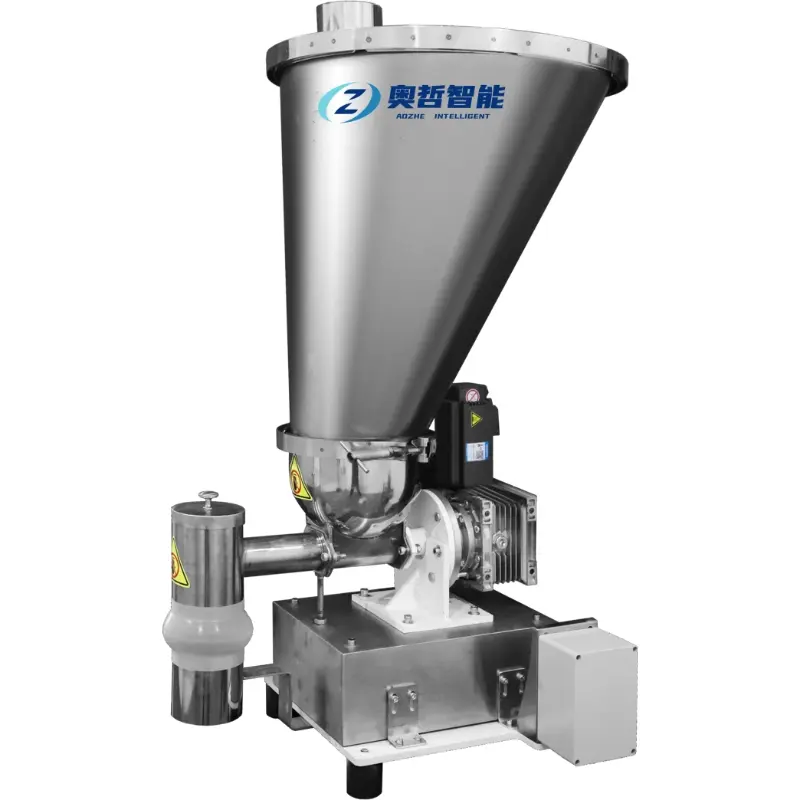
Importance of Accuracy and Consistency in Loss-In-Weight Feeder Selection
1、Accuracy Ensures Precise Material Control2、Consistency Supports Stable Production3、Impact on Product Quality4、Operational Efficiency and Cost Control5、System Stability and Integration6、Long-Term Reliability and Maintenance7、Mak...
13/01/2026
-
How to Select the Right Screw Type for Your Loss-In-Weight Feeder
1、Understand Your Material Characteristics2、Match Screw Design to Required Feed Rate3、Consider Screw Pitch and Flight Geometry4、Evaluate Material Abrasiveness and Wear Resistance5、Account for Cleaning and Maintenance Requirements6...
06/01/2026
-
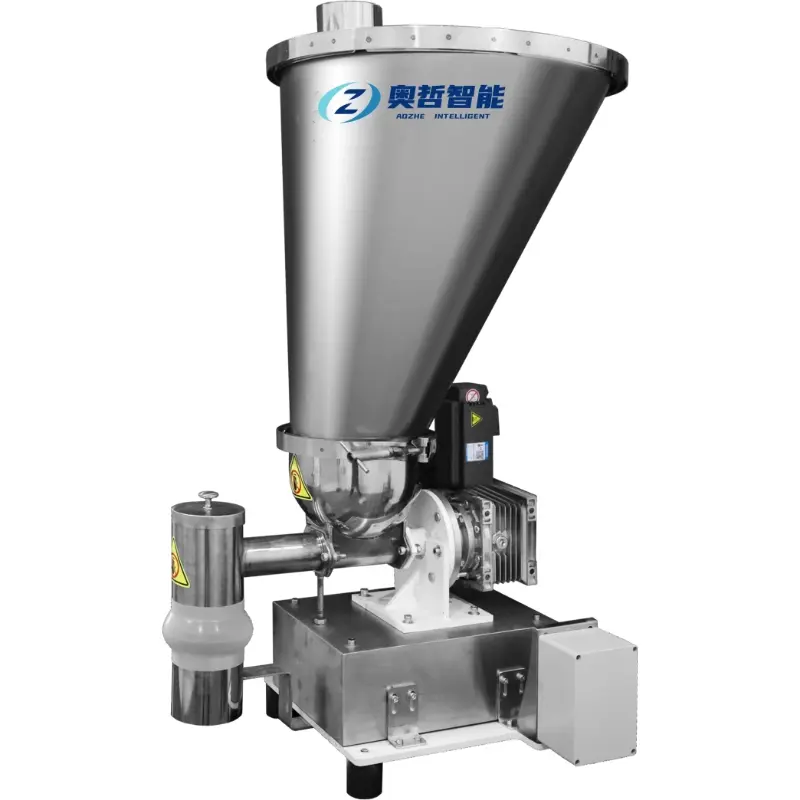
Using Loss-in-Weight Feeders in Food Processing: What to Know
Why Accuracy Matters in Food ProcessingHygienic Design and Food Safety RequirementsHandling Different Food IngredientsIntegration into Food Production LinesMaintenance and Operational Considerations Accuracy and consistency are criti...
20/12/2025
-
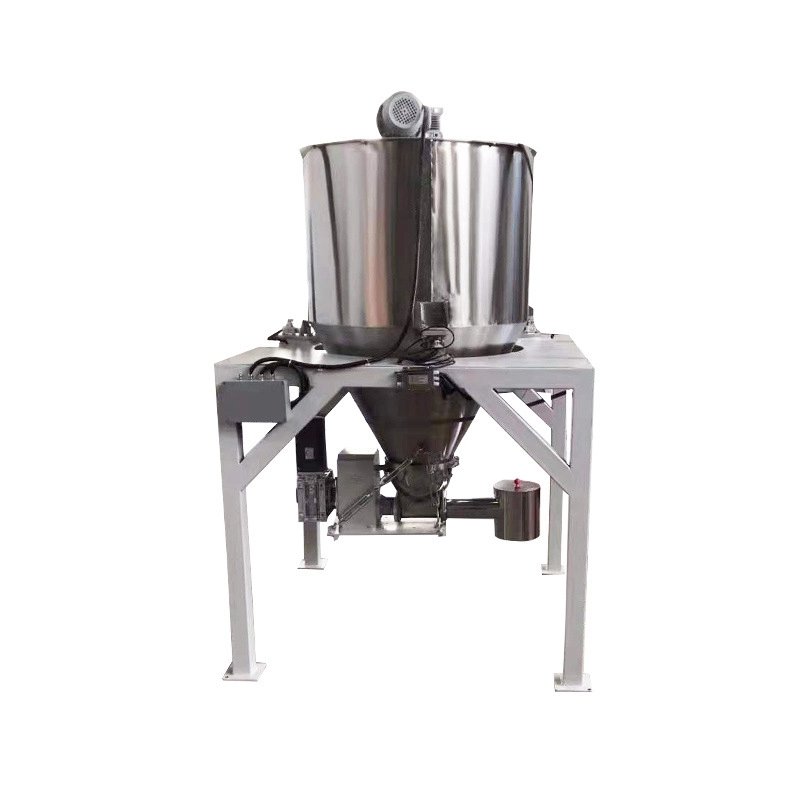
Common Maintenance Mistakes That Affect Loss-in-Weight Feeders
Loss-in-weight feeders are widely used in industries such as food processing, pharmaceuticals, and chemicals because of their precise material dosing. However, even a high-quality feeder can perform poorly if maintenance is not done cor...
18/12/2025