

Common Maintenance Mistakes That Affect Loss-in-Weight Feeders
Release time: 2025-12-18
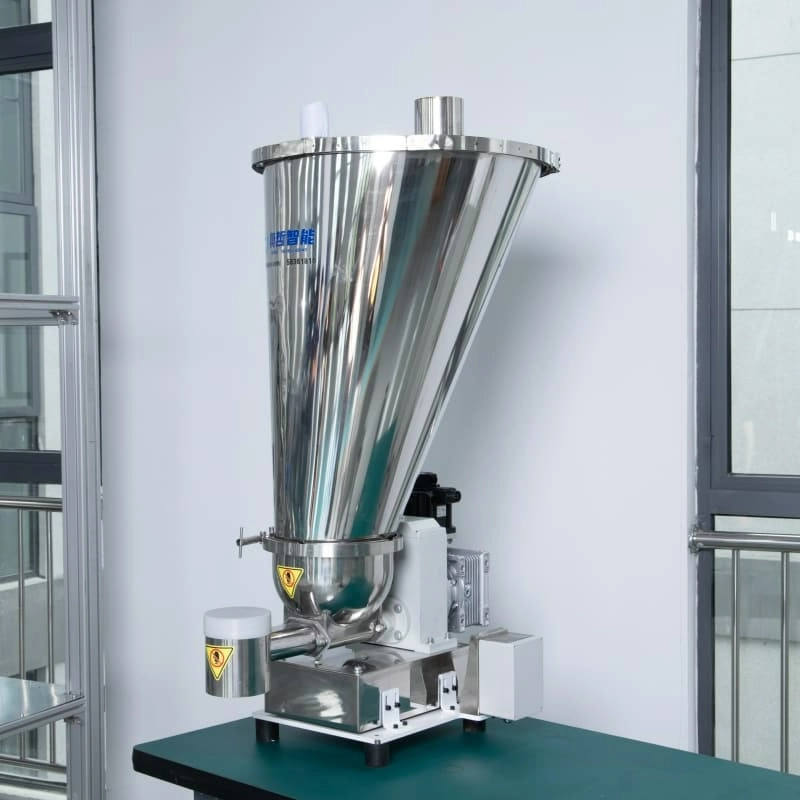
Loss-in-weight feeders are widely used in industries such as food processing, pharmaceuticals, and chemicals because of their precise material dosing. However, even a high-quality feeder can perform poorly if maintenance is not done correctly. Understanding common maintenance mistakes can help operators keep their systems accurate, reliable, and long-lasting.
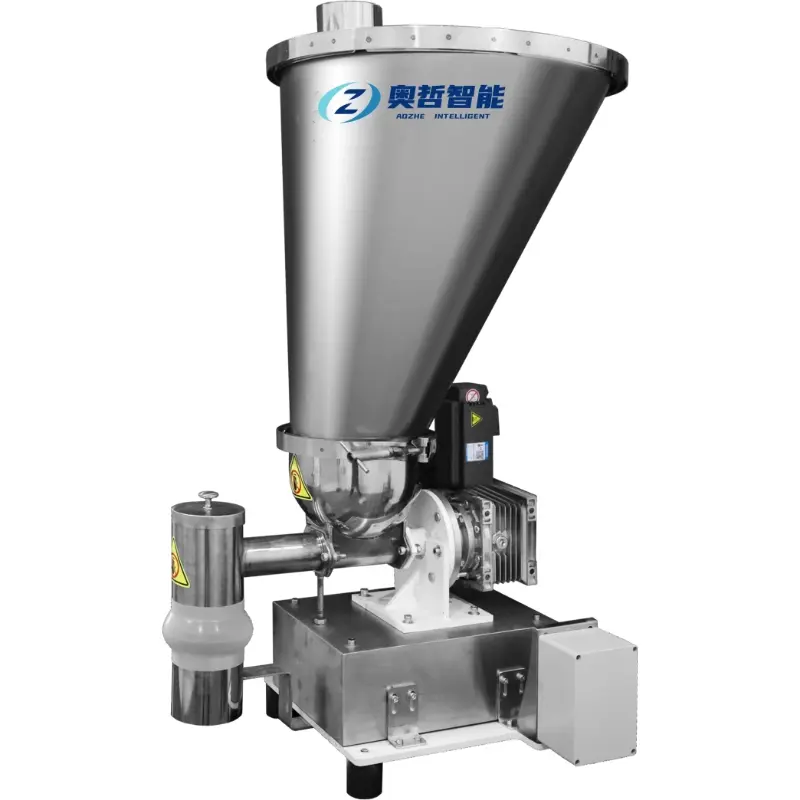
One of the most frequent mistakes is ignoring regular calibration. Loss-in-weight feeders rely on accurate weight measurements to control the material flow. If the feeder is not calibrated regularly, small deviations can accumulate, causing overfeeding or underfeeding. Operators should schedule calibration according to manufacturer recommendations and whenever the material type changes.
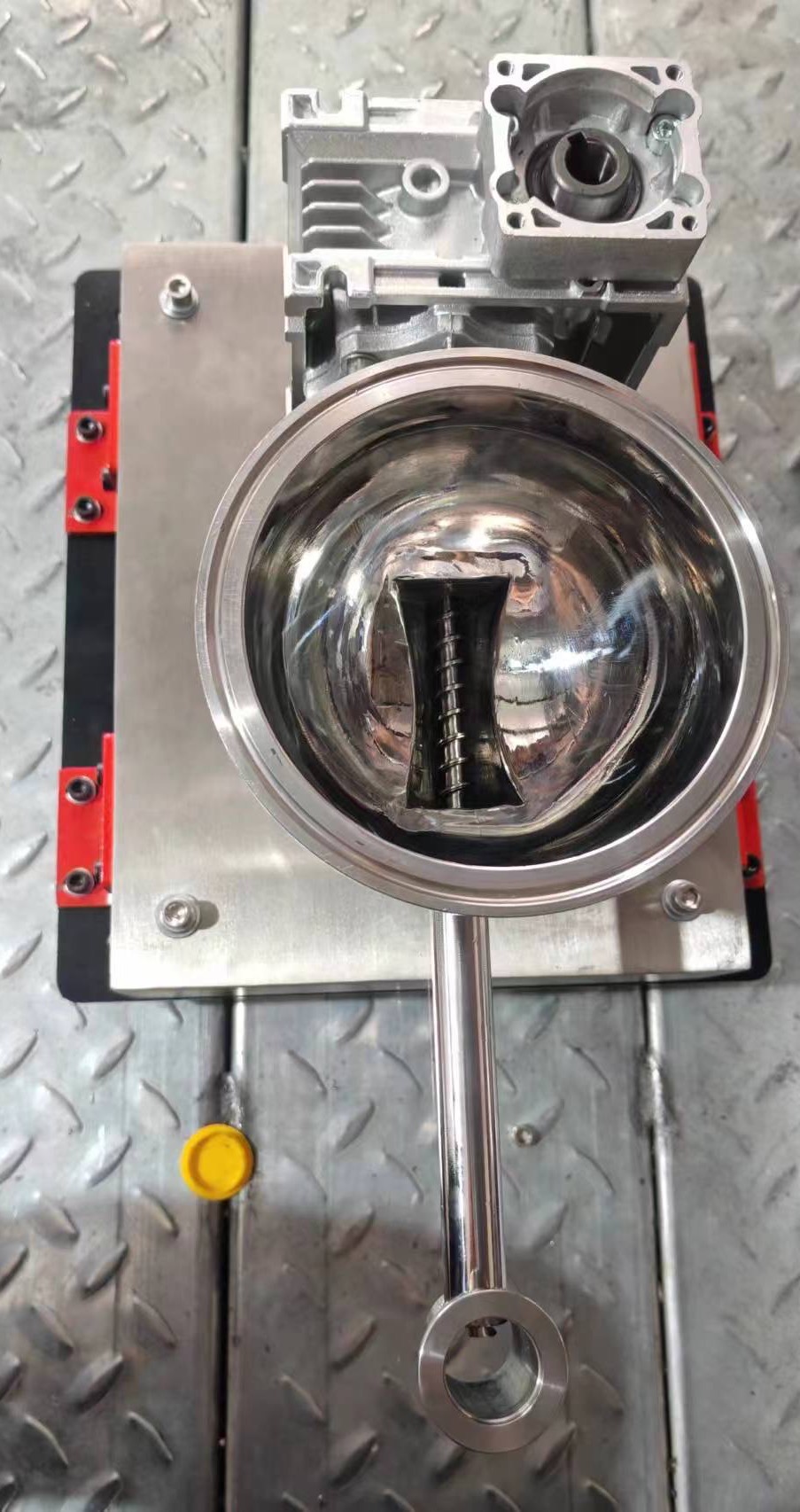
Another common issue is neglecting cleaning and material buildup. Feeders often handle powders, granules, or sticky substances that can accumulate inside the hopper, screw, or discharge outlet. This buildup can interfere with weight sensors or cause inconsistent flow. Cleaning the feeder routinely and using proper tools prevents clogging and ensures smooth operation.
Overlooking mechanical wear is also a critical mistake. Screws, bearings, and motors experience natural wear over time. If worn components are not replaced promptly, the feeder’s performance deteriorates, resulting in inaccurate dosing. Regular inspections for unusual noise, vibration, or resistance can catch problems early and avoid costly downtime.
A fourth mistake is improper handling of environmental conditions. Loss-in-weight feeders can be sensitive to temperature, humidity, and dust. For example, moisture can cause powders to clump, affecting flow consistency, while excessive dust can interfere with sensors. Installing feeders in controlled environments or using protective measures like filters and covers can mitigate these issues.
Finally, ignoring software and system updates can lead to operational inefficiencies. Many modern feeders rely on software for calibration, diagnostics, and control. Failing to update firmware or ignoring system alerts may result in errors that affect accuracy. Ensuring the control system is current and properly configured is just as important as mechanical maintenance.
In conclusion, maintaining a continuous loss-in-weight feeder requires attention to calibration, cleaning, mechanical wear, environmental factors, and software updates. By avoiding these common maintenance mistakes, operators can maximize feeder accuracy, extend equipment life, and maintain consistent production quality. Proper care not only prevents costly errors but also ensures the feeder continues to perform reliably over time.
If you’re looking for a reliable loss-in-weight feeder and excellent after-sales service, consider Jiangsu Awesome. Whether it’s equipment procurement, regular maintenance, or technical support, Jiangsu Awesome provides professional solutions to help your production become more efficient and stable. Contact Jiangsu Awesome today to maximize the value of your equipment!