

Common Mistakes When Using Volumetric and Gravimetric Feeders and How to Avoid Them
Release time: 2026-01-23
Table of Contents
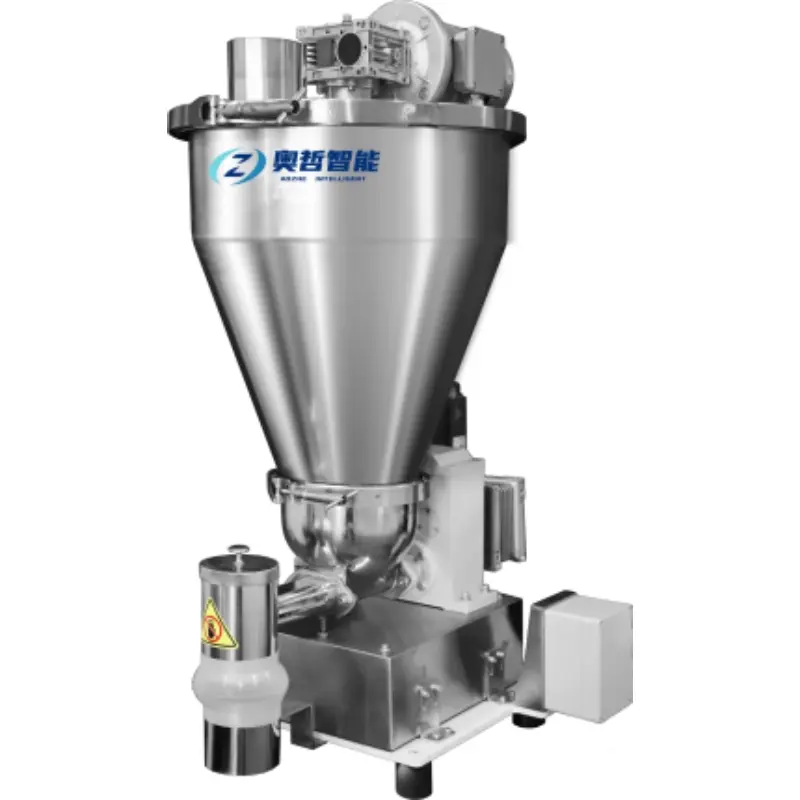
Volumetric and gravimetric feeders are widely used in industrial processes to control material flow in applications such as plastics processing, chemical production, food manufacturing, and building materials. While both types of feeders can perform reliably when properly applied, many operational problems arise not from equipment defects, but from common usage mistakes. Understanding these mistakes and knowing how to avoid them can significantly improve feeding accuracy, process stability, and overall efficiency.
1、Ignoring Material Characteristics
One of the most frequent mistakes is selecting or operating a feeder without fully considering material properties. Volumetric feeders assume consistent bulk density, which can be problematic when handling powders with variable moisture content or particle size. Gravimetric feeders are more tolerant, but even they can struggle with materials that bridge, compact, or stick. To avoid this issue, operators should evaluate flowability, bulk density variation, and moisture sensitivity, and ensure the feeder design matches the material behavior.
2、Improper Calibration and Setup
Incorrect calibration is another common problem, especially in gravimetric feeders. Failing to calibrate load cells or skipping regular recalibration can result in inaccurate weight measurement. For single volumetric feeders, improper screw or rotor setup can lead to inconsistent output. Establishing a routine calibration schedule and verifying setup parameters during commissioning helps maintain reliable performance.
3、Using the Wrong Screw or Feeding Mechanism
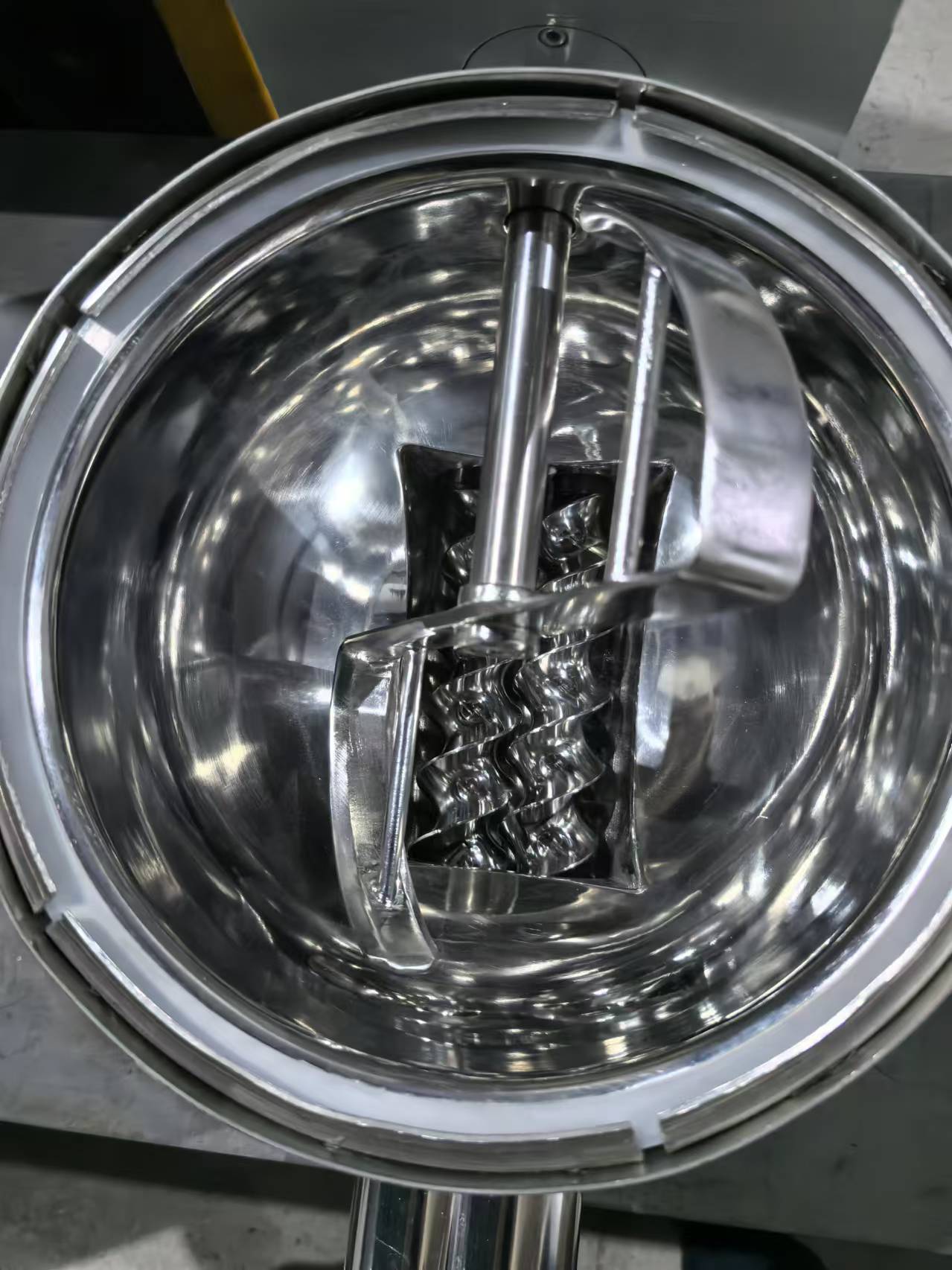
Feeder performance is highly dependent on the screw or feeding mechanism. Using a screw that is too large or too small for the required feed rate can cause pulsation or unstable flow. In volumetric systems, this directly affects output consistency, while in gravimetric systems it introduces measurement noise. Selecting the correct screw geometry and size for the application helps ensure smooth and controlled material delivery.
4、Overlooking Refill and Re-Zero Procedures
Gravimetric feeders for extrusion require periodic refilling, and improper refill procedures are a common source of error. If the system is not correctly re-zeroed after refilling, weight measurements may drift, reducing accuracy. Automated refill sequences and clear operating procedures can minimize these issues and maintain stable feeding performance.
5、Neglecting Maintenance and Wear
Wear and contamination can gradually degrade feeder performance. Worn screws, damaged seals, or buildup inside the hopper can alter material flow patterns. This affects volumetric feeders more noticeably but can also impact gravimetric systems over time. Regular inspection, cleaning, and timely replacement of worn components are essential for consistent operation.
6、Poor Integration with the Overall Process
Another mistake is treating the feeder as an isolated unit rather than part of a larger process. Changes in upstream material handling or downstream equipment can affect feeding performance. Ensuring proper communication and synchronization between feeders and other process equipment helps avoid flow interruptions and instability.
7、Lack of Operator Training
Even advanced feeders can underperform if operators are not properly trained. Misunderstanding system feedback, alarms, or control parameters often leads to unnecessary adjustments and errors. Providing adequate training and clear documentation enables operators to respond correctly to process changes.
In conclusion, many issues with volumetric and gravimetric feeders stem from avoidable mistakes rather than equipment limitations. By understanding material behavior, ensuring proper setup and calibration, maintaining equipment, and integrating feeders effectively into the process, manufacturers can significantly improve accuracy, reliability, and long-term performance.