

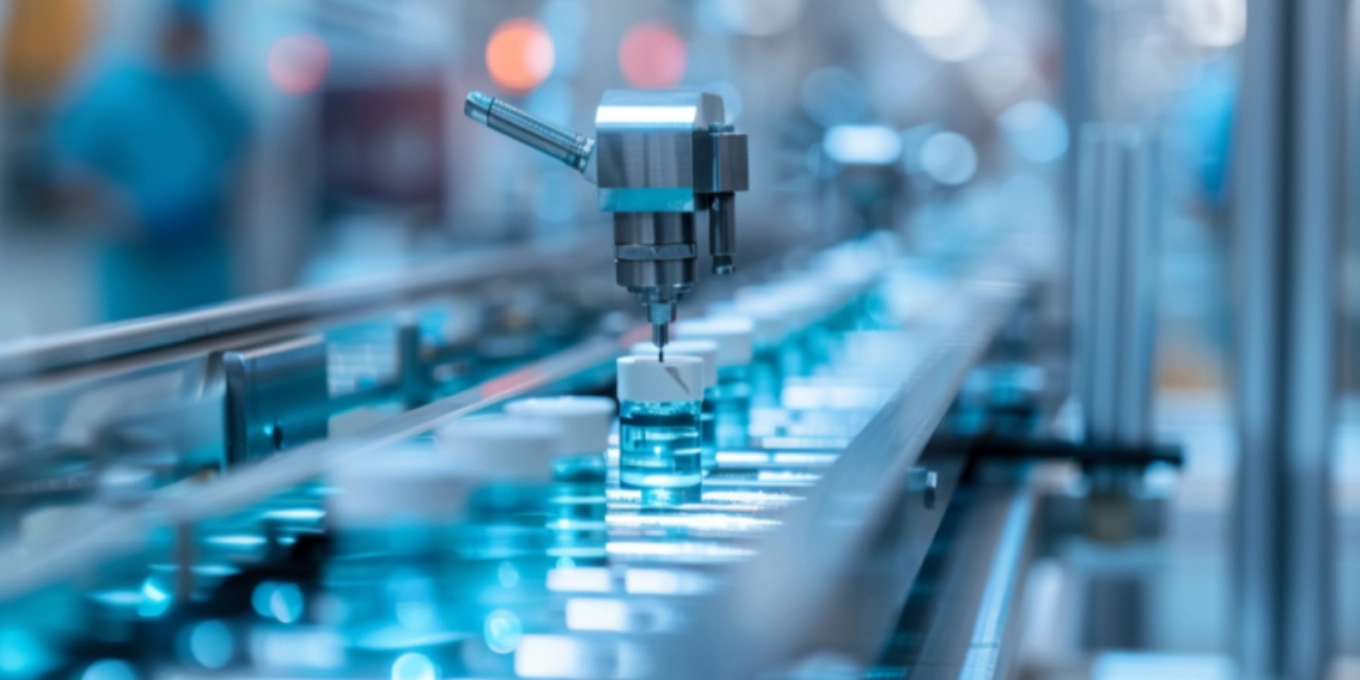
Las 5 principales ventajas de utilizar alimentadores de tornillo por pérdida de peso en aplicaciones industriales
Fecha de lanzamiento: 30/06/2026
Respuesta directa: Usando alimentadores de tornillo con pérdida de peso proporciona a las instalaciones industriales ventajas operativas sin igual mediante Aumentando la precisión de la velocidad de alimentación a ±0,25%, drásticamente reducción de costosos residuos de materiales, ajustándose automáticamente a fluctuaciones en la densidad aparente, permitiendo la completa trazabilidad de datos para el control de calidad, y ofreciendo soluciones versátiles e higiénicas para diversos entornos de procesamiento.
Tabla de contenido
En el entorno de fabricación actual, altamente competitivo, lograr la máxima eficiencia operativa depende en gran medida de la precisión de los equipos de proceso. Al producir compuestos químicos complejos, medicamentos vitales o polímeros de ingeniería, incluso la más mínima desviación en las tasas de alimentación de materiales puede comprometer todo el lote. Para superar las limitaciones de la dosificación tradicional basada en volumen, las plantas modernas están adoptando rápidamente tecnologías avanzadas de pesaje continuo.
Líderes del sector como Awesome han desarrollado sofisticadas soluciones gravimétricas diseñadas para eliminar inconsistencias y proteger los márgenes de beneficio. Mediante el monitoreo continuo de la masa exacta del material descargado, estos sistemas transforman las líneas de producción impredecibles en operaciones altamente estables y optimizadas. A continuación, analizamos los cinco principales beneficios de integrar esta tecnología avanzada en sus aplicaciones industriales.
1. Precisión y exactitud inigualables
La principal ventaja de actualizar a sistemas gravimétricos continuos radica en la mejora inmediata y drástica de la precisión de la dosificación. Los equipos volumétricos tradicionales dosifican el material en función del volumen físico y una velocidad de rotación constante. Este método presenta deficiencias inherentes, ya que presupone que la densidad del material permanece perfectamente constante, lo cual rara vez ocurre en situaciones reales.
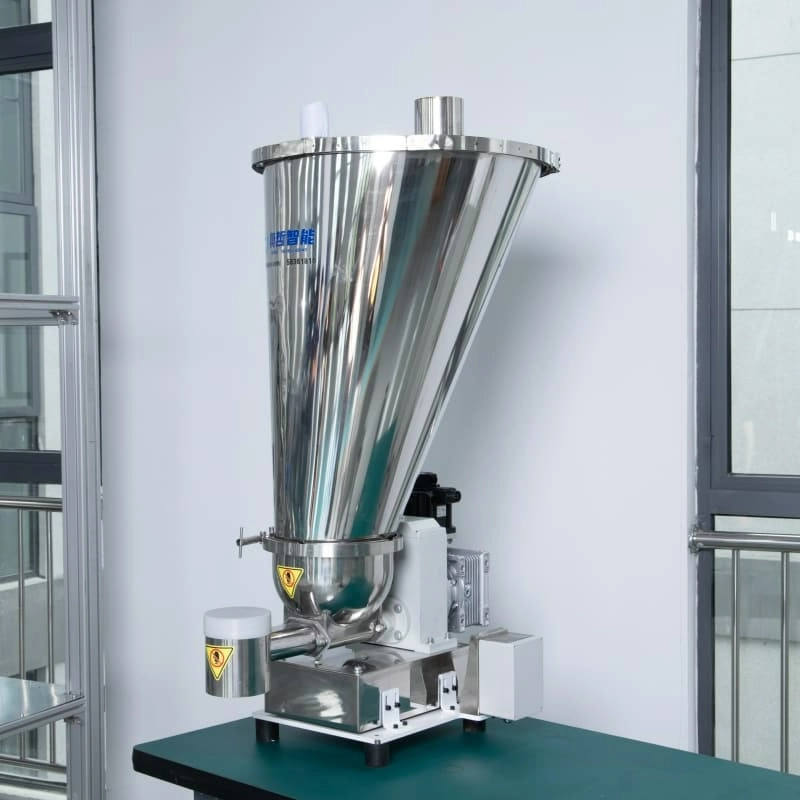
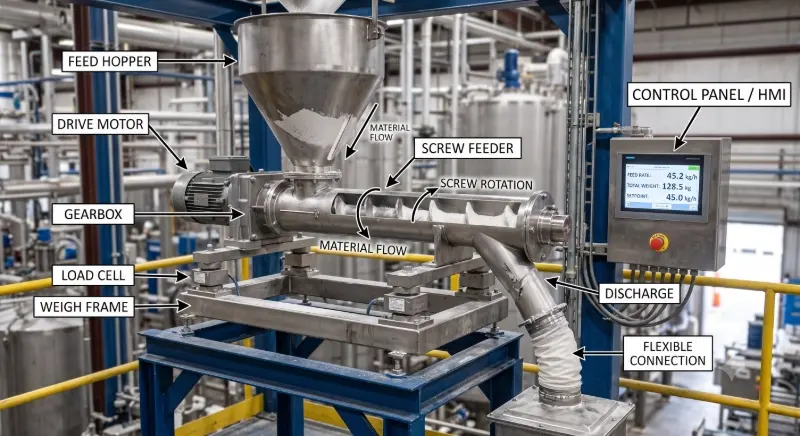
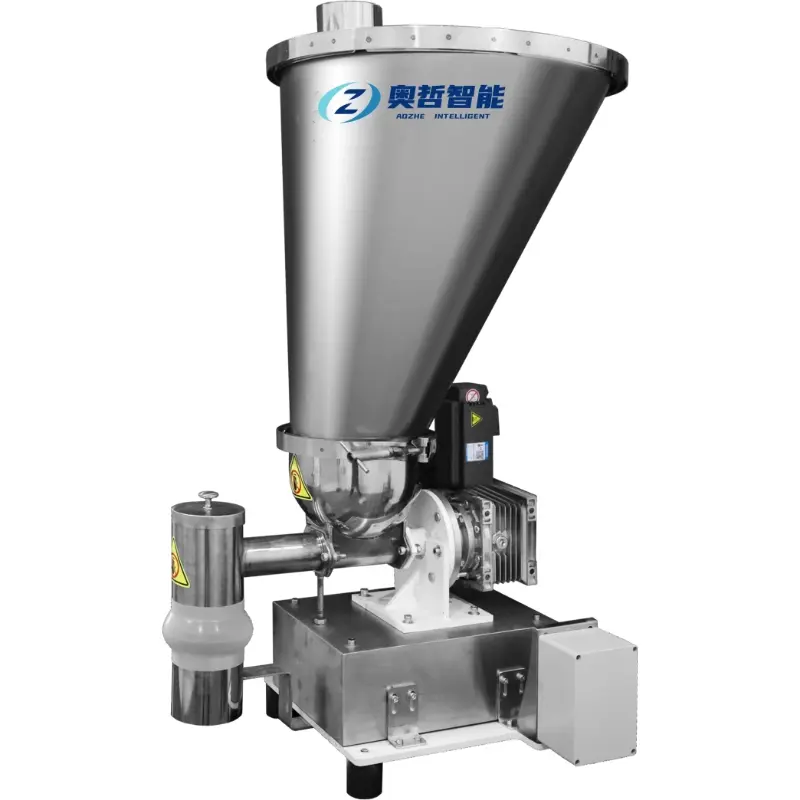
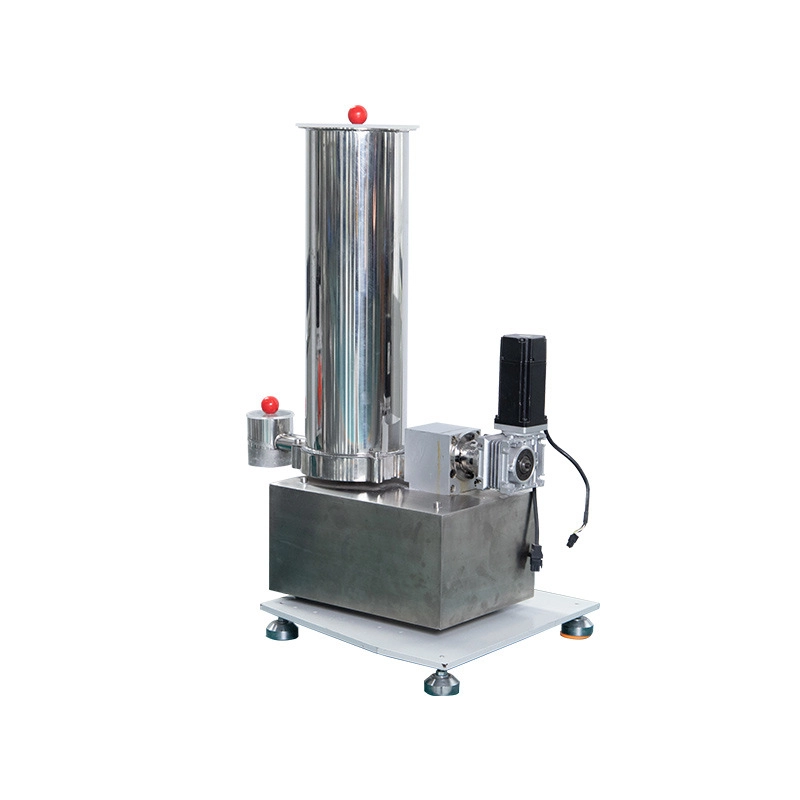
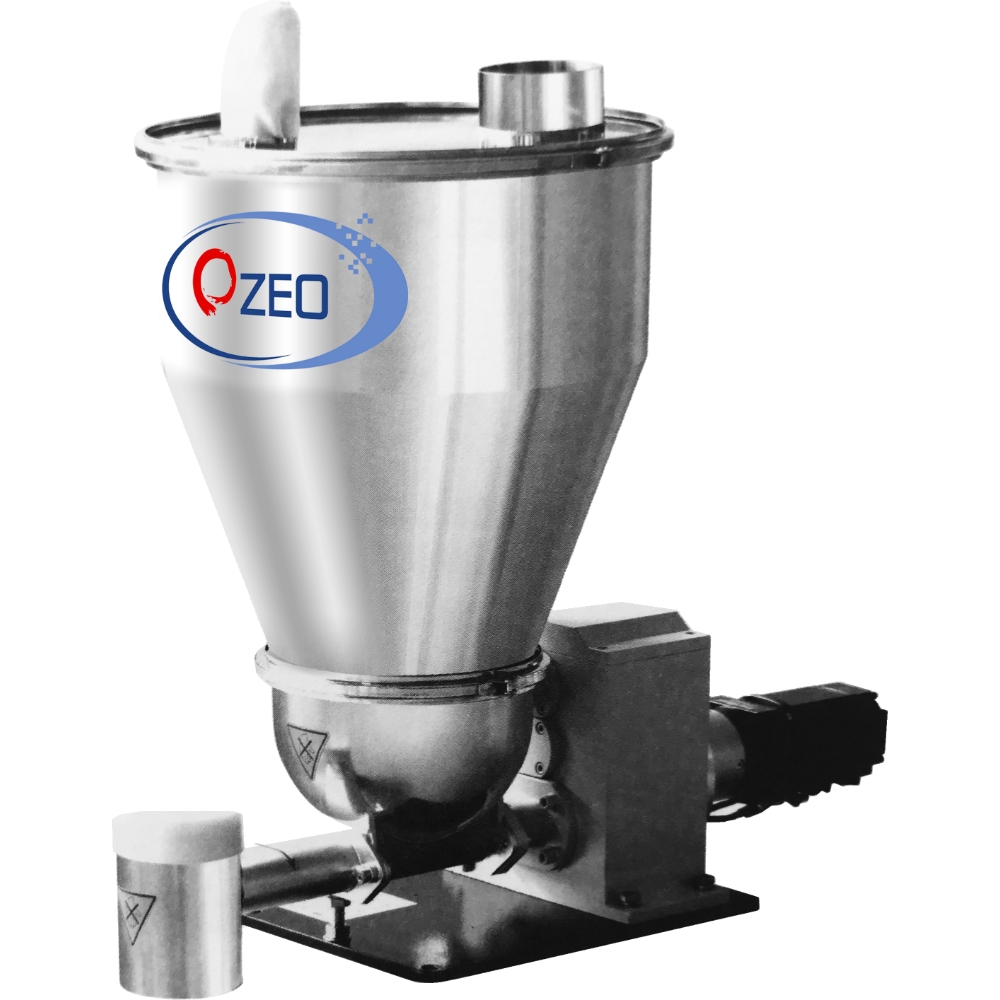
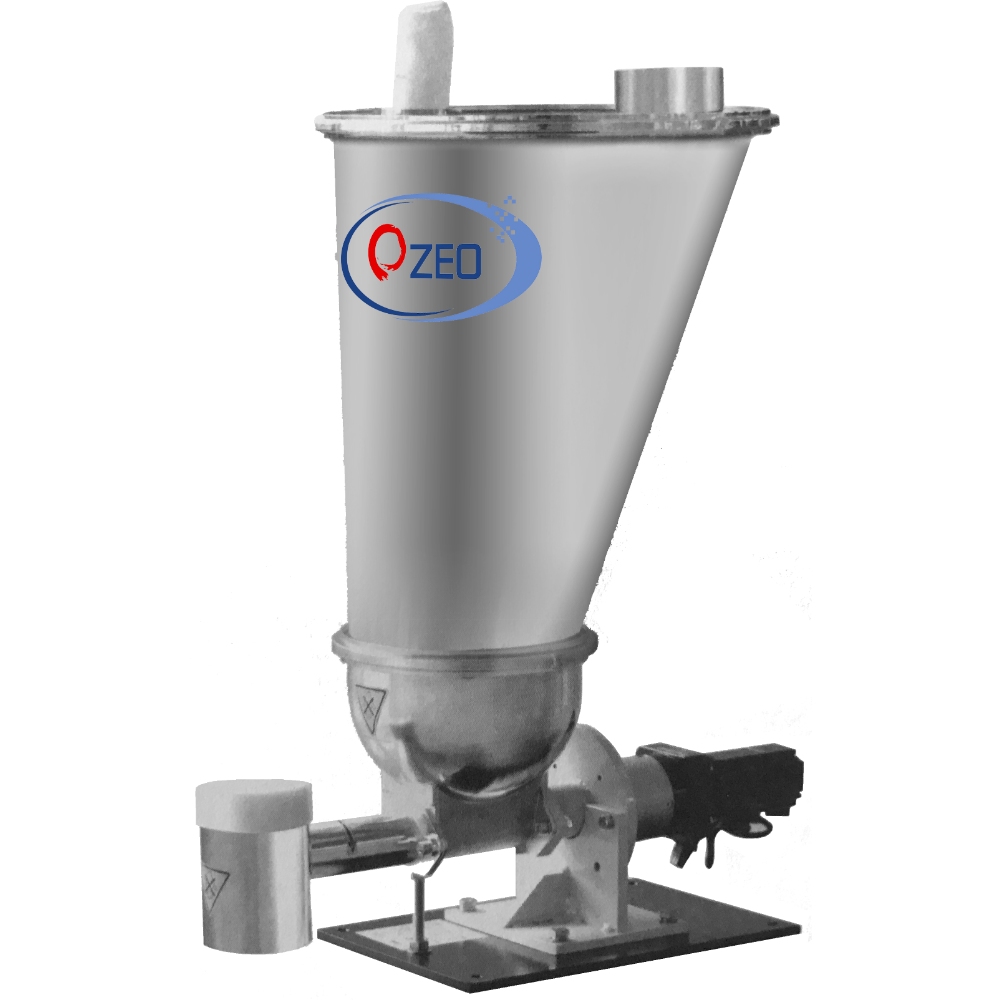
Avanzado soluciones de alimentación gravimétrica Funciona con un principio completamente diferente. Al suspender todo el conjunto de tolva y sinfín sobre celdas de carga de alta sensibilidad, el sistema mide la pérdida de masa real segundo a segundo. Un controlador de alta velocidad ajusta dinámicamente la velocidad del motor para mantener un punto de ajuste exacto. Esta retroalimentación de circuito cerrado permite que el equipo alcance rutinariamente precisiones de flujo másico de ±0,25% a ±0,5%. Para las industrias donde las especificaciones del producto están estrictamente reguladas, este nivel de precisión no es solo una ventaja, sino una necesidad.
2. Reducción significativa de los residuos de materiales
Una dosificación imprecisa obliga a muchos responsables de planta a recurrir a la sobrealimentación para garantizar que su producto final cumpla con los requisitos mínimos de concentración o potencia. Si bien esto evita el rechazo de productos que no cumplen con las especificaciones, implica que las plantas, en esencia, están desperdiciando materias primas costosas.
Implementación equipos de dosificación industrial de alta precisión Elimina por completo la necesidad de este costoso margen de seguridad. Dado que el sistema garantiza continuamente que solo se dispense la cantidad exacta de ingrediente activo o aditivo requerida, el consumo de materia prima se reduce drásticamente. Para las instalaciones que procesan resinas de alto valor, catalizadores químicos raros o ingredientes alimentarios de primera calidad, la reducción del desperdicio de material suele generar ahorros suficientes para amortizar el nuevo equipo en tan solo unos meses.
3. Adaptación automatizada a las variaciones del material
Los sólidos a granel son notoriamente difíciles de manipular. Un solo lote de polvo puede modificar sus características de flujo debido a la humedad ambiental, la segregación de partículas durante el transporte o la aireación durante el rellenado de la tolva. Cuando la densidad aparente cambia, los sistemas volumétricos requieren que un operario detenga manualmente la producción, tome muestras físicas y recalibre la máquina.
La tecnología gravimétrica resuelve este problema mediante la automatización inteligente. El controlador PID integrado detecta instantáneamente los cambios en la densidad aparente. Si un polvo se airea y se vuelve más ligero, el controlador acelera inmediatamente el sinfín para compensar; si se compacta y se vuelve más pesado, el sinfín lo ralentiza. Esta capacidad de autoajuste hace que... sistemas automatizados de manipulación de materiales a granel esencial para mantener un ciclo de producción continuo e ininterrumpido sin necesidad de intervención humana constante.
4. Trazabilidad y control de calidad mejorados
A medida que la industria manufacturera avanza hacia la era de la Industria 4.0, los datos son tan valiosos como el producto físico. Los modernos controladores de pesaje continuo hacen mucho más que simplemente hacer girar un motor; funcionan como centros integrales de registro de datos. Cada gramo de material dispensado se registra, se marca con la hora y se analiza su evolución en tiempo real.
Gracias a su perfecta comunicación con las redes SCADA o PLC de toda la planta mediante Ethernet/IP, Profinet o Modbus, estos sistemas proporcionan a los operadores una visibilidad completa del proceso. Si se produce un problema de calidad en una etapa posterior, los equipos de control de calidad pueden rastrear fácilmente los parámetros de dosificación exactos en el momento de la producción. Los equipos fabricados por Awesome están diseñados específicamente con interfaces hombre-máquina (HMI) intuitivas y conectividad avanzada, lo que garantiza la automatización completa de los registros de auditoría y los informes de cumplimiento.
5. Versatilidad en industrias exigentes
La naturaleza modular de la dosificación gravimétrica permite adaptarla perfectamente a las necesidades específicas de diversas industrias pesadas y sanitarias. Con tan solo cambiar las herramientas (como sustituir un sinfín simple por un sinfín cóncavo doble) o mejorar los materiales de construcción, la misma tecnología fundamental puede resolver desafíos muy diferentes.
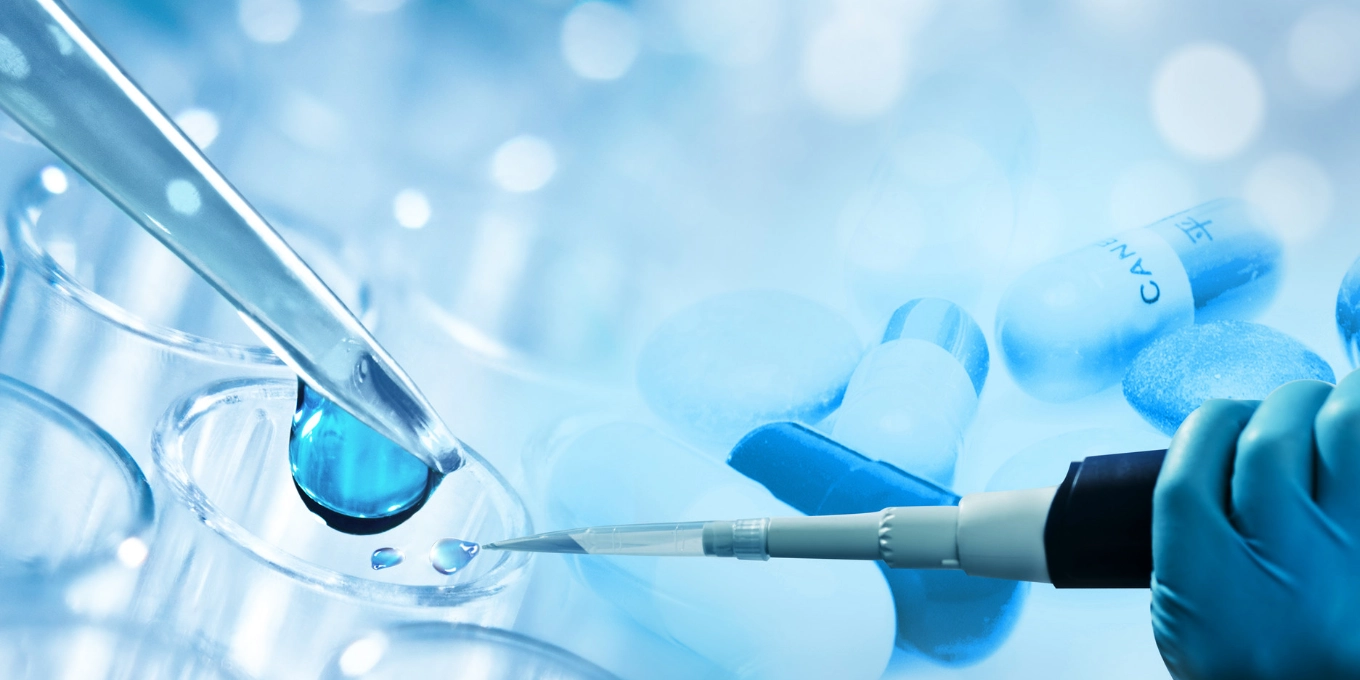
- Productos farmacéuticos: Utilizando diseños sanitarios y fáciles de limpiar para Alimentación continua de polvo farmacéutico Garantiza una mezcla precisa de los principios activos farmacéuticos (API) cumpliendo estrictamente con las normas cGMP y las regulaciones de la FDA.
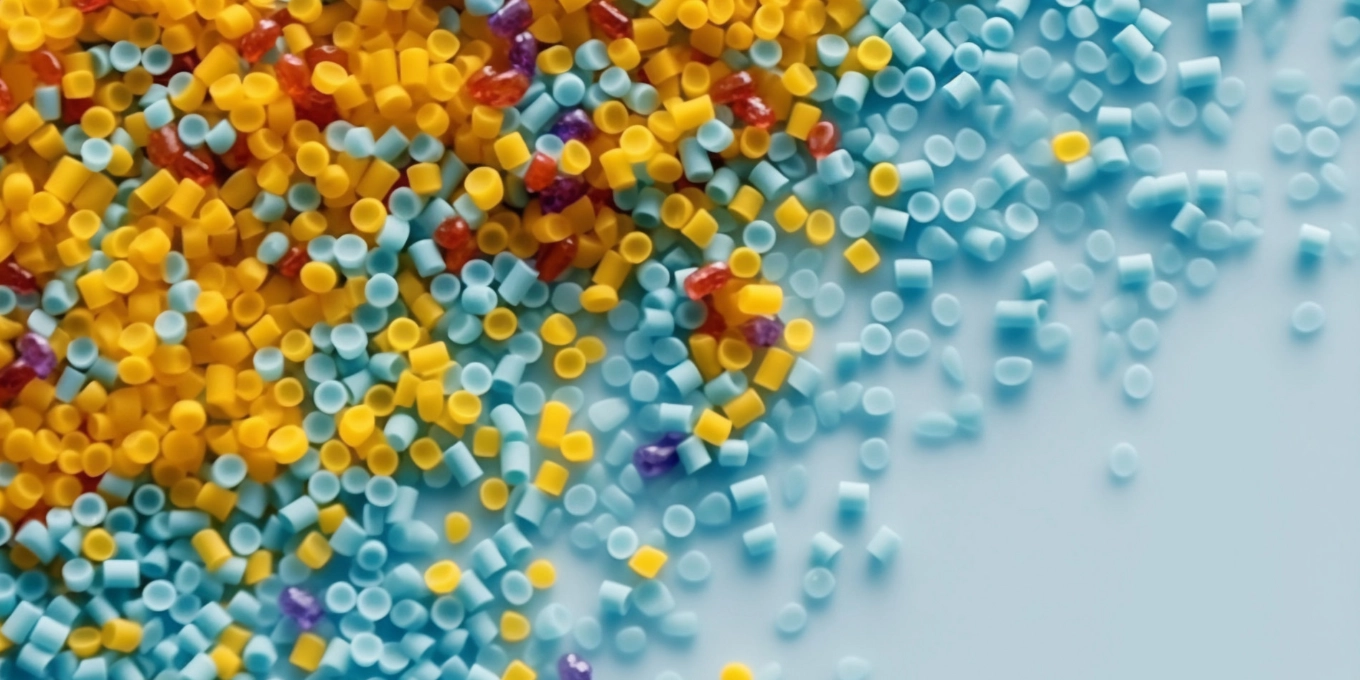
- Plástica: Integración de tecnología avanzada equipo de dosificación de extrusión de plástico Garantiza que los concentrados de color y las resinas base estén perfectamente sincronizados con la velocidad de la extrusora, eliminando la variación del color y los defectos estructurales.
- Productos químicos: Implementación de sistemas robustos para control de lotes en la fabricación de productos químicos Permite la manipulación segura de compuestos volátiles o peligrosos, evitando reacciones descontroladas peligrosas.
- Alimentos y bebidas: Utilizando productos higiénicos aptos para uso alimentario. La tecnología de dosificación de ingredientes garantiza que las recetas complejas, desde micronutrientes hasta harinas a granel, se reproduzcan de forma consistente para mantener el sabor y el perfil nutricional.
Comparación operativa
Para resumir el impacto de estos beneficios, la siguiente tabla ilustra el marcado contraste en las métricas operativas antes y después de implementar la tecnología de pesaje continuo.
| Métrica operativa | Sistemas volumétricos estándar | Sistemas gravimétricos avanzados | Impacto empresarial |
|---|---|---|---|
| Precisión de la dosificación | ± 2,0% – 5,0% | ± 0,25% – 0,5% | Garantiza el estricto cumplimiento del producto. |
| Rendimiento del material | Alto nivel de desperdicio (sobrealimentación) | Optimizado (cero residuos) | Mejora drásticamente los márgenes de beneficio. |
| Manejo de cambios de densidad | Se requiere recalibración manual. | Ajuste automático en tiempo real | Aumenta el tiempo de actividad y la productividad de la máquina. |
| Datos y trazabilidad | Ninguno / Registro manual | Integración digital completa | Simplifica las auditorías de control de calidad y normativas. |
Conclusión
La transición al control gravimétrico es una inversión estratégica que mejora fundamentalmente las capacidades de una instalación. Los beneficios van mucho más allá de la simple precisión; abarcan un ahorro masivo de materia prima, estabilidad automatizada del proceso, trazabilidad digital integral y adaptabilidad específica de la industria. Al asociarse con expertos de confianza como Impresionante, Los fabricantes pueden aprovechar estas cinco ventajas clave para eliminar ineficiencias costosas, preparar sus líneas de producción para el futuro y lograr un retorno de la inversión rápido y sostenido.
Preguntas frecuentes (FAQ)
P1: ¿Qué tipos de materiales son los más adecuados para estos sistemas de pesaje continuo?
A: Estos sistemas son muy versátiles y pueden procesar prácticamente cualquier sólido a granel seco. Son excepcionalmente eficaces para gránulos de plástico de flujo libre, polvos farmacéuticos cohesivos o pegajosos, escamas frágiles y polvos químicos fácilmente aireables. La clave reside en seleccionar el agitador y el perfil de tornillo sin fin adecuados (de un solo tornillo o de doble tornillo) según las características específicas del material.
P2: ¿Cuánto tiempo suele tardar en verse un retorno de la inversión (ROI)?
A: Si bien la inversión inicial es mayor que en los modelos volumétricos básicos, el retorno de la inversión suele ser muy rápido. Gracias a la eliminación inmediata del exceso de materia prima y a la reducción de los lotes rechazados que no cumplen con las especificaciones, la mayoría de las instalaciones industriales recuperan su inversión en un plazo de 6 a 12 meses.
P3: ¿Pueden los equipos de dosificación gravimétrica procesar polvos pegajosos o cohesivos que tienden a formar puentes?
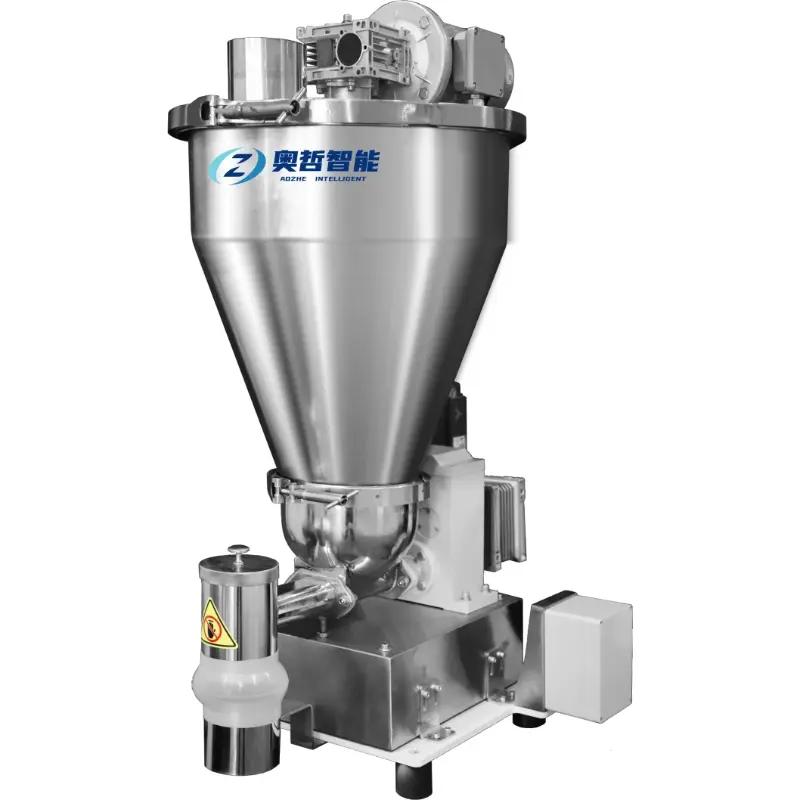
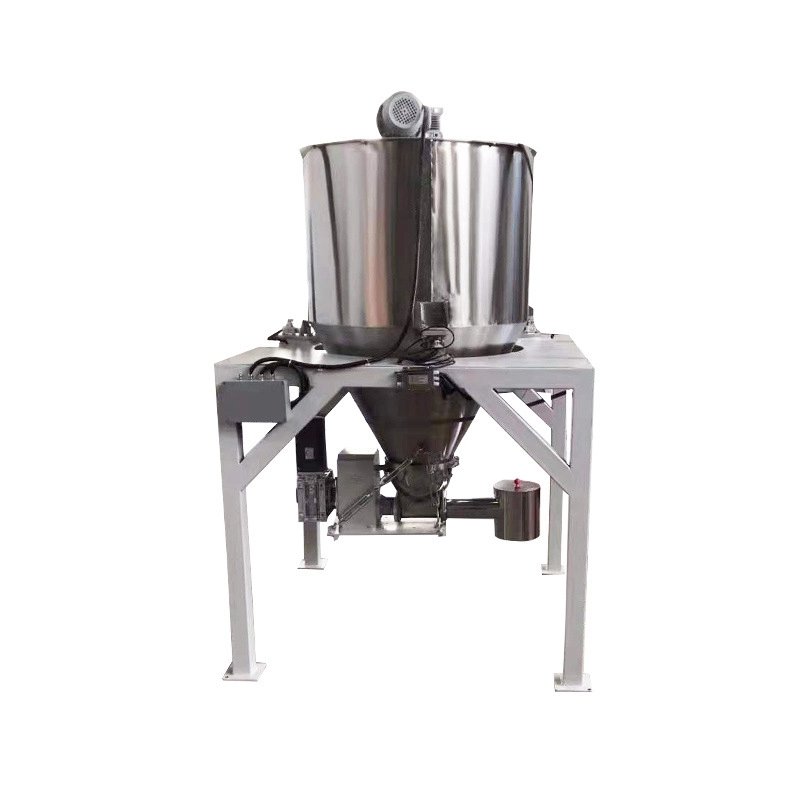
R: Sí. Para materiales propensos a formar puentes, cavidades o adherencias, los sistemas están equipados con configuraciones especializadas de doble husillo y agitadores horizontales dentro de la tolva. Esta agitación mecánica mantiene los polvos cohesivos en movimiento, asegurando un llenado uniforme y constante del husillo dosificador y manteniendo una alta precisión de medición.