



Choisir le bon équipement d'alimentation en vrac pour les matériaux à faible fluidité
Date de sortie : 27 avril 2026
Table des matières
Dans le monde complexe de la production industrielle, le traitement efficace des matières premières est la pierre angulaire du succès opérationnel. Cependant, tous les matériaux ne se valent pas. Si les granulés fluides se déplacent sans difficulté dans les lignes de production, les matériaux à faible fluidité – tels que les poudres collantes, les mélanges cohésifs et les fibres entrelacées – représentent un défi d'ingénierie majeur. Pour les responsables d'usine et les ingénieurs de procédés, le choix du matériau adéquat est crucial. équipement d'alimentation en vrac solide Il ne s'agit pas simplement d'une décision d'achat ; c'est une étape cruciale pour garantir la constance des produits, minimiser les temps d'arrêt et maximiser la rentabilité globale.
Avec l'essor de la production automatisée, la demande de précision dans manutention de matériaux en vrac peu fluides La demande n'a jamais été aussi forte. Ce guide complet explore les facteurs essentiels à prendre en compte lors du choix de systèmes d'alimentation pour les matériaux difficiles et explique comment optimiser votre ligne de production pour une efficacité maximale.
Comprendre les défis posés par les matériaux mal fluides
Avant de procéder au choix du matériel, il est essentiel de comprendre pourquoi certains matériaux refusent de s'écouler de manière constante. Les matériaux à faible fluidité présentent généralement une forte cohésion, une teneur en humidité importante ou des particules de forme irrégulière. Ces caractéristiques entraînent des interruptions d'écoulement fréquentes, notamment :
- Pontage (ou archage) : Le matériau forme une arche stable au-dessus de la sortie de la trémie, bloquant complètement l'écoulement.
- Trou à rats : Le matériau ne s'écoule que par un étroit canal central situé au-dessus de l'orifice de décharge, laissant des résidus stagnants sur les parois de la trémie.
- Inondation (ou chasse d'eau) : Les poudres fines hautement aérées se comportent soudain comme des liquides, se précipitant de manière incontrôlable à travers le distributeur.
Pour remédier à ces problèmes, les distributeurs automatiques standards sont rarement suffisants. Il faut donc des distributeurs spécialisés. solutions d'alimentation en poudre cohésive Des géométries spécifiques et des technologies d'aide à l'écoulement sont nécessaires pour maintenir un débit constant et précis.
Facteurs clés à prendre en compte lors du choix d'un équipement
Choisir le bon équipement d'alimentation en vrac solide Cela nécessite une évaluation globale de votre application spécifique. La solution optimale dépend de l'interaction entre le matériau, l'environnement et le résultat attendu.
1. Caractéristiques des matériaux
Les propriétés fondamentales de votre produit en vrac déterminent le type d'alimentateur nécessaire. Vous devez analyser :
- Masse volumique apparente : La densité fluctue-t-elle ou est-elle stable ?
- Taille et forme des particules : Vous travaillez avec des poudres fines, des paillettes ou des granulés abrasifs ?
- Teneur en humidité et température : Un taux d'humidité élevé augmente souvent la cohésion, tandis que des températures extrêmes peuvent modifier le comportement des matériaux.
2. Exigences en matière de vitesse d'avance et de précision
Quelle quantité de matière devez-vous déplacer et avec quelle précision doit-elle être mesurée ? Si votre procédé implique le mélange de principes actifs coûteux, une précision extrême est indispensable. Ceci est directement lié au débat sur… doseurs volumétriques vs. doseurs gravimétriques, car vos exigences en matière de précision détermineront la technologie fondamentale de votre équipement.
3. Espace et intégration
L'espace disponible dans les installations industrielles est souvent limité. Votre nouvel alimentateur doit s'intégrer parfaitement à vos systèmes de manutention existants. Tenez compte de la hauteur libre requise pour les trémies et les points de raccordement aux équipements en amont et en aval.
Types d'alimentateurs pour matériaux difficiles
Pour le dosage de produits solides visqueux, collants ou cohésifs, certains types de doseurs en vrac sont plus performants que d'autres. Voici les principales options pour les applications exigeantes :
Alimentateurs à vis simple et double
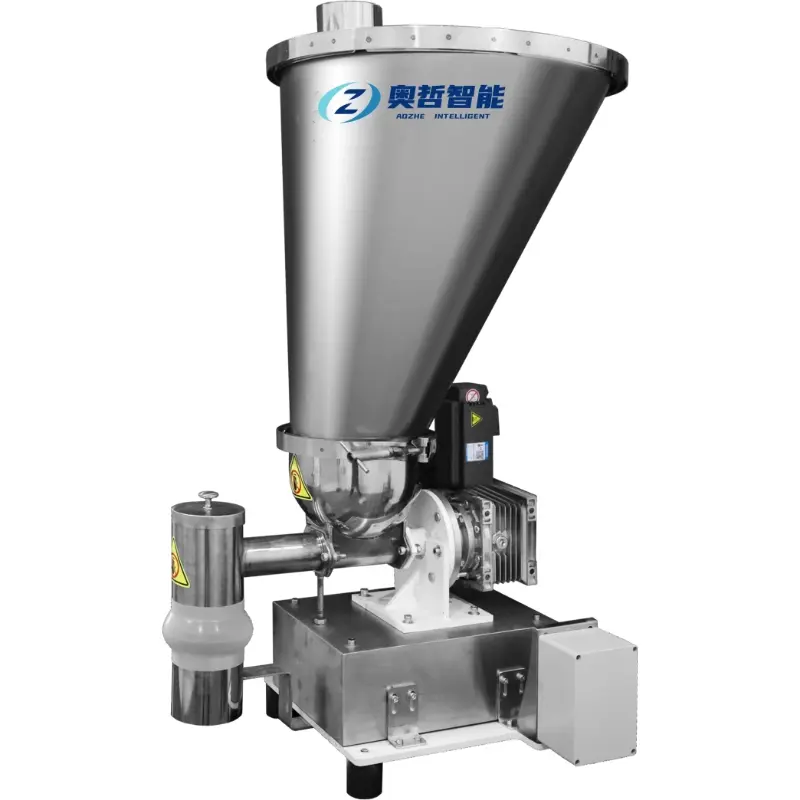
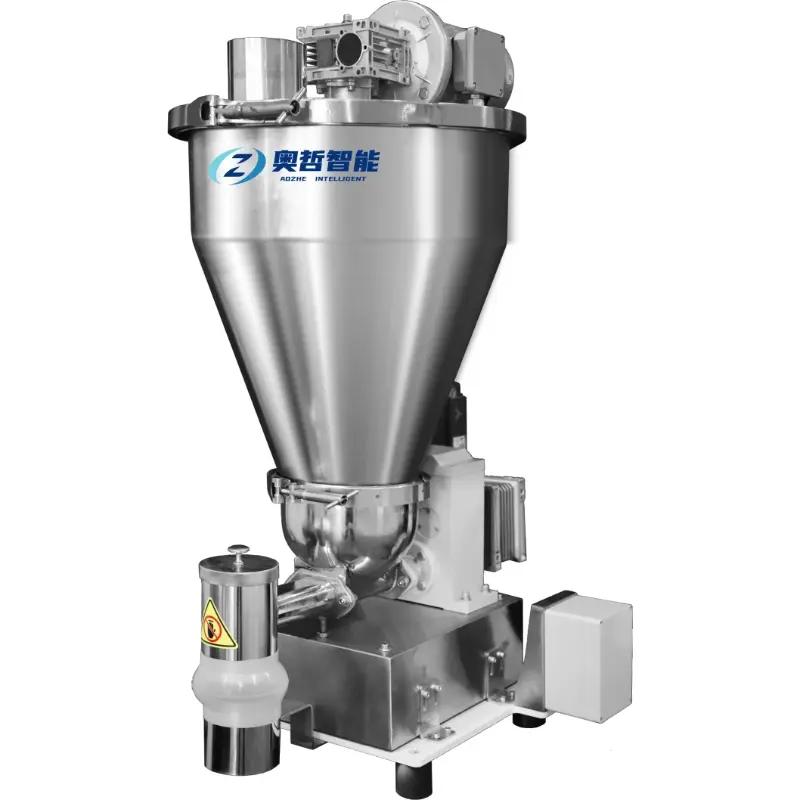
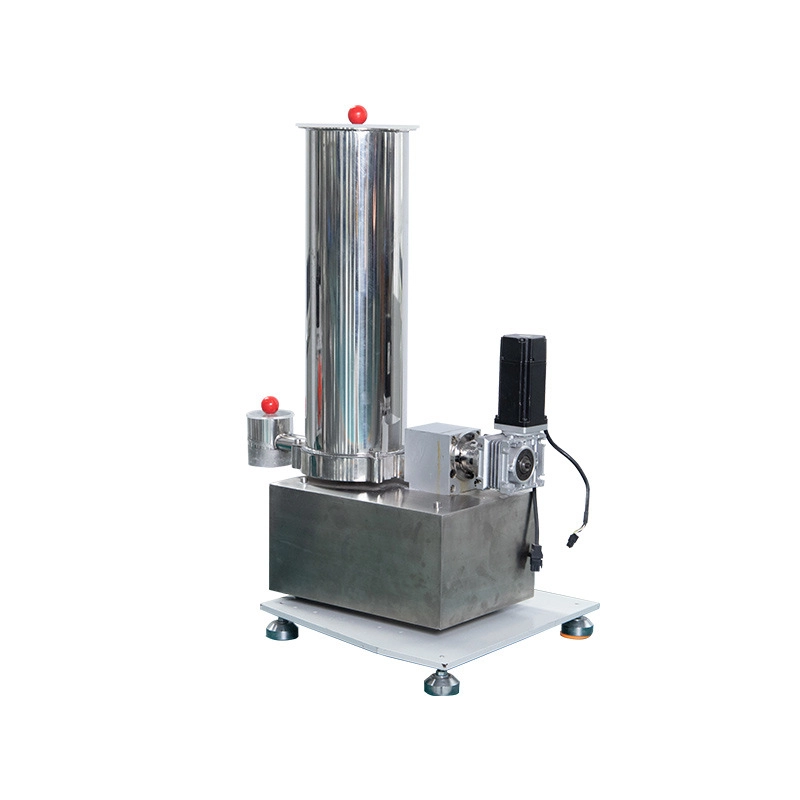
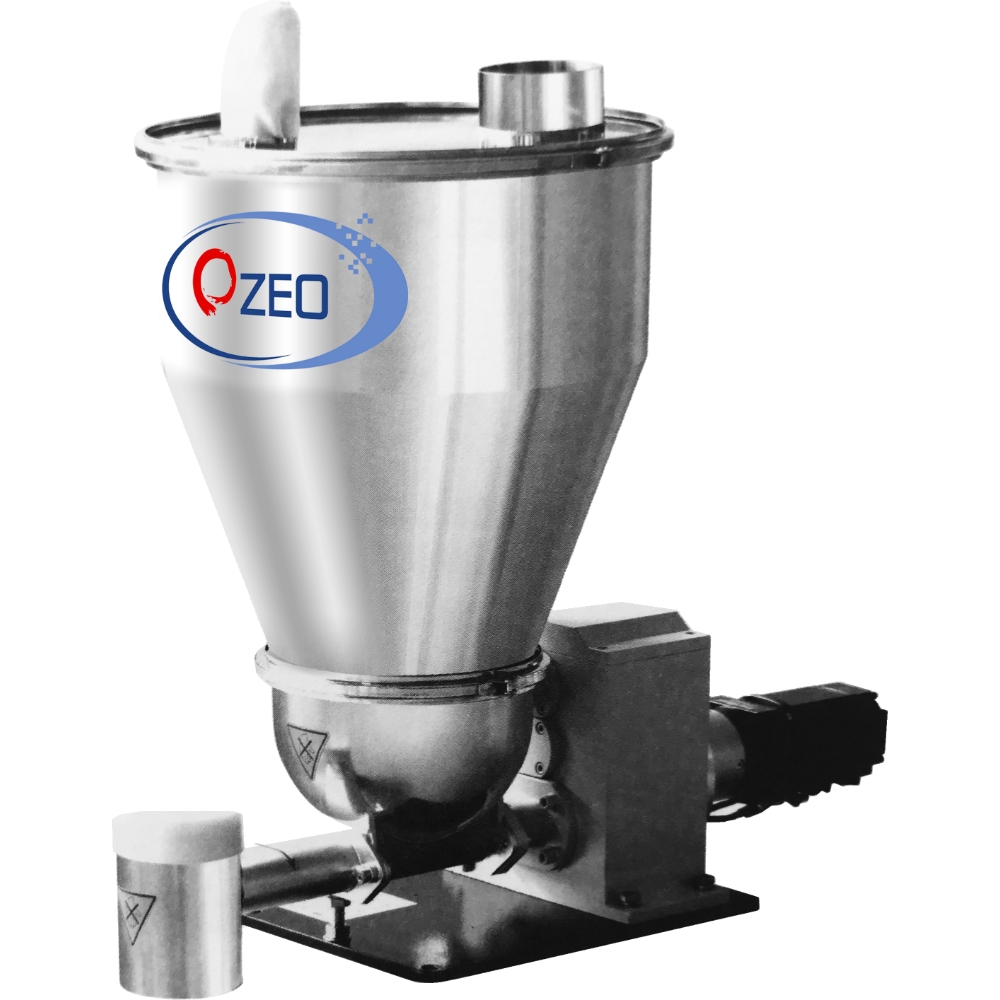
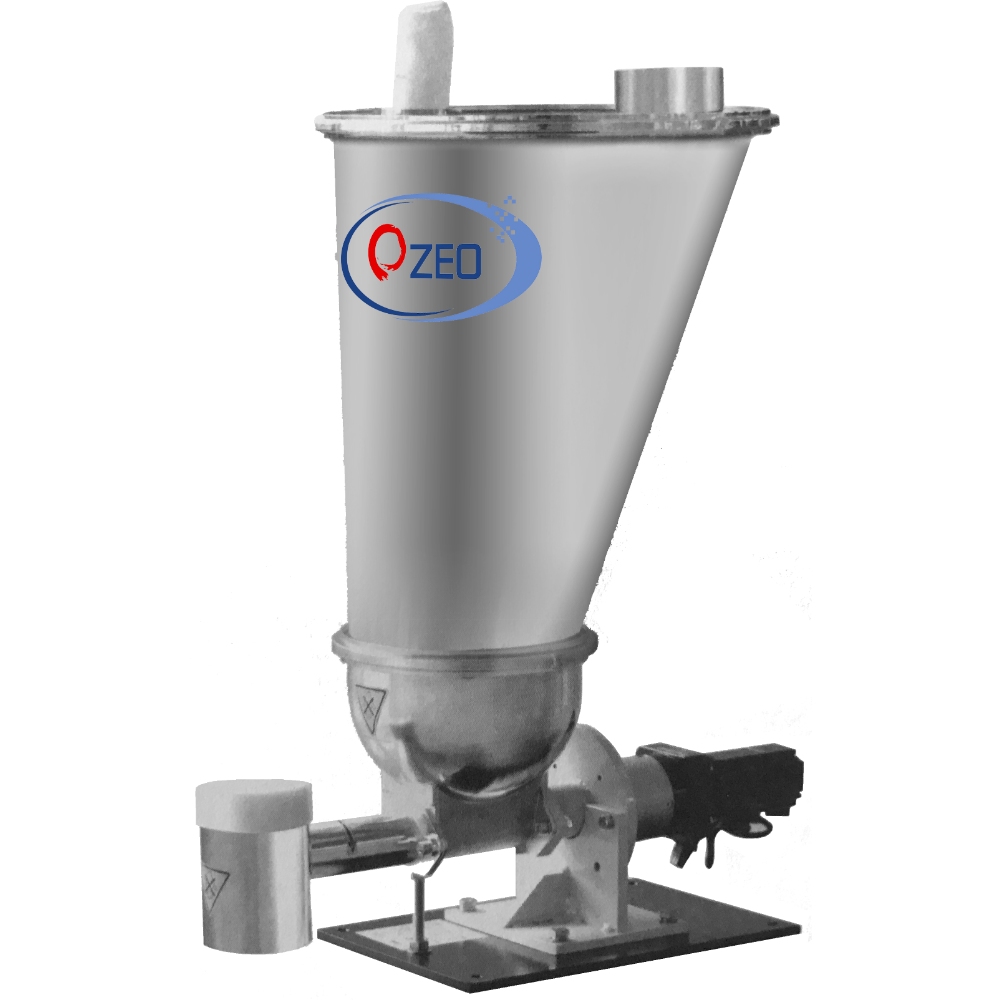
Les doseurs à vis sont les piliers de l'industrie de la manutention des produits en vrac. Pour les solides à faible fluidité, les doseurs à double vis sont souvent privilégiés. L'engrènement des vis crée un effet autonettoyant qui empêche l'accumulation de matière sur les spires. Ils sont très efficaces pour prévenir la formation de ponts et de terriers lorsqu'il est associé à une trémie de conception optimale et à un agitateur interne.
Alimentateurs vibrants
Les alimentateurs vibrants utilisent des vibrations contrôlées pour déplacer des matériaux le long d'un plateau ou d'une rigole. Bien qu'excellents pour les matériaux fragiles ou abrasifs, les alimentateurs vibrants standard peuvent rencontrer des difficultés avec les poudres très cohésives, qui risquent d'absorber les vibrations sans s'écouler. En revanche, pour les matériaux imbriqués (comme la fibre de verre ou les copeaux de bois), les systèmes vibrants haute performance peuvent se révéler extrêmement efficaces.
Systèmes gravimétriques vs. systèmes volumétriques
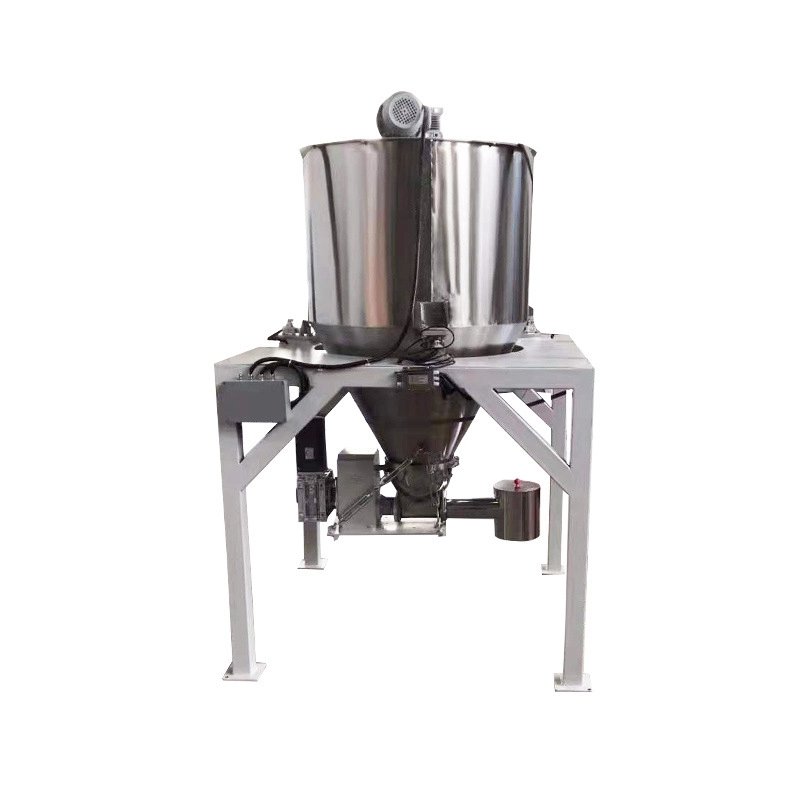
Lorsque la précision est primordiale, notamment avec des matériaux dont la densité apparente varie au fil du temps, choisir un aliment pour la perte de poids (un type de doseur gravimétrique) est la meilleure décision technique.
Doseurs volumétriques : Le débit de fluide est calculé en fonction du volume (par exemple, un certain nombre de tours de vis par minute). Ces systèmes sont économiques, mais supposent une densité apparente constante, ce qui est rare pour les matériaux peu fluides.
Doseurs gravimétriques : Le dosage précis du matériau est assuré par pesée en temps réel, avec ajustement automatique de la vitesse d'alimentation pour compenser les variations de densité. Ceci garantit un dosage massique rigoureux et un contrôle qualité strict.
Accessoires essentiels : aides à la fluidité et à l'agitation
Même les alimentateurs à vis ou vibrants les plus performants ne peuvent fonctionner correctement si le matériau ne peut pas sortir de la trémie. Pour les matériaux particulièrement difficiles à évacuer, l'intégration aides au déchargement de matériaux industriels est obligatoire.
Agitateurs mécaniques : Placées à l'intérieur de la trémie, juste au-dessus du mécanisme d'alimentation, ces lames rotatives brisent physiquement les ponts et maintiennent le matériau en mouvement vers l'entrée de l'alimentateur.
Trémies flexibles en polyuréthane : Certains doseurs perfectionnés utilisent des trémies à parois flexibles associées à des palettes de massage externes. Cette flexion continue empêche les poudres cohésives d'adhérer aux parois.
Déchargeurs de trémies vibratoires : Fixés au fond du silo ou de la trémie, ces dispositifs transmettent des vibrations directement au matériau, favorisant ainsi un écoulement de masse plutôt qu'un écoulement en entonnoir.
Le retour sur investissement de la qualité
Bien que les systèmes de manutention de produits en vrac haut de gamme nécessitent un investissement initial plus important, le retour sur investissement (RSI) à long terme est substantiel. Un équipement de qualité inférieure entraîne des arrêts de production fréquents, du gaspillage de produit dû à un dosage imprécis et des coûts de maintenance excessifs. En s'associant à des fabricants expérimentés pour la mise en œuvre systèmes de dosage fiables pour solides en vrac, Les installations peuvent ainsi assurer des cycles de production continus et ininterrompus, maintenir une stricte constance d'un lot à l'autre et réduire considérablement leur coût total de possession.
Conclusion
La gestion des matériaux à faible fluidité est une science complexe, mais elle ne doit pas nécessairement constituer un goulot d'étranglement pour la production. En comprenant parfaitement les caractéristiques uniques de votre matériau et en privilégiant les technologies de pointe telles que les presses à double vis, l'agitation interne et le pesage gravimétrique, vous pouvez mettre en place un processus de fabrication performant. Investir dans les technologies appropriées est essentiel. équipement d'alimentation en vrac solide est un investissement dans la fiabilité, la précision et la rentabilité future de l'ensemble de vos opérations.
Foire aux questions (FAQ)
Q1 : Quelle est la principale différence entre les doseurs volumétriques et gravimétriques pour les matériaux à faible écoulement ?
UN: Les doseurs volumétriques mesurent le débit de matière (vitesse/déplacement), ce qui est moins précis pour les matériaux peu fluides car leur masse volumique apparente fluctue souvent. Les doseurs gravimétriques (comme les systèmes à perte de poids) pèsent la matière en continu et ajustent le débit en temps réel, offrant une grande précision quelles que soient les variations de masse volumique ou de fluidité du matériau.
Q2 : Comment puis-je empêcher mes matériaux solides en vrac de former des ponts et des trous dans la trémie ?
UN: La méthode la plus efficace consiste à repenser la trémie pour un écoulement de masse (ce qui nécessite souvent des angles de paroi plus prononcés) et à utiliser des dispositifs d'aide à la vidange. L'installation d'agitateurs mécaniques à l'intérieur de la trémie, l'utilisation de trémies flexibles avec des palettes de massage externes ou l'ajout de videurs vibrants permettent de briser physiquement les voûtes et d'assurer un débit régulier vers l'alimentateur.
Q3 : Les doseurs à double vis sont-ils toujours meilleurs que les doseurs à vis unique pour les poudres cohésives ?
UN: Dans la plupart des cas impliquant des poudres très cohésives ou collantes, les doseurs à double vis offrent des performances nettement supérieures. L'engrènement des deux vis crée un effet autonettoyant, empêchant la poudre collante d'adhérer aux vis et de bloquer le passage d'alimentation, un problème fréquemment rencontré avec les systèmes à vis unique.