

How to Choose a High-Precision Micro-Flow Loss-in-Weight Feeder for Pharmaceutical Lab
Release time: 2026-02-26
Table of Contents
In pharmaceutical research and pilot production, accuracy is never a minor detail. Whether you are dosing active ingredients, handling excipients, or conducting formulation trials, even a small deviation can affect test results. That’s why selecting the right micro-flow loss-in-weight feeder is so important for laboratory environments.
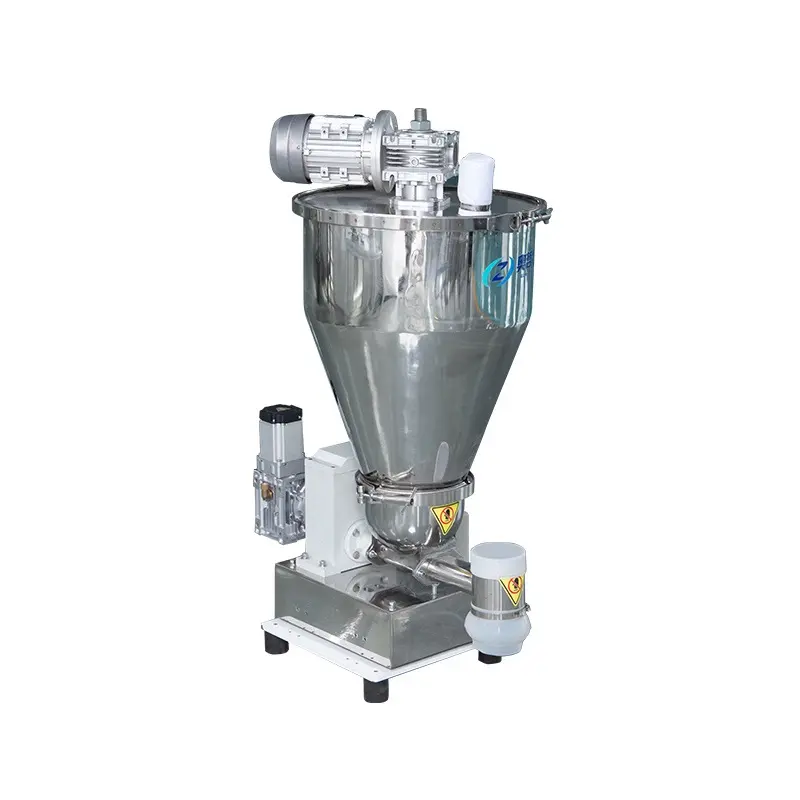
Unlike conventional volumetric feeders, a micro-flow gravimetric feeder continuously measures weight loss over time, automatically adjusting the feed rate to maintain precise dosing. For pharmaceutical labs working with low feed rates—often just a few grams per hour—this level of control is essential.
Focus on Ultra-Low Feed Rate Stability
Pharmaceutical labs typically require microdosing systems capable of stable operation at extremely low throughputs. When evaluating a micro-flow loss-in-weight feeder, look beyond the nominal feed rate range.
Key points to check include:
- Minimum stable feed rate (e.g., below 50 g/h or even 10 g/h)
- Repeatability under continuous operation
- Sensitivity of the weighing module
A high-resolution load cell combined with advanced filtering algorithms ensures the system can detect subtle weight changes without being affected by environmental vibration or airflow. For cleanroom use, this becomes even more critical.
Material Compatibility and Cleanability
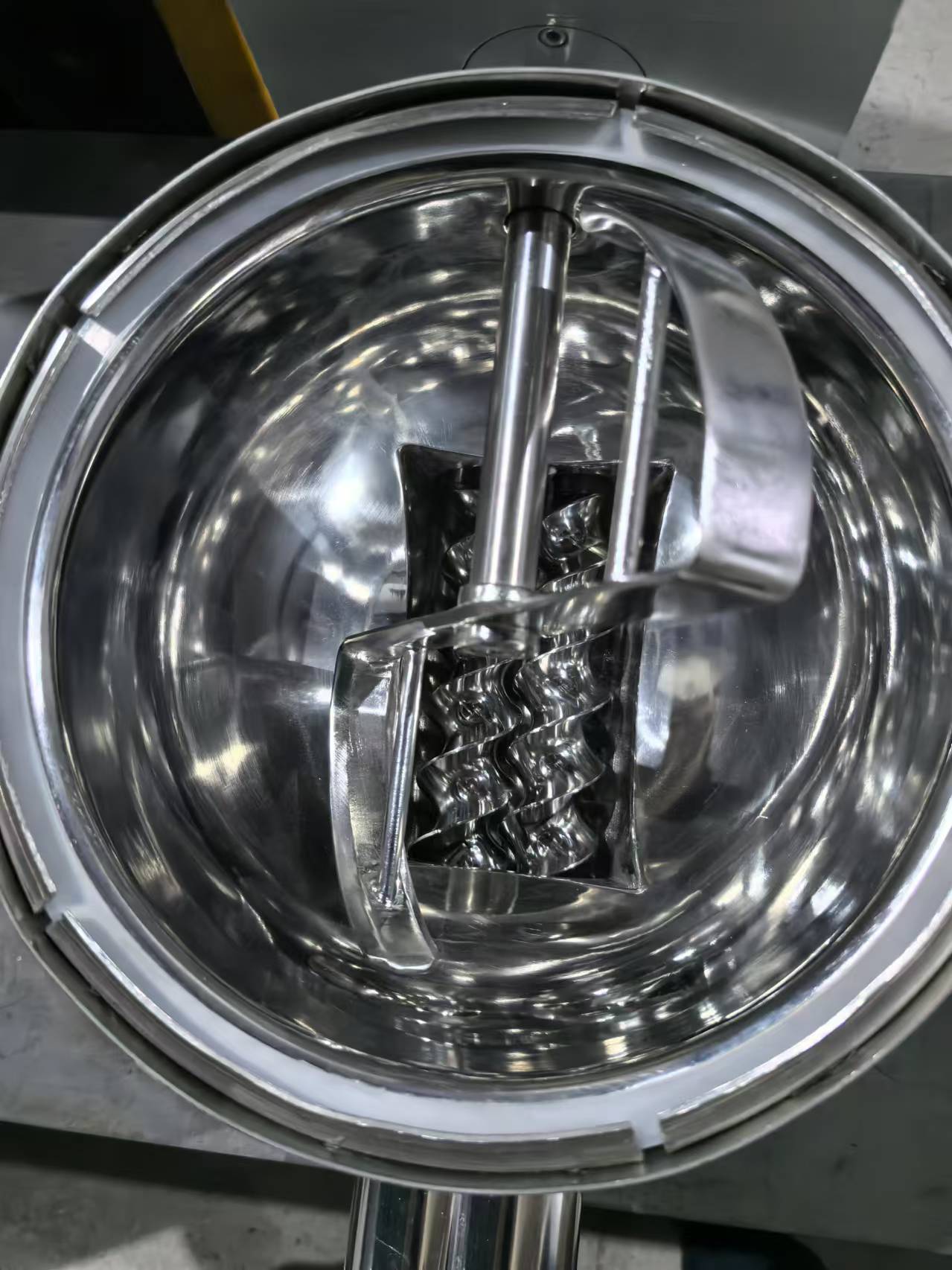
In pharmaceutical R&D, material changeover is frequent. Powders may range from fine APIs to cohesive excipients or free-flowing granules. A high-precision micro-flow loss-in-weight feeder should offer:
- Interchangeable screw designs for different powder characteristics
- Easy disassembly for cleaning
- Smooth internal surfaces to prevent residue buildup
Stainless steel contact parts and tool-free removal designs can significantly reduce downtime. For labs operating under GMP standards, easy cleaning and documentation support are not optional—they are mandatory.
Control System and Data Integration
Modern pharmaceutical labs rely heavily on data. A microdosing feeder should integrate smoothly with lab-scale extruders, tablet presses, or continuous mixing systems.
Look for:
- Real-time feed rate display
- Data logging and export capability
- Communication interfaces such as Ethernet or industrial fieldbus
Precise control algorithms help maintain consistent gravimetric feeding performance, even when material flow properties fluctuate during trials.
Footprint and Lab Adaptability
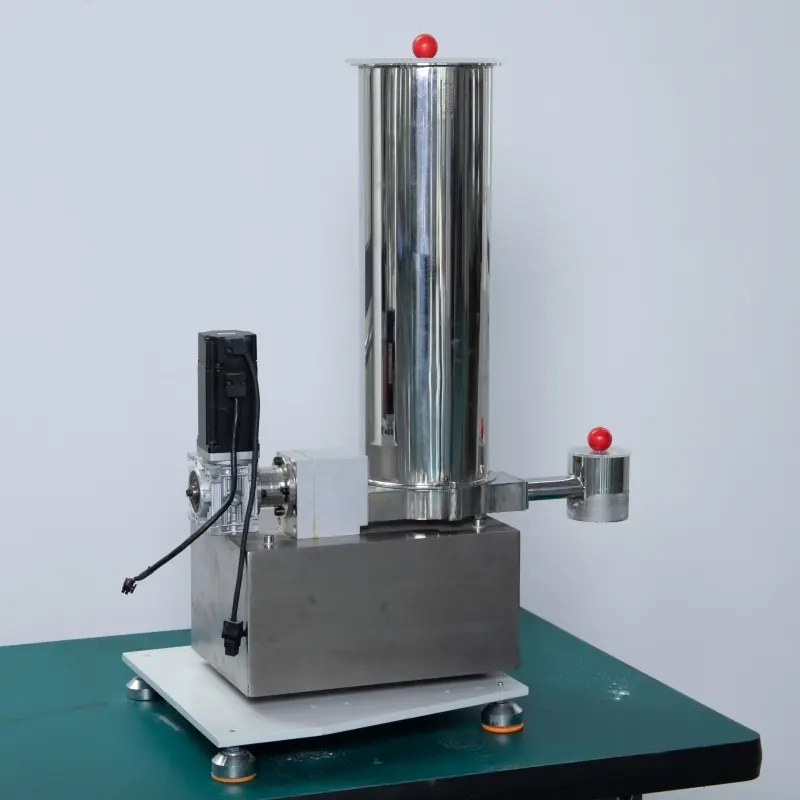
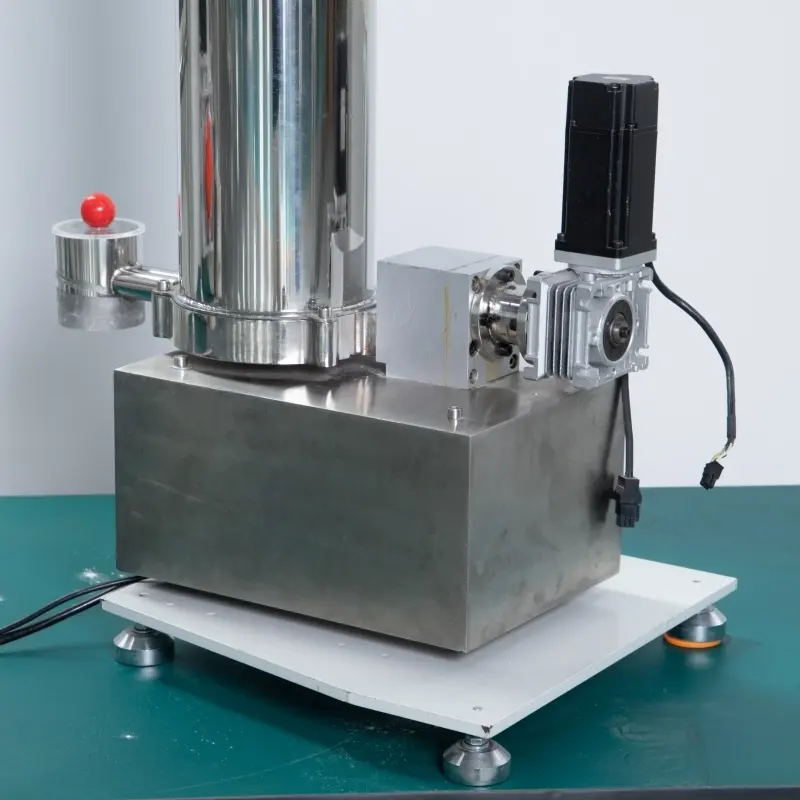
Laboratory space is often limited. A compact micro-flow gravimetric feeder with a modular design allows flexible placement on benches or mobile frames. Noise level and ease of operation also matter, especially in shared R&D spaces.
Why Many Labs Choose Awesome Intelligent
With years of experience in precision feeding systems, Awesome Intelligent has developed micro-flow loss-in-weight feeders specifically for laboratory and pilot-scale pharmaceutical applications. Their systems are designed to deliver stable microdosing, reliable long-term accuracy, and user-friendly operation—without unnecessary complexity.
For labs that need repeatable, high-precision powder feeding in a controlled environment, this combination of performance and practicality makes a real difference.
FAQ
1. What feed rate range is typical for a micro-flow loss-in-weight feeder?
In pharmaceutical labs, feed rates often range from a few grams per hour up to several kilograms per hour. True micro-flow systems are optimized for ultra-low, highly stable dosing.
2. How accurate is a gravimetric microdosing feeder?
High-quality systems can achieve very tight control accuracy, often within
±0.5% or better, depending on material characteristics and environmental conditions.
3. Can one feeder handle different powder types?
Yes. With interchangeable screws and proper configuration, a micro-flow loss-in-weight feeder can handle cohesive powders, fine APIs, and free-flowing granules, provided the system is correctly matched to the material properties.
Choosing the right micro-flow loss-in-weight feeder is ultimately about consistency, control, and clean design. In pharmaceutical research, precision isn’t a luxury—it’s the foundation of reliable results.