


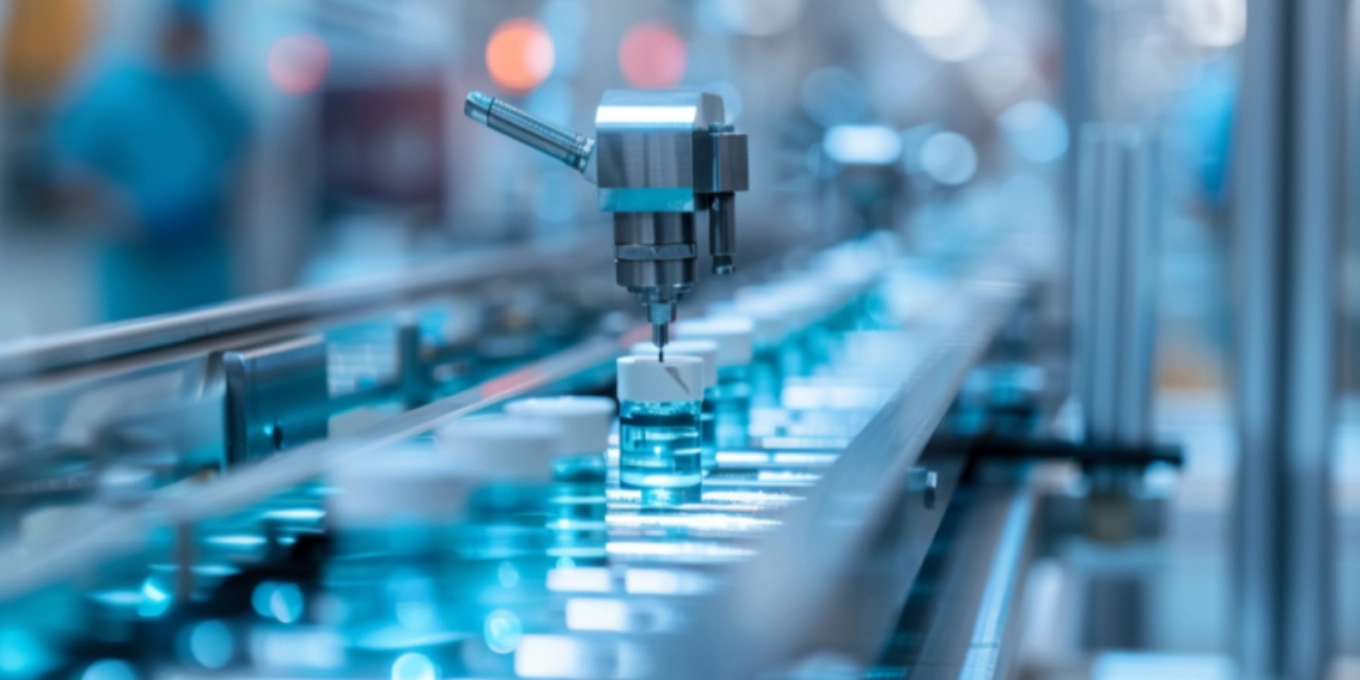
Reducing Chemical Additive Waste: The ROI of a Precision Liquid Loss-in-Weight Feeder
Release time: 2026-04-15
In modern industrial manufacturing—spanning plastics compounding, pharmaceutical formulations, food processing, and specialty chemicals—liquid additives play a transformative role. Ingredients such as catalysts, plasticizers, liquid colorants, cross-linking agents, and flavorings are critical to the final product’s performance and aesthetics. However, these liquid chemicals are frequently the most expensive components in the entire formulation recipe.
Relying on outdated or inaccurate dosing methods leads to a silent but massive drain on profitability. To guarantee product quality, operators using legacy volumetric systems often over-feed these expensive additives to ensure minimum spec requirements are met. This practice, known as “giveaway,” directly erodes profit margins. The definitive solution to this widespread industry challenge is the integration of a precision liquid loss-in-weight feeder.
By shifting from volume-based approximations to exact mass-based measurement, manufacturers can drastically reduce consumption, ensure absolute batch consistency, and achieve a surprisingly rapid Return on Investment (ROI). In this comprehensive analysis, we will explore how upgrading your dosing technology can eliminate waste and transform your production economics.
The Hidden Costs of Traditional Volumetric Liquid Dosing
To appreciate the value of a gravimetric system, we must first understand the limitations of volumetric liquid feeding. Volumetric pumps (like basic gear or peristaltic pumps without load cell feedback) dispense liquid based on volume—typically a specific number of pump revolutions per minute.
The fatal flaw in this method is that liquids are highly susceptible to environmental and physical changes. Factors such as ambient temperature fluctuations, sheer stress, and batch-to-batch chemical variations can significantly alter the liquid’s viscosity and specific gravity. When a liquid becomes colder and more viscous, a volumetric pump will move less actual mass per revolution, leading to an under-dosed product. Conversely, if the liquid warms up, the system will overdose.
Furthermore, as pump components naturally wear down over time, their volumetric efficiency drops. To compensate for these unpredictable variables, plant managers often set the feed rates higher than necessary. While this prevents off-spec products from being rejected, it severely contradicts the goal of reducing chemical additive waste and ultimately costs the facility hundreds of thousands of dollars annually.
What is a Liquid Loss-in-Weight Feeder?
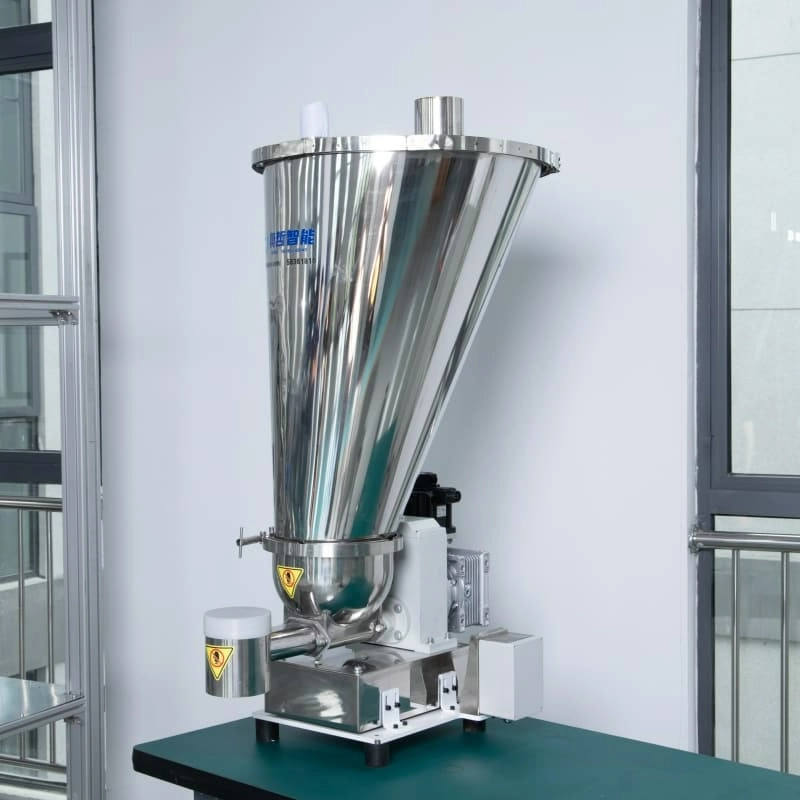
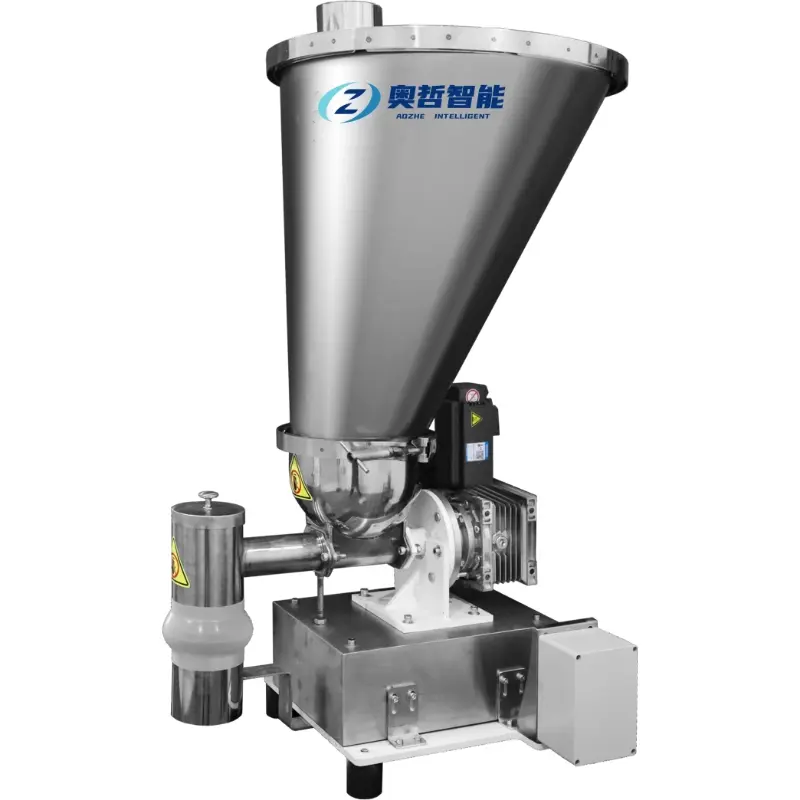
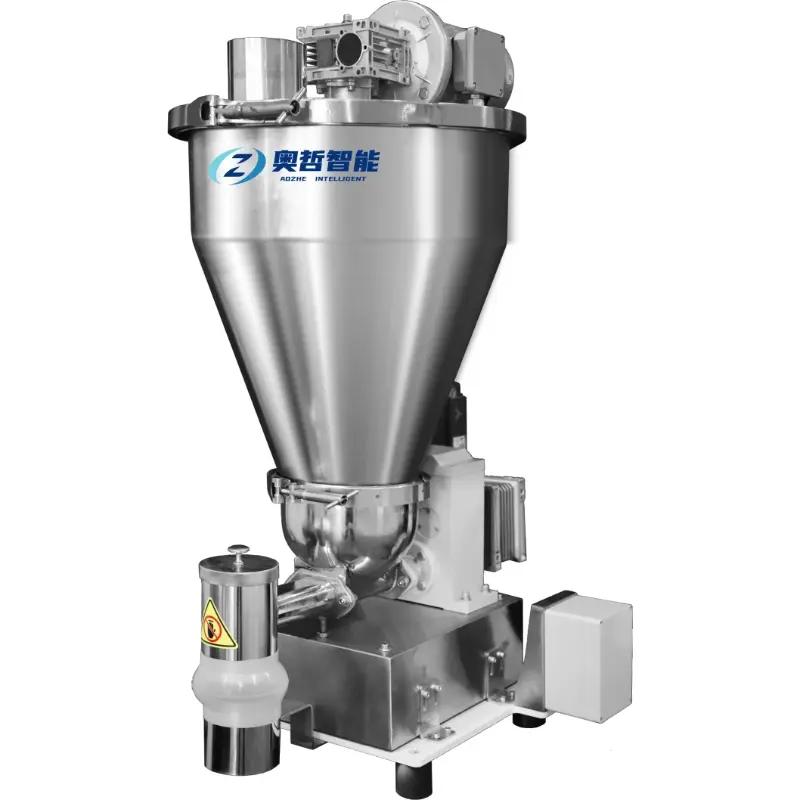
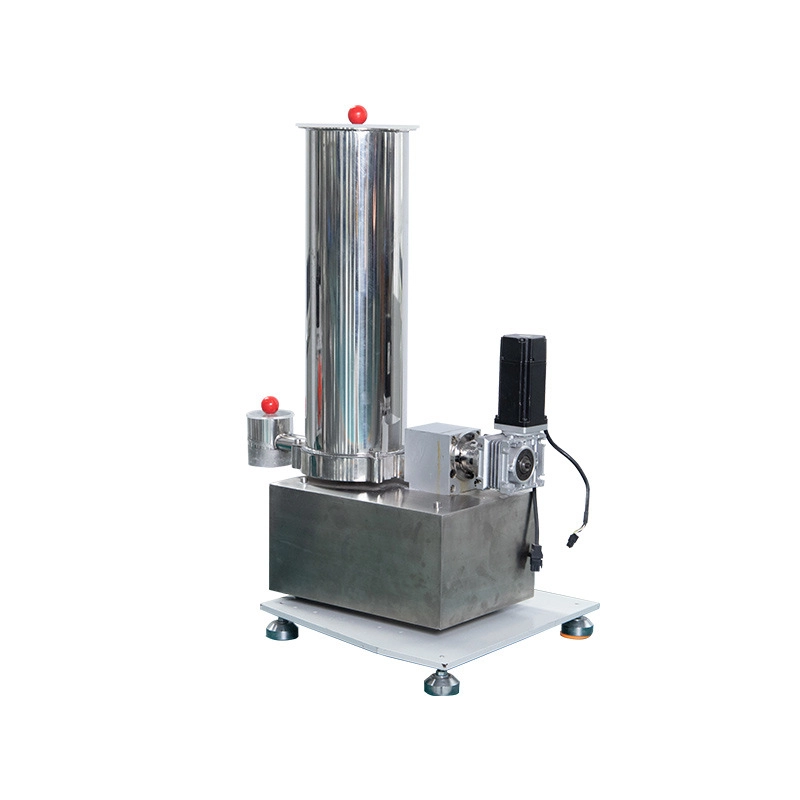
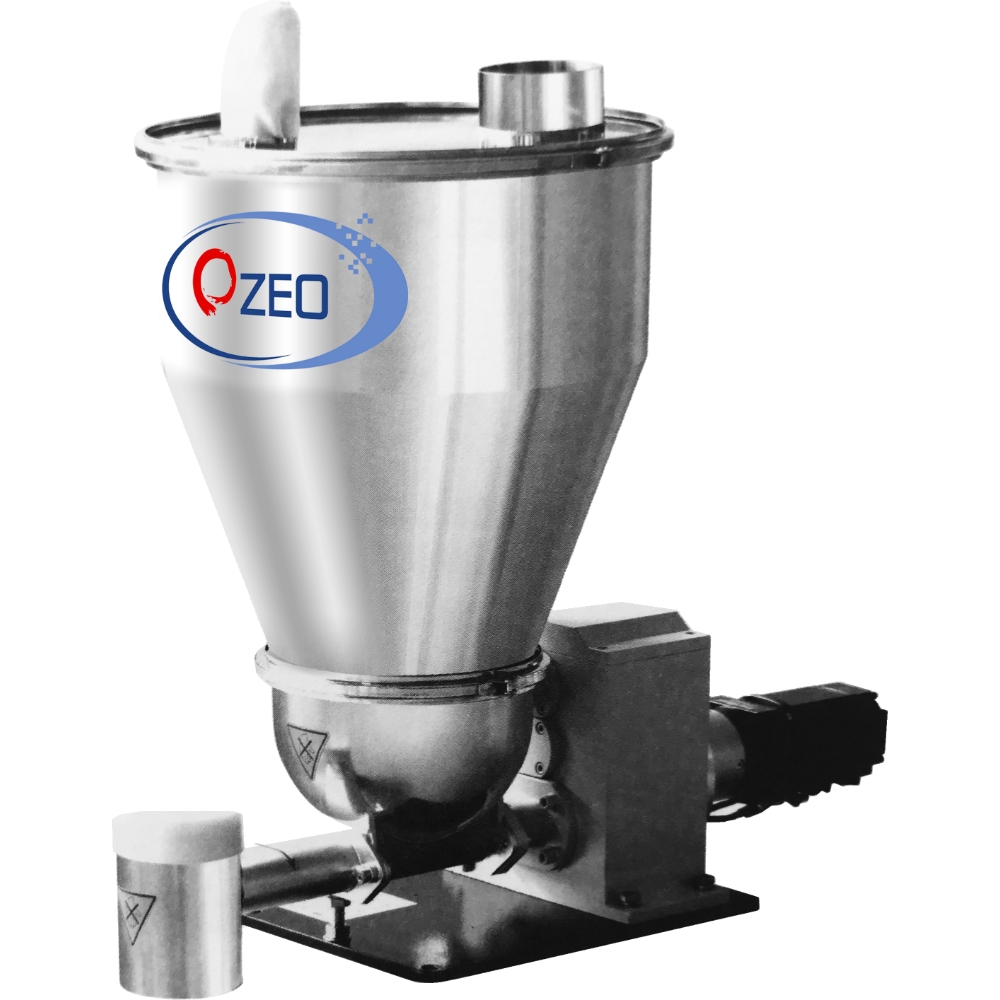
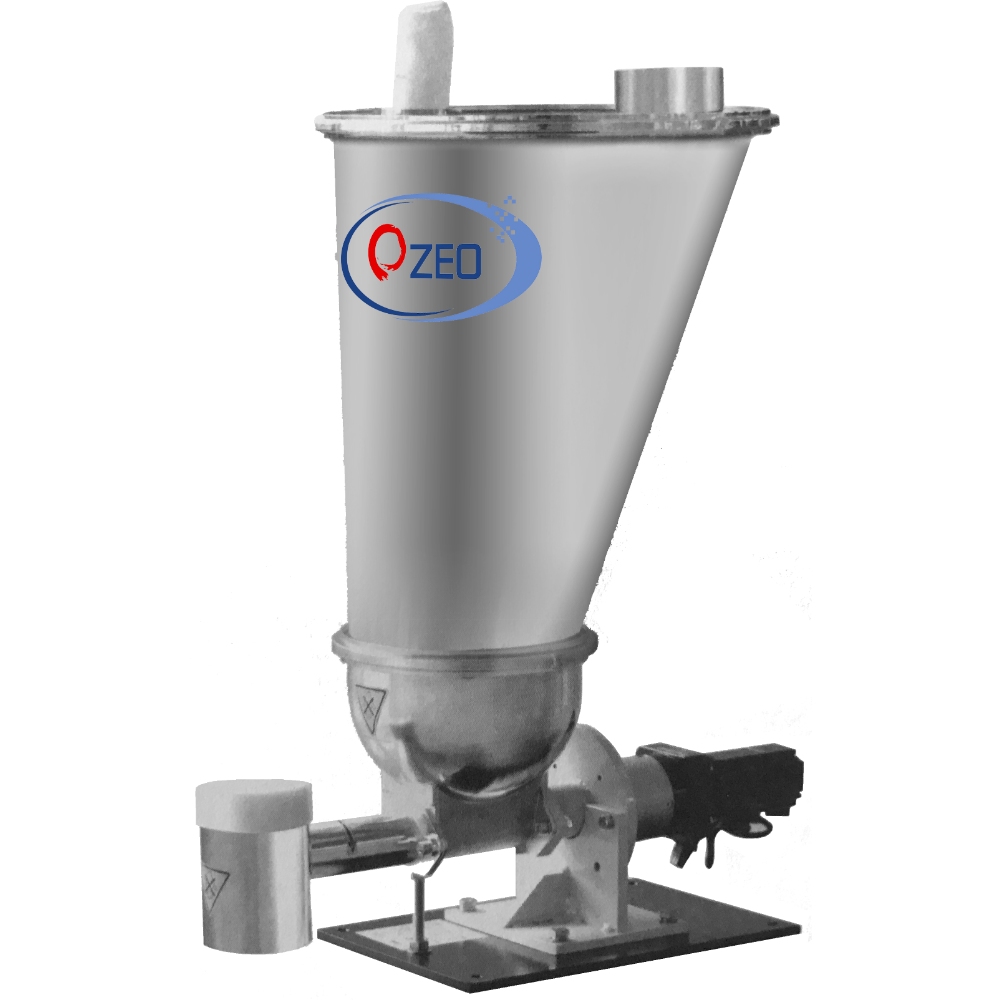
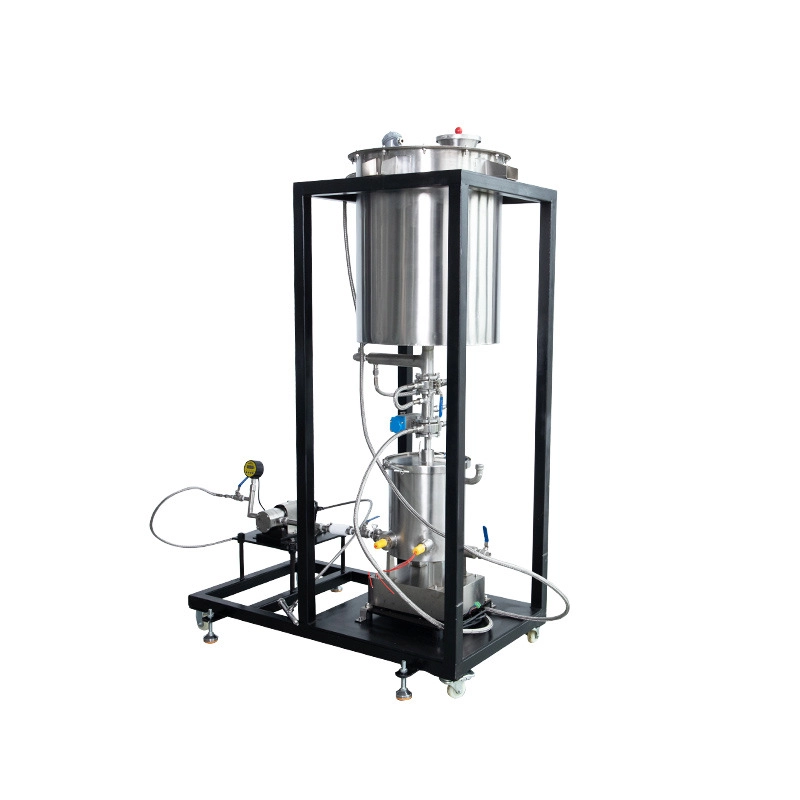
A liquid loss-in-weight feeder fundamentally changes the dosing paradigm from volume to mass. It is a highly sophisticated gravimetric feeding system consisting of three primary components: a liquid supply tank (or hopper), a highly sensitive weighing mechanism (load cells), and a variable-speed liquid pump.
How the Technology Works
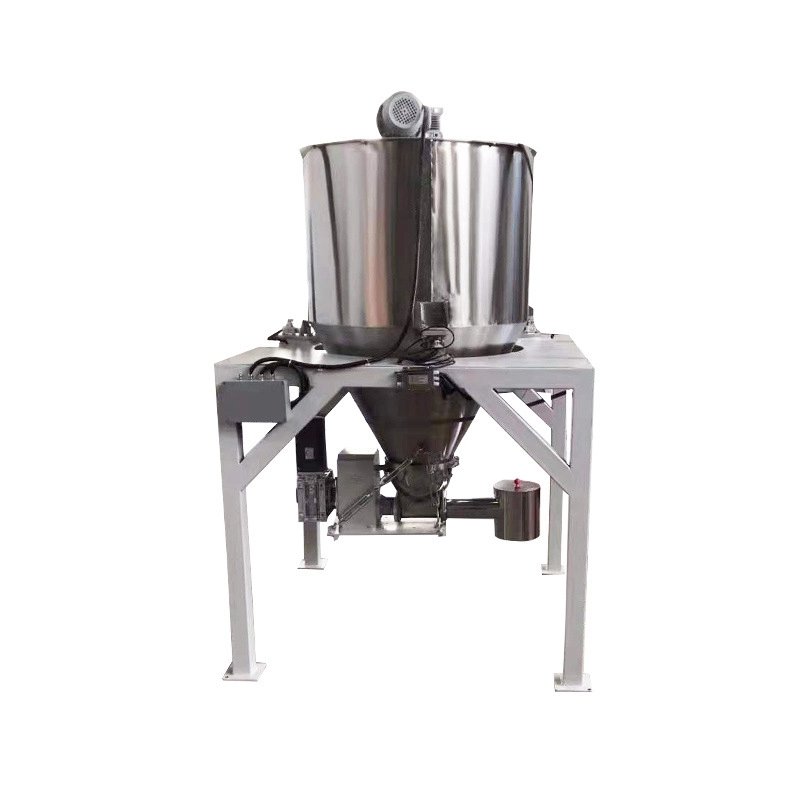
The entire tank and pump assembly is suspended on or supported by high-resolution load cells. As the pump dispenses the liquid additive into the main process stream (such as an extruder or a continuous mixer), the load cells continuously measure the precise weight of the liquid leaving the tank.
The system’s microprocessor continuously calculates the actual mass flow rate by measuring the “loss in weight” over specific fractions of a second. If the liquid’s viscosity changes or the pump efficiency fluctuates, the automated closed-loop liquid feeding controller instantly detects the deviation in mass flow and adjusts the pump’s motor speed in real-time to correct it. This guarantees that the exact prescribed mass of the chemical additive is delivered, regardless of external variables.
Calculating the ROI: Where the Savings Happen
Investing in advanced liquid loss-in-weight feeder technology requires upfront capital, but the financial justification is compelling. The Return on Investment is typically realized through three primary channels:
1. Elimination of Additive “Giveaway”
The most immediate and quantifiable ROI comes from chemical savings. Because gravimetric feeders operate with an accuracy of ±0.1% to ±0.5% of the set point, manufacturers no longer need to over-feed to compensate for volumetric inaccuracies.
For example, if a facility uses an expensive liquid catalyst costing $20 per kilogram at a rate of 50 kg per hour, a mere 3% over-feed (common in volumetric systems) costs the company $30 an hour. In a 24/7 operation running 8,000 hours a year, that translates to $240,000 in wasted chemicals annually. By implementing high-accuracy liquid additive dosing, this giveaway is virtually eliminated, often paying for the feeder equipment within the first few months of operation.
2. Drastic Reduction in Scrap and Rework
In industries like medical plastics or aerospace composites, strict quality control is non-negotiable. If a liquid additive like a UV stabilizer or a cross-linker drops below the required concentration, the entire production run may fail quality assurance testing.
These off-spec products must be scrapped, sold at a heavy discount, or expensively reprocessed. By ensuring perfect recipe adherence, continuous liquid gravimetric feeding systems minimize the production of out-of-specification materials. Saving just one or two major production runs from the scrap bin can justify the entire cost of the equipment.
3. Minimized Downtime and Process Optimization
Advanced loss-in-weight controllers are equipped with smart diagnostic tools. They can alert operators to potential issues—such as pipeline blockages, pump wear, or empty supply tanks—before they cause a catastrophic line shutdown.
As a leader in industrial dosing technology, Awesome understands that unexpected downtime is the enemy of profitability. By integrating seamlessly with plant-wide PLC and SCADA systems, modern gravimetric feeders provide data-rich insights that empower predictive maintenance and continuous process improvement.
Key Considerations for System Selection
Not all liquid feeders are created equal. When selecting a system to maximize your ROI, consider the following critical factors:
Pump Selection: The pump must be precisely matched to the chemical’s properties. Gear pumps are excellent for clean, lubricating liquids, while diaphragm or progressive cavity pumps are better suited for handling high-viscosity liquid additives or shear-sensitive fluids.
Vibration Immunity: Factory environments are noisy and vibrate constantly. High-end systems utilize advanced digital filtering algorithms to distinguish between true weight loss and mechanical vibrations from nearby extruders or forklifts.
Refill Mechanisms: Because the feeder must continuously supply liquid, the tank must periodically be refilled from a bulk source. The system must be capable of switching to a highly accurate volumetric mode during the brief refill phase, seamlessly returning to gravimetric control once the tank is full.
Conclusion
In an era where raw material costs are volatile and sustainability mandates are increasingly strict, operating inefficient production lines is no longer viable. Clinging to outdated volumetric dosing methods represents a significant opportunity cost.
The ROI of gravimetric liquid feeders is proven, rapid, and sustainable. By eliminating chemical waste, ensuring uncompromising product quality, and maximizing line uptime, a precision liquid loss-in-weight feeder transforms a critical manufacturing vulnerability into a measurable competitive advantage. Partnering with proven experts like Awesome ensures that your liquid dosing systems are engineered to exact specifications, securing your profitability for years to come.
Awesome Intelligent Expands South American Footprint with Recent Shipment to Argentina
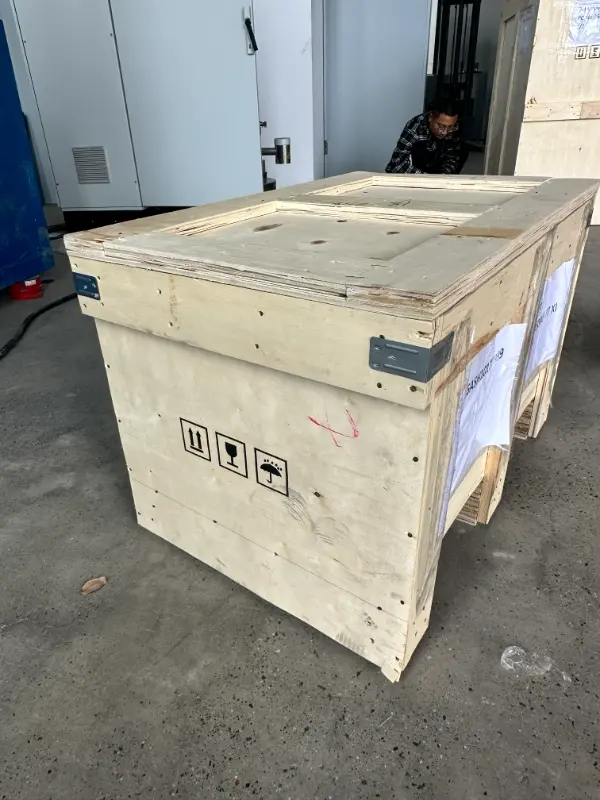
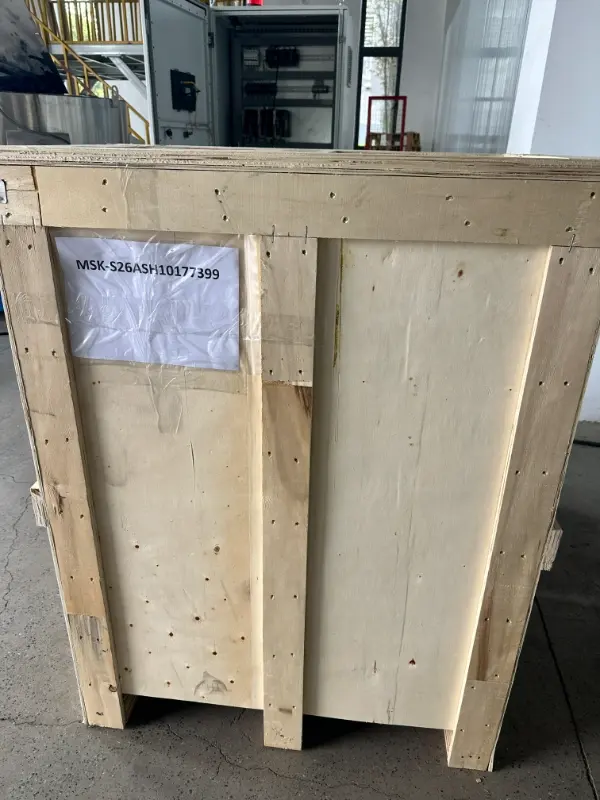
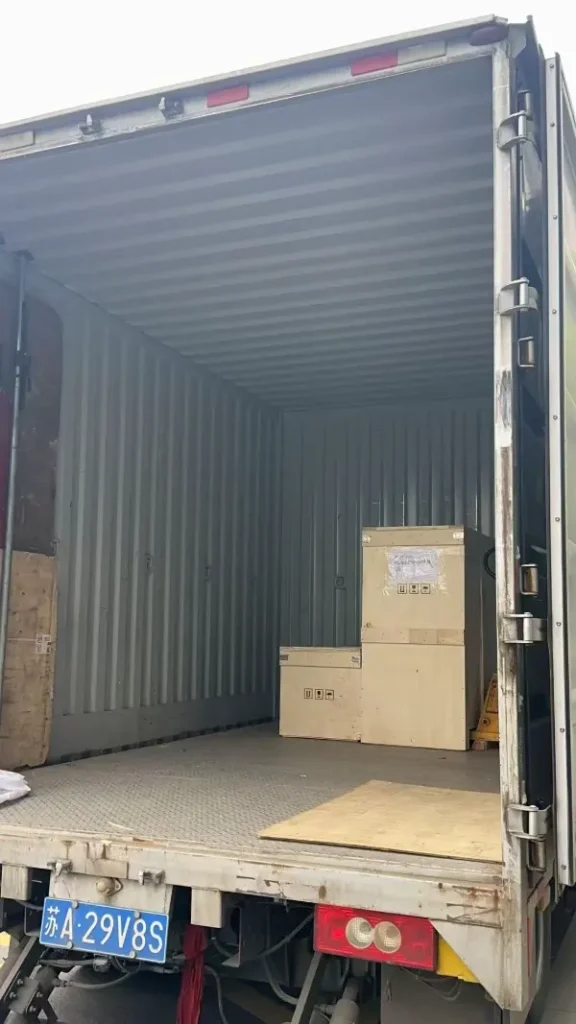
April 8, 2026 – Awesome Intelligent successfully dispatched a customized Twin-Screw Loss-in-Weight Feeding System and corresponding accessories to a key client in Argentina today.
This shipment highlights our growing presence in the South American market. Our twin-screw feeders are engineered to solve the “difficult material” problem, providing the stable, gravimetric control required for high-quality extrusion lines.
We remain committed to delivering “Material feeding, weighing, and conveying” excellence to customers worldwide.
Frequently Asked Questions (FAQs)
Q1: How does a liquid loss-in-weight feeder handle sudden changes in liquid temperature?
A: Unlike volumetric pumps that suffer from temperature-induced viscosity changes, a loss-in-weight feeder is inherently immune to these physical variations. Because the system constantly measures the actual mass leaving the tank, if a temperature drop makes the liquid thicker and slows the flow, the controller instantly detects the reduced weight loss and automatically increases the pump speed to maintain the exact required mass flow rate.
Q2: Can these systems handle highly corrosive or hazardous chemical additives?
A: Yes, absolutely. The wetted parts of the liquid feeder (the tank, piping, and pump internals) can be constructed from highly resistant materials such as 316L stainless steel, Hastelloy, or specialized polymers like PTFE (Teflon). Additionally, for hazardous or explosive environments, the load cells, motors, and controllers can be designed to meet strict ATEX or Class/Division explosion-proof ratings to ensure maximum operator and facility safety.
Q3: What is the typical payback period (ROI timeline) for a precision liquid loss-in-weight feeder?
A: While it depends on the specific cost of the liquid additive and the production volume, the payback period is exceptionally short compared to other industrial equipment. For high-value chemicals (like specialty catalysts, pharma active ingredients, or expensive pigments), facilities often see a complete return on investment within 3 to 6 months simply from the elimination of chemical “giveaway” and the reduction of scrapped materials.