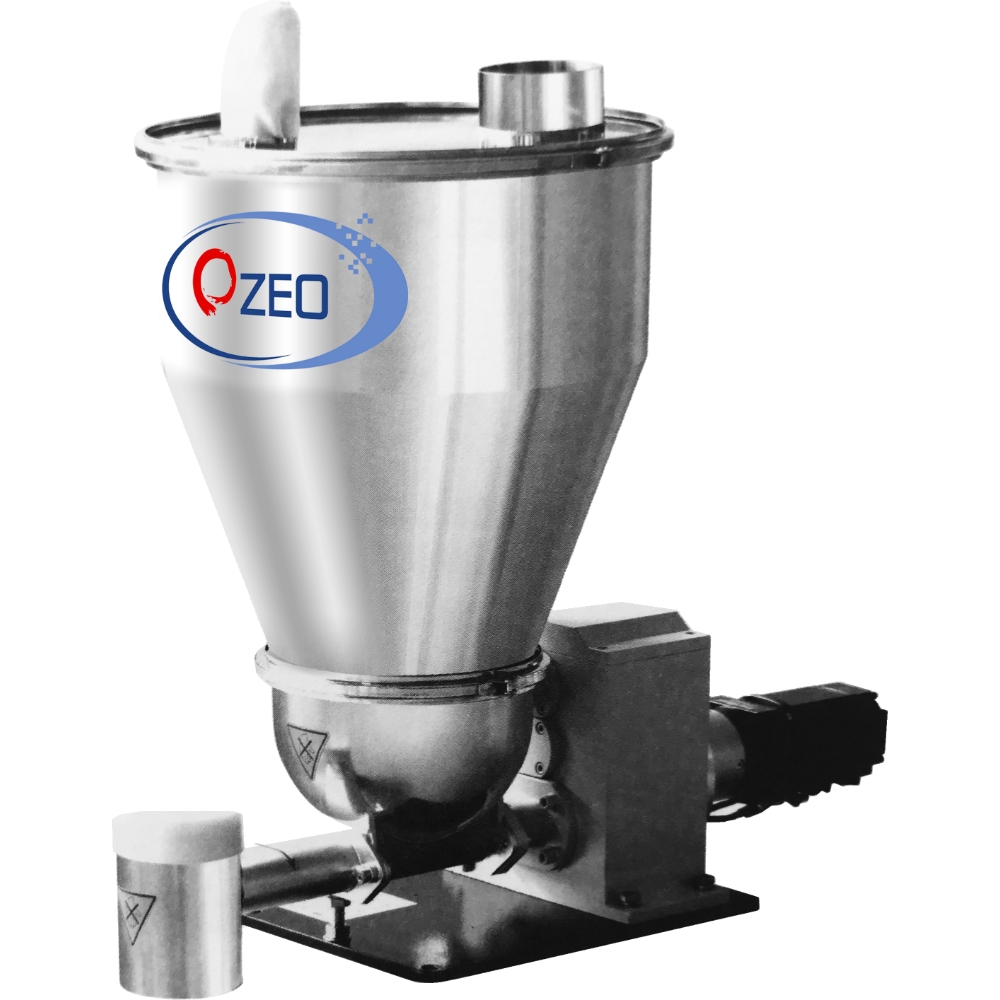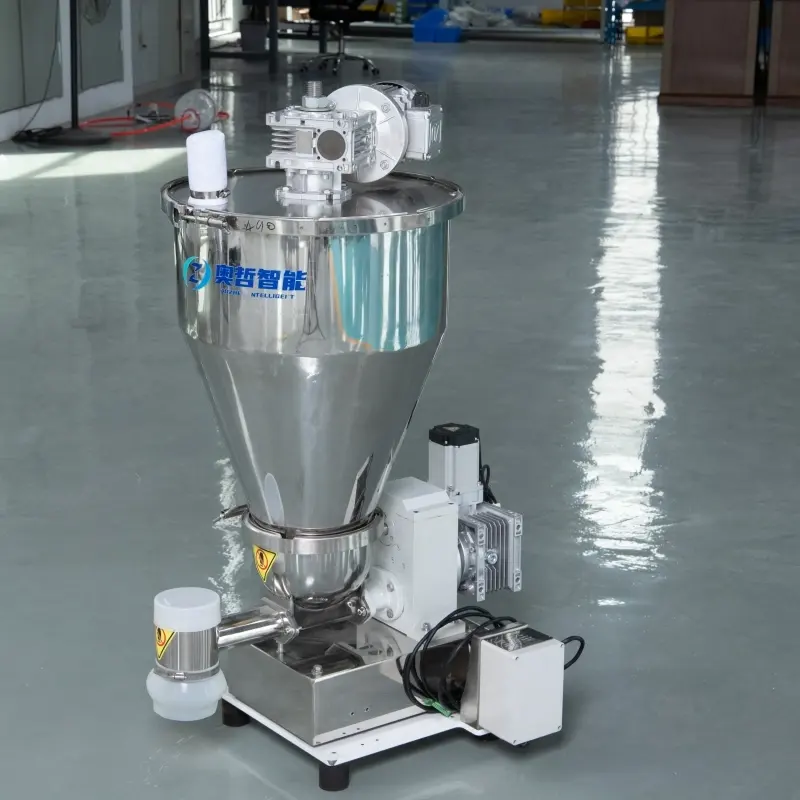


Top 5 Factors Affecting the Accuracy of Your Single Screw Gravimetric Feeding Process
Release time: 2026-02-12
In the world of high-precision manufacturing—whether it’s plastic extrusion, pharmaceutical compounding, or chemical dosing—the single-screw loss-in-weight feeder is the heartbeat of the production line. However, achieving that “perfect” feeding rate is not just about the hardware; it’s about mastering the variables that influence gravimetric logic.
At Awesome Intelligent, we understand that a deviation of even 0.5% can lead to compromised product quality and significant material waste. Here are the top five factors that determine the accuracy of your single screw feeding process.
1. Load Cell Sensitivity and Signal Integrity
The “brain” of a loss-in-weight feeder is the load cell. It must detect minute changes in weight while filtering out the chaos of a factory floor.
The Challenge: Mechanical vibrations from nearby machinery or air currents can create “noise,” leading to inaccurate weight readings.
The Solution: Awesome Intelligent utilizes high-resolution digital load cells with advanced filtering algorithms. This ensures that the system distinguishes between the weight of the material being discharged and external interference.
2. Material Flow Characteristics and Hopper Geometry
Not all powders and granules behave the same. A common culprit for inaccuracy is “bridging” (material sticking together) or “rat-holing” (material flowing only through the center).
The Impact: When material doesn’t flow consistently into the screw, the feeder experiences “starvation,” causing the motor to overcompensate and leading to rate fluctuations.
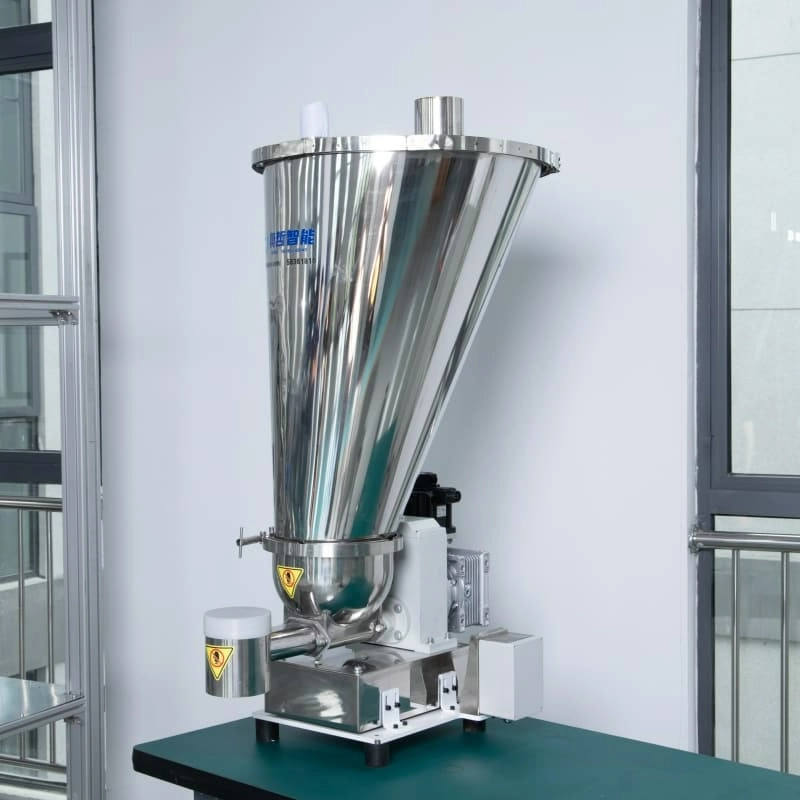
The Optimization: Proper hopper design, including steep wall angles and optional agitation systems, ensures a constant head load of material above the screw.
3. Screw Design and Filling Efficiency
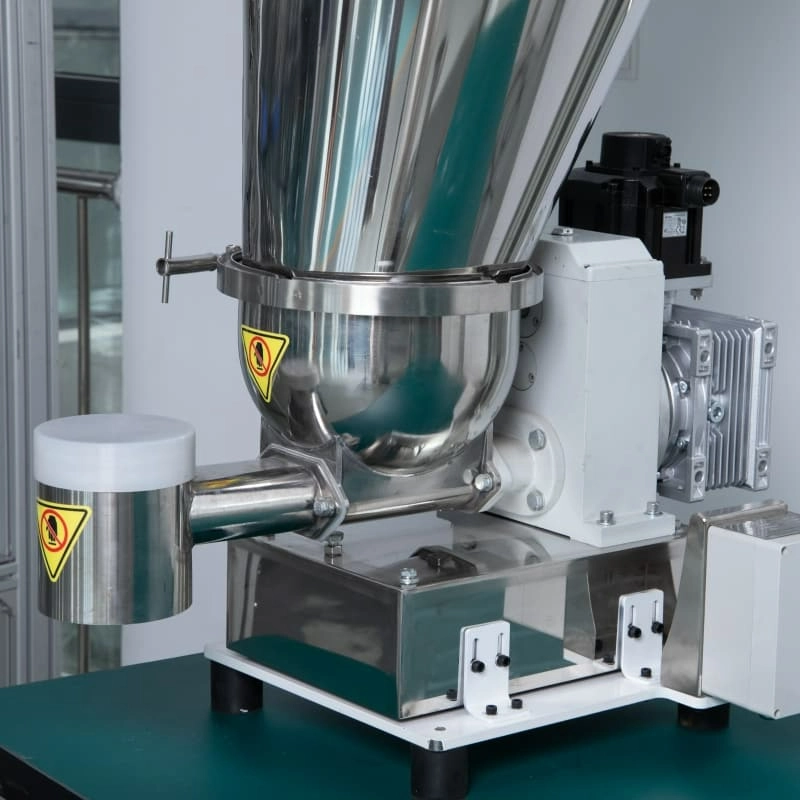
The screw is the volumetric delivery vehicle. If the screw flights are not consistently filled, the gravimetric controller will struggle to maintain a steady state.
Key Factor: Choosing the right screw profile (e.g., auger vs. spiral) is critical based on the material’s bulk density and flowability.
Refinement: A well-matched single screw ensures a uniform “slug” of material is delivered with every rotation, providing the controller with predictable data to refine the feed rate.
4. Ambient Environment and Pressure Fluctuations
B-end users often overlook the impact of air pressure. In closed-loop systems, pressure differentials (e.g., from a refill hopper or a downstream extruder) can exert “phantom” forces on the weighing scale.
The Science: Even a slight vacuum or positive pressure can be interpreted by the load cell as a change in weight.
The Awesome Intelligent Standard: We implement pressure-compensation technology and flexible, non-interfering connections to isolate the weighing unit from environmental pressure changes.
5. Control Algorithm Sophistication
Hardware is only as good as the software governing it. The transition between “gravimetric mode” (weighing) and “volumetric mode” (during the hopper refill phase) is where most accuracy errors occur.
The Problem: During a refill, the system cannot weigh the material. It must “guess” based on historical data.
The Edge: Our proprietary control logic uses “Intelligent Learning” to predict flow rates during refill cycles, ensuring seamless accuracy without the typical spikes seen in entry-level feeders.
Why Choose Awesome Intelligent?
Precision is a choice. At Awesome Intelligent, we don’t just sell feeders; we provide stability for your production line. Our single screw loss-in-weight feeders are engineered to mitigate these five factors, giving you the lowest possible Coefficient of Variation (CV) in the industry.
Optimize your ROI by minimizing waste. Contact our engineering team today for a material flow analysis.