


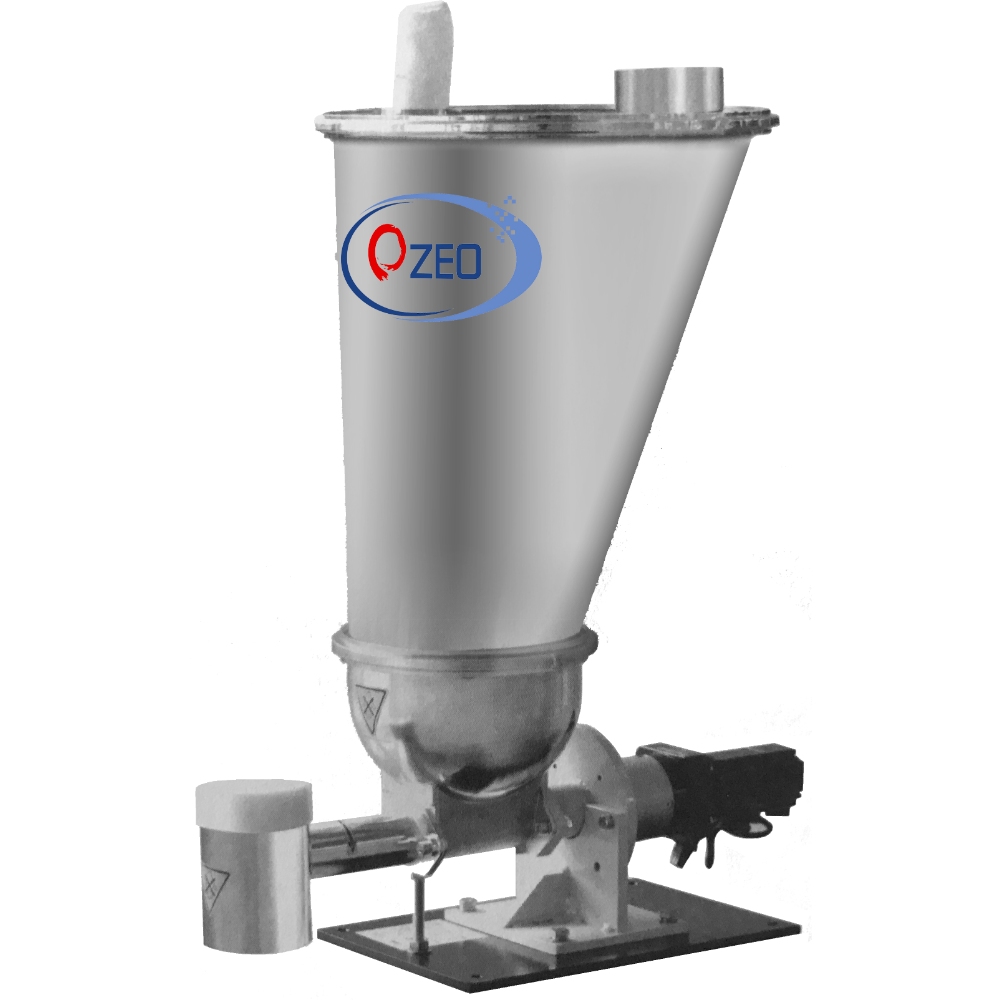
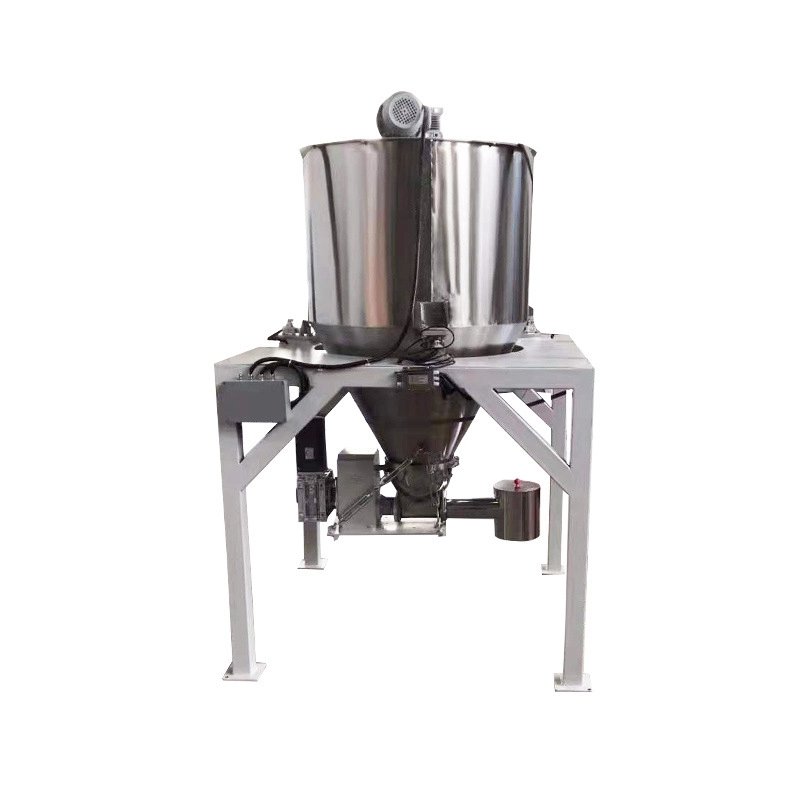
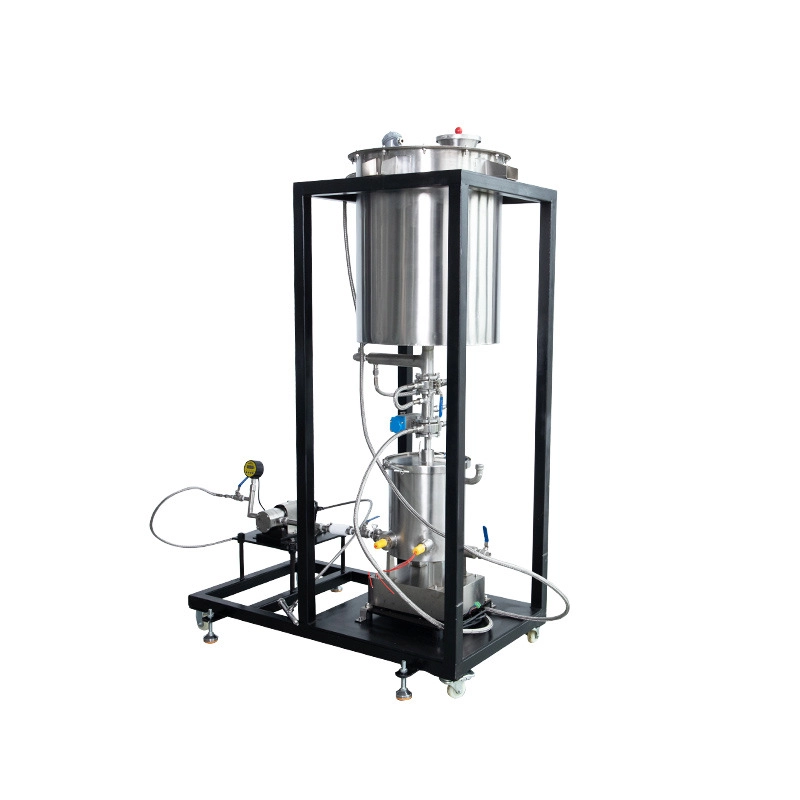
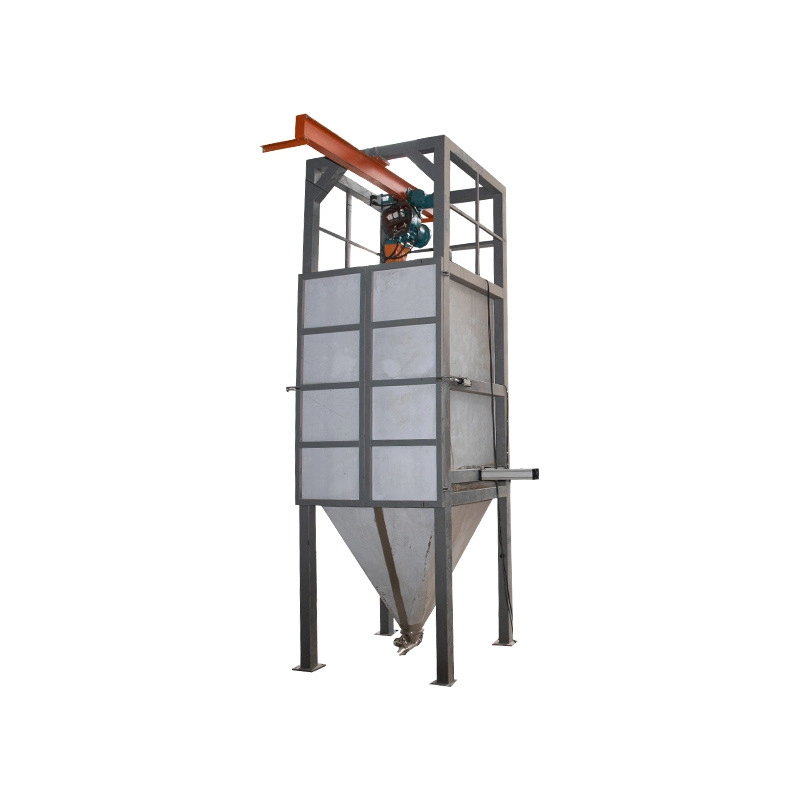

الفوائد الرئيسية لمغذيات فقدان الوزن السائل للمواد عالية اللزوجة
تاريخ الإصدار: 28 مايو 2026
جدول المحتويات
في المشهد الصناعي الحديث، يُمثل التعامل مع المواد عالية اللزوجة - مثل الراتنجات، والبولي يوريثان، والسيليكون، والمواد اللاصقة، والمحاليل الكيميائية الكثيفة - تحديًا كبيرًا. فهذه السوائل الثقيلة واللزجة، والتي غالبًا ما تتأثر بدرجة الحرارة، تُقاوم التدفق المنتظم، مما يجعل تحديد الجرعات بدقة أمرًا بالغ الصعوبة. وكثيرًا ما تفشل المضخات الحجمية التقليدية في الحفاظ على تدفق ثابت نتيجة لتغيرات لزوجة المادة، وضغط خط الأنابيب، ودرجة الحرارة المحيطة. وهنا تبرز أهمية تقنية التغذية الوزنية المتقدمة.
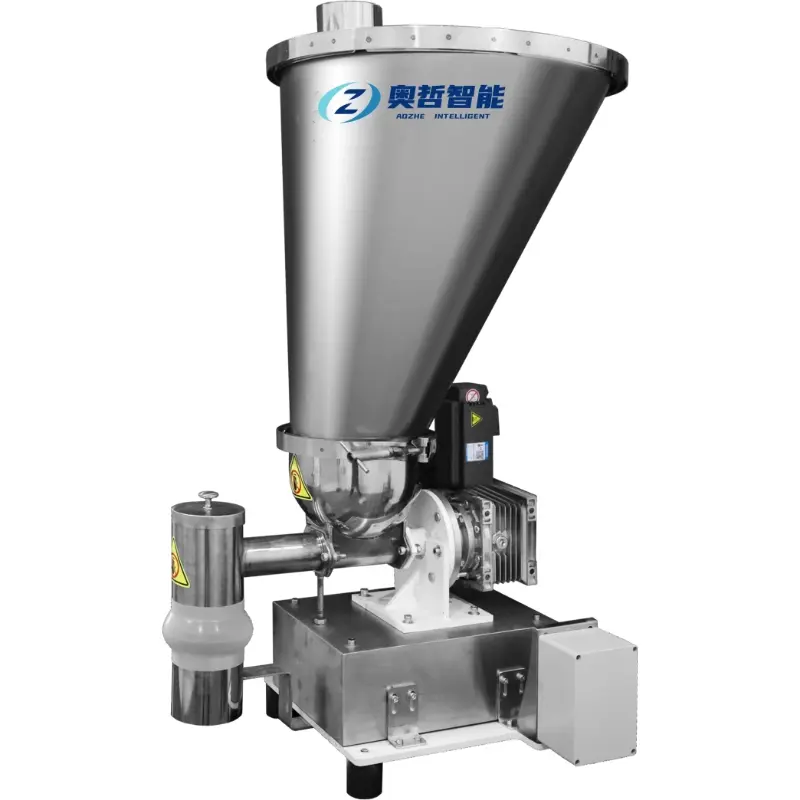
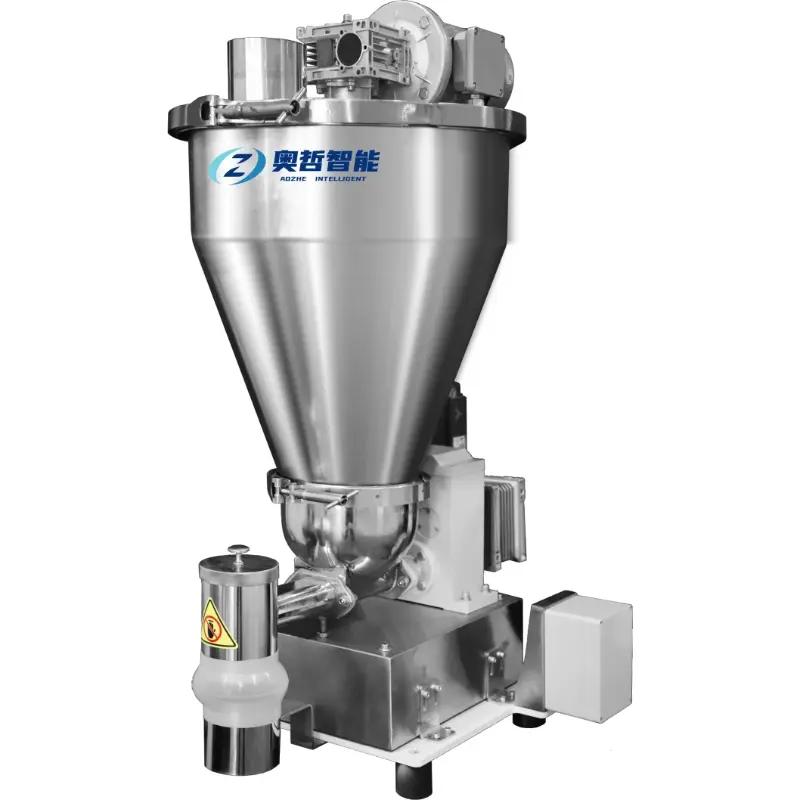
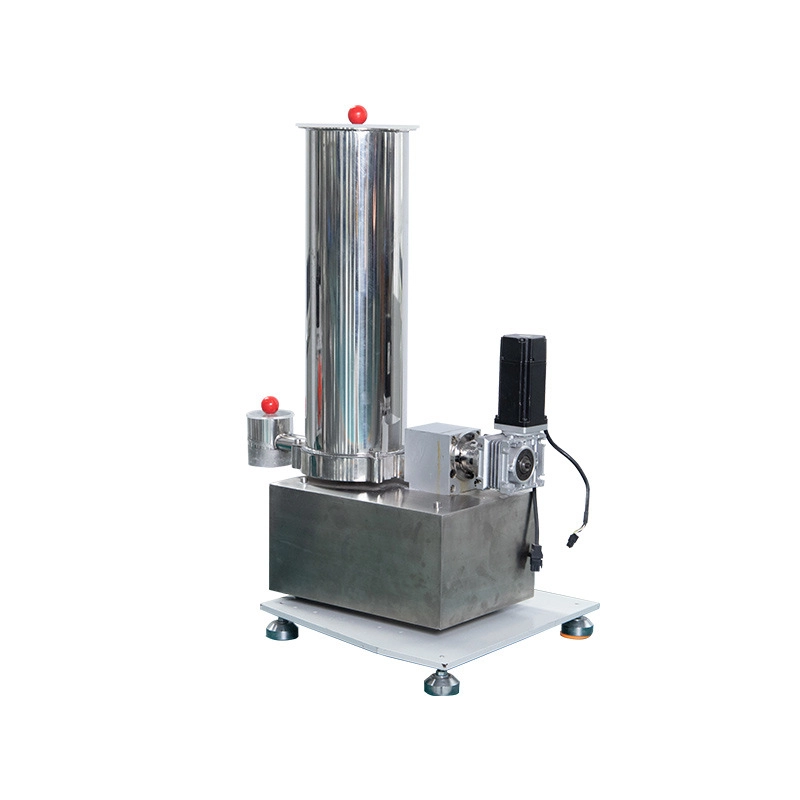
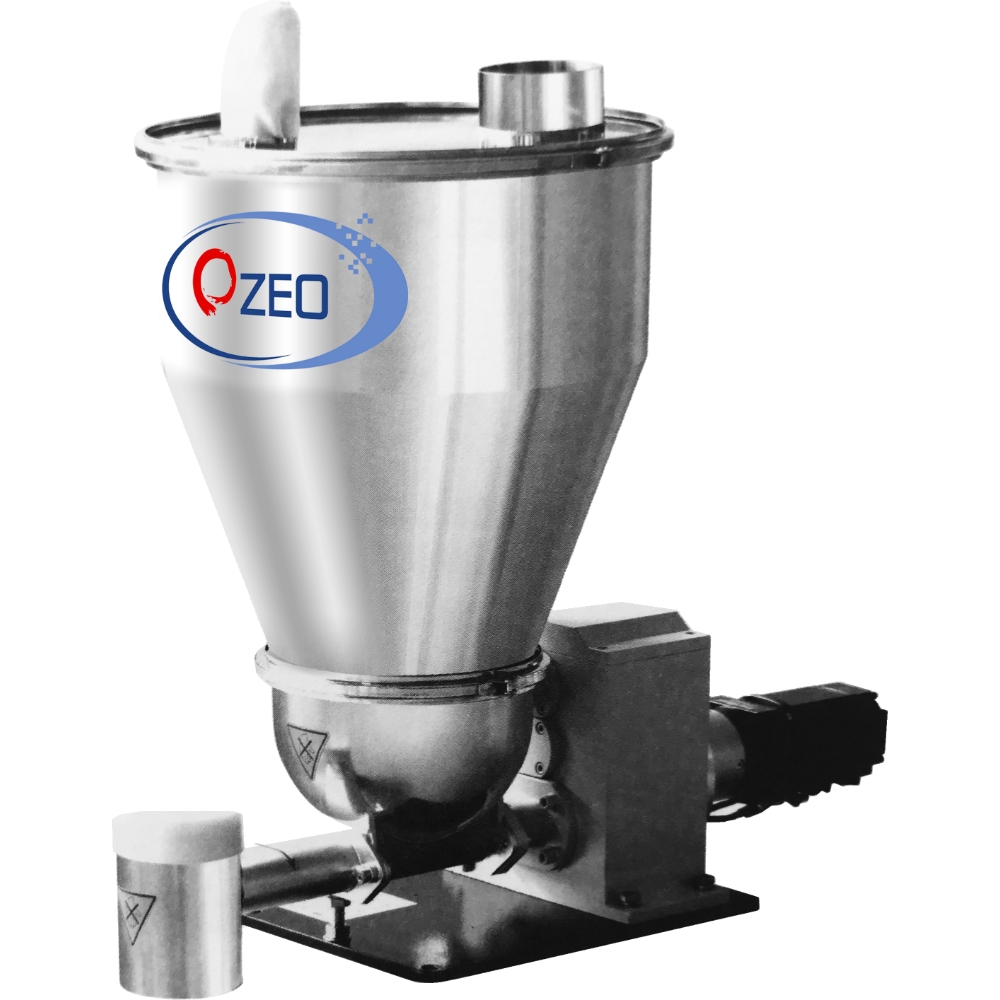
وللتغلب على هذه المعوقات في العمليات، يتجه المصنعون بشكل متزايد إلى مغذي سائل لفقدان الوزن. من خلال قياس فقدان الوزن الفعلي للمادة التي يتم تفريغها بمرور الوقت، تضمن هذه المعدات المتطورة دقة لا مثيل لها، مما يغير طريقة معالجة الصناعات للسوائل الصعبة.
فهم التكنولوجيا الأساسية
أ نظام التغذية لإنقاص الوزن يعتمد النظام على مبدأ بسيط وفعّال للغاية: القياس الوزني. يُثبّت خزان السائل بالكامل، مع مضخته ومحركه، على خلايا قياس وزن عالية الحساسية. أثناء ضخ السائل، يراقب نظام التحكم باستمرار انخفاض وزن النظام بأكمله. ثم يحسب جهاز التحكم معدل التغذية الفعلي ويضبط سرعة المضخة أو صمام التفريغ فورًا ليتوافق مع القيمة المطلوبة.
هذا التحكم ذو الحلقة المغلقة يعني أنه بغض النظر عن مدى كثافة السائل أو مقدار تقلب الضغط الخلفي، فإن النظام يعوض في الوقت الفعلي.
المزايا الرئيسية للمواد عالية اللزوجة
تتطلب معالجة السوائل الكثيفة حلولاً فعّالة. إليك أهم فوائد تحديث خط إنتاجك بهذه التقنية:
1. دقة لا مثيل لها واتساق في العمليات
عند التعامل مع إضافات كيميائية باهظة الثمن أو عوامل تفاعلية بالغة الأهمية، حتى انحراف بسيط في معيار 1% قد يُفسد دفعة كاملة. وحدة تغذية السوائل بالوزن الأوتوماتيكية يزيل هذا النظام عدم اليقين الناتج عن التغذية الحجمية. فبالاعتماد على الوزن فقط، يتجاهل متغيرات مثل فقاعات الهواء المحتبسة أو تغيرات الكثافة الناتجة عن تقلبات درجة الحرارة. وهذا يضمن معايرة المواد عالية اللزوجة بدقة تتراوح عادةً بين ±0.2% و ±0.5%، مما يضمن الحصول على تركيبة منتج مثالية في كل مرة.
2. الأتمتة السلسة وتقليل العمالة
تتطلب الصناعة الحديثة عمليات مستمرة دون انقطاع. من خلال دمج آلة تغذية السوائل الأوتوماتيكية بدمج هذه الآلات في خط إنتاجك، تقلل بشكل كبير من الحاجة إلى المراقبة والتدخل اليدويين. فهي تتولى عمليات إعادة التعبئة تلقائيًا دون التأثير على عملية التفريغ المستمرة. وتتيح واجهات PLC وHMI المتقدمة للمشغلين ضبط المعايير بسهولة، بينما تتولى الآلة معالجة العمليات الفيزيائية المعقدة لتحريك السوائل العنيدة، مما يقلل تكاليف العمالة ويحد من الأخطاء البشرية.
3. بيانات الوقت الفعلي ومراقبة الجودة
في عصر الثورة الصناعية الرابعة، تُعدّ البيانات ذات قيمة لا تُقدّر بثمن. مغذي سائل لفقدان الوزن يسجل النظام باستمرار معدلات التغذية، وإجمالي الاستهلاك، وأي خلل في العمليات. يتيح هذا التكامل الفوري للبيانات لمديري المصانع تحسين تركيباتهم بشكل فوري. في حال حدوث انسداد أو ارتفاع مفاجئ في اللزوجة، يُطلق النظام إنذارات فورية، مما يمنع هدر المواد وتوقف العمليات المكلف.
نظرة عامة مقارنة: الحجمي مقابل الوزني
لتوضيح السبب بوضوح نظام التغذية لإنقاص الوزن يُعدّ هذا المنتج متفوقًا في التطبيقات ذات اللزوجة العالية، لذا يُرجى مراعاة المقارنة التالية:
| الميزة/المقياس | المضخات الحجمية التقليدية | مغذيات السوائل الوزنية المتقدمة |
| مبدأ التحكم | الحجم لكل دورة/شوط | فقدان الوزن الفعلي بمرور الوقت |
| دقة | منخفض إلى متوسط (يختلف باختلاف اللزوجة) | مرتفع جداً (±0.2% إلى ±0.5%) |
| الاستجابة لتغيرات اللزوجة | ينخفض معدل التدفق، مما يتطلب تعديلاً يدوياً | تعويض سرعة المضخة التلقائي |
| التعامل مع فقاعات الهواء | يقيس الهواء كسائل (غير دقيق) | يتجاهل الهواء، ويقيس الكتلة الحقيقية |
| تتبع البيانات وأتمتتها | أساسي أو بدون أساسي | تسجيل البيانات الكامل في الوقت الفعلي وتكامل نظام SCADA |
ضمان الجودة: لماذا تختار الشراكة مع Awesome؟
عند الاستثمار في تكنولوجيا الجرعات المعقدة، فإن موثوقية شريك التصنيع لا تقل أهمية عن التكنولوجيا نفسها. بصفتنا شركة رائدة مورد مغذيات الوزن في الصين, مذهل نحن ملتزمون بتقديم التميز الهندسي ومراقبة الجودة التي لا هوادة فيها لعملائنا العالميين.
ندرك أن التطبيقات التي تتطلب لزوجة عالية لا تسمح بأي عطل في المعدات. لذلك، نطبق بروتوكولاً صارماً لضمان الجودة في كل مشروع على حدة.
حالة عميل حديثة وبروتوكول الجودة: قمنا مؤخراً بإعداد دفعة من مغذيات السوائل المصممة خصيصاً لعميل يتعامل مع الراتنجات الصناعية شديدة اللزوجة.
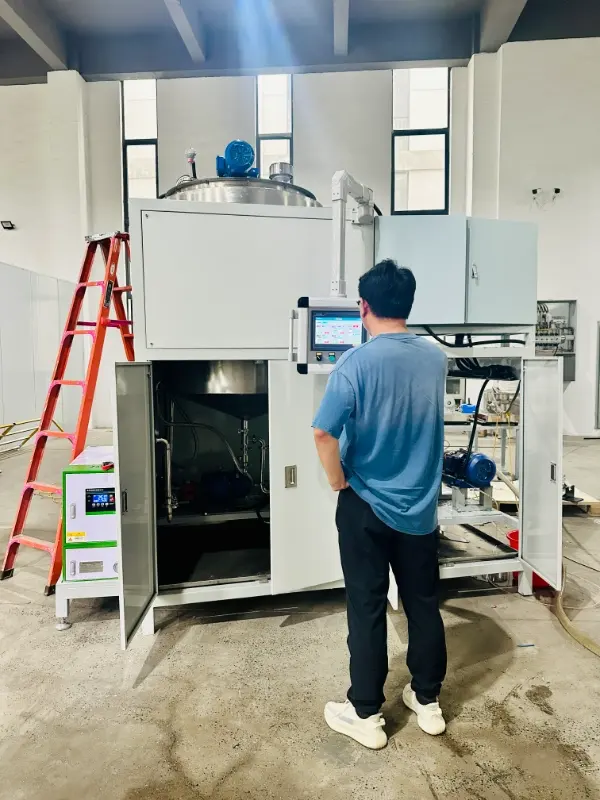
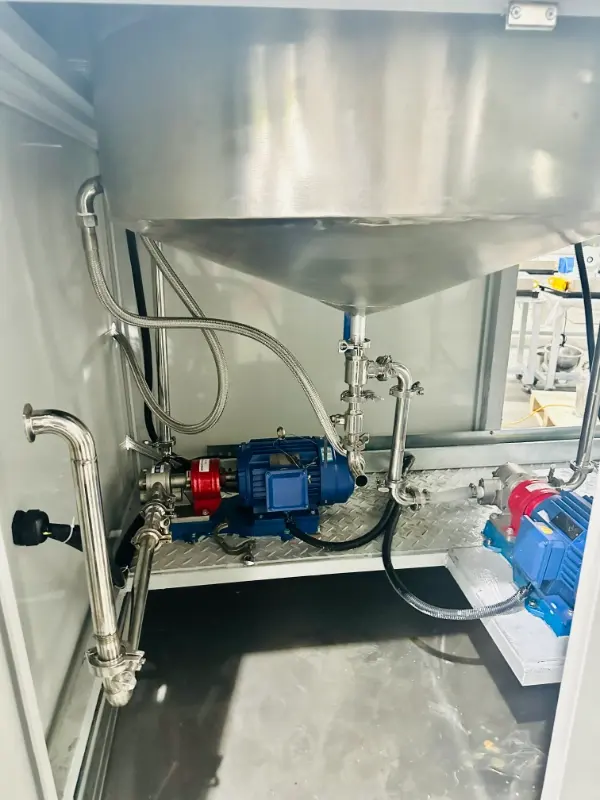
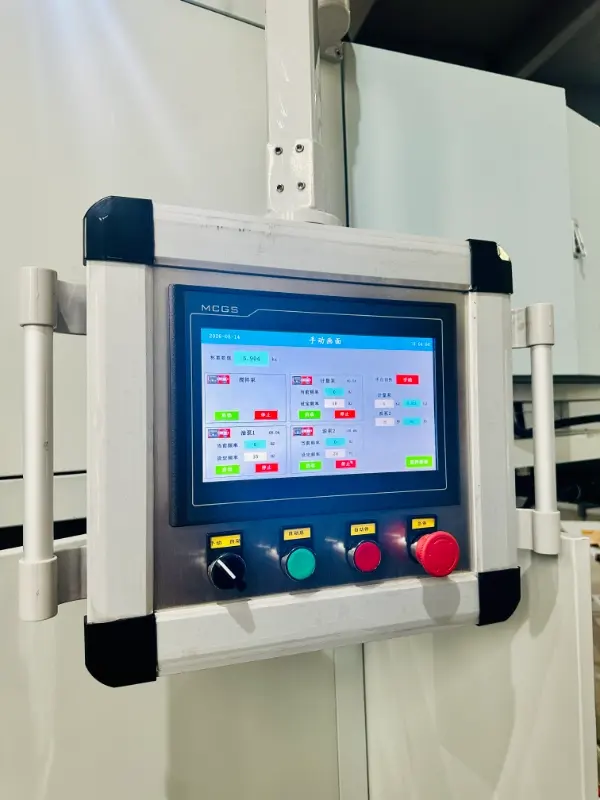
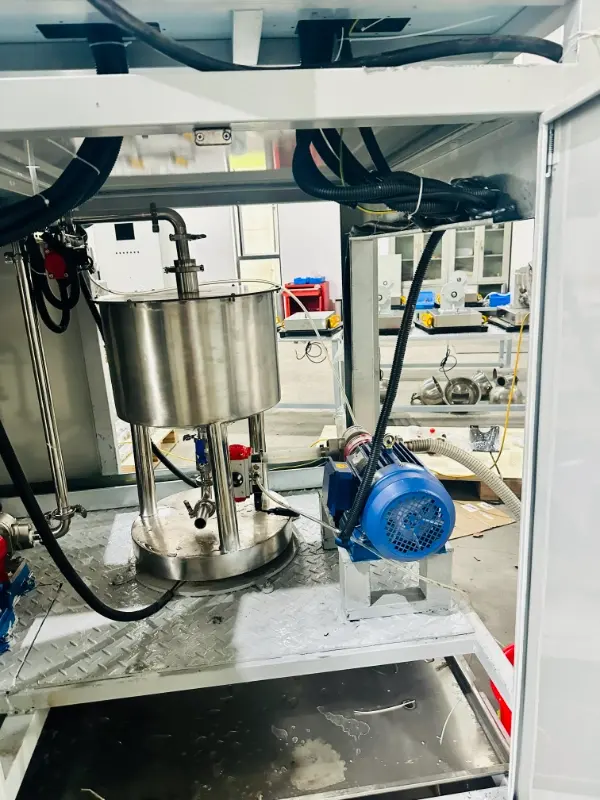
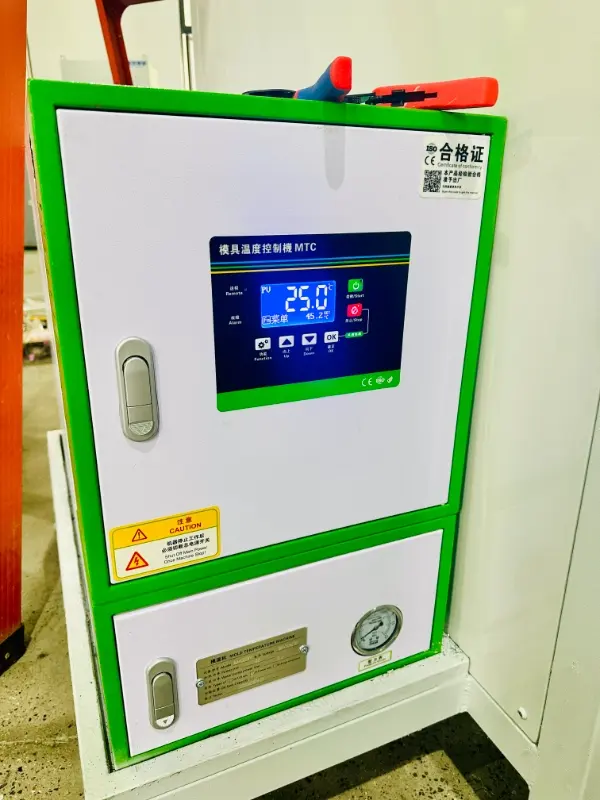
في مذهل, نحن لا نكتفي بالبناء والشحن فقط. قبل مغادرة أي معدات لمنشأتنا، يُجري فريقنا الهندسي اختبارات دقيقة قبل الشحن. ونُجري اختبارات شاملة للحمولة الفارغة وتجارب تشغيلية لكل مشروع على حدة. نراقب اهتزازات المحرك، واستجابة خلية الحمل، واستقرار البرمجيات. ولا نُجيز شحن النظام إلا بعد أن يعمل بسلاسة تامة خلال مراحل الاختبار الشاملة هذه. يضمن هذا الاهتمام الدقيق بالتفاصيل أن يكون جهازنا جاهزًا للتكامل والعمل بكفاءة عالية منذ اليوم الأول عند وصوله إلى موقعكم.
خاتمة
لا يجب أن تشكل معالجة السوائل الكثيفة والعنيدة عائقاً أمام الإنتاج. من خلال الترقية إلى آلة تغذية السوائل الأوتوماتيكية, بفضل هذه التقنيات، يستطيع المصنّعون تحقيق الدقة والاستقرار والأتمتة اللازمة للحفاظ على قدرتهم التنافسية في سوق اليوم المتطلب. سواء كنت تعمل في مجال تركيب البلاستيك، أو معالجة الأغذية، أو تصنيع المواد الكيميائية، فإن اختيار نظام موثوق به مورد مغذيات الوزن في الصين يضمن لك الحصول على التكنولوجيا والدعم اللازمين لرفع معايير الإنتاج لديك.
الأسئلة الشائعة (FAQs)
س1: كيف يتعامل جهاز التغذية السائلة الوزني الأوتوماتيكي مع تغيرات اللزوجة الناتجة عن درجة الحرارة؟
ج: يعتمد النظام كلياً على وزن المادة، وليس على حجمها أو خصائص تدفقها. إذا انخفضت درجة الحرارة وازدادت كثافة السائل (مما يزيد المقاومة)، فإن معدل التفريغ سيتباطأ مؤقتاً. تستشعر خلايا قياس الوزن هذا الانخفاض في الوزن على الفور، ويصدر جهاز التحكم أمراً فورياً لمحرك المضخة لزيادة سرعته، مع الحفاظ على معدل التغذية المبرمج بدقة.
س2: هل يستطيع هذا النظام التعامل مع السوائل التي تحتوي على جزيئات صلبة أو مواد مالئة؟
ج: نعم. شريطة اختيار النوع المناسب من المضخات (مثل مضخة التجويف التدريجي أو مضخة التروس المصممة للمواد اللزجة) ودمجها في النظام، يمكن لوحدات التغذية الوزنية ضخ المعلقات والسوائل المحتوية على مواد مالئة صلبة بدقة. وستقيس خلايا الحمل بدقة الكتلة الإجمالية التي يتم تفريغها.
س3: ما نوع الصيانة المطلوبة لهذه الأنظمة؟
أ: تشمل الصيانة الدورية بشكل أساسي ضمان نظافة خلايا قياس الحمل وخلوها من أي تداخل ميكانيكي، بالإضافة إلى الصيانة القياسية للمضخة المدمجة (مثل فحص موانع التسرب واستبدال الأجزاء الثابتة في حال استخدام مضخة تجويفية). ولأن النظام يوفر بيانات تشخيصية مستمرة، فإنه غالبًا ما ينبه المشغلين إلى تآكل المضخة قبل حدوث عطل كامل، مما يتيح الصيانة التنبؤية.