



حلول تغذية موثوقة للصناعات الكيميائية والطبية
تاريخ الإصدار: 2026-05-05
جدول المحتويات
في ظل التطورات المتسارعة التي يشهدها قطاعا الصناعات الكيميائية والطبية، لم تعد الدقة مجرد هدف إنتاجي، بل أصبحت مطلباً تنظيمياً صارماً. فسواءً أكان الأمر يتعلق بتحديد جرعات المكونات الصيدلانية الفعالة للأدوية المنقذة للحياة، أو بتركيب البوليمرات الكيميائية المعقدة، فإن دقة التعامل مع المواد تحدد بشكل مباشر جودة المنتج النهائي وسلامته ومطابقته للمعايير.
بالنسبة للمهندسين ومديري المصانع، يعد اختيار تقنية الجرعات المناسبة أمرًا بالغ الأهمية لتقليل الفاقد، ومنع فشل الدفعات، وضمان استمرار الإنتاج. مذهل, بصفتها شركة رائدة في مجال الابتكار، تدرك الشركة أن إتقان ميكانيكا المواد الصلبة السائبة والمساحيق هو أساس التميز التشغيلي. تستكشف هذه المقالة التقنيات المتقدمة، وسيناريوهات التطبيق، والاعتبارات الاستراتيجية لنشر أنظمة تغذية موثوقة في هذه الصناعات ذات المتطلبات العالية.
التغلب على تحديات مناولة المواد المعقدة
تتعامل الصناعات الكيميائية والطبية غالبًا مع مواد يصعب التعامل معها. تتراوح هذه المواد الصلبة السائبة من مساحيق شديدة التماسك والالتصاق إلى حبيبات هشة وغبار ناعم قابل للتميع. غالبًا ما تواجه المغذيات الحجمية التقليدية صعوبة في التعامل مع هذه المواد، مما يؤدي إلى معدلات تدفق غير منتظمة، وتكتل المواد، وتكوّن ثقوب داخل القادوس.
وللتغلب على هذه العقبات، تتطلب المرافق الحديثة حلول التغذية المستمرة للمساحيق المتماسكة التي يمكنها تحريك المادة ودفعها بفعالية دون التسبب في تلفها. علاوة على ذلك، في القطاعين الطبي والصيدلاني، يجب أن تلتزم المعدات بممارسات التصنيع الجيدة الحالية (cGMP) الصارمة ولوائح إدارة الغذاء والدواء الأمريكية (FDA). وهذا يعني أنه إلى جانب الموثوقية الميكانيكية، يجب أن توفر المعدات سهولة تنظيف فائقة، مما يمنع التلوث المتبادل بين دفعات الأدوية المختلفة.
تقنيات أساسية لدقة لا مثيل لها
عندما تكون الجرعات الدقيقة بالغة الأهمية، تُعتبر تقنية قياس الوزن المعيار الأمثل بلا منازع. فمن خلال وزن نظام التغذية بأكمله باستمرار وتعديل معدل التفريغ في الوقت الفعلي، تعوض هذه الأنظمة عن الاختلافات في الكثافة الظاهرية للمواد.
ميزة البرغي المزدوج
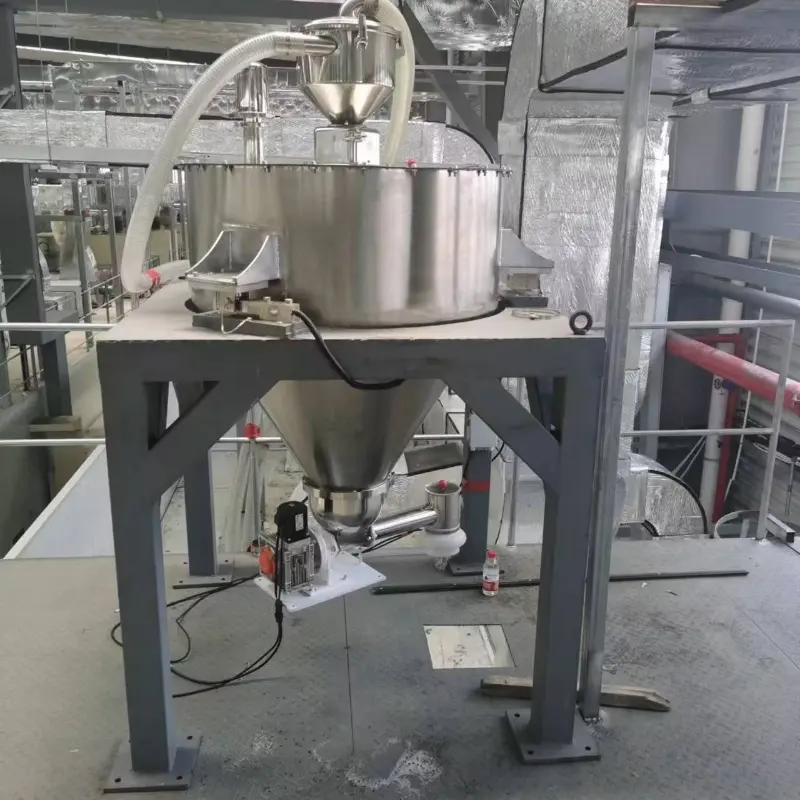
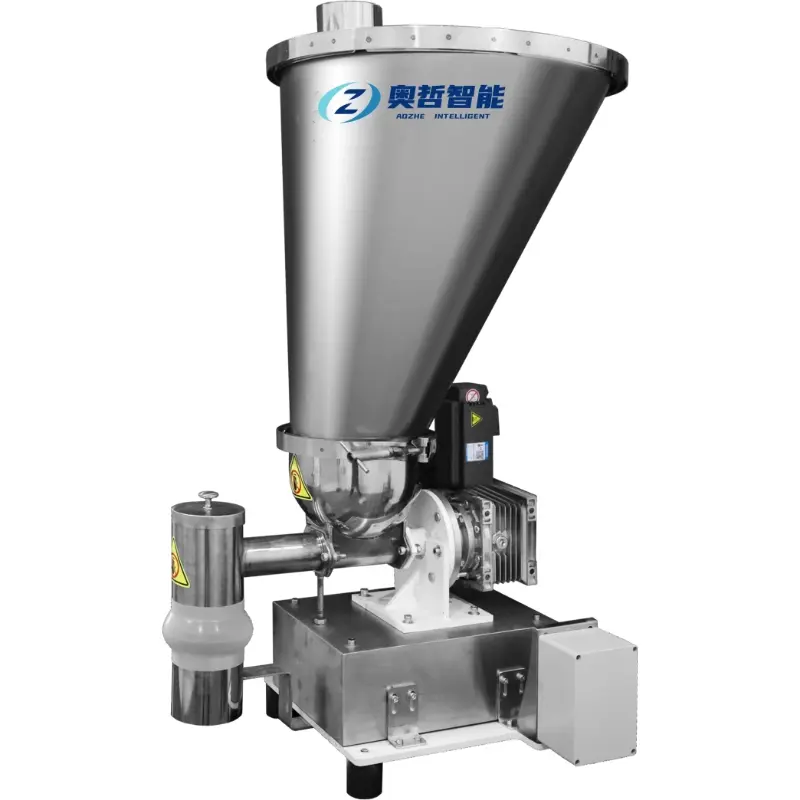
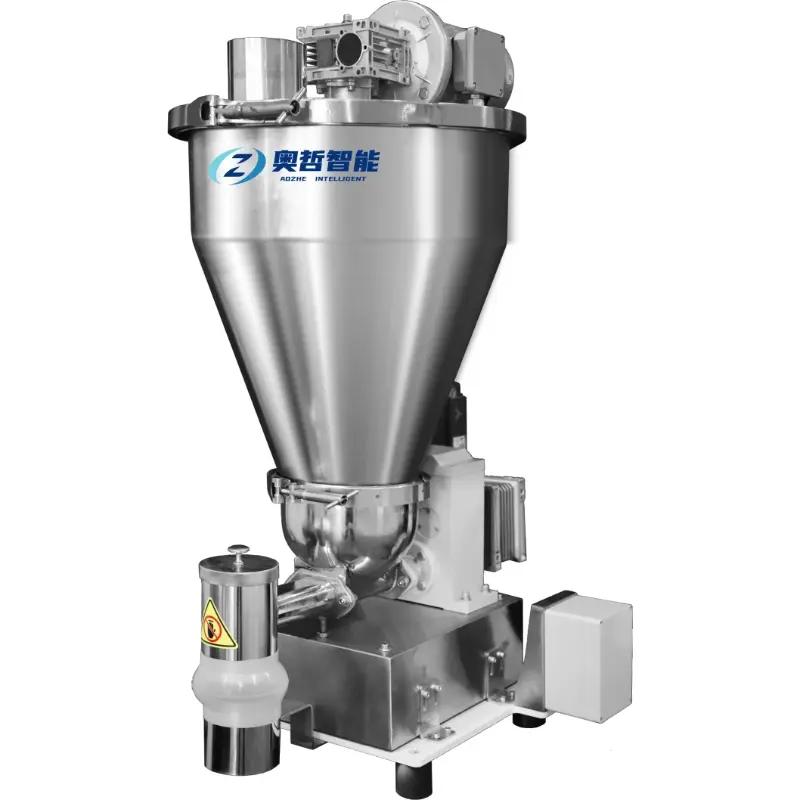
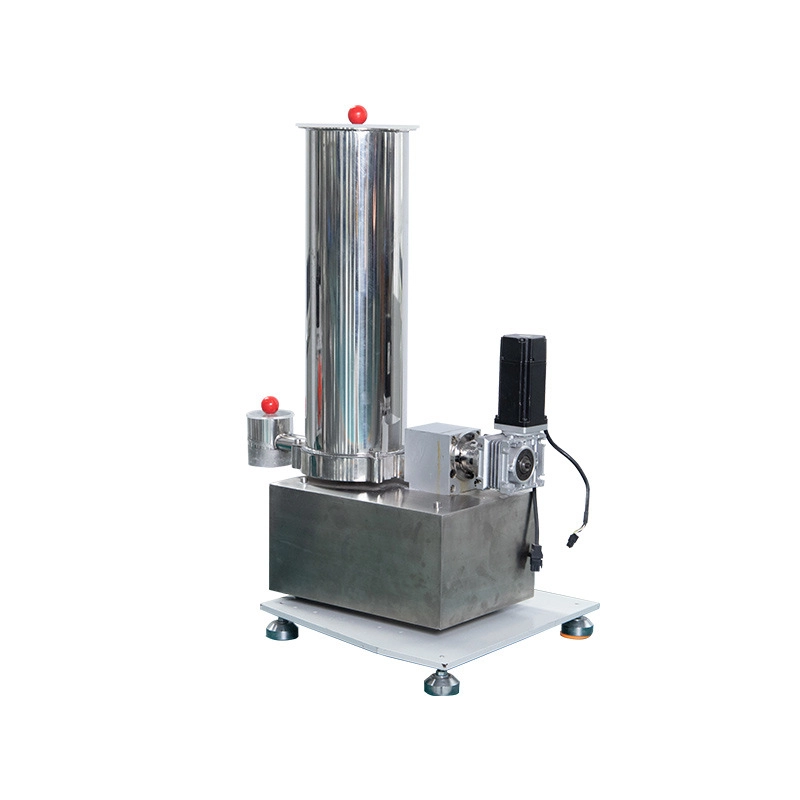
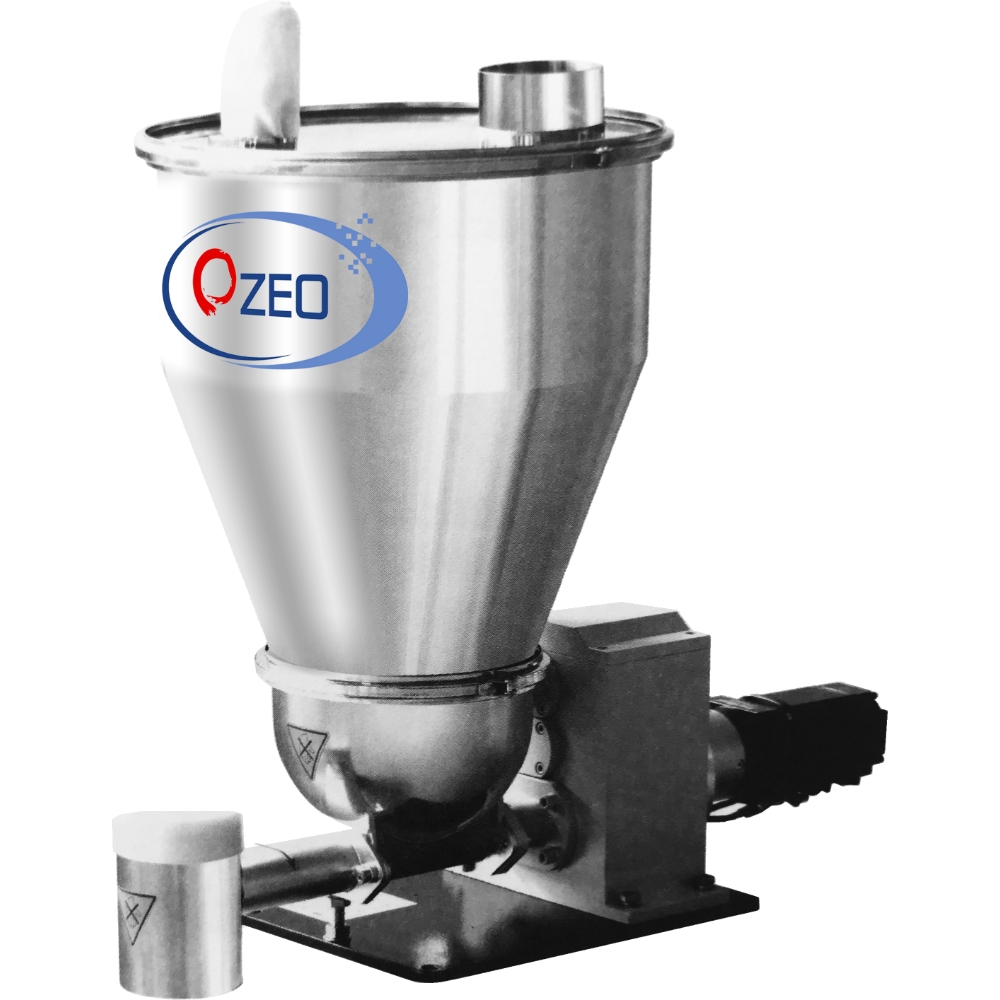
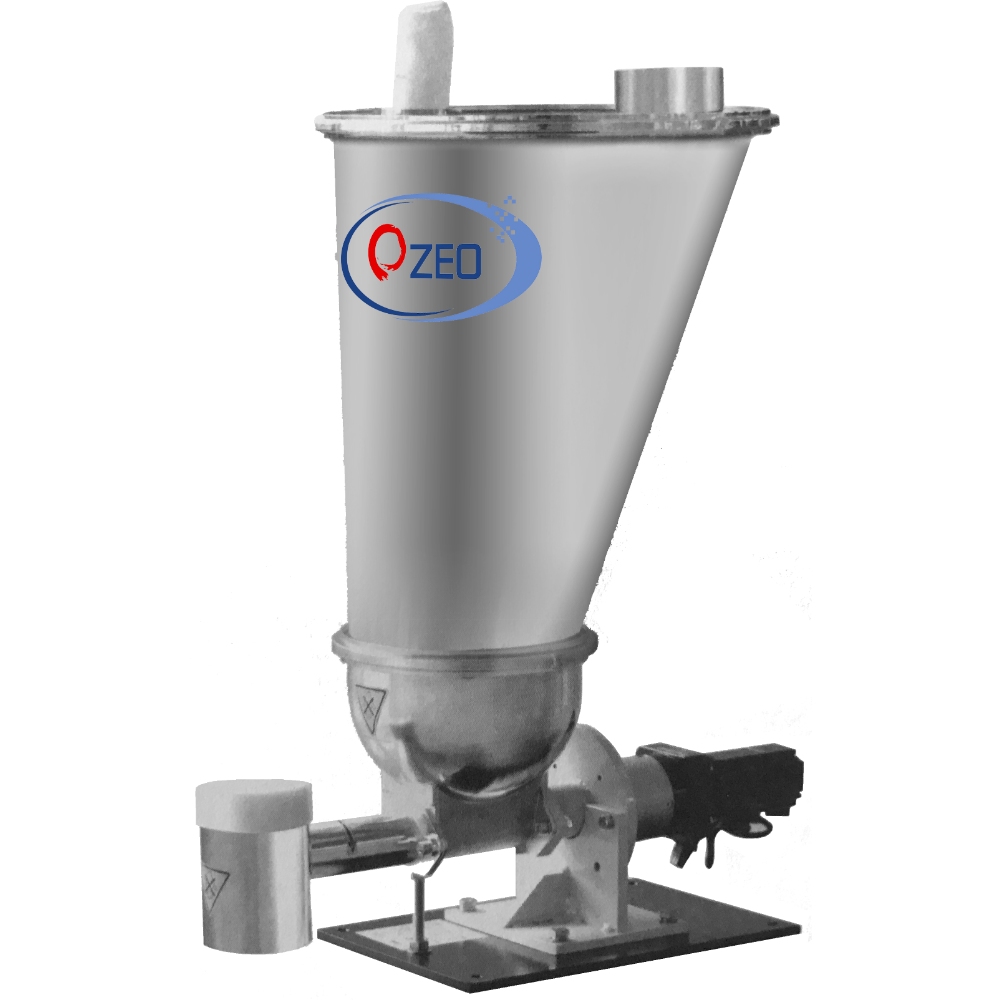
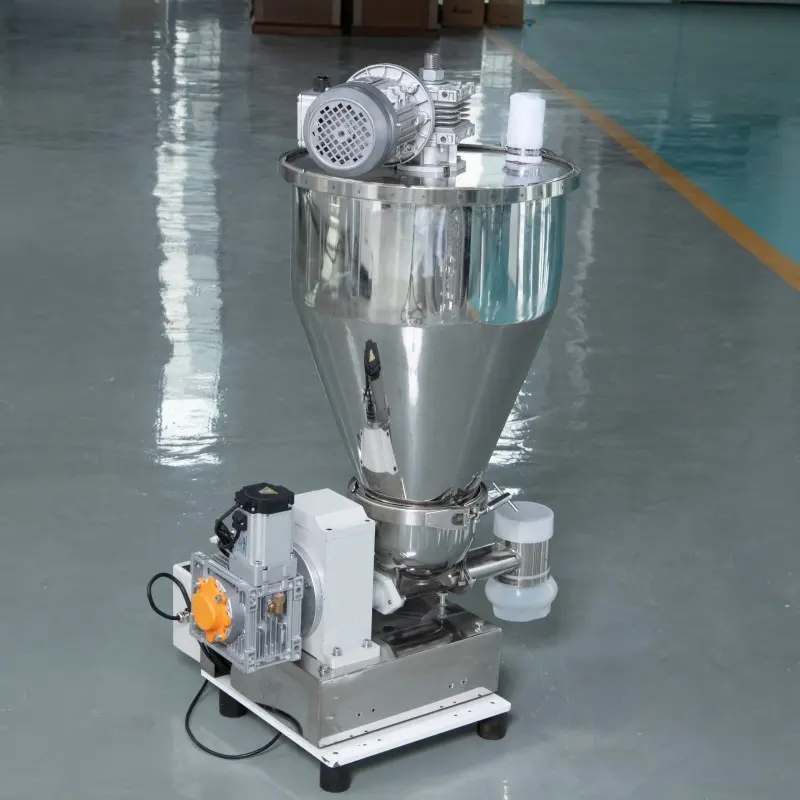
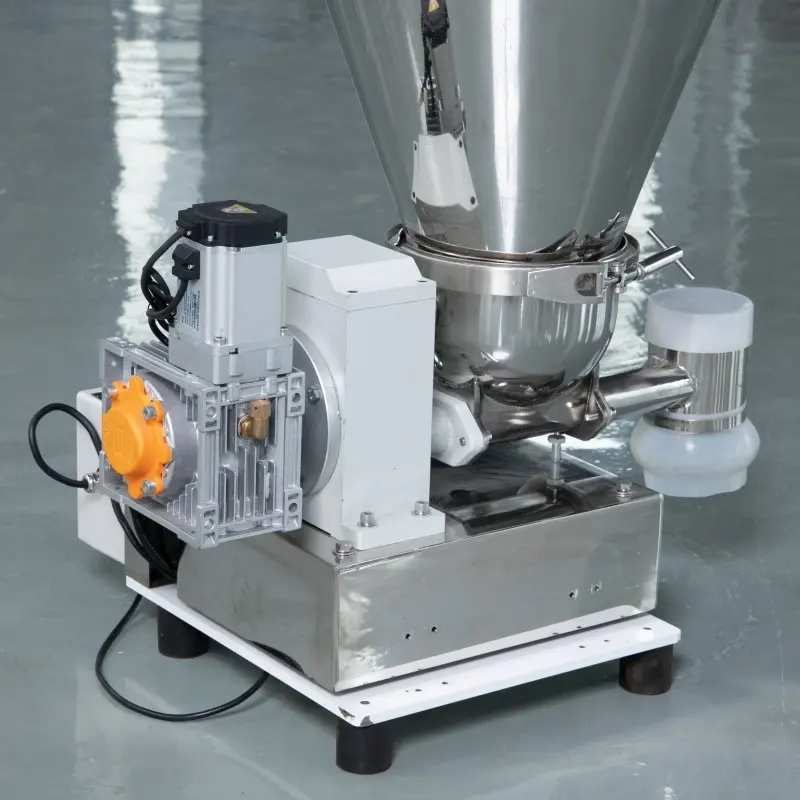
بالنسبة للمواد السائبة التي يصعب التعامل معها، فإن دمج وحدة تغذية مزدوجة اللولب لتقليل الوزن يُوصى به بشدة. على عكس آليات البرغي الأحادي، يُنشئ التصميم المتشابك للبرغيين المزدوجين عملية تنظيف ذاتية. تدفع هذه الآلية المساحيق اللزجة أو المتشابكة أو القابلة للتدفق عبر أنبوب التفريغ بكفاءة حجمية استثنائية. وبفضل اقترانها بخلايا قياس الحمل المتطورة وخوارزميات التحكم عالية السرعة، تضمن هذه التقنية بقاء معدل تدفق الكتلة ثابتًا تمامًا عند نقطة الضبط المطلوبة.
دقة محسّنة للتصنيع المستمر
وبالمثل، يوفر استخدام وحدة تغذية وزنية مزدوجة اللولب استقرارًا لا مثيل له في خطوط البثق المستمر أو خطوط الخلط. وبفضل استخدام محركين تقليب وبراغي مصنعة بدقة عالية، تقضي هذه الوحدات على النبضات عند نقطة التفريغ. وهذا أمر ضروري للحفاظ على النسب المتكافئة المطلوبة في التفاعلات الكيميائية الدقيقة أو التركيبات الصيدلانية الدقيقة. الاستثمار في معدات جرعات المساحيق الكيميائية عالية الدقة لا يقتصر الأمر على تحسين اتساق المنتج فحسب، بل يقلل أيضًا بشكل كبير من استهلاك المواد الخام باهظة الثمن.
مقارنة تقنيات التغذية
لفهم أفضل للنظام الذي يناسب الاحتياجات التشغيلية المحددة، ضع في اعتبارك المقارنة التقنية التالية:
| الميزة / المواصفات | وحدة تغذية حجمية ذات برغي واحد | وحدة تغذية وزنية مزدوجة اللولب |
| طريقة التحكم الأولية | سرعة المحرك (حسب الحجم) | معدل فقدان الوزن (على أساس الكتلة) |
| مستوى الدقة | ± 2.0% إلى 5.0% | ± 0.2% إلى 0.5% |
| نوع المادة الأمثل | حبيبات، كريات سهلة التدفق | مساحيق متماسكة أو لزجة أو قابلة للغمر |
| الاستجابة لتغيرات الكثافة | لا يمكن الكشف أو الضبط | التعويض التلقائي في الوقت الفعلي |
| الاستثمار الأولي | قليل | متوسط إلى مرتفع |
| التطبيقات الصناعية النموذجية | البلاستيك الأساسي، خلط بسيط | جرعات المواد الصيدلانية الفعالة الطبية، والمواد الكيميائية المتخصصة |
تطبيقات حيوية في الصناعات الطبية والكيميائية
يشمل نشر تكنولوجيا التغذية المتقدمة مجموعة واسعة من التطبيقات الحيوية، ولكل منها مجموعة فريدة من التحديات.
التطبيقات الطبية والصيدلانية
في تصنيع الأدوية الصلبة، مثل ضغط الأقراص وتعبئة الكبسولات، يُعد تكامل أنظمة التغذية الوزنية ذات الجودة الصيدلانية يُعدّ هذا الأمر بالغ الأهمية. تضمن هذه الأنظمة مزج المكونات الفعالة والمواد المساعدة بتناغم تام. ونظرًا لمتطلبات النظافة الصارمة، يعتمد المصنّعون بشكل متزايد على تصميم صحي لمغذيات لولبية مزدوجة مصنوعة من الفولاذ المقاوم للصدأ 316L بتشطيبات سطحية فائقة النعومة. تسهل هذه التصاميم عملية الفك السريع وتدعم بروتوكولات التنظيف في الموقع (CIP) أو الغسل في الموقع (WIP)، مما يضمن أقصى وقت تشغيل وانعدام مخاطر التلوث.
تطبيقات المعالجة الكيميائية
غالباً ما تتطلب الصناعات الكيميائية التعامل مع مواد سامة أو أكالة أو شديدة التفاعل. وهنا، تُعدّ السلامة والاحتواء بنفس أهمية الدقة. باستخدام أنظمة مناولة المواد الخالية من الغبار يضمن احتواء الجسيمات الخطرة المحمولة جواً، مما يحمي العاملين في المصنع والبيئة. سواءً أكان الأمر يتعلق بتغذية ثاني أكسيد التيتانيوم في مصفوفة بوليمرية أو بحقن المحفزات في مفاعل مستمر، فإن تقنيات اللولب المزدوج المتقدمة توفر المتانة اللازمة للعمليات الصناعية القاسية على مدار الساعة.
أهمية شريك التصنيع المتخصص
نادرًا ما يكون شراء المعدات القياسية الجاهزة كافيًا للتطبيقات الصناعية المتخصصة. إذ يمكن أن تختلف الخصائص الريولوجية للمواد اختلافًا كبيرًا بناءً على محتوى الرطوبة، وتوزيع حجم الجسيمات، ودرجة الحرارة المحيطة. لذلك، يُنصح بالتعاون مع جهة متخصصة. مصنع مغذيات لولبية مزدوجة عالية الدقة هو ضرورة استراتيجية.
شركة تصنيع متخصصة مثل مذهل لا تقتصر خدمات الشركة على بيع الآلات فحسب، بل تقدم دعمًا هندسيًا شاملًا. يشمل ذلك اختبار المواد قبل البيع في مختبرات متخصصة، وتصميم هندسة لولبية مخصصة، والتكامل السلس مع أنظمة التحكم الحالية في المصانع (مثل وحدات التحكم المنطقية القابلة للبرمجة وشبكات SCADA). من خلال التركيز على حلول تغذية مخصصة للمواد التي يصعب التعامل معها, يضمن الشريك التصنيعي الحقيقي أن نظام التغذية مصمم بشكل مثالي ليتناسب مع الخصائص الفيزيائية الفريدة لعمليتك المحددة.
ترقية خط الإنتاج الخاص بك
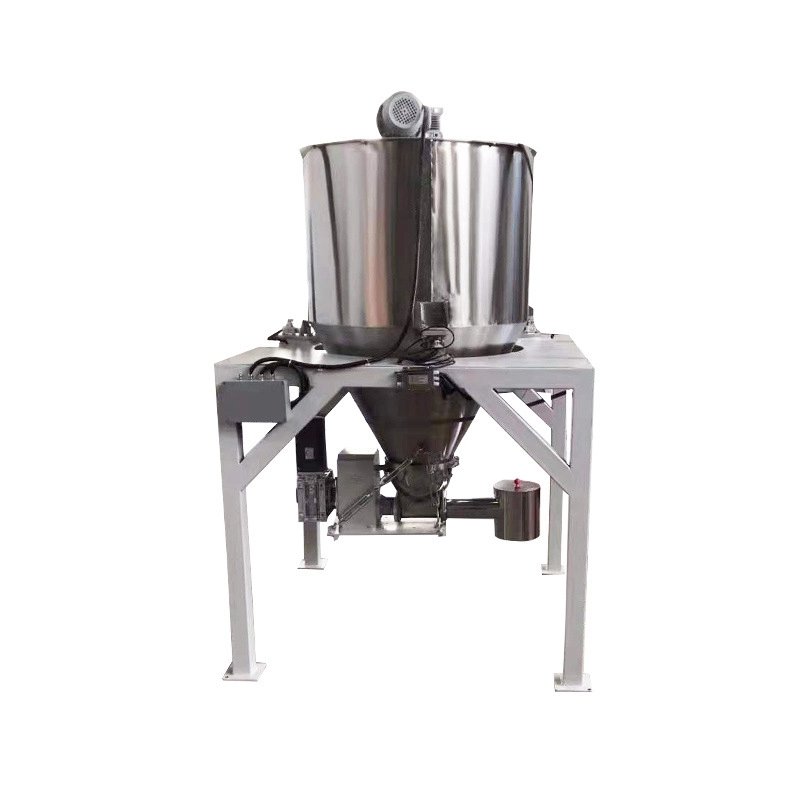
بالنسبة للمنشآت التي تتطلع إلى تحديث أنظمتها القديمة، لا يكون إجراء إصلاح شامل للمصنع ضروريًا دائمًا. يحقق العديد من المصنّعين عائدًا فوريًا على الاستثمار من خلال تحويل المغذيات من الحجمية إلى الوزنية. من خلال تحديث الوحدات الحجمية الحالية بمنصات وزن عالية الدقة وأجهزة تحكم وزنية متقدمة، يمكن للمصانع تحسين دقة الجرعات بشكل كبير دون الحاجة إلى الإنفاق الرأسمالي لأنظمة ميكانيكية جديدة تمامًا. مذهل يقدم استشارات متخصصة ومجموعات تحديث لإرشاد مديري المصانع خلال هذا الانتقال السلس، مما يضمن تحسينات فورية في مؤشرات قدرة العملية (Cpk).
خاتمة
في مجالي التصنيع الكيميائي والطبي اللذين لا يقبلان المساومة، تؤثر موثوقية أنظمة مناولة المواد بشكل مباشر على أرباحك وسمعتك في السوق. يتيح الانتقال من الأساليب القديمة إلى وحدة تغذية ثنائية اللولب تعتمد على فقدان الوزن أو وحدة تغذية وزنية ثنائية اللولب قوية للمصنعين تحقيق مستويات غير مسبوقة من الدقة والنظافة والكفاءة. من خلال التعاون مع مصنع متخصص في وحدات التغذية ثنائية اللولب عالية الدقة، يمكن للشركات التغلب بثقة على تحديات المواد المعقدة. مذهل يعني ذلك الاستثمار في الدقة والامتثال وتأمين قدراتك التصنيعية للمستقبل.
الأسئلة الشائعة (FAQs)
1. ما هو نطاق الدقة النموذجي لنظام التغذية الوزنية في التطبيقات الصيدلانية؟
عند معايرتها بشكل صحيح ومطابقتها مع هندسة اللولب المناسبة للمادة المحددة، يمكن لمغذي لولبي مزدوج عالي الجودة يعمل بالوزن أن يحقق عادةً نطاق دقة يتراوح بين ±0.2% و ±0.5% لمعدل التغذية المحدد. هذه الدقة العالية ضرورية للحفاظ على الجرعة الدقيقة للمكونات الصيدلانية الفعالة وضمان اتساق الإنتاج بين الدفعات.
2. كيف تمنع مغذيات اللولب المزدوج تكتل المواد وتكوين ثقوب في القادوس؟
تُعالج مغذيات اللولب المزدوج مشاكل التدفق من خلال تصميمها اللولبي المتشابك وآليات التحريك المدمجة. يُحدث اللولب تأثير مسح ذاتي يسحب المواد باستمرار من القادوس، بينما تعمل المحركات الأفقية أو الرأسية داخل القادوس على تفكيك الروابط المتماسكة ومنع المواد من تكوين جسور (أقواس) أو تجاويف (أنفاق فارغة) فوق لولب التغذية.
3. هل من الممكن ترقية نظام التغذية الحجمي الحالي إلى نظام التغذية الوزني؟
نعم، يُعدّ التحديث استراتيجية فعّالة للغاية لتحسين الأداء. يتضمن تحويل وحدة التغذية من الحجمية إلى الوزنية عادةً تركيب وحدة التغذية الميكانيكية الحالية على منصة خلية تحميل عالية الدقة، ودمج وحدة تحكم وزنية جديدة. يُمكّن هذا النظام من مراقبة فقدان الوزن باستمرار وضبط سرعة المحرك في الوقت الفعلي، مما يُتيح الاستفادة من دقة تقنية الوزن ومزايا تتبع المواد في المعدات القديمة.