


Cómo el alimentador volumétrico de doble tornillo mejora la eficiencia en el manejo de materiales en polvo industriales
Fecha de lanzamiento: 21/04/2026
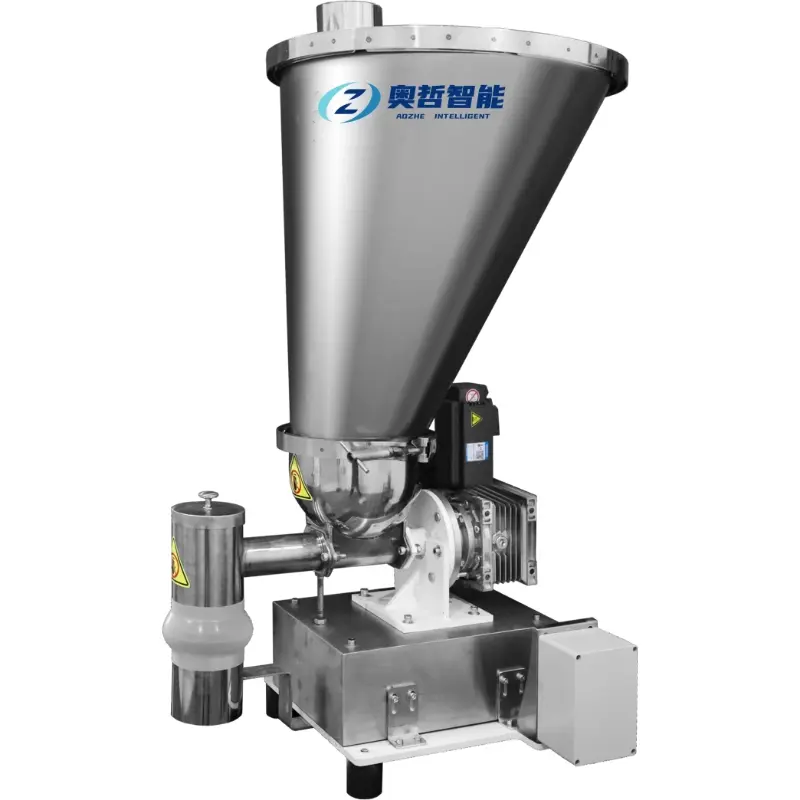
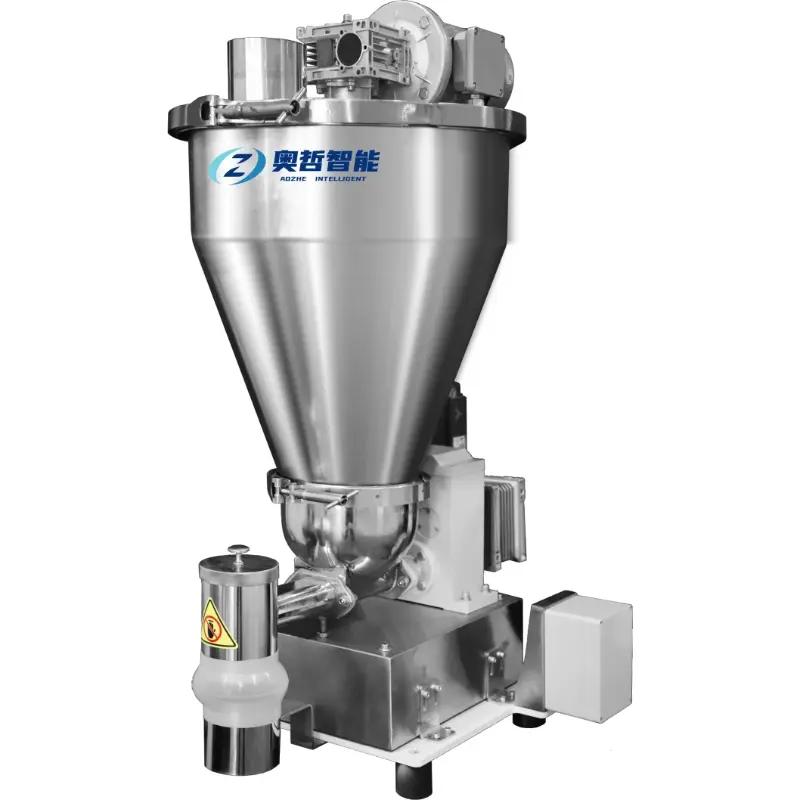
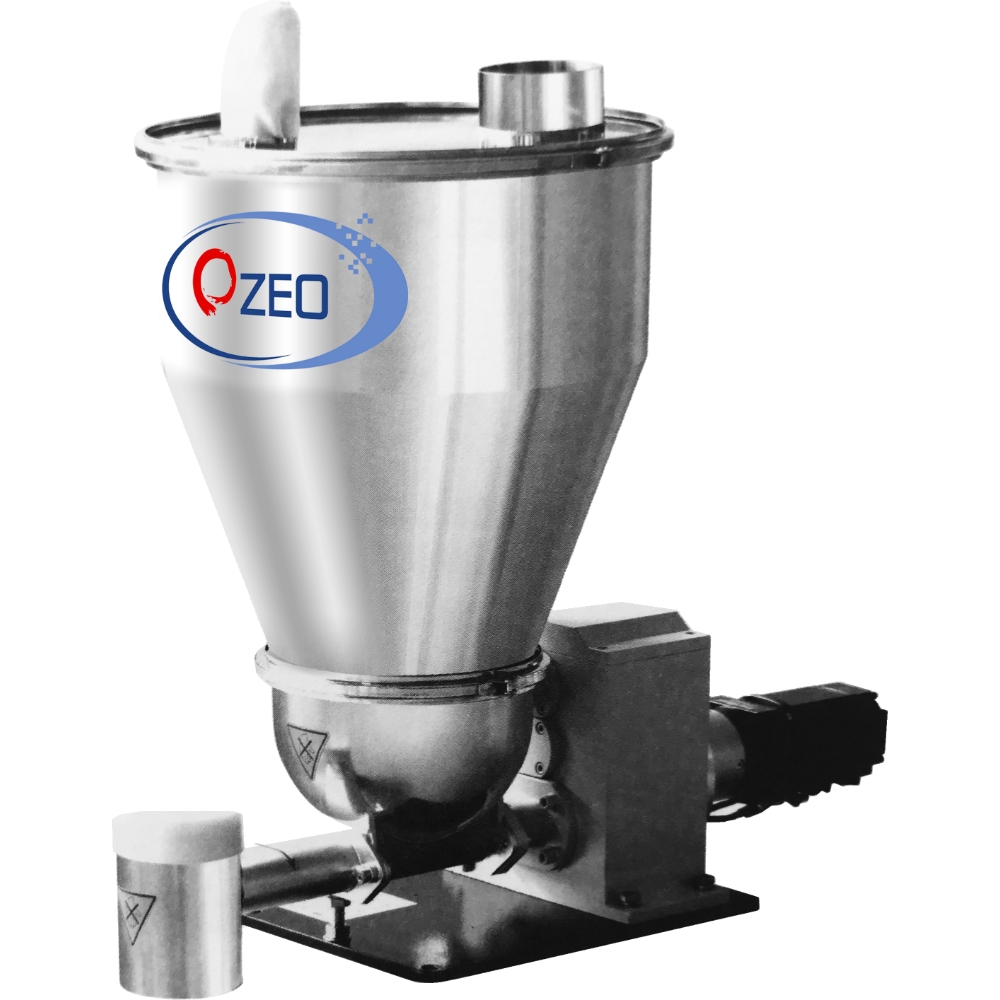
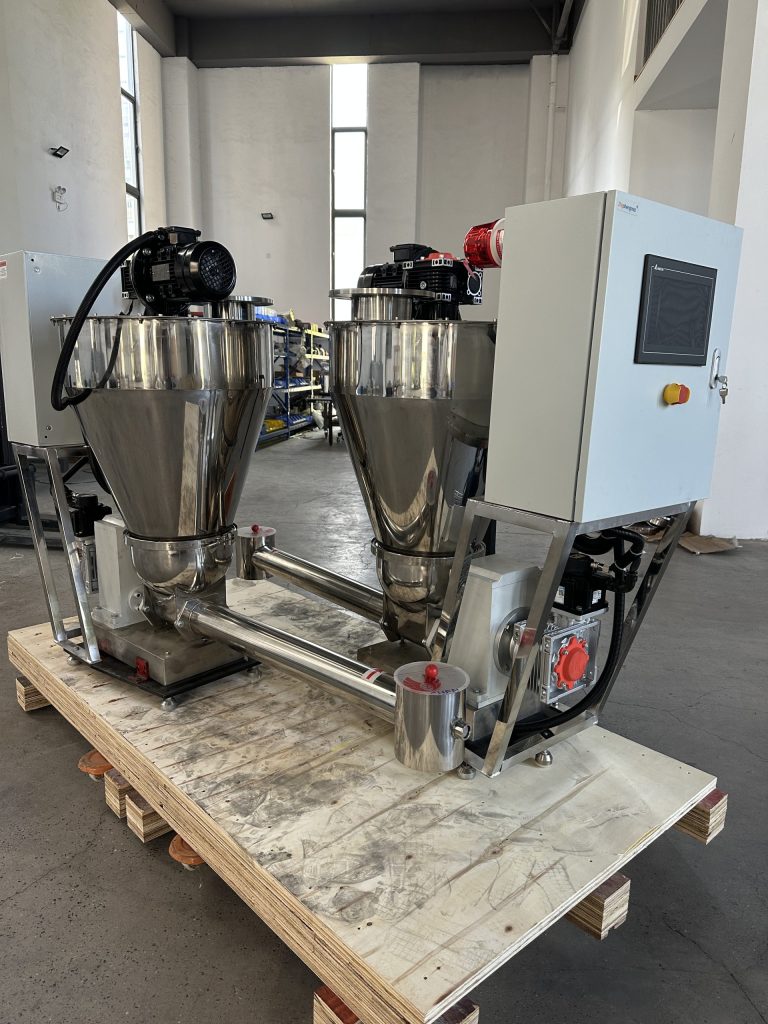
En el complejo mundo de la fabricación moderna, el procesamiento eficiente de materias primas es la base de la rentabilidad. Ya sea en la industria farmacéutica, alimentaria, química o de plásticos, el manejo de sólidos y polvos a granel presenta desafíos operativos únicos. A diferencia de los líquidos, los polvos no fluyen de manera uniforme. Son propensos a la aglomeración, la formación de puentes y las fluctuaciones de densidad, lo que puede interrumpir drásticamente toda la línea de producción. Para superar estos cuellos de botella industriales comunes, los ingenieros y gerentes de planta recurren cada vez más a equipos avanzados. A la vanguardia de este cambio tecnológico se encuentra la ddoble smultitud voluminómetro feder, una solución robusta diseñada para mejorar drásticamente eficiencia en el manejo de materiales en polvo.
Al integrar la ingeniería de precisión con innovadores mecanismos de control de flujo, fabricantes líderes de equipos como Awesome han revolucionado el procesamiento de polvos cohesivos y difíciles de manipular. En este artículo, exploraremos el funcionamiento de este equipo especializado, los desafíos industriales comunes que resuelve y por qué es indispensable para las líneas de producción modernas.
¿Qué es un alimentador volumétrico de doble tornillo?
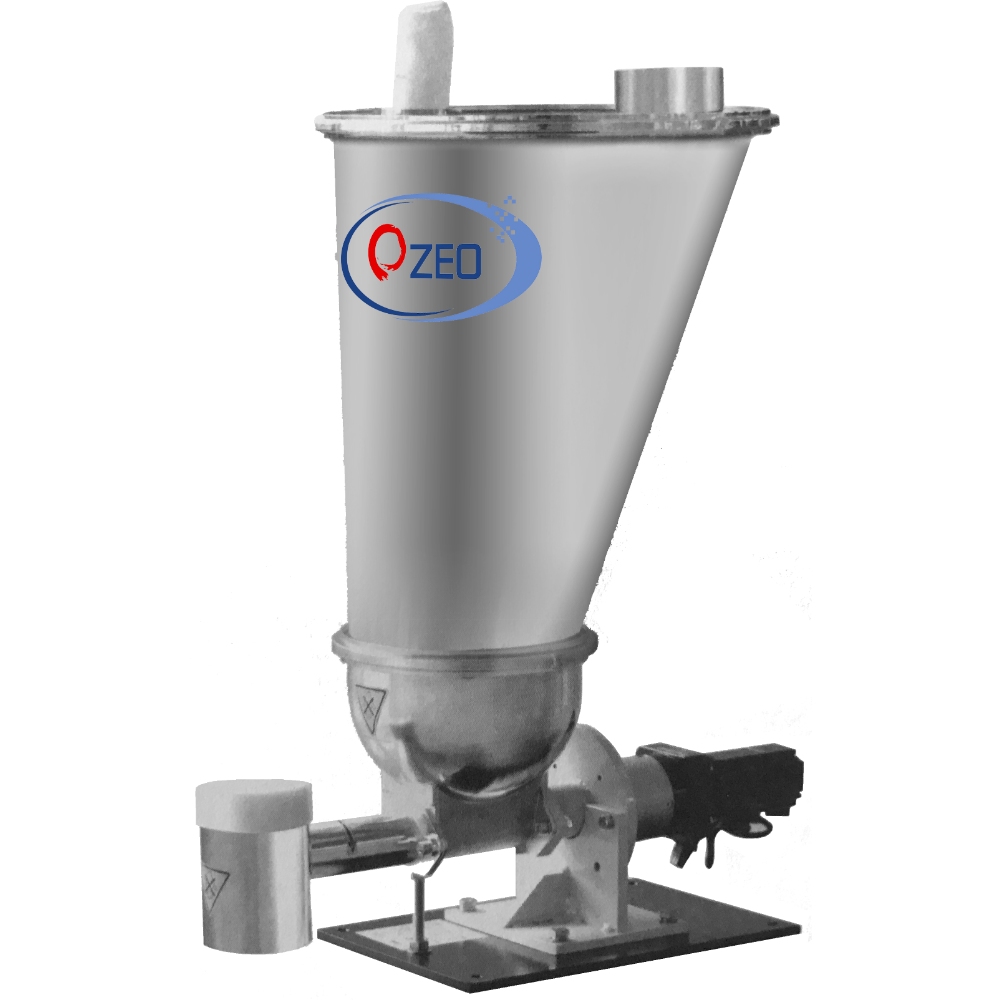
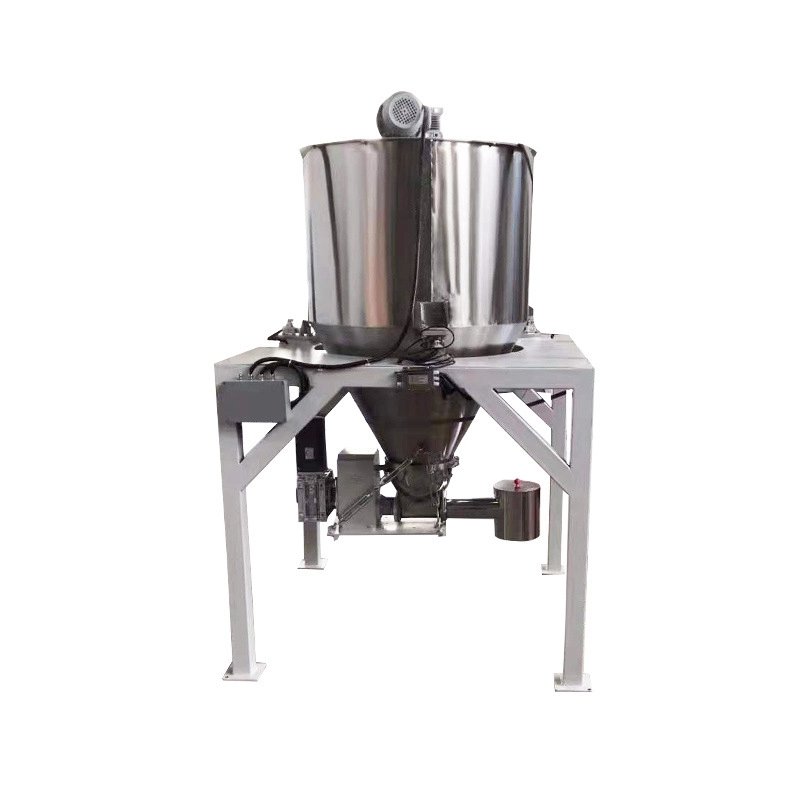
Un alimentador volumétrico es un dispositivo mecánico que se utiliza para descargar un cierto volumen de material sólido a granel de forma continua y a un ritmo controlado. Si bien los alimentadores de un solo tornillo son comunes, un Alimentador volumétrico de doble tornillo (a menudo denominado como equipo de dosificación de doble tornillo) utiliza dos tornillos paralelos que se engranan entre sí y giran juntos dentro de una canaleta.
Este diseño de doble husillo proporciona una acción de autolimpieza. A medida que los husillos giran, se limpian entre sí y las paredes del canal, evitando la acumulación de material. El volumen de material transportado es directamente proporcional a la velocidad de rotación de los husillos. Al ajustar la velocidad del motor, los operarios pueden lograr una descarga de material uniforme y predecible, lo que lo convierte en un componente fundamental en cualquier proceso de fabricación continua.
Principales desafíos en el manejo de polvos industriales
Antes de comprender la solución, es fundamental reconocer los problemas inherentes al manejo de polvos. Cuando los materiales a granel se almacenan en tolvas y se descargan en un proceso, pueden surgir varios problemas de flujo:
Puentes (o arcos): Las partículas del material se entrelazan sobre la abertura de descarga, formando un arco que detiene por completo el flujo.
Escalada de ratas: El material fluye únicamente por el centro de la tolva, dejando el material estancado acumulado contra las paredes.
Inundación (descarga): Los polvos finos y altamente aireados se comportan repentinamente como líquidos y se desplazan sin control a través del alimentador, lo que perjudica la precisión del lote.
Segregación: Durante la descarga, las partículas de diferentes tamaños y densidades se separan, lo que da lugar a una mezcla inconsistente.
Estos problemas provocan tiempos de inactividad significativos, desperdicio de materiales y una mala calidad del producto. Los mecanismos de alimentación estándar a menudo no logran solucionar estos problemas, especialmente cuando se trabaja con polvos cohesivos, pegajosos o ultrafinos.
5 maneras en que el alimentador volumétrico de doble tornillo aumenta la eficiencia
Para comprender por qué esta tecnología goza de tanta estima, debemos analizar las ventajas operativas específicas que aporta a la planta de producción. A continuación, se explica cómo un diseño de doble husillo optimiza la eficiencia:
1. Eliminación de la formación de puentes y cavidades para un flujo continuo.
La principal ventaja de los tornillos gemelos entrelazados es su capacidad para extraer activamente el material de la tolva superior. Debido a que los tornillos dobles proporcionan un área de entrada más grande y una acción de alimentación agresiva, eliminan posibles obstrucciones y acumulaciones de material antes de que puedan formarse por completo. Este contacto activo con el material lo convierte en el mejor. Alimentador volumétrico para polvos pegajosos y materiales altamente cohesivos como el dióxido de titanio, la leche en polvo o el negro de humo.
2. Garantizar alta precisión y consistencia
En industrias como la farmacéutica o la de productos químicos especializados, añadir demasiado o muy poco de un ingrediente puede arruinar un lote entero. El mecanismo de doble tornillo atrapa un volumen específico de polvo entre las paletas del tornillo y el cilindro, moviéndolo hacia adelante con un deslizamiento mínimo. Esto da como resultado una excepcional precisión de dosificación volumétrica. Al mantener un ritmo de alimentación constante, las plantas pueden reducir el desperdicio de materia prima y garantizar una calidad uniforme del producto en miles de lotes.
3. Manejo de una amplia gama de materiales
Una sola planta de fabricación puede procesar una variedad de polvos, desde gránulos de flujo libre hasta harinas densas y altamente aireadas. La versatilidad de un sistema de doble husillo le permite manejar una gama increíblemente diversa de materiales a granel. Simplemente cambiando el perfil del husillo (por ejemplo, de un husillo de paletas sólidas a un perfil cóncavo o un diseño de paletas de alambre), los operadores pueden personalizar el alimentador para que actúe como un alimentador altamente adaptable. soluciones de flujo de polvo cohesivo sin necesidad de adquirir maquinaria completamente nueva.
4. Reducción del tiempo de inactividad por mantenimiento y operación.
El mantenimiento de la maquinaria es un factor clave para la eficiencia general de la fábrica. El sistema de autolimpieza de los husillos gemelos entrelazados impulsa el material constantemente hacia adelante, reduciendo la acumulación de residuos pegajosos en las hélices. Esto minimiza la frecuencia de limpieza manual necesaria entre ciclos de producción. Además, los alimentadores modernos están diseñados para un fácil desmontaje, lo que permite a los operarios limpiar el equipo rápidamente durante los cambios de producto, maximizando así el tiempo de actividad.
5. Integración perfecta en sistemas automatizados
A medida que la Industria 4.0 se convierte en el estándar, las fábricas requieren equipos que puedan comunicarse dentro de una red más amplia. Alimentadores volumétricos de doble tornillo son altamente compatibles con los sistemas modernos sistemas de manipulación de polvo industrial. Se integran a la perfección con PLC (Controladores Lógicos Programables) y redes de plantas automatizadas. Los sensores y los controles inteligentes monitorizan el par y la velocidad del motor en tiempo real, lo que permite realizar ajustes instantáneos para mantener la eficiencia sin intervención humana.
¿Por qué elegir Awesome para sus necesidades de alimentación de materiales?
Para optimizar la capacidad de manejo de su planta, es fundamental asociarse con un experto que comprenda las particularidades de la dinámica de sólidos a granel. Awesome se destaca como un innovador confiable en el campo de la tecnología de dosificación de polvo. Gracias a su enfoque en la construcción robusta, diseños sanitarios y perfiles de tornillo personalizados, Awesome garantiza que cada alimentador volumétrico se adapte a los requisitos específicos de su línea de producción, lo que en última instancia reduce los costos operativos a largo plazo y aumenta su rentabilidad.
Conclusión
Maximizar la producción manteniendo un estricto control de calidad es el objetivo final de cualquier fabricante industrial. Los métodos de alimentación tradicionales a menudo resultan insuficientes cuando se enfrentan a sólidos a granel difíciles, lo que conlleva retrasos costosos y lotes arruinados. Al invertir en un Alimentador volumétrico de doble tornillo, Los fabricantes pueden superar los problemas comunes de flujo, garantizar una dosificación precisa y reducir significativamente el tiempo de inactividad por mantenimiento. Respaldados por la excelencia en ingeniería de empresas como Awesome, estos equipos dejan de ser una simple máquina para convertirse en un activo estratégico que garantiza la eficiencia operativa a largo plazo.
Preguntas frecuentes (FAQ)
P1: ¿Cuál es la principal diferencia entre un alimentador volumétrico de un solo tornillo y uno de doble tornillo?
A: Un alimentador de un solo tornillo utiliza un sinfín giratorio y suele ser ideal para materiales de flujo libre como gránulos o granos. Un alimentador de doble tornillo utiliza dos tornillos entrelazados. Este diseño de doble tornillo proporciona una acción de autolimpieza y una mayor fuerza de tracción, lo que le permite procesar polvos pegajosos, cohesivos o ultrafinos que normalmente obstruirían un sistema de un solo tornillo.
P2: ¿Puede un alimentador volumétrico de doble tornillo procesar polvos altamente aireados o inundables?
R: Sí. Los polvos altamente aireados (como el talco o ciertos almidones) tienden a dispersarse sin control. Un alimentador de doble tornillo puede equiparse con diseños de tornillo específicos, como tornillos de perfil cóncavo entrelazados, que actúan como barrera física. Esto evita que el polvo aireado inunde el alimentador, manteniendo un control preciso del caudal de descarga.
P3: ¿Cómo debo mantener y limpiar un alimentador de doble tornillo para garantizar su durabilidad?
A: El mantenimiento es sencillo gracias a la capacidad de autolimpieza de los tornillos entrelazados, que evita la acumulación excesiva de residuos. Para facilitar el mantenimiento regular, los alimentadores de doble tornillo modernos están diseñados con abrazaderas de liberación rápida y mecanismos deslizantes. Los operarios pueden desmontar fácilmente la tolva de alimentación y extraer los tornillos para una limpieza a fondo, tanto en seco como en húmedo, durante los cambios de producto, minimizando así el tiempo de inactividad.