

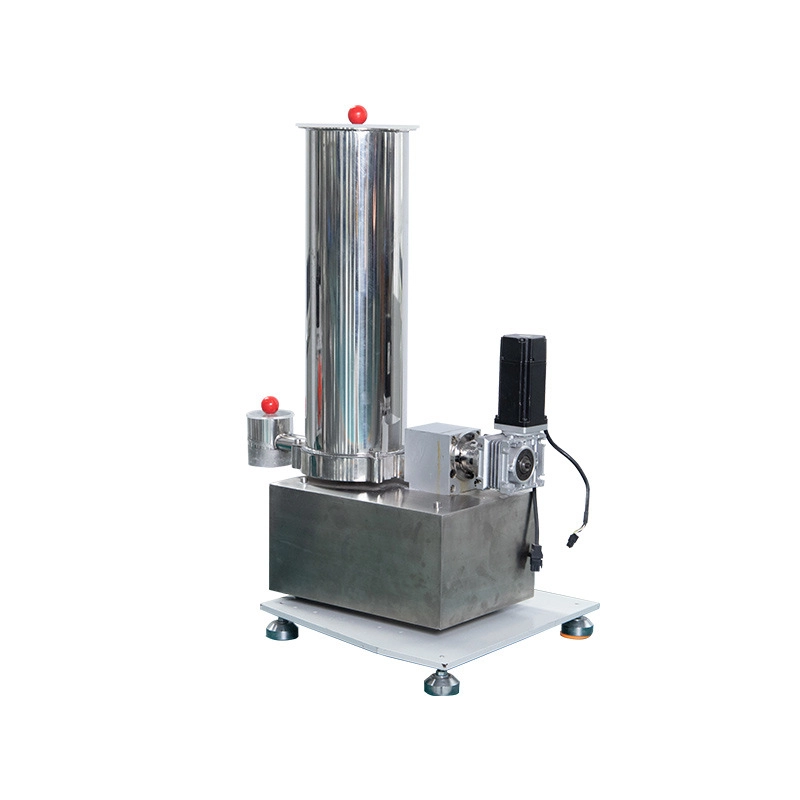
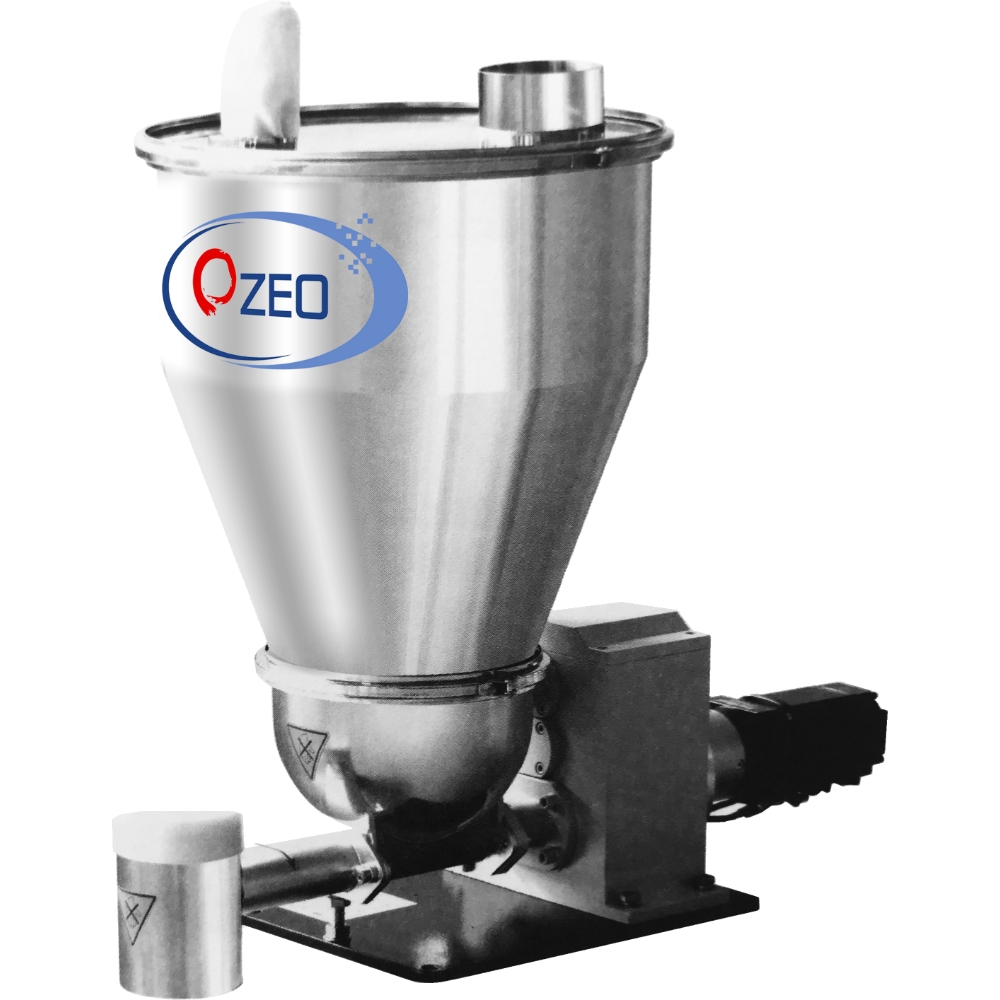
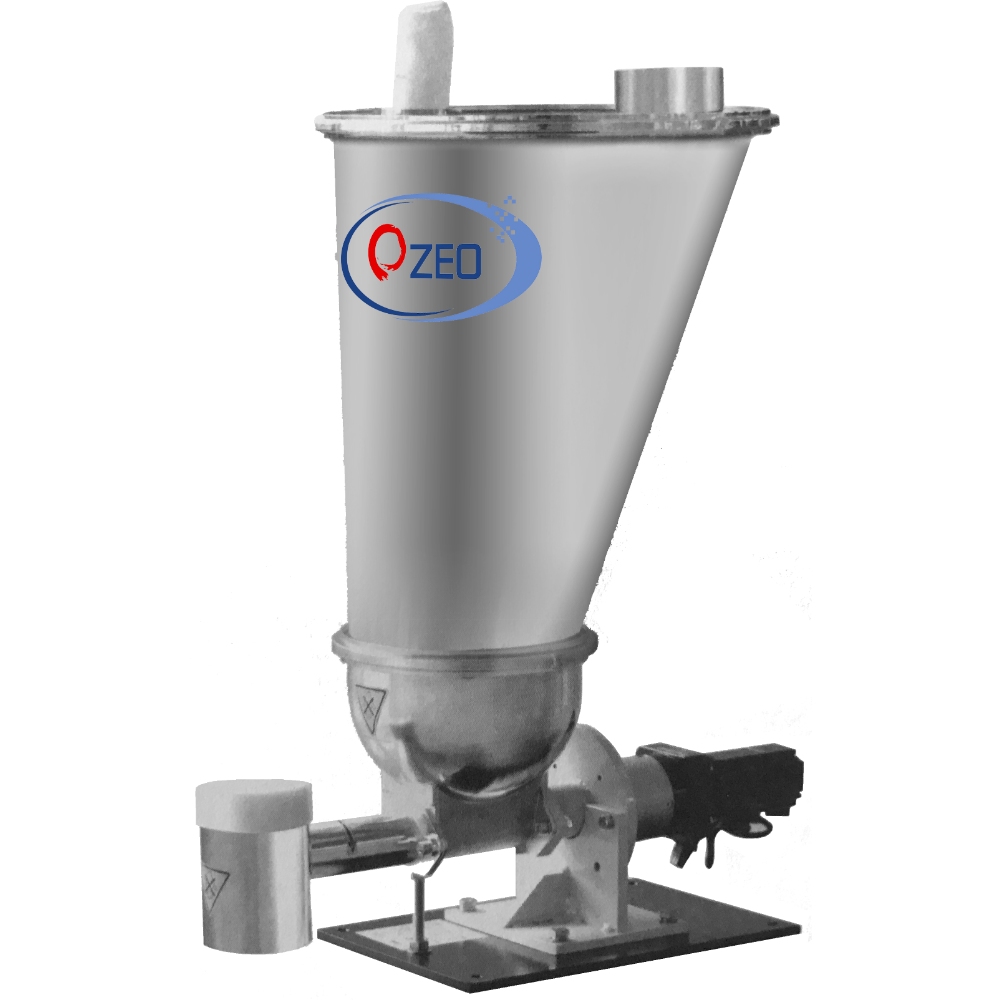
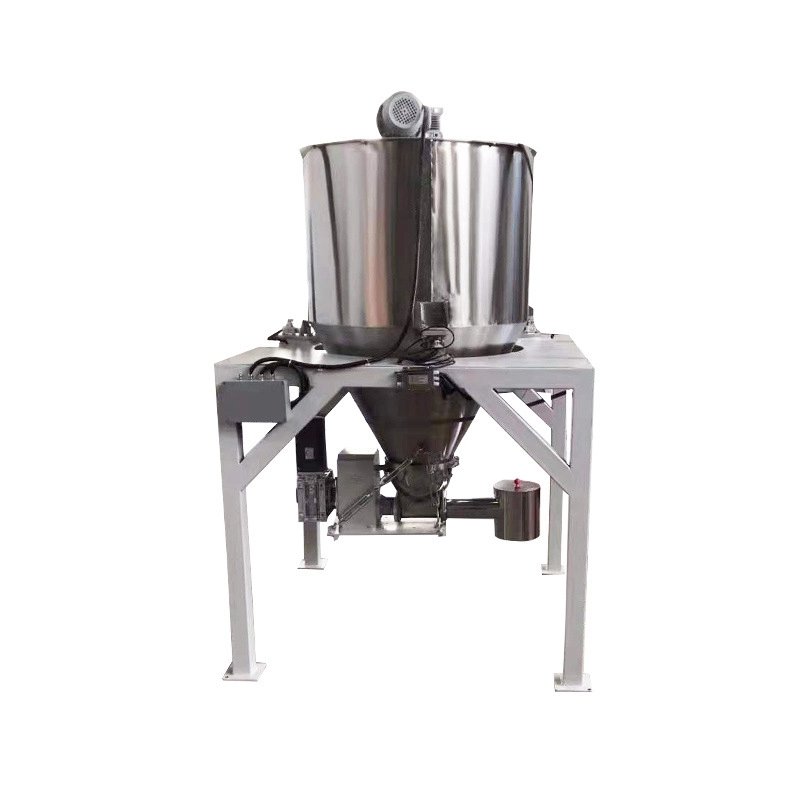

La ciencia detrás de los alimentadores de doble tornillo con control de peso
Fecha de lanzamiento: 14/07/2026
Tabla de contenido
En el panorama moderno de la fabricación avanzada, la precisión no es solo un objetivo; es el requisito fundamental para la rentabilidad y el control de calidad. Ya sea en la formulación farmacéutica, la composición de plásticos o el procesamiento de alimentos, la dosificación exacta de las materias primas determina la integridad del producto final. En el centro de este control preciso de materiales se encuentra una ingeniería compleja, específicamente dentro de los sistemas de alimentación continua. Entre estos, el alimentador de pérdida de peso de doble tornillo Destaca como una maravilla de la ciencia mecánica y computacional.
Este artículo profundiza en los intrincados principios científicos y de ingeniería que hacen que estos sistemas sean indispensables para manipulación de materiales a granel de alta precisión, explorando cómo superan las dinámicas de flujo de materiales más desafiantes.
Comprender el principio de pérdida de peso
Antes de analizar la mecánica de los tornillos, es fundamental comprender el concepto de alimentación gravimétrica. Un alimentador por pérdida de peso (LIW, por sus siglas en inglés) funciona según un principio sorprendentemente sencillo, impulsado por algoritmos altamente sofisticados.
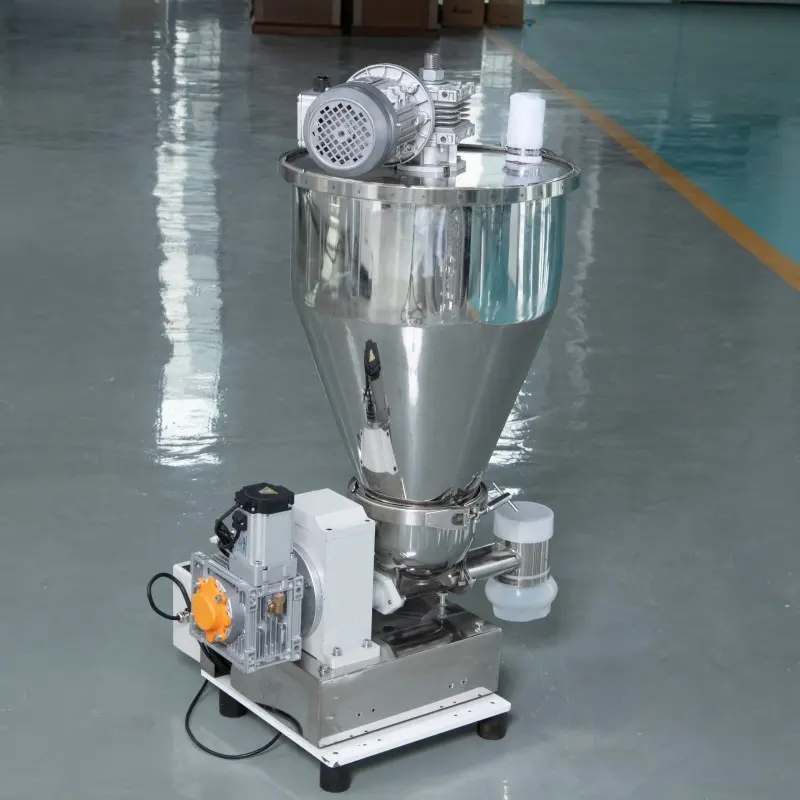
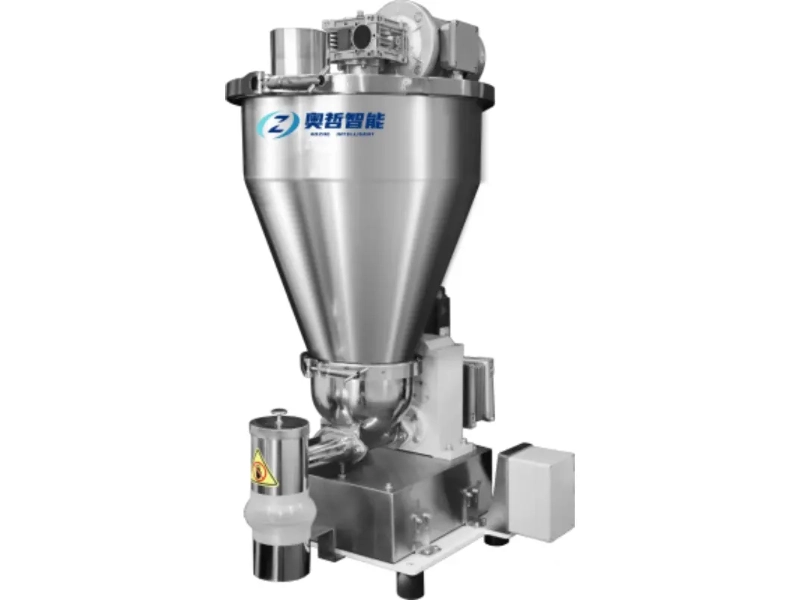
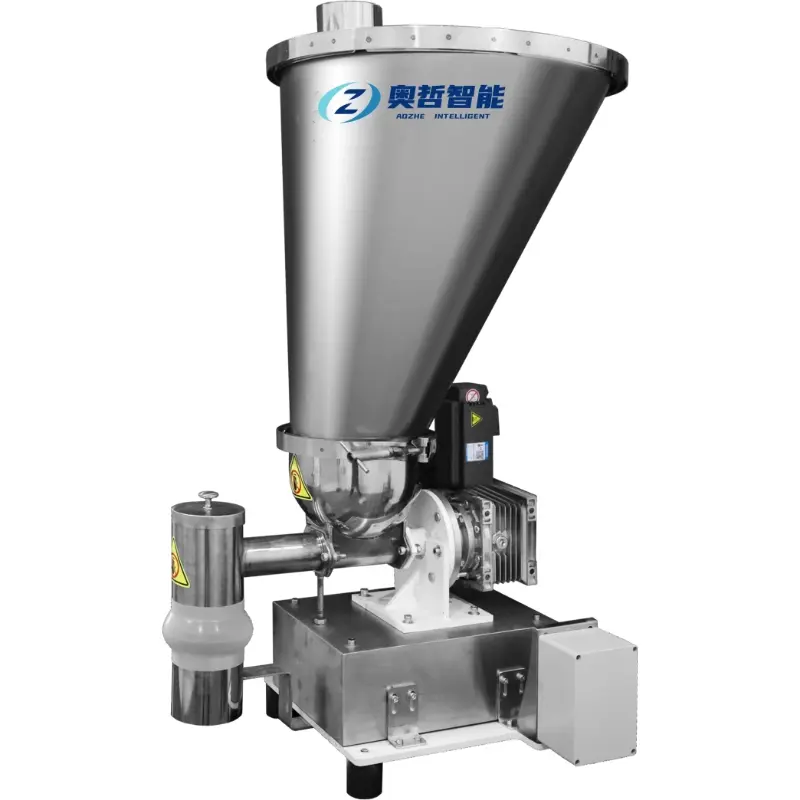
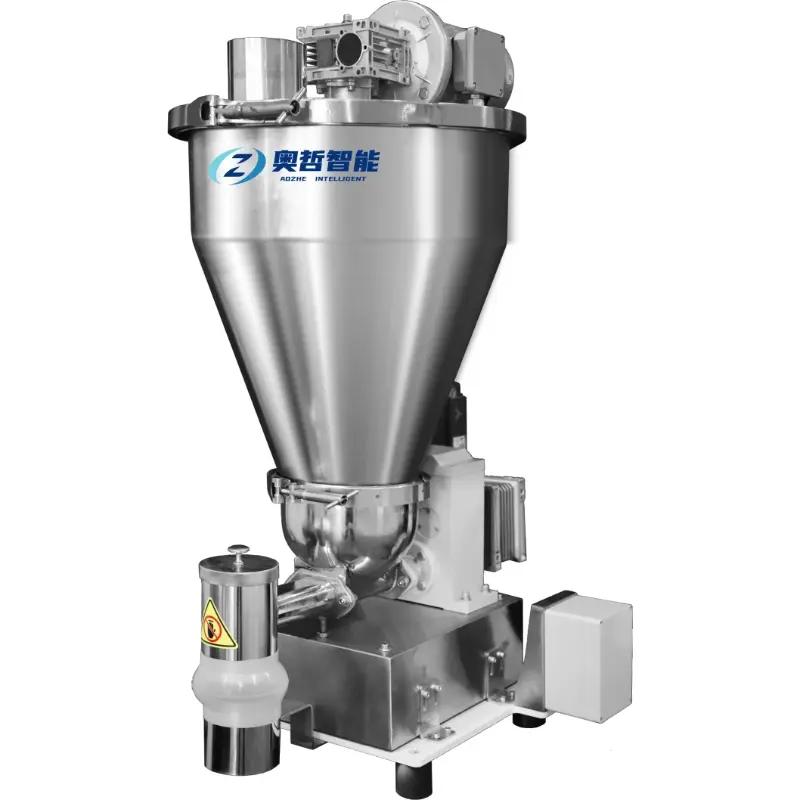
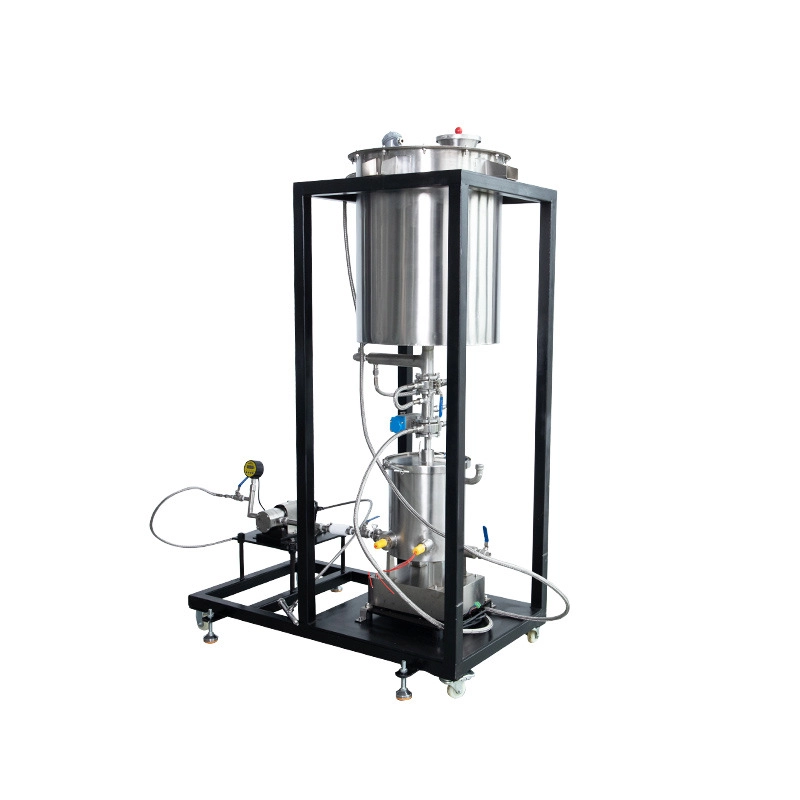
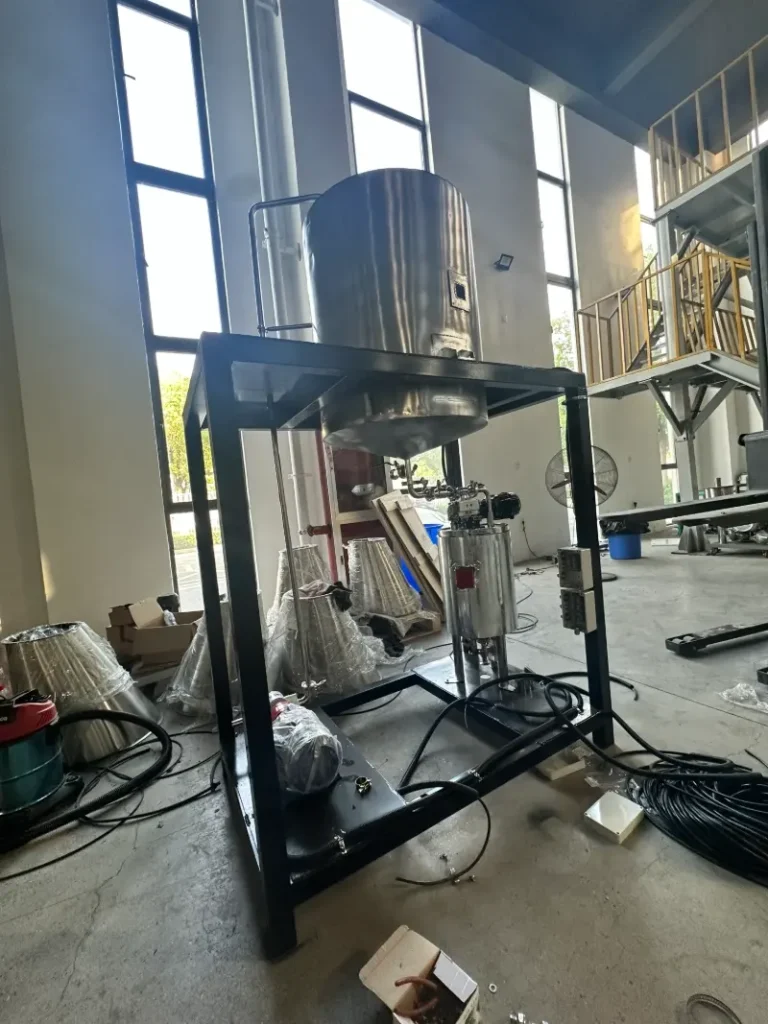
Todo el sistema de alimentación —que comprende la tolva, el material, el mecanismo de alimentación (tornillos) y el motor— está montado sobre una báscula de alta precisión o celdas de carga. A medida que el alimentador funciona y el material se descarga en el proceso, las celdas de carga miden continuamente la disminución de peso de todo el sistema. Un controlador de alta respuesta calcula la tasa real de pérdida de peso a lo largo del tiempo y la compara con el valor de consigna deseado.
Si la velocidad de alimentación real se desvía del punto de ajuste, el controlador ajusta instantáneamente la velocidad del motor utilizando un algoritmo Proporcional-Integral-Derivativo (PID) para corregir la velocidad de descarga. Este bucle de retroalimentación continua representa el núcleo de tecnología de alimentación industrial por pérdida de peso, lo que garantiza que las variaciones en la densidad aparente del material se compensen automáticamente en tiempo real.
¿Por qué dos tornillos? La física del flujo de materiales.
Si bien los mecanismos de un solo husillo son adecuados para materiales granulares de flujo libre (como los gránulos de plástico), presentan dificultades significativas al procesar polvos difíciles. Es aquí donde el alimentador gravimétrico de doble husillo se vuelve esencial.
La ciencia que subyace al uso de tornillos dobles entrelazados gira en torno al desplazamiento activo del material y a la superación de las características de flujo deficientes. Los materiales difíciles suelen presentar tendencias a formar puentes (un arco sobre la zona de descarga), a crear canales (que se extienden directamente por el centro dejando material en las paredes) o a fluir de forma incontrolable (como un líquido).
El mecanismo de autolimpieza
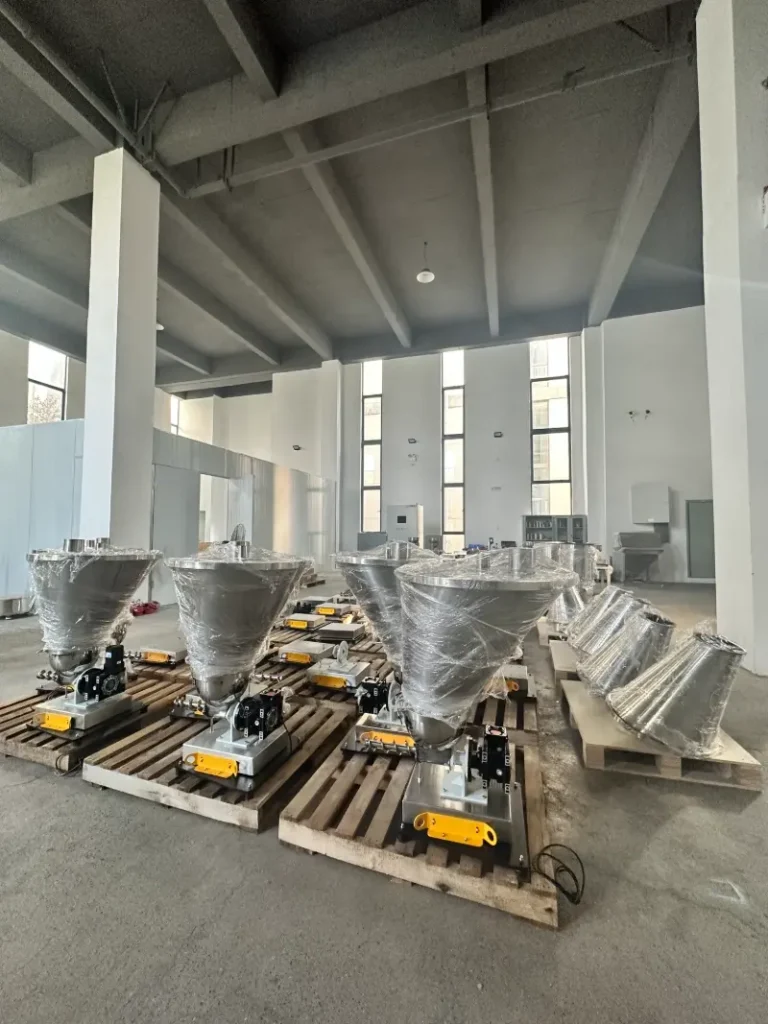
La geometría del sistema de doble husillo está diseñada para que las hélices de un husillo rocen continuamente las del otro, así como las paredes del canal de alimentación. Esta acción mecánica impulsa el material hacia adelante, evitando su acumulación y asegurando un desplazamiento volumétrico uniforme en cada revolución.
Para instalaciones que requieren confiabilidad equipo de alimentación de polvo cohesivo, Este perfil autolimpiante es indispensable. Transporta eficazmente polvos pegajosos, higroscópicos o altamente compresibles que, de otro modo, obstruirían y bloquearían un sistema de husillo único.
Mitigación de la pulsación
Los tornillos simples a veces pueden causar descarga pulsante, lo que genera microinconsistencias en el proceso posterior. El diseño de engranaje de los tornillos dobles minimiza esta pulsación, proporcionando una cortina de material altamente uniforme y continua, lo cual es absolutamente crítico para sistemas de alimentación por extrusión continua.
Comparaciones tecnológicas en la dosificación de materiales
Para comprender mejor cómo encaja la arquitectura de doble tornillo en el ecosistema de fabricación más amplio, debemos compararla con otras tecnologías de dosificación estándar.
| Característica | Alimentadores de un solo tornillo | Alimentadores de doble tornillo | Alimentadores vibratorios |
|---|---|---|---|
| Más adecuado para | Pellets, gránulos y virutas de flujo libre | Polvos cohesivos, pegajosos, inundables o finos. | Materiales frágiles, fibras de vidrio, escamas |
| Precisión en la alimentación | Alto (para obtener materiales óptimos) | Extremadamente alto (en una amplia gama de materiales) | De moderado a alto |
| Capacidad de autolimpieza | Bajo | Muy alto (debido al entrelazamiento de perfiles) | N/A (no hay partes móviles en la trayectoria del material) |
| Degradación del material | Moderado | De bajo a moderado (dependiendo del perfil del tornillo) | Muy bajo |
| Manejo de puentes | Pobre | Excelente | Pobre |
A medida que líderes de la industria como Awesome continúan innovando en este ámbito, los diseños mecánicos se combinan cada vez más con interfaces digitales avanzadas, lo que permite una integración perfecta en los entornos de fábrica de la Industria 4.0.
Escenarios de aplicación e impacto en la industria
El despliegue de estos sistemas avanzados abarca numerosos sectores industriales críticos, cada uno con su propio conjunto de requisitos estrictos.
Plásticos y compuestos
En la producción de polímeros especiales, los aditivos como el dióxido de titanio, el carbonato de calcio o diversos estabilizadores deben inyectarse en la extrusora con extrema precisión. Una sobrealimentación supone un desperdicio de aditivos costosos, mientras que una subalimentación compromete la integridad estructural del polímero. Utilizar métodos fiables Dosificación gravimétrica para la fabricación de plásticos Garantiza que la fórmula química exacta se mantenga segundo a segundo, lo que da como resultado una dispersión de color y unas propiedades mecánicas perfectas.
Productos farmacéuticos y ciencias de la vida
En la fabricación de productos farmacéuticos, donde el ingrediente farmacéutico activo (API) debe mezclarse perfectamente con los excipientes, se hace lo que está en juego. alimentador de doble tornillo de grado farmacéutico Está diseñado no solo para una precisión de microdosificación extrema, sino también para cumplir con estrictos estándares de higiene. Estas unidades cuentan con diseños de desmontaje rápido, superficies pulidas a espejo y sellos que cumplen con la normativa de la FDA para prevenir la contaminación cruzada y facilitar la validación rápida de la limpieza.
Al asociarse con fabricantes de equipos de primer nivel como Awesome, las empresas farmacéuticas pueden garantizar que sus líneas de producción continua cumplan tanto con las regulaciones de la FDA como con sus propios y rigurosos estándares de control de calidad.
Alimentos y bebidas
En el procesamiento de alimentos, la uniformidad en sabor y textura depende en gran medida de la dosificación precisa de especias, saborizantes y microingredientes. La capacidad de los sistemas de doble tornillo para procesar polvos con contenido de humedad variable a diario, sin perder precisión, los hace esenciales para la producción de productos de consumo uniformes.
Evaluación del retorno de la inversión de los sistemas de alimentación avanzados.
Transición o actualización soluciones automatizadas de alimentación de polvo Representa una inversión de capital, pero el retorno de la inversión (ROI) generalmente se obtiene rápidamente a través de múltiples vías científicas y operativas:
- Eliminación de residuos materiales: Al evitar la sobrealimentación de materias primas costosas (que a menudo se realiza manualmente o mediante alimentadores volumétricos "por si acaso"), las instalaciones ahorran significativamente en costes de materias primas.
- Reducción de productos que no cumplen con las especificaciones: La dosificación continua y precisa garantiza que el producto final cumpla sistemáticamente con las especificaciones, reduciendo drásticamente los índices de desperdicio y la necesidad de reprocesamiento.
- Estabilidad del proceso: La compensación en tiempo real de los cambios en la densidad aparente permite que la extrusora o la mezcladora funcionen en un estado estable, lo que prolonga la vida útil de los equipos de procesamiento posteriores.
La genialidad de la alimentadora de doble tornillo por pérdida de peso reside en su capacidad para combinar la fuerza mecánica bruta (para mover materiales difíciles) con ajustes computacionales precisos y de alta velocidad. Es la solución definitiva para dominar la impredecible física de los sólidos a granel.
Preguntas frecuentes (FAQ)
P1: ¿Cómo puedo saber si mi proceso requiere un alimentador de un solo tornillo o de doble tornillo?
A: La decisión depende completamente de la reología (características de flujo) del material. Si el material es fluido, granular y no se compacta ni se adhiere (como los gránulos de plástico o los granos secos), un solo tornillo suele ser suficiente y más económico. Sin embargo, si el material es un polvo fino, cohesivo, propenso a la formación de puentes, pegajoso o tiende a fluidificarse fácilmente, se recomienda encarecidamente una configuración de doble tornillo para garantizar una descarga uniforme y precisa.
P2: ¿Con qué frecuencia es necesario calibrar un sistema de alimentación para la pérdida de peso?
A: Debido a que estos sistemas dependen de celdas de carga de alta precisión, la calibración rutinaria es fundamental. Si bien las celdas de carga modernas son muy estables, generalmente se recomienda realizar una calibración estática al menos cada 6 a 12 meses, o siempre que el equipo se mueva o se someta a un mantenimiento importante. Además, se debe realizar una calibración dinámica (prueba de carga) al introducir un nuevo material a granel con características de flujo muy diferentes para ajustar correctamente el controlador PID.
P3: ¿Pueden estos alimentadores procesar materiales altamente abrasivos sin desgastarse?
A: Sí, pero requiere una ingeniería específica. Los tornillos estándar de acero inoxidable se desgastan rápidamente al alimentar materiales abrasivos como fibras de vidrio, polvos cerámicos o ciertos pigmentos. En estos casos, los fabricantes pueden tratar los tornillos y el tubo de alimentación con recubrimientos especiales de alta resistencia, carburo de tungsteno o procesos de nitruración para prolongar significativamente la vida útil del equipo y mantener la precisión de la alimentación a lo largo del tiempo.