


Mejora de la eficiencia de producción: Análisis de las ventajas de los alimentadores de doble husillo con control de peso.
Fecha de lanzamiento: 2026-05-20
Tabla de contenido
En el competitivo panorama actual de la fabricación global, maximizar la eficiencia de la producción manteniendo un estricto control de calidad ya no es solo un objetivo, sino una necesidad para la supervivencia. Para industrias de procesos como la de compuestos plásticos, síntesis química, procesamiento de alimentos y fabricación farmacéutica, la alimentación precisa de materiales sólidos a granel es un paso fundamental y crítico. Awesome, fabricante e innovador líder en tecnología de alimentación industrial, reconoce que los equipos de procesamiento estándar suelen ser insuficientes cuando los ingenieros deben manejar polvos de difícil flujo. Este artículo exhaustivo explora cómo las tecnologías de alimentación avanzadas pueden revolucionar su línea de producción, centrándose específicamente en las ventajas estructurales y operativas de las configuraciones de doble husillo.
La superioridad de los diseños mecánicos de doble husillo
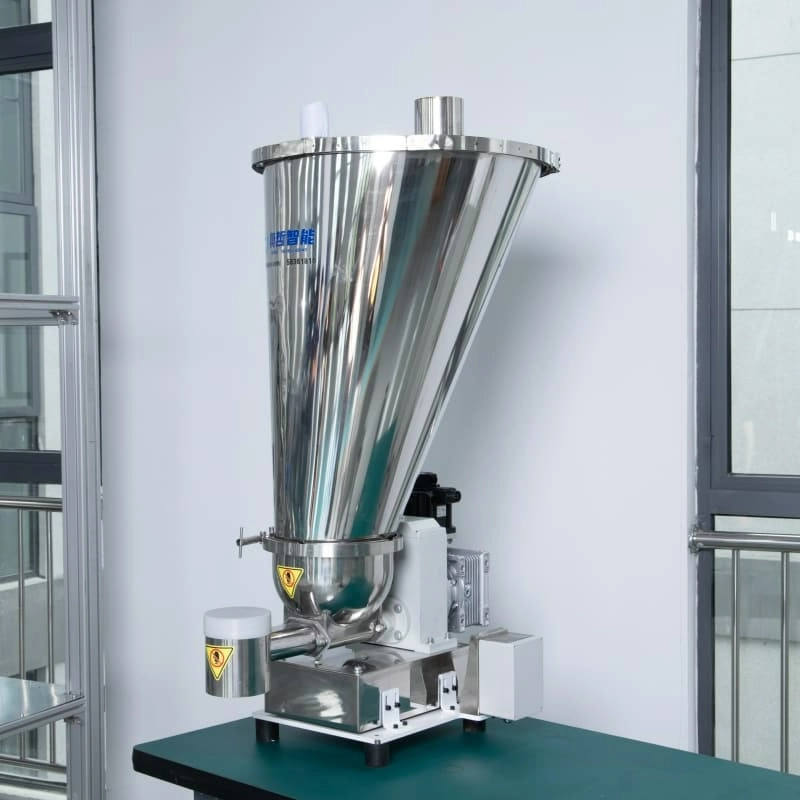
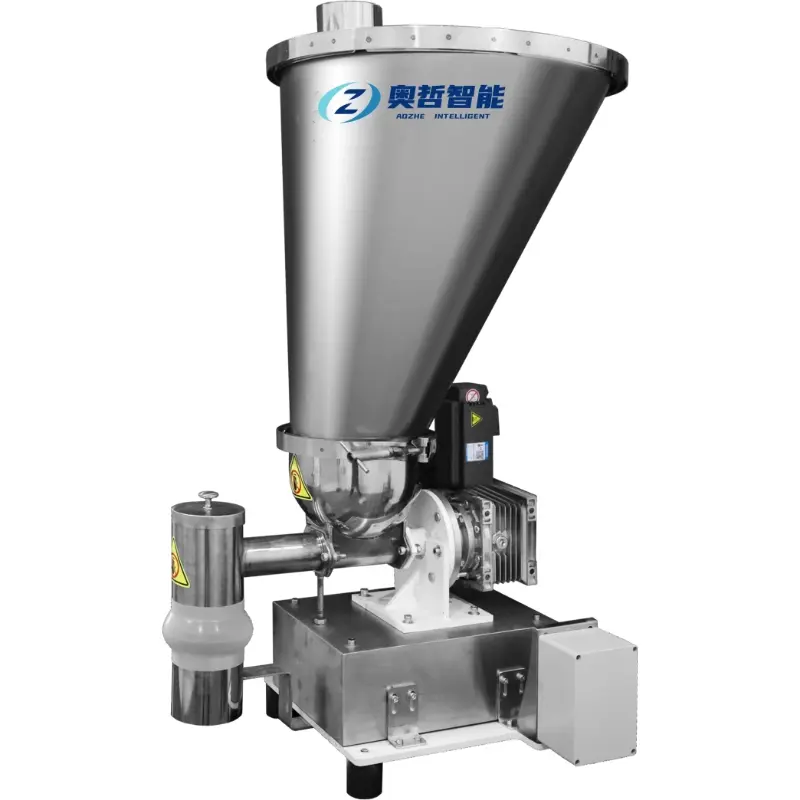
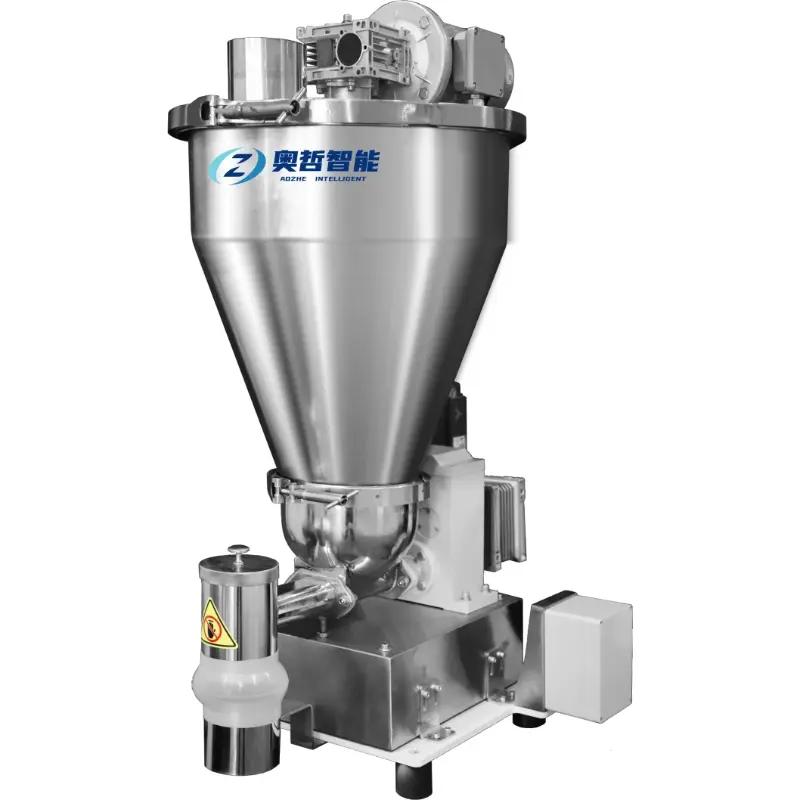
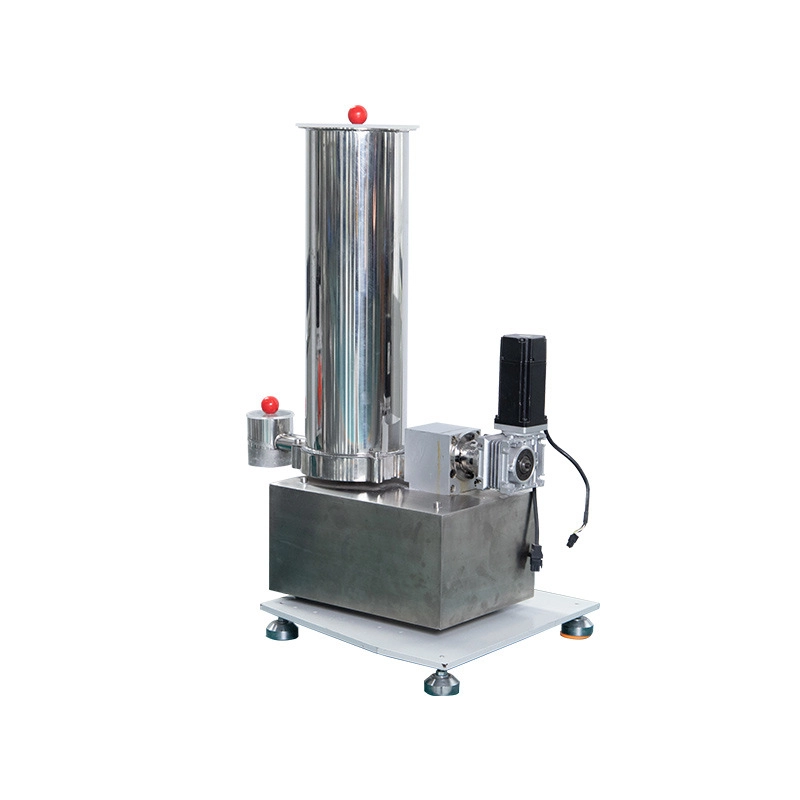
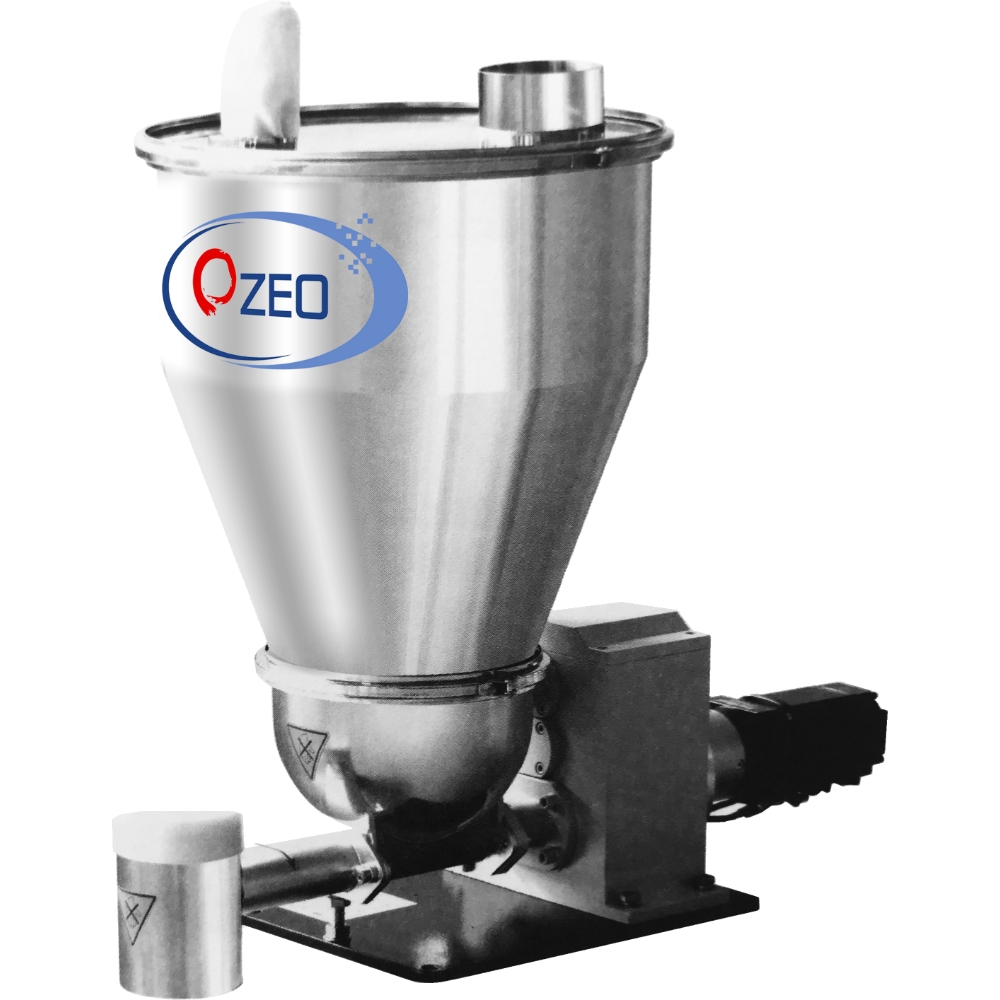
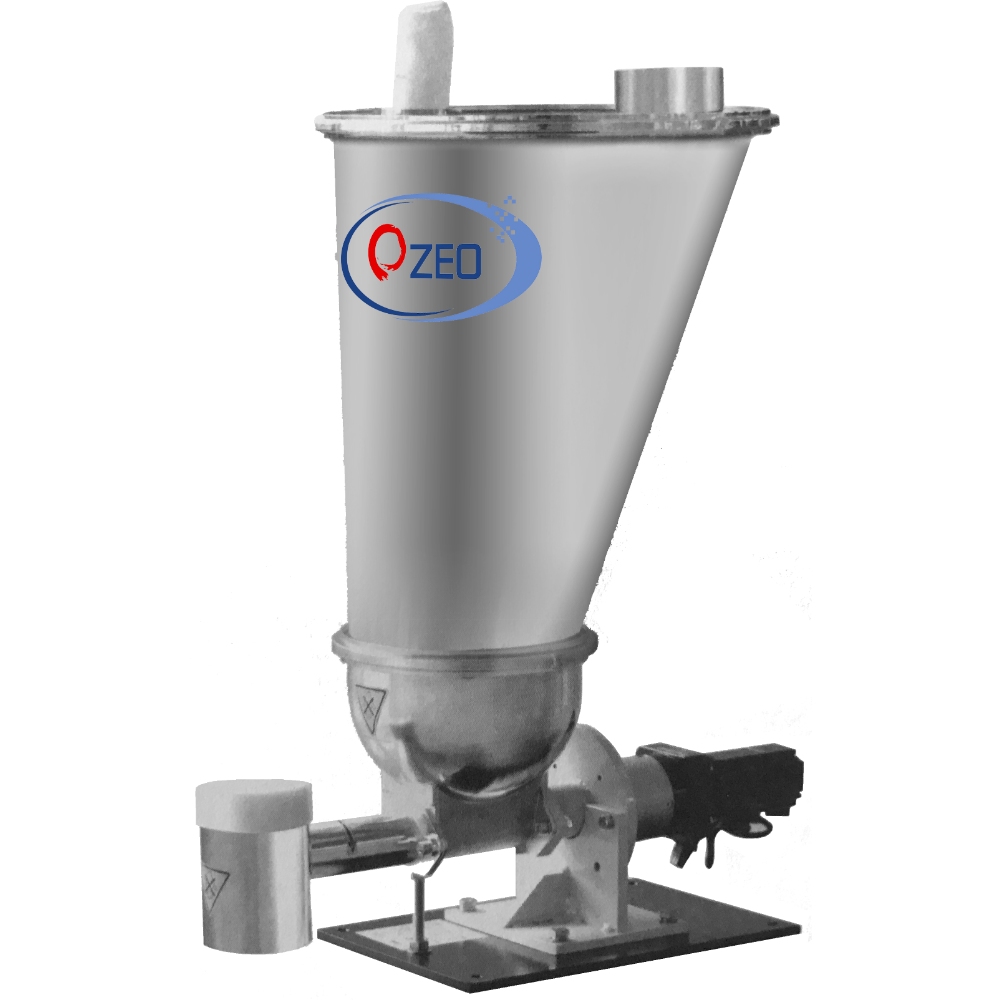
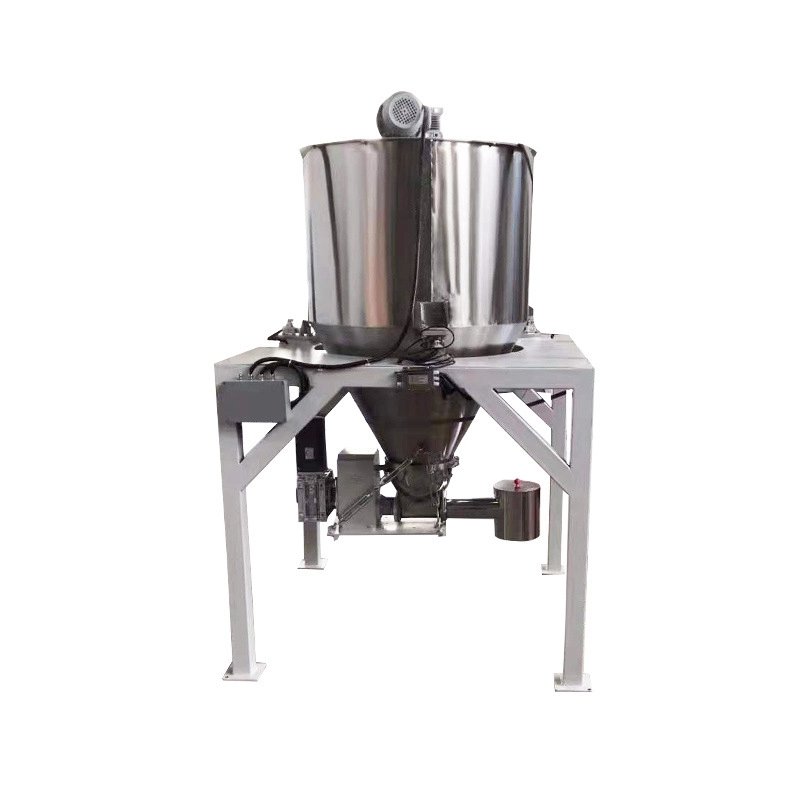
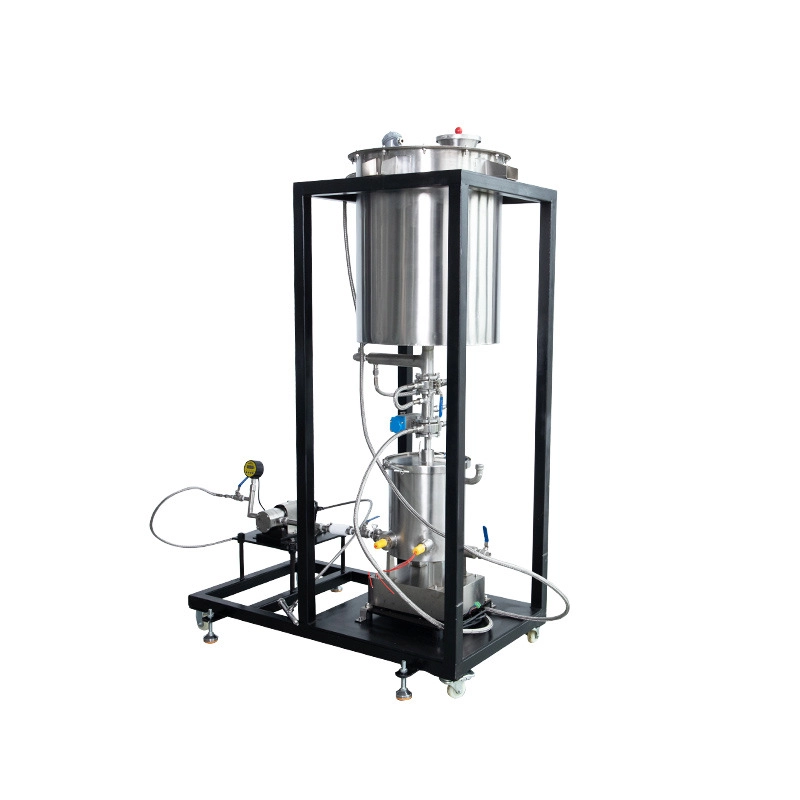
Cuando se trabaja con polvos cohesivos, pegajosos o inundables, mantener un caudal másico constante es un desafío notorio que afecta a muchas instalaciones de producción. alimentador de pérdida de peso de doble tornillo Ofrece una solución de ingeniería altamente especializada para estos problemas comunes en la industria. Mediante dos tornillos giratorios entrelazados, este equipo proporciona una acción de autolimpieza única que previene activamente la acumulación, el apelmazamiento y la formación de puentes de material dentro del tubo de alimentación y la tolva. Esta ventaja mecánica garantiza que incluso los materiales más resistentes y sensibles a la humedad se distribuyan de forma fluida y continua al proceso posterior, como una extrusora o una mezcladora.
Además, un alimentador gravimétrico de doble husillo Funciona según un principio de pérdida de peso continuo y preciso. Mide constantemente el peso de toda la unidad de alimentación —incluida la tolva, el material a granel y el propio alimentador— mediante células de carga de precisión. El controlador integrado ajusta instantáneamente la velocidad del tornillo para alcanzar y mantener el caudal másico exacto deseado. Este avanzado control de circuito cerrado garantiza una consistencia de alimentación excepcional, minimizando drásticamente el desperdicio de materia prima y asegurando que el producto final cumpla siempre con las especificaciones exactas de la formulación.
Lograr una precisión inigualable en el manejo de materiales.
La exigencia actual de tolerancias más estrictas en formulaciones complejas requiere equipos que no dejen absolutamente ningún margen de error. alimentador gravimétrico de alta precisión Este nivel de precisión se logra aislando eficazmente el sensible sistema de pesaje de las vibraciones externas de la fábrica y las perturbaciones ambientales. En Awesome, nuestro equipo de ingeniería se centra en optimizar tanto el robusto diseño mecánico del alimentador como los avanzados algoritmos de filtrado digital del controlador. Esta sinergia garantiza que cada gramo de material se contabilice meticulosamente durante el ciclo de producción.
Ya sea que su instalación esté alimentando pigmentos de alto valor, aditivos químicos críticos o ingredientes farmacéuticos activos (API), un Alimentador gravimétrico de alta precisión Garantiza que la receta exacta se ejecute a la perfección, lote tras lote, hora tras hora. Esta precisión se traduce directamente en un mayor rendimiento del producto y una reducción significativa de los índices de rechazo.
El cambio hacia la automatización y el procesamiento continuo
El cambio industrial del procesamiento tradicional por lotes a la fabricación continua moderna es una tendencia dominante en múltiples sectores, impulsada por la necesidad de una mayor productividad y menores costos generales. Sistema de dosificación gravimétrica automático es un componente fundamental de esta transición tecnológica. Al automatizar por completo los procesos de reabastecimiento, pesaje y dosificación de materiales, las plantas de fabricación pueden reducir drásticamente la intervención manual del operario, disminuir los costos laborales asociados y prácticamente eliminar el riesgo de error humano en la gestión de recetas.
Para operaciones a gran escala y de alto volumen, es necesario implementar un sistema robusto. sistema de alimentación gravimétrica continua Garantiza un suministro constante e ininterrumpido de materias primas a los equipos de procesamiento principales. Este flujo constante y fiable elimina los costosos tiempos de inactividad y la calidad inconsistente del producto que suelen asociarse al procesamiento por lotes intermitente, lo que aumenta significativamente la productividad general de la fábrica y maximiza la utilización de los equipos.
Comparación de tecnologías de alimentación: encontrar la solución adecuada
Para comprender mejor las ventajas específicas de estos sistemas, resulta útil comparar los modelos estándar de un solo husillo con los diseños avanzados de doble husillo entrelazado desarrollados por Awesome.
| Característica / Especificación | Alimentador de un solo tornillo | Alimentador de doble tornillo |
| Idoneidad de la materia prima | Gránulos, pellets y virutas de flujo libre | Polvos difíciles, cohesivos, formadores de puentes o inundables. |
| Consistencia del flujo de materiales | Adecuado para materiales estándar y fáciles de manipular. | Excelente; el mecanismo de autolimpieza evita la acumulación de residuos. |
| Precisión y tolerancia | Precisión estándar de la industria | Precisión extremadamente alta, adecuada para tolerancias estrictas. |
| Versatilidad general | Limitado a tipos específicos de sólidos de flujo libre. | Altamente versátil en un amplio espectro de sólidos a granel. |
Caso de éxito reciente: Éxito global en Australia
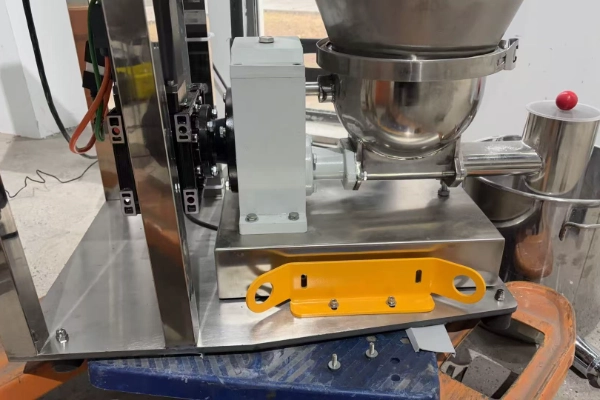
En Awesome, nos enorgullecemos de ofrecer soluciones personalizadas y de alto rendimiento a nuestros socios globales. Recientemente, nuestro equipo completó con éxito la fabricación de nuestro producto estrella, el T20. alimentador de pérdida de peso de doble tornillo Para un importante cliente del sector manufacturero con sede en Australia, este modelo específico fue diseñado a medida para manejar un aditivo químico altamente cohesivo que anteriormente había provocado graves obstrucciones y cuellos de botella en la línea de producción existente del cliente.
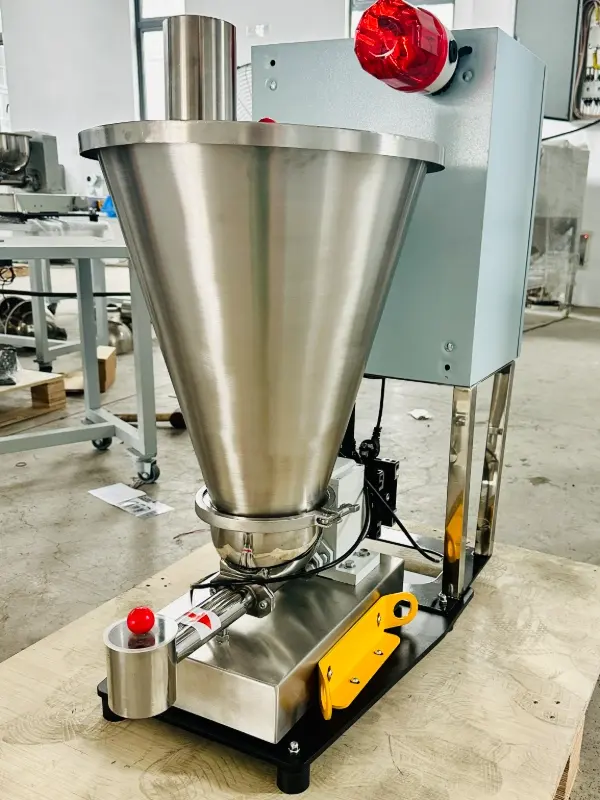
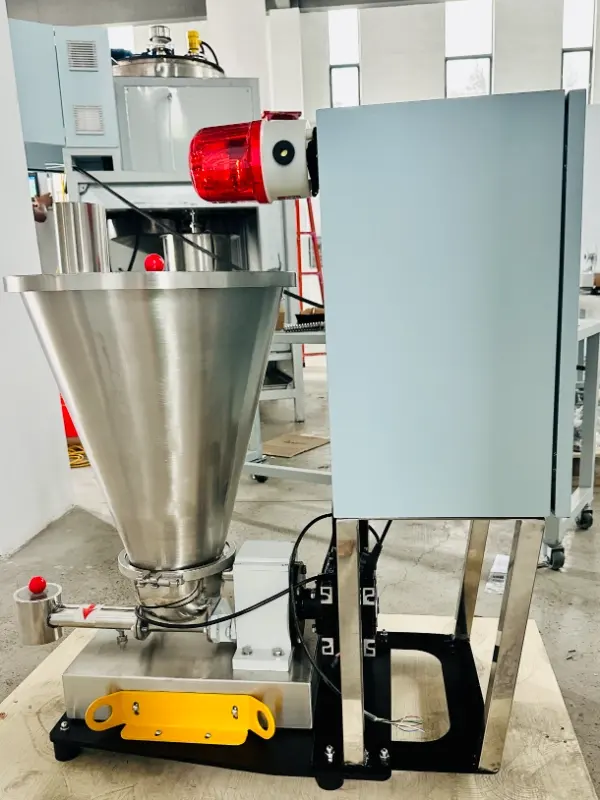
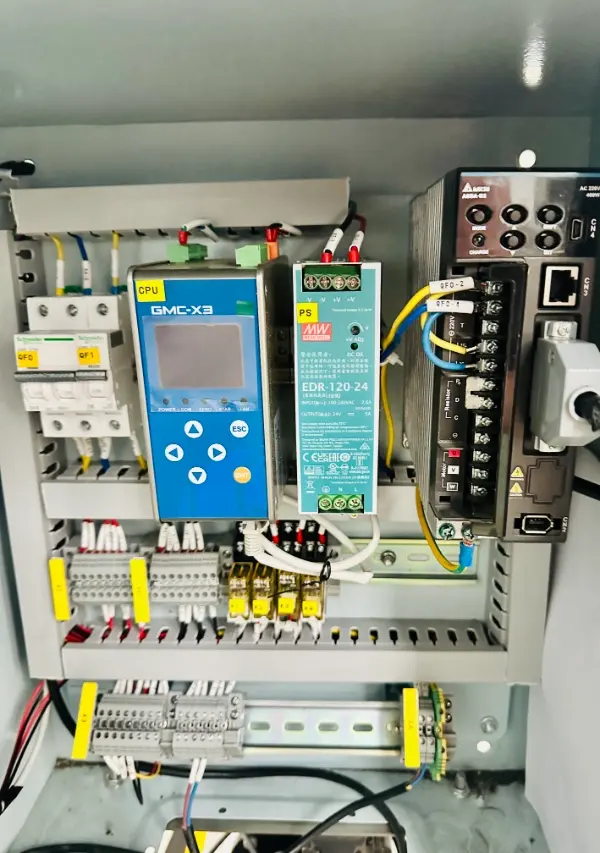
Actualmente, la unidad T20 personalizada se encuentra en nuestras instalaciones sometida a rigurosas pruebas de depuración previas al envío y a pruebas de aceptación en fábrica (FAT). Nuestros técnicos especializados están ajustando con precisión los parámetros de control dinámico y realizando ensayos con polvo simulado para garantizar el funcionamiento impecable del equipo a su llegada. Este riguroso protocolo de pruebas garantiza una instalación sencilla y sin complicaciones para nuestro cliente australiano, lo que le permite reanudar y actualizar su producción con un tiempo de inactividad mínimo.
Conclusión
Actualizar su línea de producción con un sistema moderno sistema de alimentación gravimétrica continua o un inteligente Sistema de dosificación gravimétrica automático es una inversión estratégica a largo plazo en eficiencia operativa y calidad del producto. Al superar con éxito las limitaciones físicas de los métodos de alimentación tradicionales, alimentador gravimétrico de doble tornillo Awesome se destaca como la opción óptima para el manejo de materiales a granel complejos. La compañía mantiene un firme compromiso con la innovación en la tecnología de alimentación industrial, ofreciendo soluciones robustas, confiables y de alta precisión que permiten a los fabricantes de todo el mundo alcanzar la excelencia operativa.
Preguntas frecuentes (FAQ)
1. ¿Qué es un alimentador de doble tornillo por pérdida de peso?
Se trata de una máquina de alimentación industrial de alta precisión que utiliza dos tornillos giratorios entrelazados para dosificar materiales sólidos a granel. Funciona según el principio de "pérdida de peso", lo que significa que pesa continuamente todo el sistema de alimentación (incluido el material) y ajusta dinámicamente la velocidad del motor para mantener un caudal de descarga específico y muy preciso a lo largo del tiempo, garantizando así el cumplimiento exacto de la receta.
2. ¿Qué materiales son adecuados para los alimentadores de doble tornillo?
Estos alimentadores son excepcionalmente adecuados para materiales difíciles de manipular donde los alimentadores estándar fallan. Esto incluye polvos cohesivos, sustancias pegajosas, materiales inundables y partículas finas (como dióxido de titanio o harina) que tienden a formar puentes, formar cavidades o quedar atrapadas, lo que garantiza un flujo constante independientemente de las características físicas del material.
3. ¿Cuál es la diferencia entre los alimentadores de un solo tornillo y los de doble tornillo?
La principal diferencia radica en el diseño del tornillo y sus respectivas capacidades de manipulación de materiales. Los alimentadores de un solo tornillo cuentan con un sinfín giratorio y son ideales para pellets o gránulos de flujo libre. Por el contrario, los alimentadores de doble tornillo tienen dos sinfines entrelazados que crean un efecto de autolimpieza mecánica. Este diseño los hace muy superiores para alimentar polvos densos y difíciles de manejar de forma constante, sin obstrucciones ni interrupciones en la producción.