




Einschnecken- vs. Zweischnecken-Dichtegradförderer: Die richtige Konfiguration auswählen
Release time: 2026-08-06
When configuring a material handling or compounding system, selecting the appropriate feeding technology is a critical decision that impacts accuracy, efficiency, and product quality. Loss-in-weight (LIW) feeders are the industry standard for precise gravimetric feeding. However, deciding between a single screw and a twin screw configuration requires a deep understanding of the materials being processed. This article explores the distinctions between these two primary feeder types, helping you determine the best setup for your specific application.
Understanding Loss-in-Weight Feeding
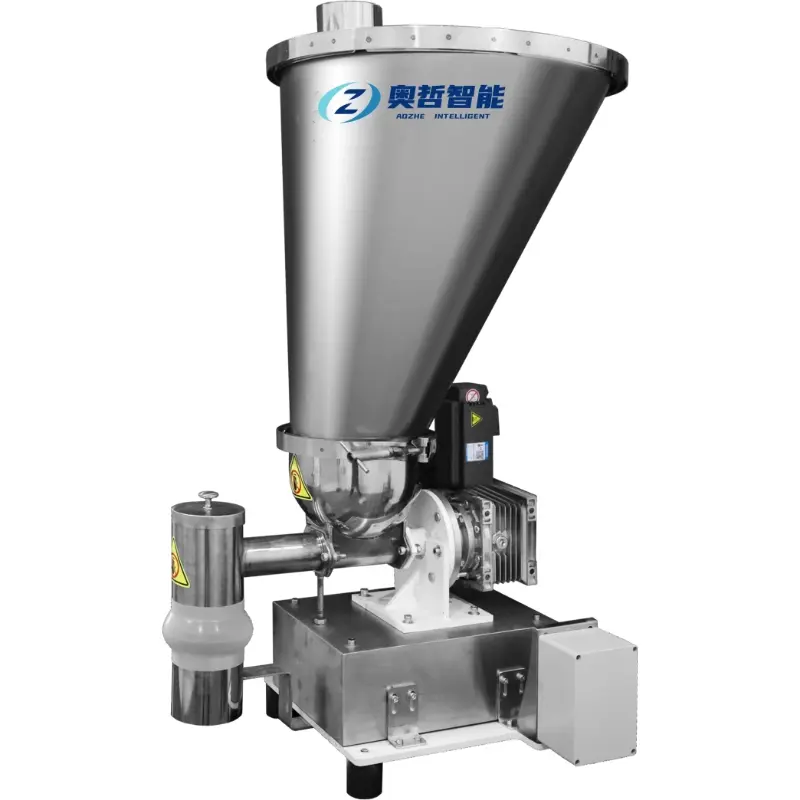
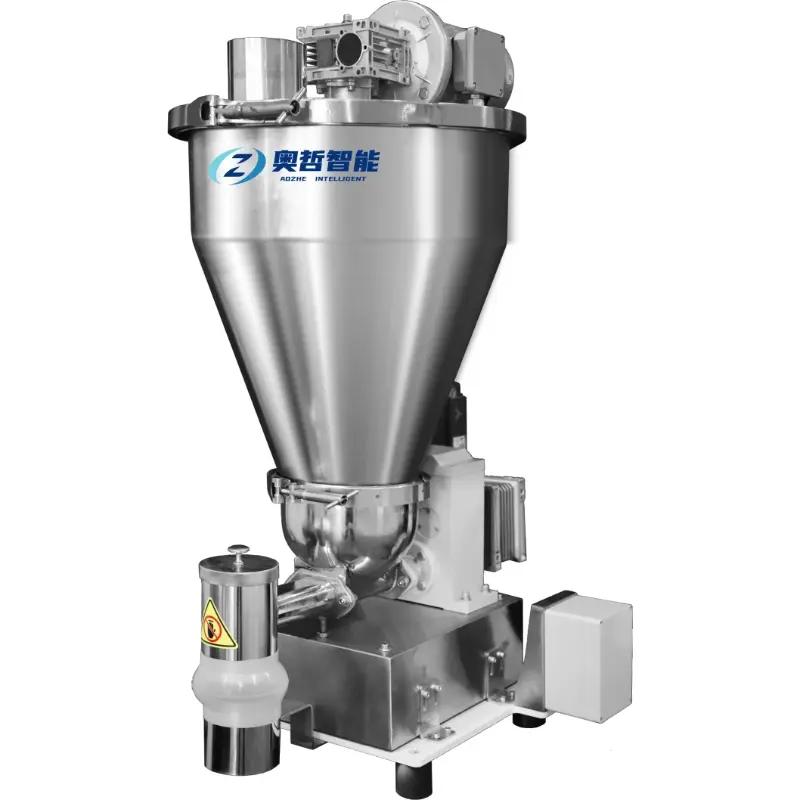
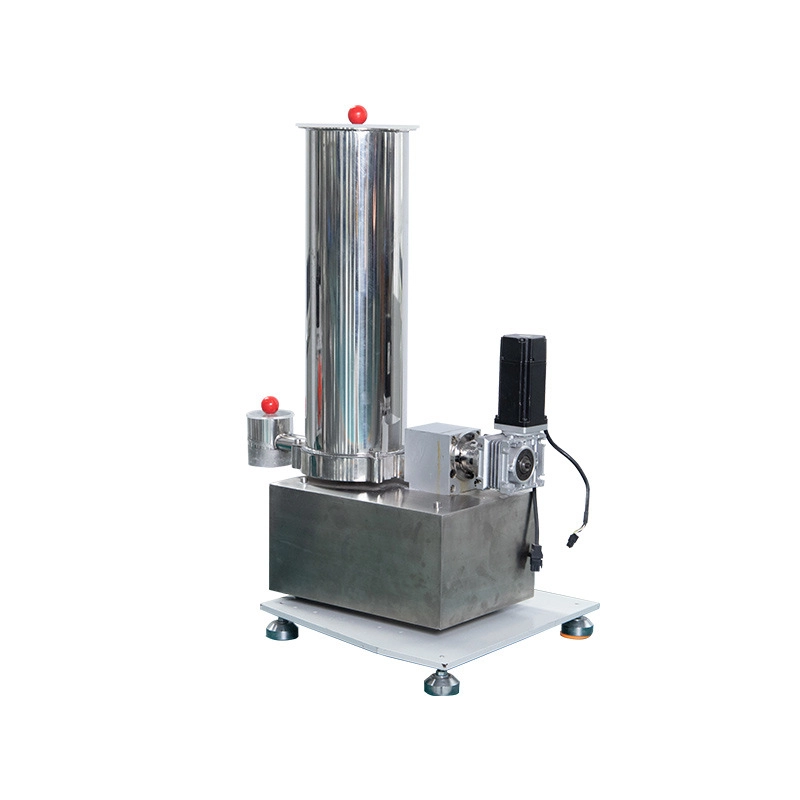
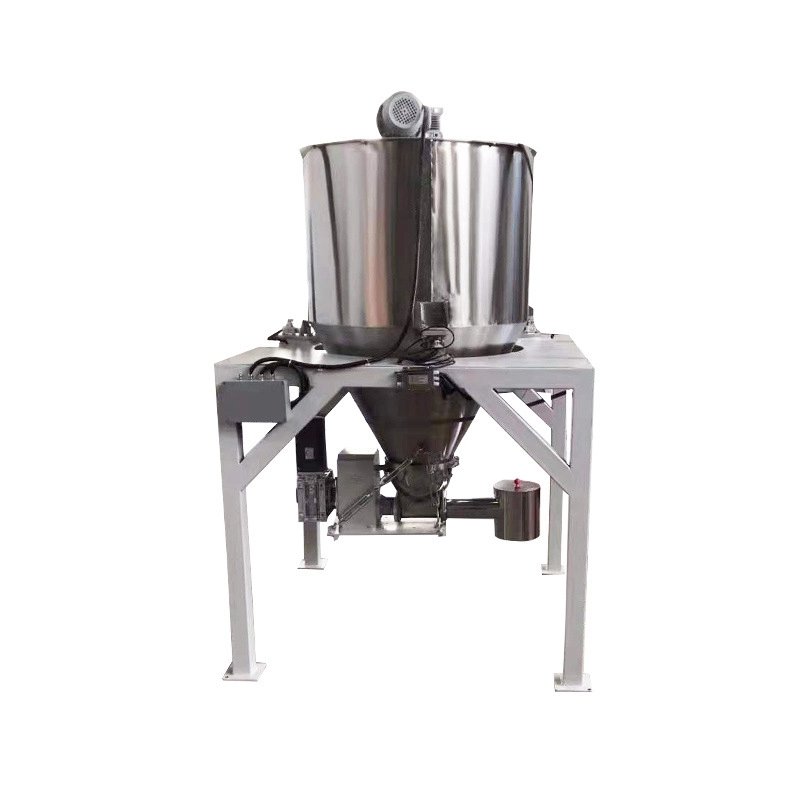
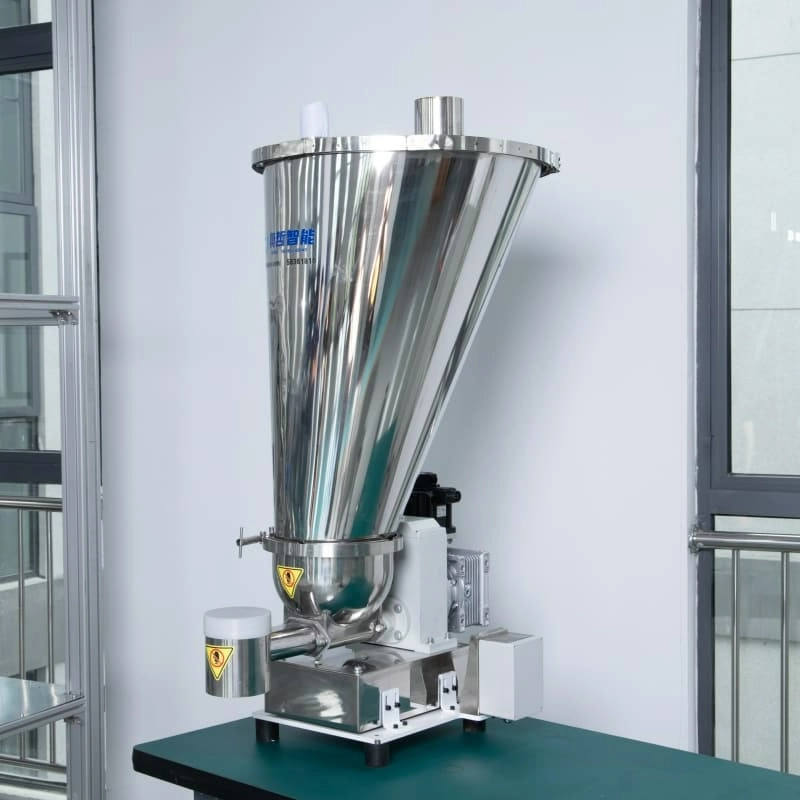
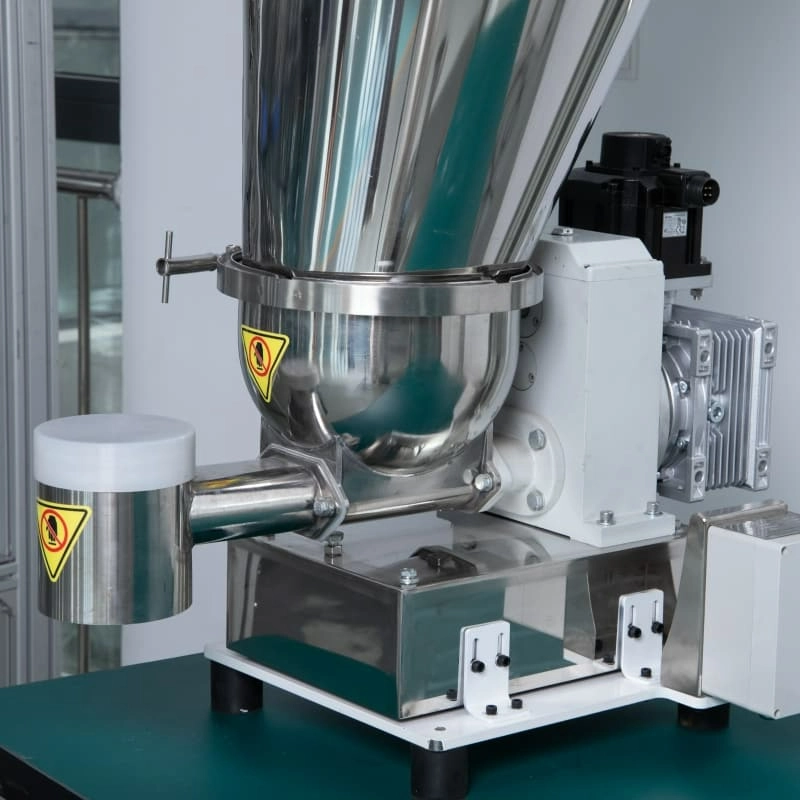
Before diving into the screw configurations, it’s essential to understand the fundamental principle of a loss-in-weight feeder. A typical LIW feeder consists of a hopper, a feeding device (the screw or screws), a drive unit, and a high-precision scale or load cell. The entire system is continuously weighed. As material is discharged, the control system calculates the rate of weight loss and adjusts the speed of the feeding device to maintain a constant, pre-set mass flow rate.
This gravimetric approach ensures exceptional accuracy, compensating for variations in material bulk density that volume-based feeding cannot account for. The key to success, however, lies in how the material is handled as it moves from the hopper into the process, which is where the choice of screw configuration becomes paramount.
Single Screw Feeders: Simplicity and Efficiency
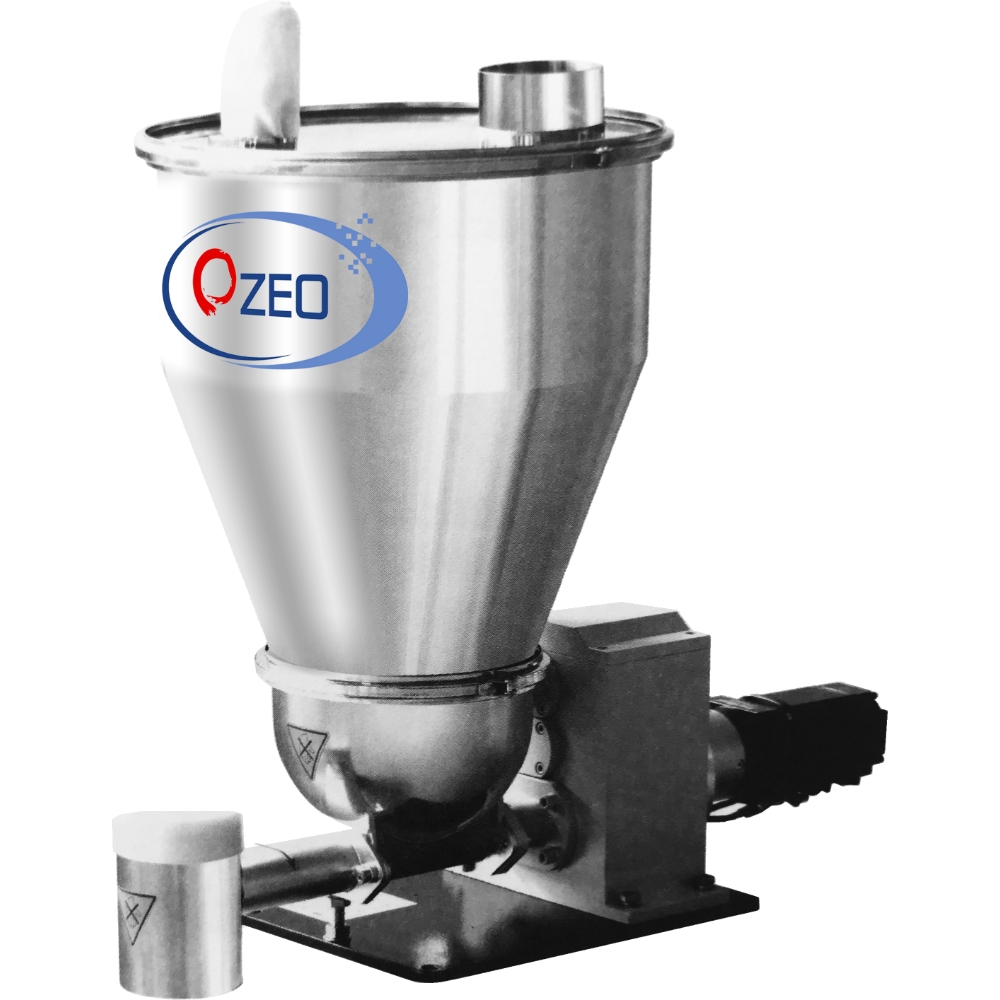
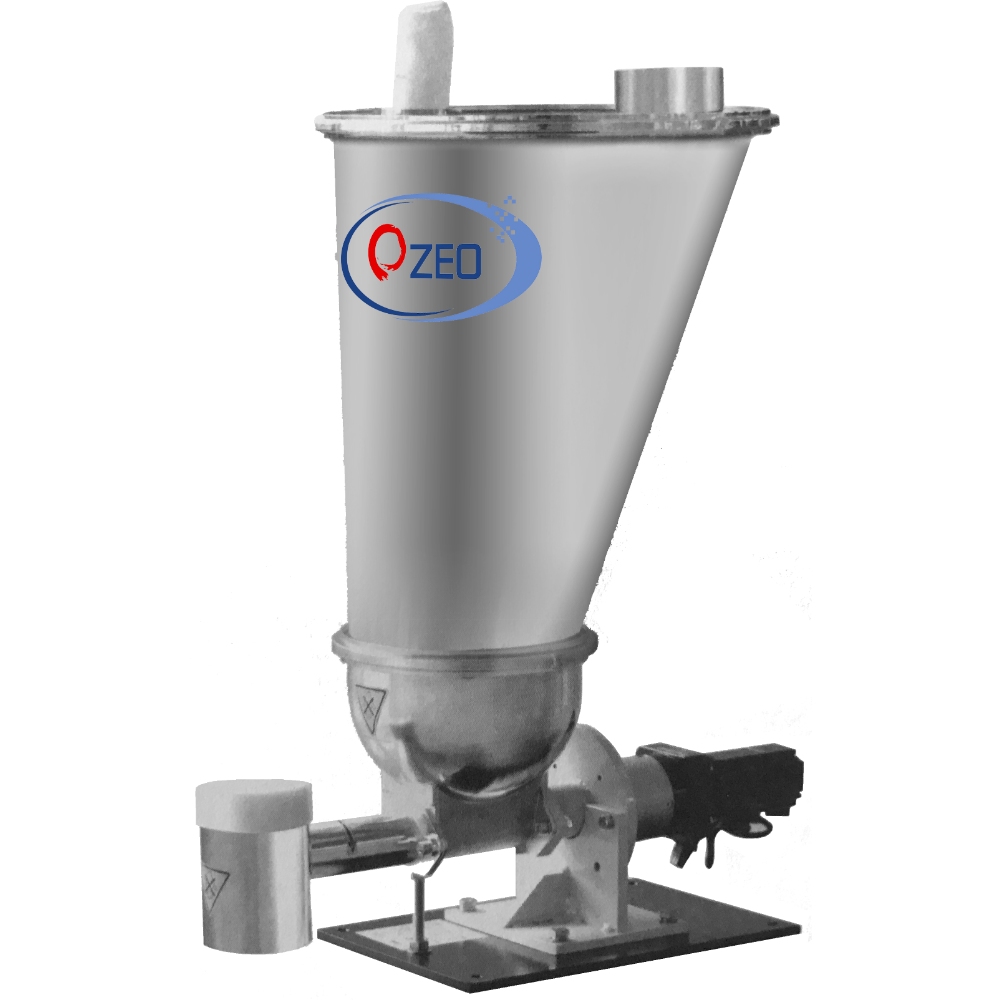
A Einzelschneckenförderer employs a single rotating auger to convey material from the hopper to the discharge point. This design is straightforward, cost-effective, and generally easier to maintain than its twin-screw counterpart.
Ideal Applications for Single Screw Configurations
Single screw systems excel in handling free-flowing materials. If the material easily falls through a funnel without bridging or rat-holing, a single screw is likely the most efficient choice.
- Free-Flowing Powders: Materials like granulated sugar, salt, or certain dry chemical powders are ideal candidates. The simple conveying action of the single screw is sufficient to maintain a consistent flow.
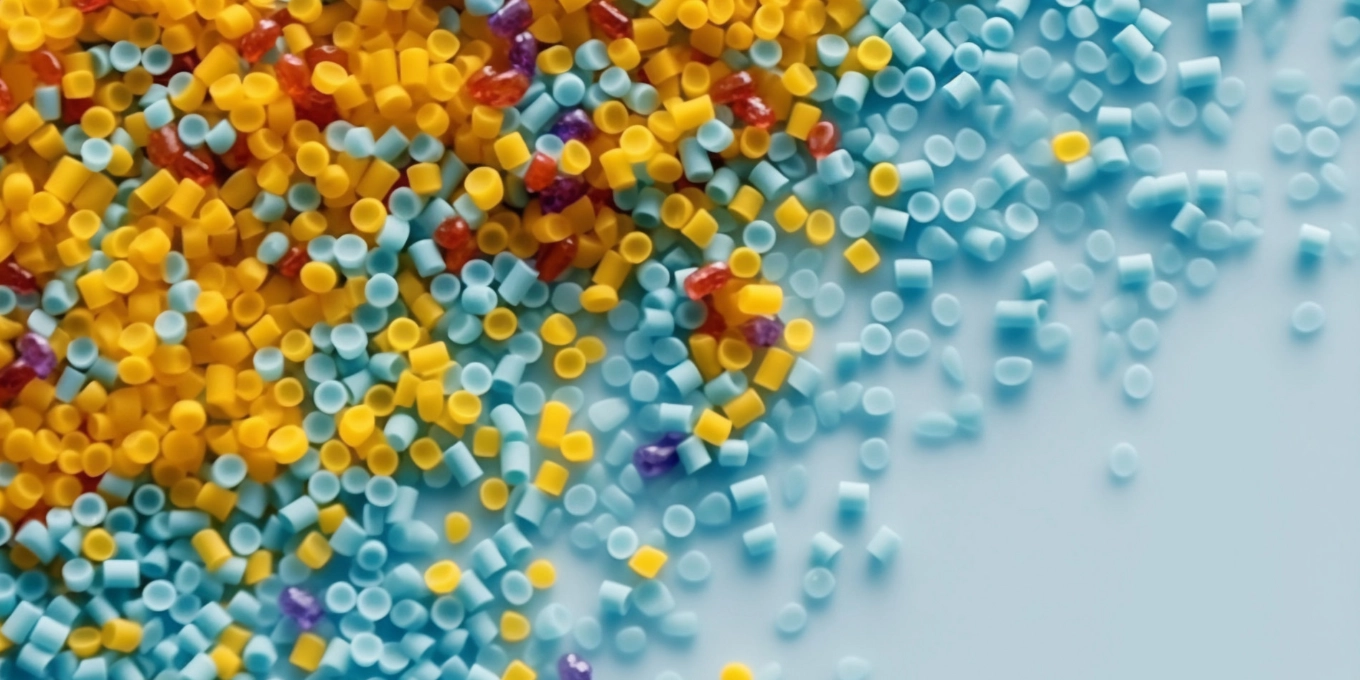
- Granules and Pellets: This is where the single screw truly shines. For applications requiring a pellet loss in weight feeder, a single screw is almost always the preferred choice. The smooth, predictable geometry of pellets allows them to move efficiently through the single flighted screw without jamming or degrading.
- Extrusion Processes: In many straightforward extrusion lines, an extrusion single screw feeder provides the necessary accuracy and reliability for feeding primary resins or masterbatches. They offer a simple, robust solution for continuous compounding of stable materials.
Advantages of Single Screw Feeders
- Cost-Effective: The mechanical simplicity translates to a lower initial capital investment compared to twin screw models.
- Low Maintenance: With fewer moving parts, wear and tear are reduced, leading to lower maintenance costs and less downtime.
- Gentle Handling: For delicate or shear-sensitive materials that are also free-flowing, the single screw imparts less mechanical energy, reducing the risk of material degradation.
- Easy Cleaning: The straightforward design allows for quicker disassembly and cleaning during product changeovers.
Twin Screw Feeders: Precision for Difficult Materials
Twin screw feeders utilize two parallel, intermeshing screws that rotate within a specially designed barrel. The screws can co-rotate (turn in the same direction) or counter-rotate. This configuration provides a positive displacement action, forcing material forward regardless of its flow characteristics.
When to Choose a Twin Screw Setup
The primary reason to specify a twin screw feeder is to handle difficult, cohesive, or non-free-flowing materials that would cause a single screw to fail.
- Cohesive Powders: Materials like titanium dioxide (TiO2), talc, or fine calcium carbonate tend to agglomerate, bridge in the hopper, or pack onto the screw flights. The intermeshing action of the twin screws is self-wiping, preventing material buildup and ensuring a consistent discharge.
- Floodable Powders: Extremely fine, aerated powders can behave like liquids, flushing uncontrollably through a single screw. A twin screw feeder, especially when equipped with a concave profile, provides better sealing and control over these fluid-like materials.
- Sticky or Fibrous Materials: Materials that tend to adhere to surfaces or intertwine (like fiberglass strands) are better managed by the positive conveying action of twin screws. The handling of difficult-to-feed pigments and additives often mandates this configuration.
Advantages of Twin Screw Feeders
- Versatility: They can handle a much wider range of materials, from highly cohesive powders to complex mixtures, making them suitable for high-accuracy feeding of complex formulations.
- Selbstreinigungsfunktion: The intermeshing screws constantly clean each other, preventing material accumulation and ensuring consistent feeding even with sticky substances.
- Positive Displacement: This design guarantees that material is pushed forward, minimizing the risk of pulsation or erratic flow associated with bridging or rat-holing in the hopper.
- Excellent Sealing: Counter-rotating twin screws, in particular, offer a strong seal against back pressure, which is crucial in certain compounding processes.
A Comparative Overview
To simplify the decision-making process, consider the following comparison:
| Besonderheit | Einzelschneckenförderer | Twin Screw Feeder |
| Ideales Material | Free-flowing, granular, pellets | Cohesive, floodable, sticky, fibrous powders |
| Handlung vermitteln | Strömungswiderstand | Positive displacement / Self-wiping |
| Komplexität | Niedrig | Hoch |
| Initial Cost | Untere | Höher |
| Maintenance | Generally lower | Can be higher due to more moving parts |
| Typical Use Case | Resin pellets, free-flowing additives | TiO2, talc, fine powders, difficult pigments |
The Awesome Approach to Material Handling
Choosing between a single and twin screw feeder is rarely a simple binary decision; it requires a nuanced understanding of bulk material behavior. At Eindrucksvoll, we understand that the success of your production line hinges on reliable, accurate feeding. Whether your process demands the simplicity of a single screw for a pellet loss in weight feeder or the robust handling of a twin screw system for cohesive powders, partnering with an experienced equipment provider is essential to ensure you select the right setup for your specific material challenges. We focus on providing tailored solutions that optimize your process efficiency and product quality.
Abschluss
The debate between single screw and twin screw loss-in-weight feeders isn’t about which technology is inherently “better,” but rather which is best suited for the material at hand. An extrusion single screw feeder offers an elegant, cost-effective solution for free-flowing materials and pellets. Conversely, when dealing with stubborn, cohesive, or floodable powders, the self-wiping, positive displacement action of a twin screw feeder becomes indispensable. By carefully evaluating your material’s characteristics—its flowability, bulk density, and tendency to agglomerate—you can make an informed decision that ensures precise, reliable feeding and maximizes the efficiency of your production process.
Häufig gestellte Fragen (FAQ)
1. Can I use a single screw feeder for powders?
Yes, but only if the powder is truly free-flowing (like granulated sugar). If the powder is cohesive, tends to pack, or is highly aerated, a twin screw feeder is necessary to prevent bridging and ensure consistent feeding.
2. How do I know if my material needs a twin screw feeder?
The best way is to perform material flow testing. If the material forms a “rat hole” or bridges over the discharge point of a simple hopper, or if it tends to stick to surfaces, it likely requires the positive displacement and self-wiping action of a twin screw configuration.
3. Is a twin screw feeder always more accurate than a single screw feeder?
Not necessarily. Accuracy in a loss-in-weight system is determined by the control system and the scale, assuming the feeder can consistently deliver the material. For free-flowing pellets, a well-designed single screw feeder can achieve the same exceptional accuracy as a twin screw feeder, often at a lower cost and with less maintenance.