


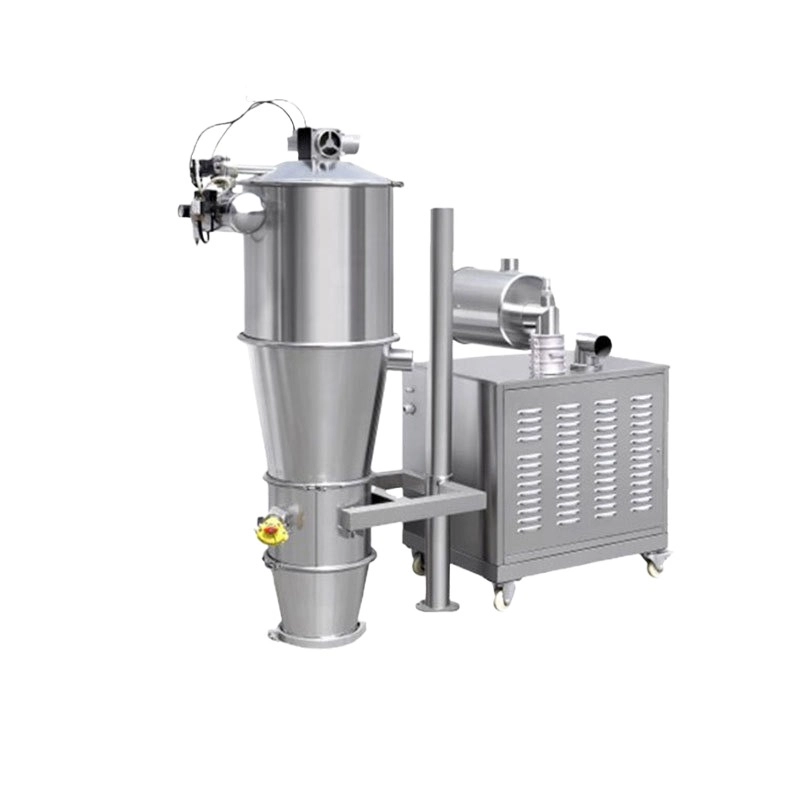
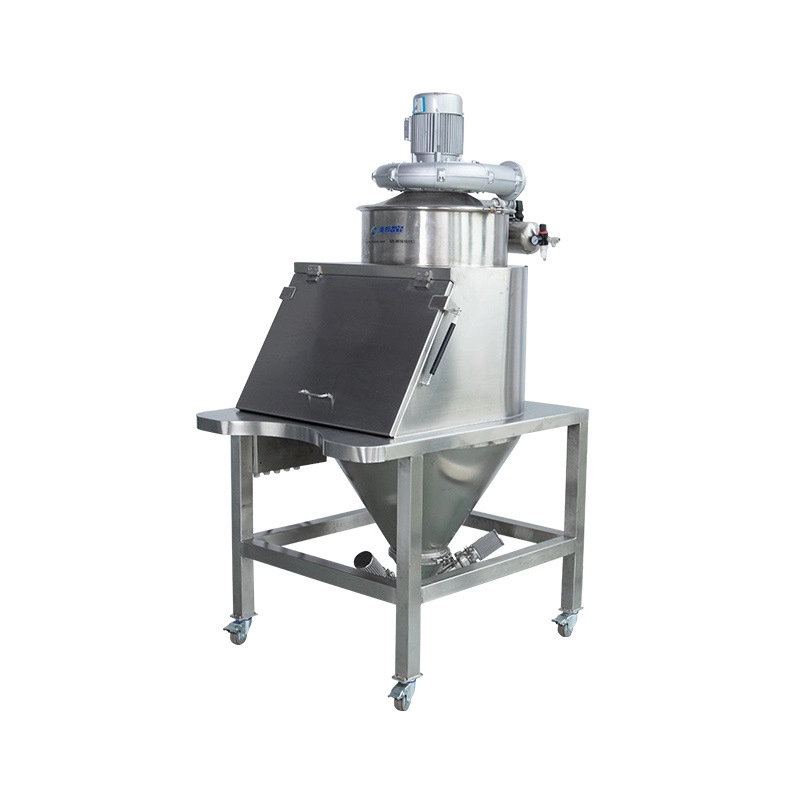
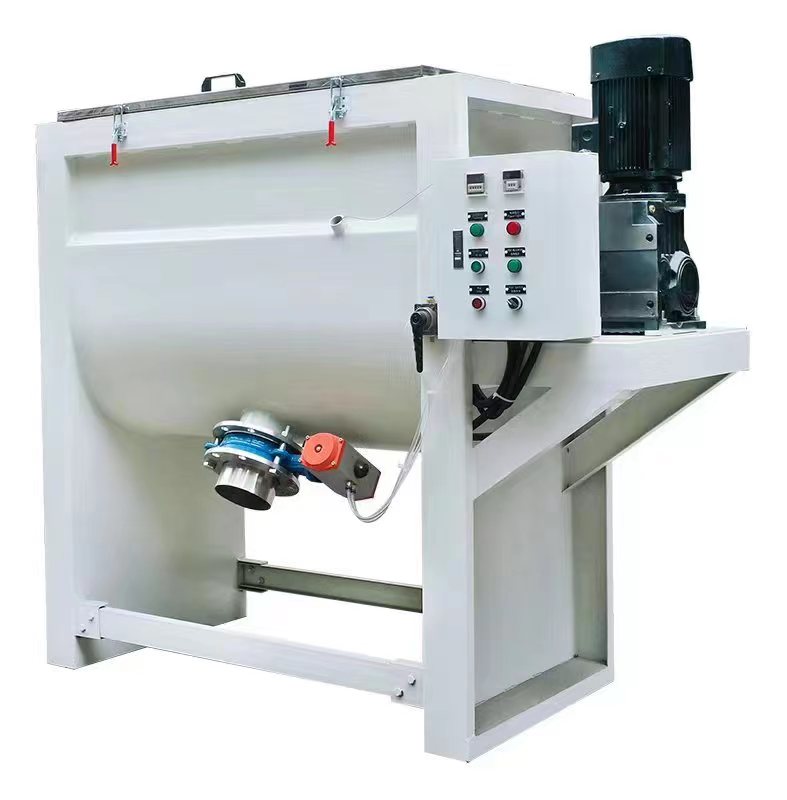
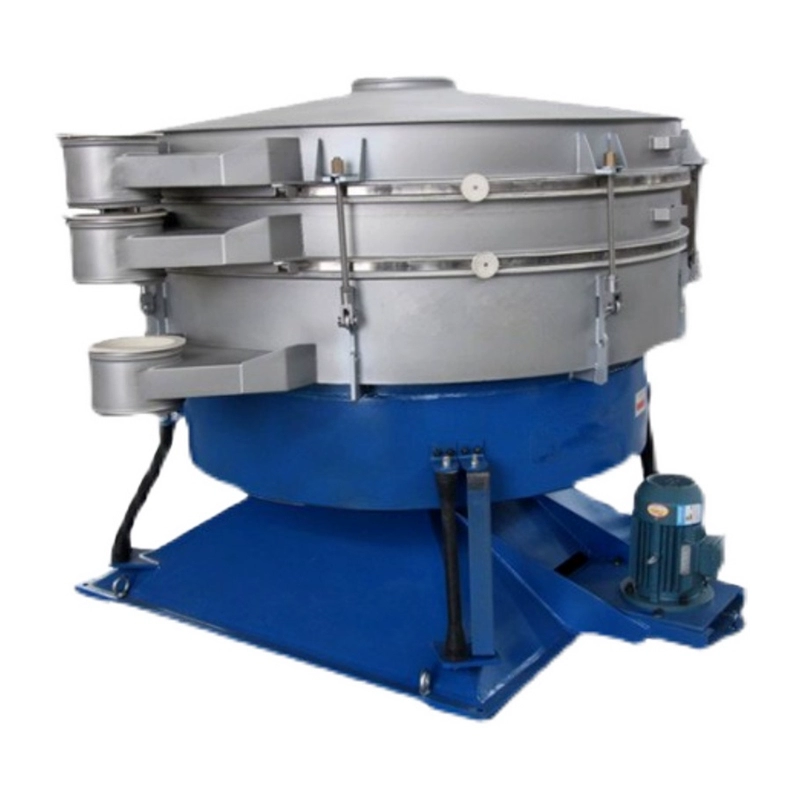
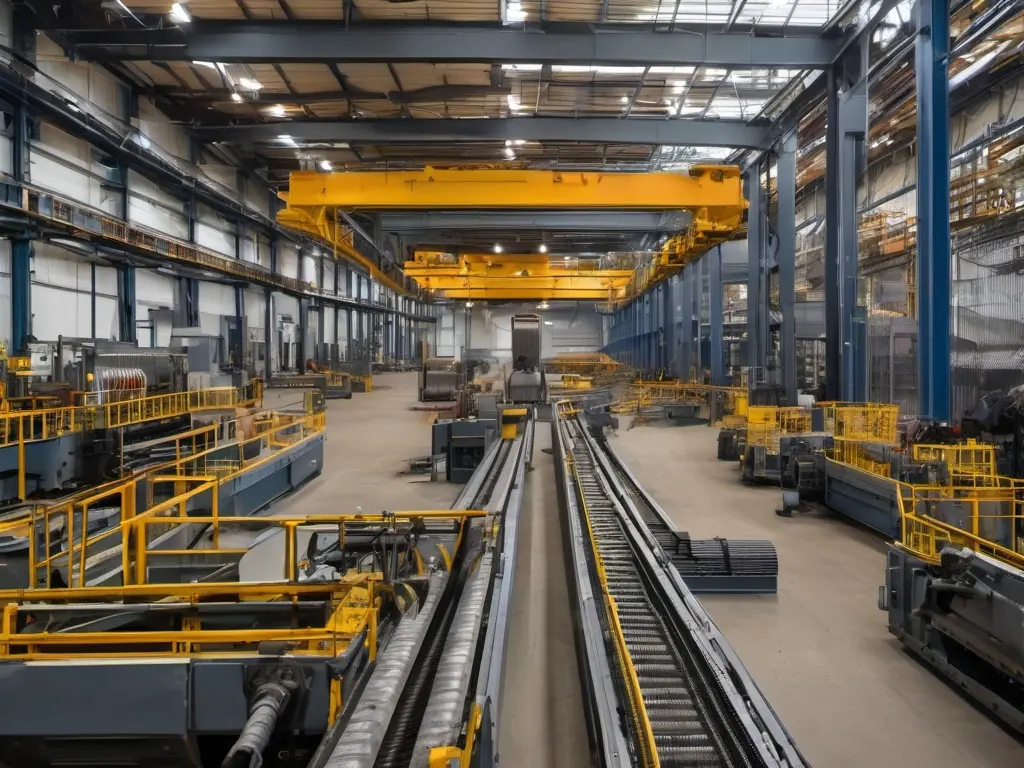
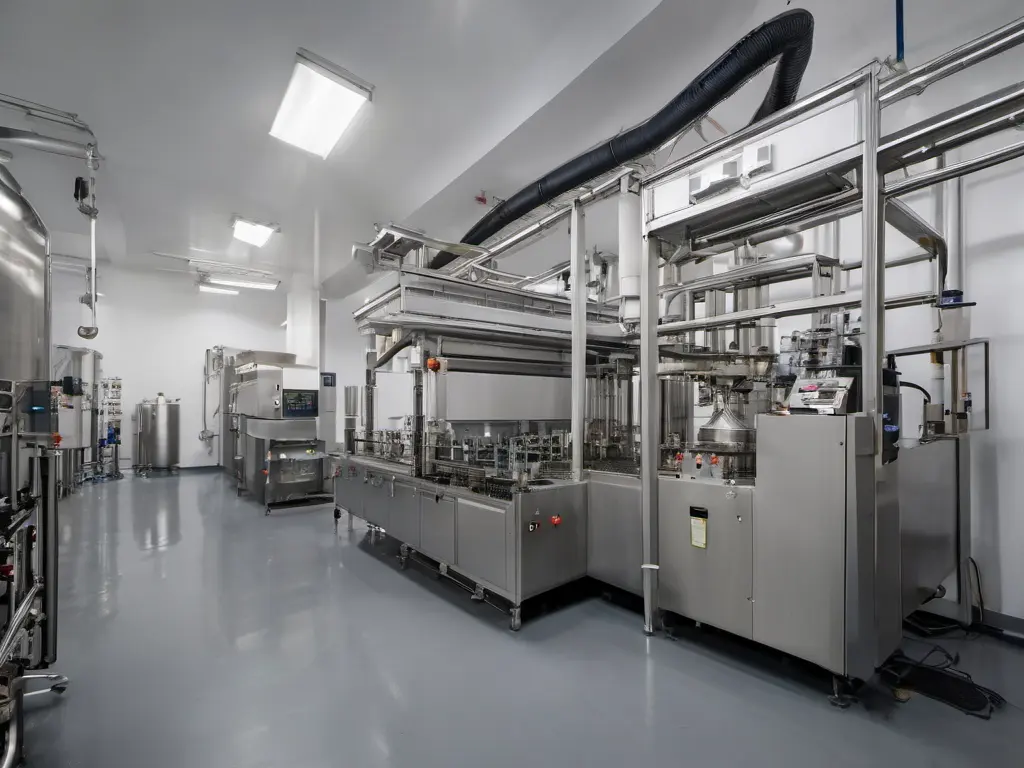
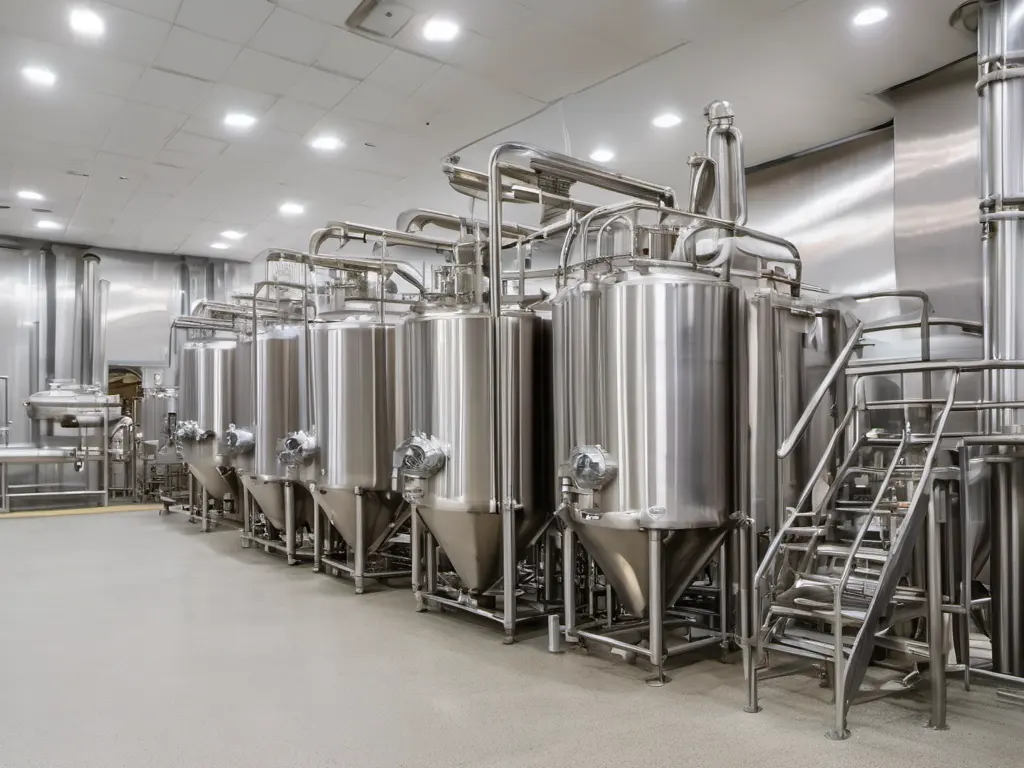
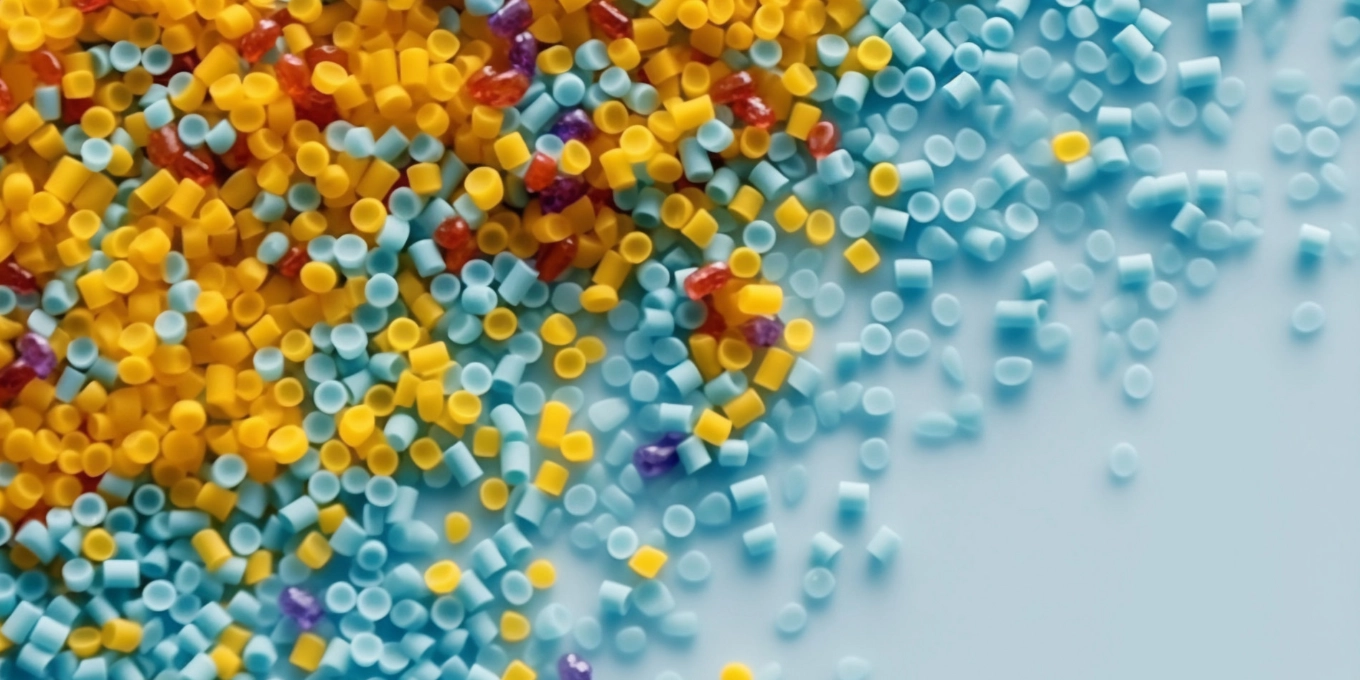

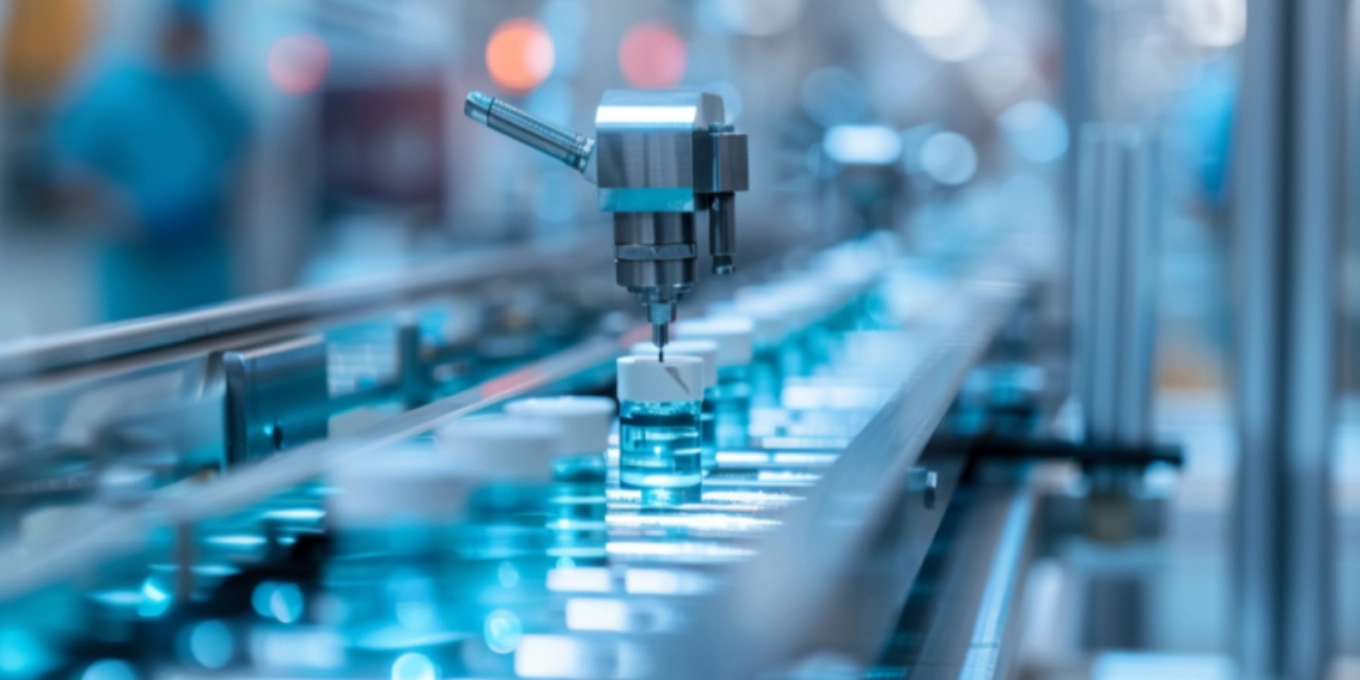
Solutions de manutention et d'alimentation des matériaux pour l'industrie du plastique
Solutions pour l'industrie du plastique
Dans le compoundage des plastiques, la production de mélanges-maîtres et l'extrusion, un dosage précis et constant des matières premières est essentiel à la qualité du produit. Qu'il s'agisse de produire des mélanges-maîtres colorés, des composés chargés, des plastiques techniques renforcés ou des matériaux PCR recyclés, chaque ingrédient doit être dosé avec précision.
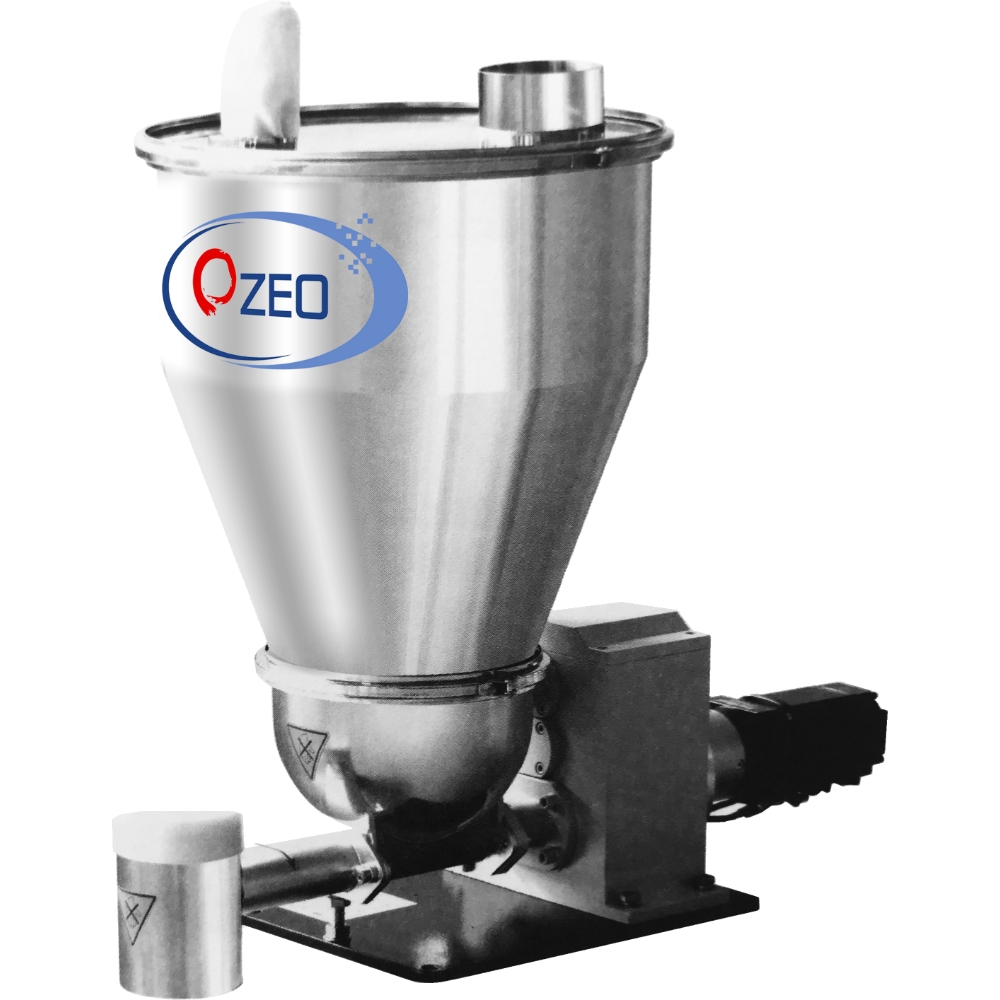
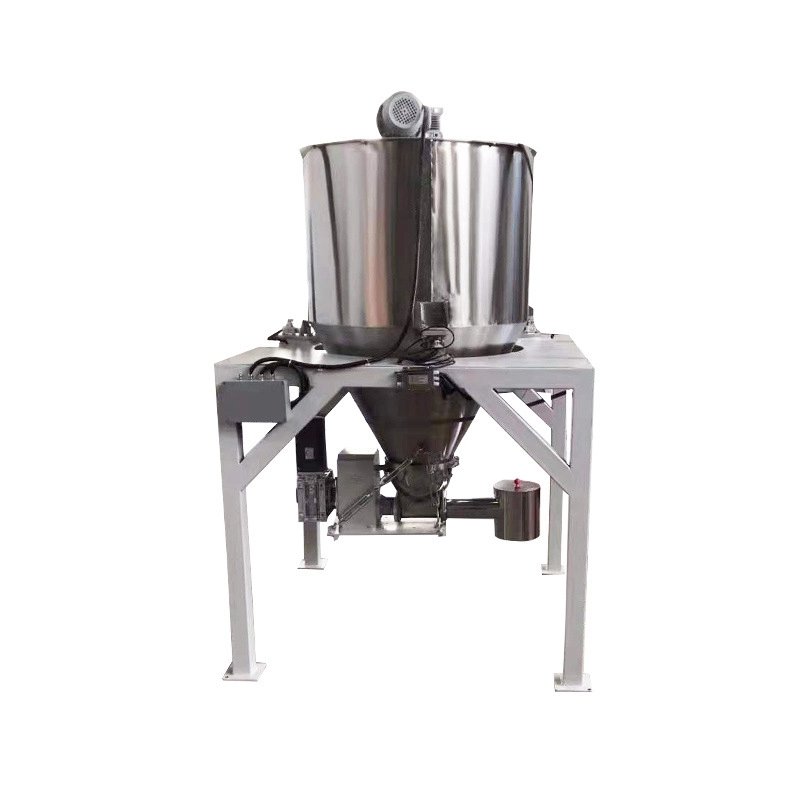
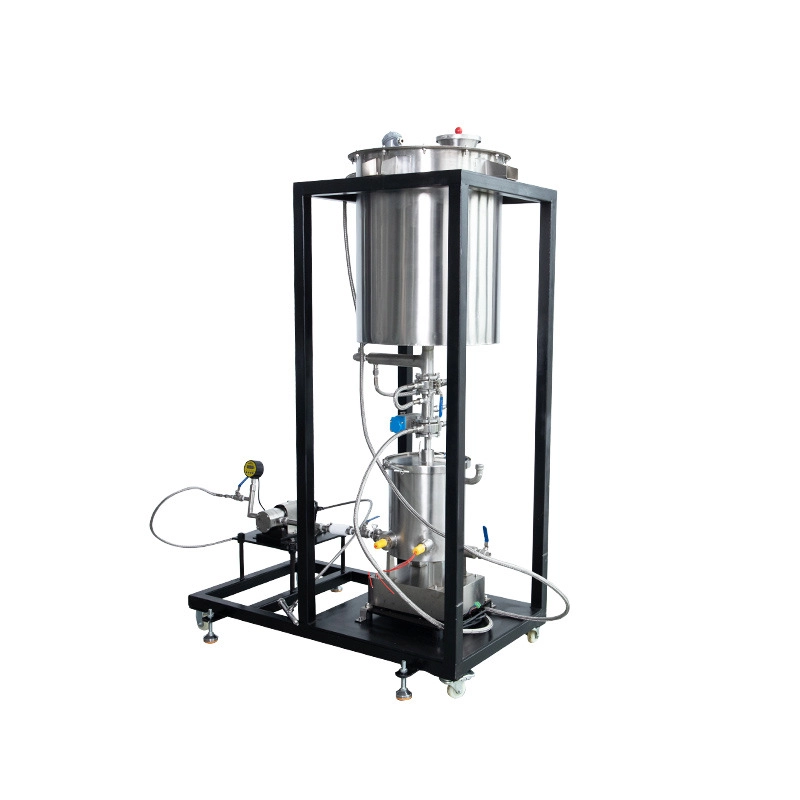
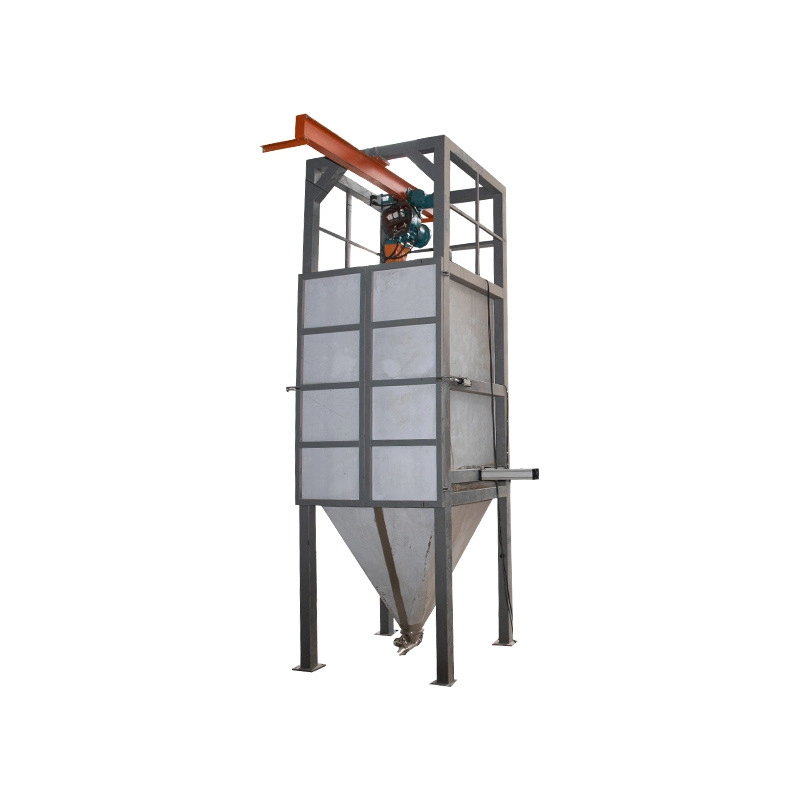
Génial intelligent offre une gamme complète de doseurs pondéraux, systèmes de convoyage sous vide, des stations d'alimentation sans poussière et des solutions de dosage automatisées conçues pour l'industrie du plastique.
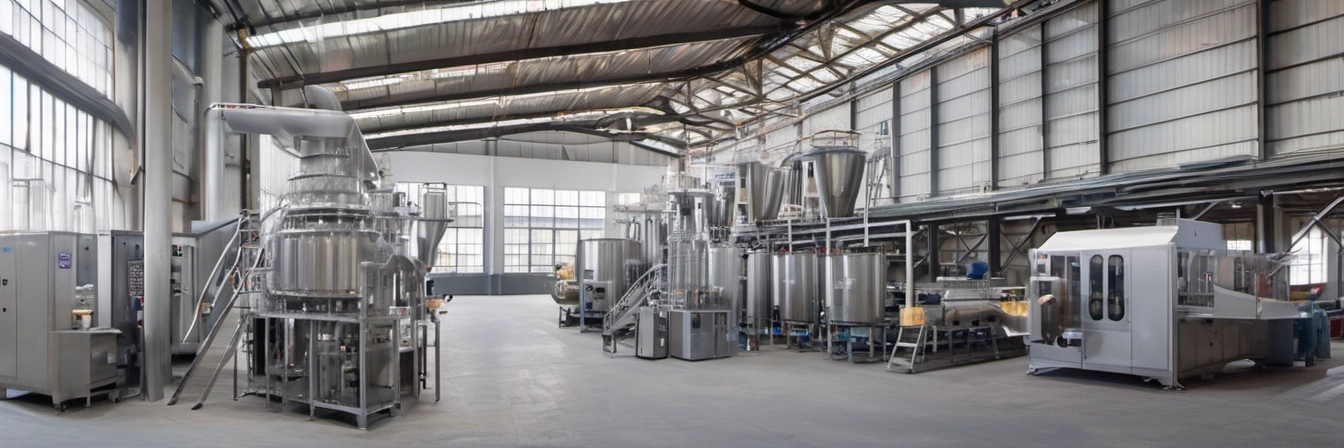
APPLICATION
- Composés et transformation du PVC
- Modification des plastiques techniques
- Production d'extrusion et de profilés plastiques
Foire aux questions
-
Comment vos alimentateurs gèrent-ils la fibre de verre ? N'use-t-elle pas les vis très rapidement ?
La fibre de verre étant très abrasive, nous proposons plusieurs options de protection contre l'usure : (1) vis et cylindres revêtus de carbure de tungstène, offrant une durée de vie 5 à 10 fois supérieure à celle de l'acier trempé standard ; (2) cylindres à revêtement céramique pour les applications les plus exigeantes ; (3) vis segmentées permettant de remplacer uniquement les parties usées. Grâce à une sélection appropriée des matériaux, nos doseurs fonctionnent généralement en continu pendant 2 à 5 ans avec des composés chargés de fibres de verre 30% avant que le remplacement des vis ne soit nécessaire.
-
Quel est le débit d'alimentation minimal que l'on peut atteindre pour les pigments coûteux dans la production de mélanges-maîtres ?
Notre doseur à micro-débit et à perte de poids permet un dosage fiable des pigments à des débits aussi faibles que 0,1 kg/h avec une précision de ±0,51 TP3T. Pour les applications à très faible débit, nous utilisons une combinaison de capteurs de pesage numériques haute résolution (résolution de 1 000 000:1), de plateformes de pesage à isolation vibratoire, de géométries de micro-vis spécifiques optimisées pour les pigments de faible densité et d'algorithmes de contrôle adaptatifs qui compensent la très faible variation de poids. Ce niveau de précision réduit directement le surdosage de pigments, permettant généralement une économie de 3 à 81 TP3T sur les coûts de colorant.
-
Votre système de dosage peut-il gérer des recettes avec des proportions de matières premières très différentes, comme 95% PP + additifs 5% répartis sur 10 ingrédients ?
Oui. Notre système de dosage multi-doseurs est spécialement conçu pour les formulations aux proportions très variables. Chaque doseur est dimensionné indépendamment en fonction du matériau cible et du débit : doseurs monovis à grand débit pour le polymère principal (95%), doseurs à micro-débit pour les pigments (0,5-2%) et doseurs bivis pour les charges (5-30%). Tous les doseurs sont synchronisés par notre système de contrôle centralisé, qui utilise une régulation maître-esclave pour maintenir des proportions exactes même lors du démarrage, de l’arrêt et des variations de débit. Le système prend en charge jusqu’à 20 doseurs par groupe de dosage.
-
Qu’en est-il de l’intégration avec notre extrudeuse à double vis existante ? Votre système de contrôle communique-t-il avec les commandes de l’extrudeuse ?
Oui, l'intégration complète est standard. Notre système de contrôle basé sur un automate Siemens communique avec les commandes de l'extrudeuse via Profibus, Profinet, Modbus TCP ou EtherNet/IP. Ceci permet : (1) le suivi de la vitesse de l'extrudeuse : les débits d'alimentation s'ajustent automatiquement et proportionnellement aux variations de la vitesse de la vis d'extrusion ; (2) le contrôle en cascade : l'extrudeuse fournit le signal de vitesse principal et tous les alimentateurs suivent en conséquence ; (3) la coordination de l'arrêt d'urgence : tous les alimentateurs s'arrêtent simultanément en cas de déclenchement de l'extrudeuse ; (4) une interface homme-machine centralisée affichant les paramètres d'alimentation et d'extrusion pour une commande opérateur sur un seul écran.
MACHINES DISPONIBLES
-
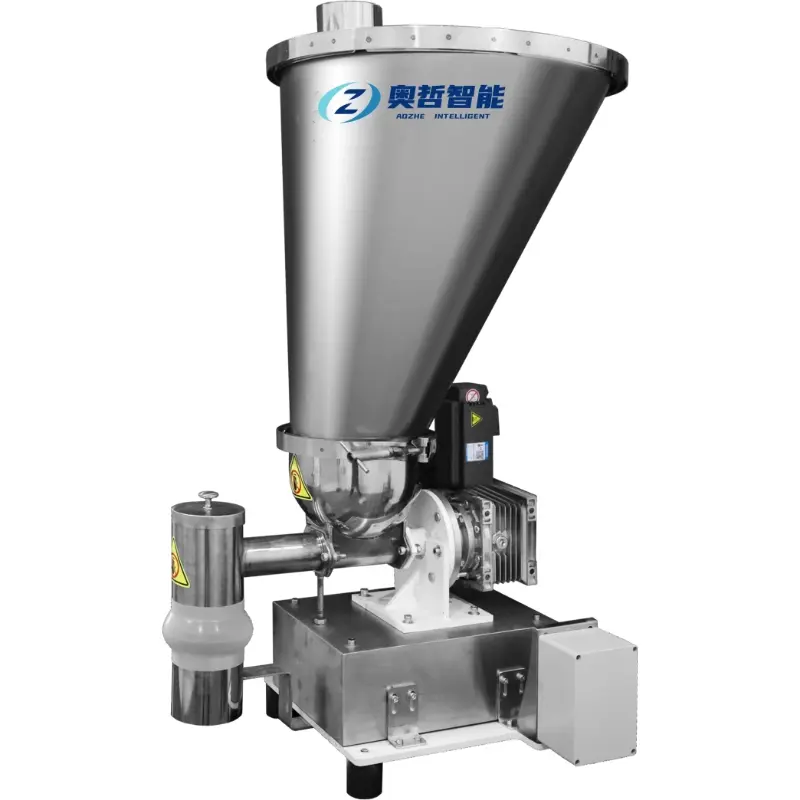
Alimentateur pour perte de poids
Doseur monovis haute performance à perte de poids pour granulés destinés à l'extrusion
Vidéo de présentation : Application : Granulés, matériaux fluides. Ce distributeur peut être utilisé avec des granulés ou des matériaux fluides tels que des granulés de plastique, des pierres concassées, du charbon actif en paillettes, etc. Paramètres : Doseur à perte de poids – Modèle à vis unique : Débit (kg/h) : Moteur : Plage de capteurs : Capacité de la trémie : S26 : 1-5 : 50 kg : 10 L : 0,4 kW : servo : S46 : 5-120 : 0,4 kW….
voir plus
-
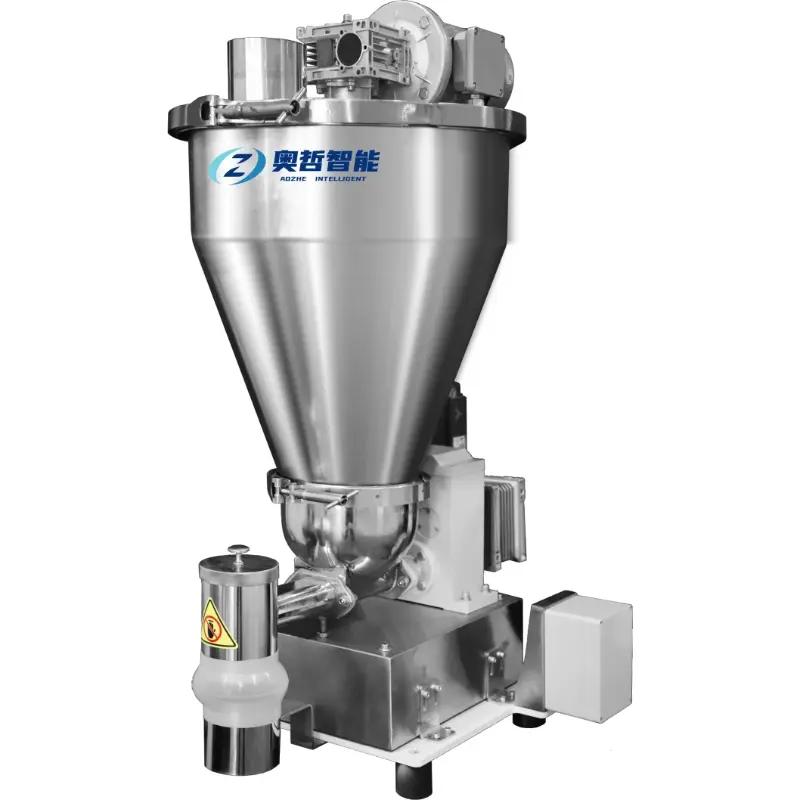
Alimentateur pour perte de poids
Doseur d'additifs à double vis à perte de poids de haute précision pour extrusion
Vidéo de présentation : Application : Poudres, granulés. Ce système peut être utilisé pour les matériaux granulaires ou en poudre à faible fluidité, tels que les toners ou les additifs. Paramètres : Doseur à perte de poids – Modèle à double vis. Plage de débit (kg/h) : Moteur : Plage de capteurs : Capacité de la trémie : T28 : 2-120 kg, 0,75 kW, servomoteur : 150 kg, 40/80 L. T38 : 50-600 kg, 1 kW, servomoteur : 200 kg, 80/120 L. T46 : 300-1500 kg, 1,5 kW….
voir plus
-
Produits
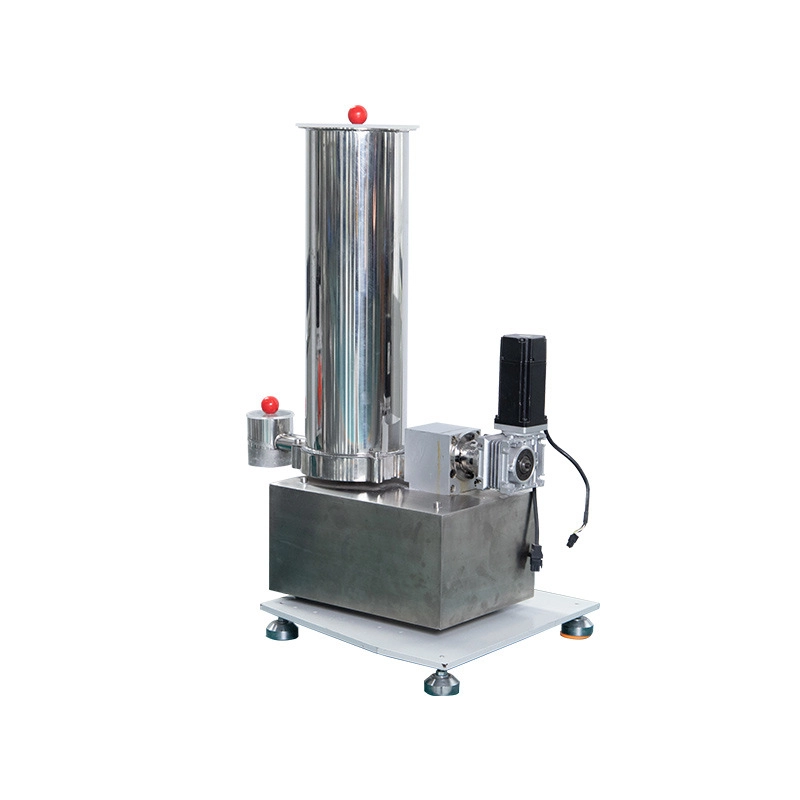
Doseur de matériaux précis à micro-débit et à perte de poids pour laboratoire
Application : Ce doseur peut être utilisé avec des matériaux granulaires ou en poudre à écoulement libre. Paramètres : Doseur à micro-débit avec perte de poids ; Modèle : WT17 ; Plage de débit (kg/h) : 0,15-3 ; Moteur : 0,4 kW ; Portée du capteur : 30 kg ; Capacité de la trémie : 10 L ; Modèle : WT20 ; Plage de débit (kg/h) : 0,3-5 ; Moteur : 0,4 kW ; Portée du capteur : 30 kg ; Capacité de la trémie : 10 L. Vidéo
voir plus
Nouvelles
-
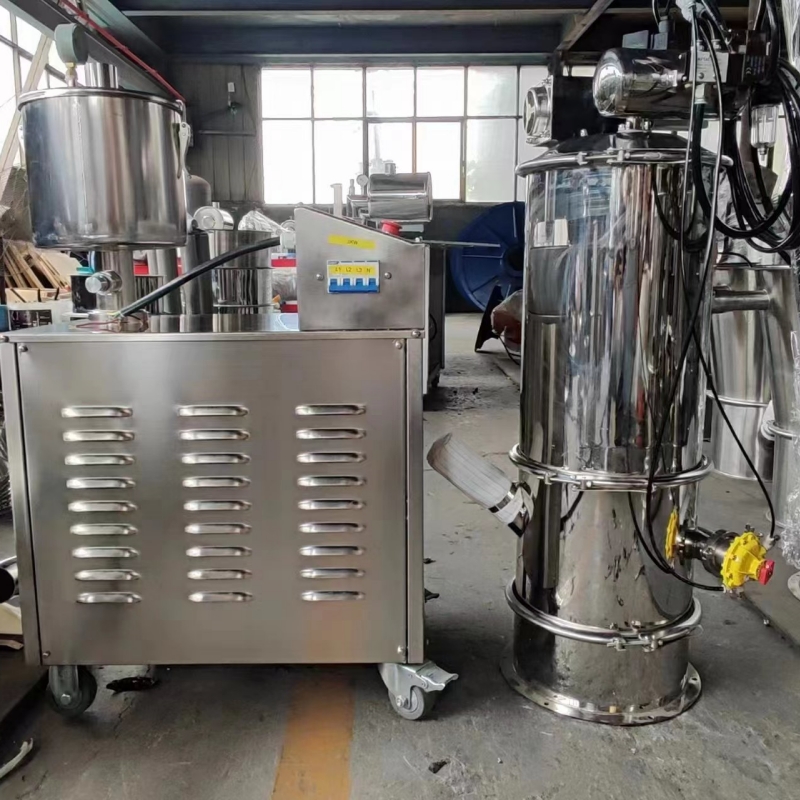
Qu'est-ce qu'un système de transport par le vide et comment fonctionne-t-il ?
2026.05.13
-
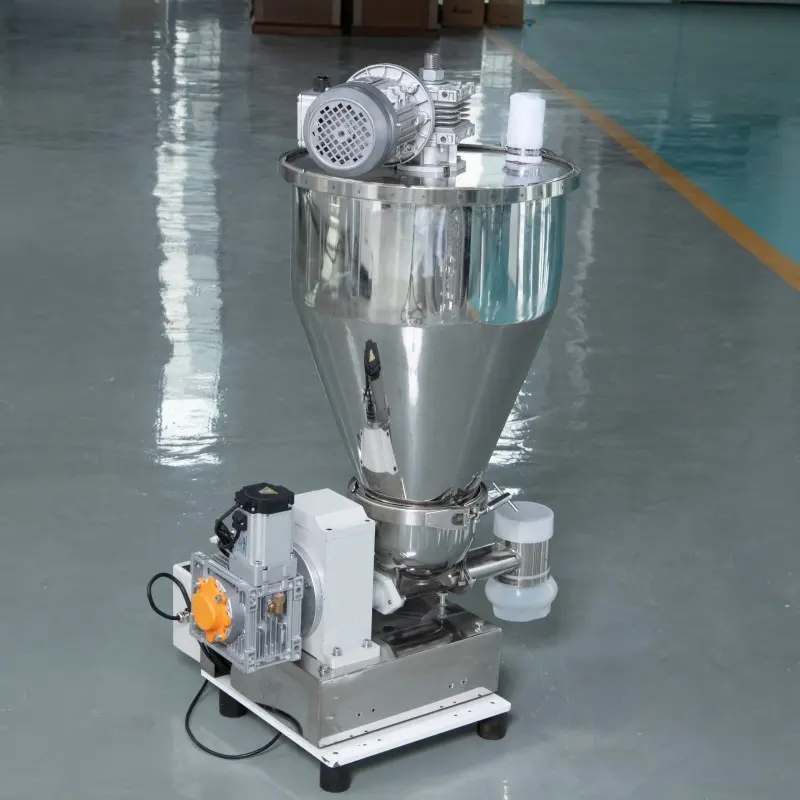
Solutions d'alimentation fiables pour les industries chimiques et médicales
2026.05.05
-
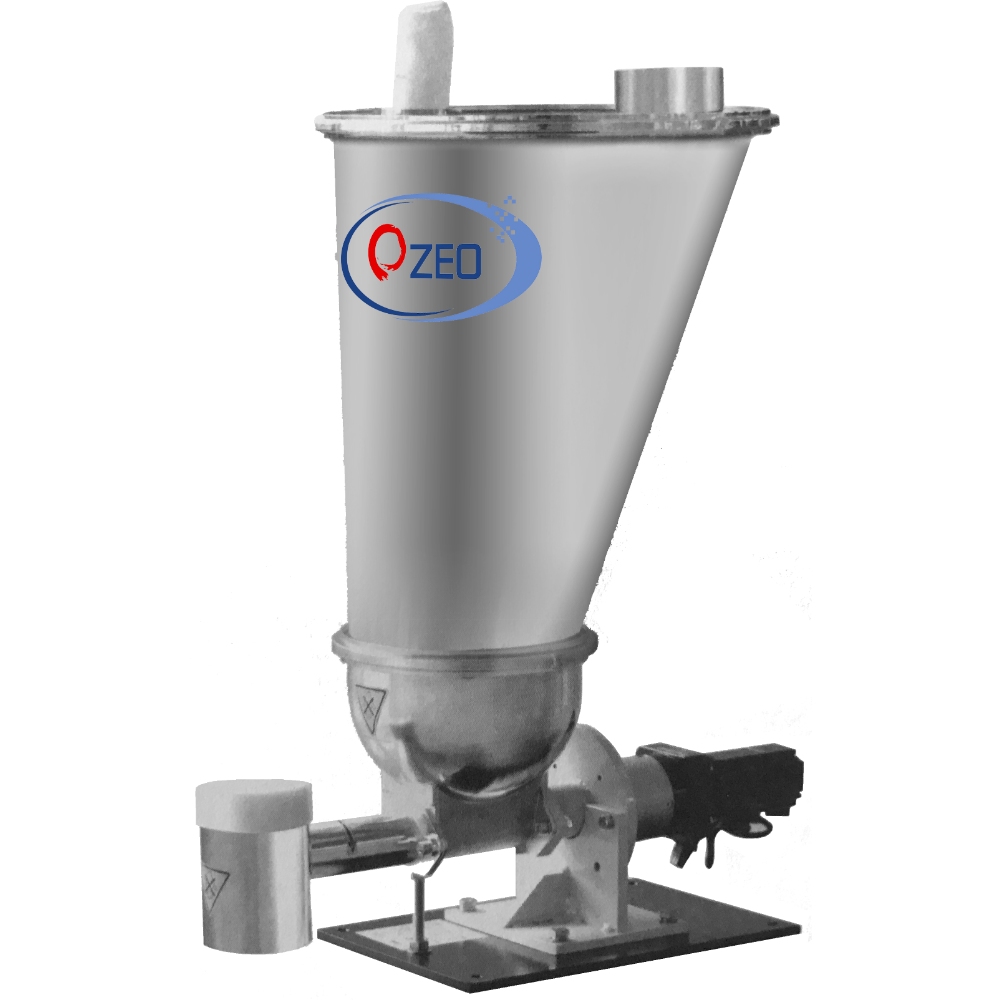
Choisir le bon équipement d'alimentation en vrac pour les matériaux à faible fluidité
2026.04.27
-
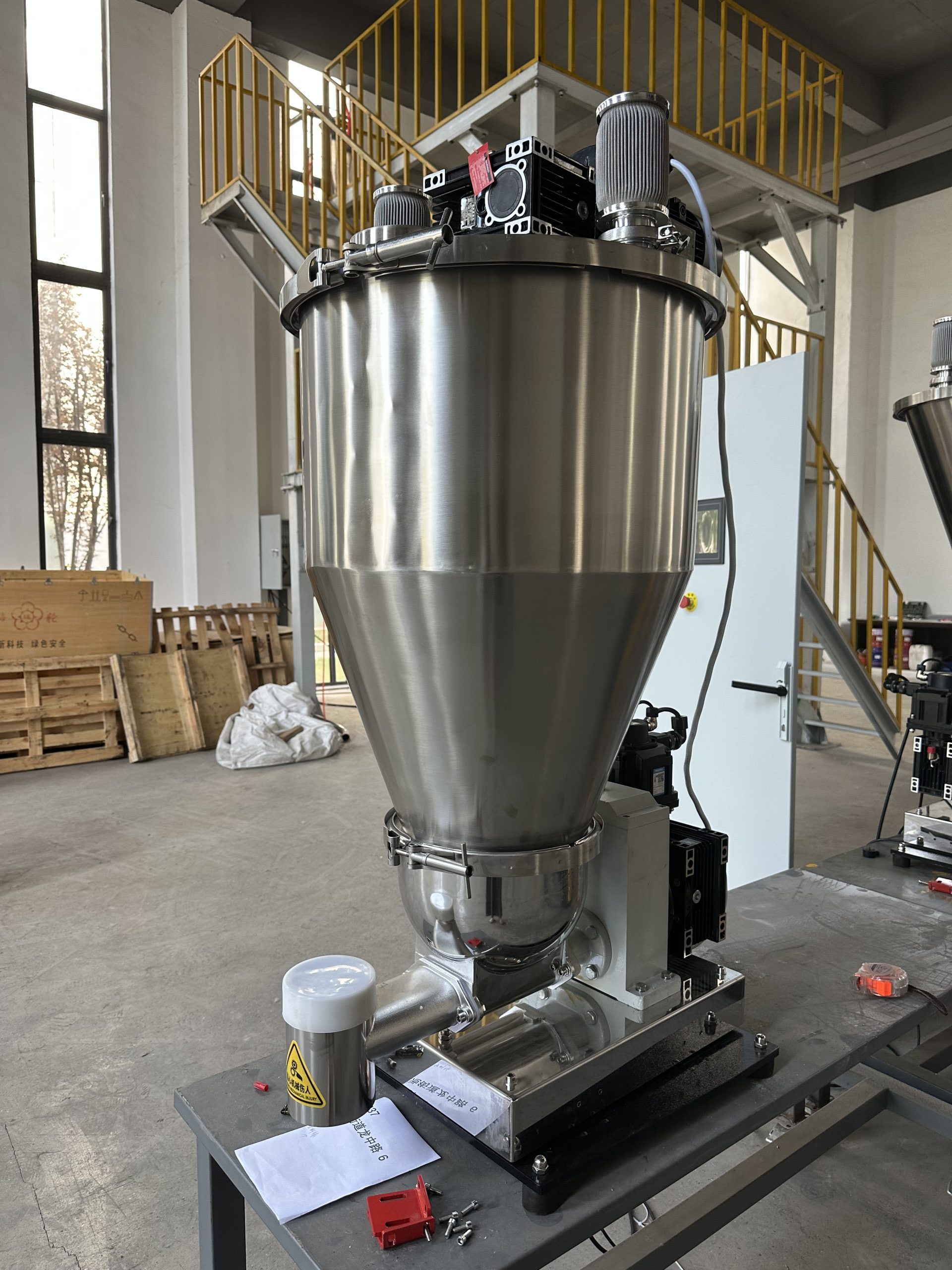
Comment un doseur volumétrique à double vis améliore l'efficacité de la manutention des poudres industrielles
2026.04.21