


Как весовые шнековые питатели повышают точность обработки материалов?
Дата выпуска: 03.06.2026
Прямой ответ: Шнековые питатели с измерением потери веса повысить точность обработки материалов путем непрерывный мониторинг снижения веса в режиме реального времени и автоматической регулировки скорости двигателя, что обеспечивает точный расход массы с точностью до ±0,25%, тем самым устраняя несоответствия ±2-5%, основанные на объеме и вызванные колебаниями насыпной плотности материала.
Оглавление
В современном промышленном производстве точность — это не просто цель, а абсолютное требование. Независимо от того, перерабатывает ли предприятие мелкодисперсные фармацевтические порошки, пластиковые гранулы или летучие химические соединения, поддержание стабильного и точного расхода имеет решающее значение для обеспечения качества продукции и максимальной экономической эффективности. Традиционные объемные методы часто оказываются неэффективными при работе с материалами, плотность или текучесть которых колеблются. Именно здесь на помощь приходят передовые гравиметрические технологии, революционизирующие технологические линии.
Внедрение автоматизированные системы обработки сыпучих материалов Эта технология стала золотым стандартом для предприятий, стремящихся устранить несоответствия. Используя непрерывное измерение веса для контроля выгрузки материала, производители могут достичь беспрецедентной точности. Ведущие новаторы, такие как Awesome, посвятили обширные исследования разработке систем, которые сокращают потери и стабилизируют непрерывные производственные циклы. В этом всеобъемлющем руководстве мы рассмотрим основные принципы работы, ключевые преимущества и промышленное применение этих высокоточных систем дозирования.
Научные основы гравиметрической технологии дозирования
Чтобы по-настоящему оценить повышение точности, необходимо понимать механику работы этой технологии. В отличие от объемных систем, которые дозируют материал на основе физического объема (который может сильно меняться в зависимости от аэрации и уплотнения материала), гравиметрические системы основаны на измерении постоянного веса.
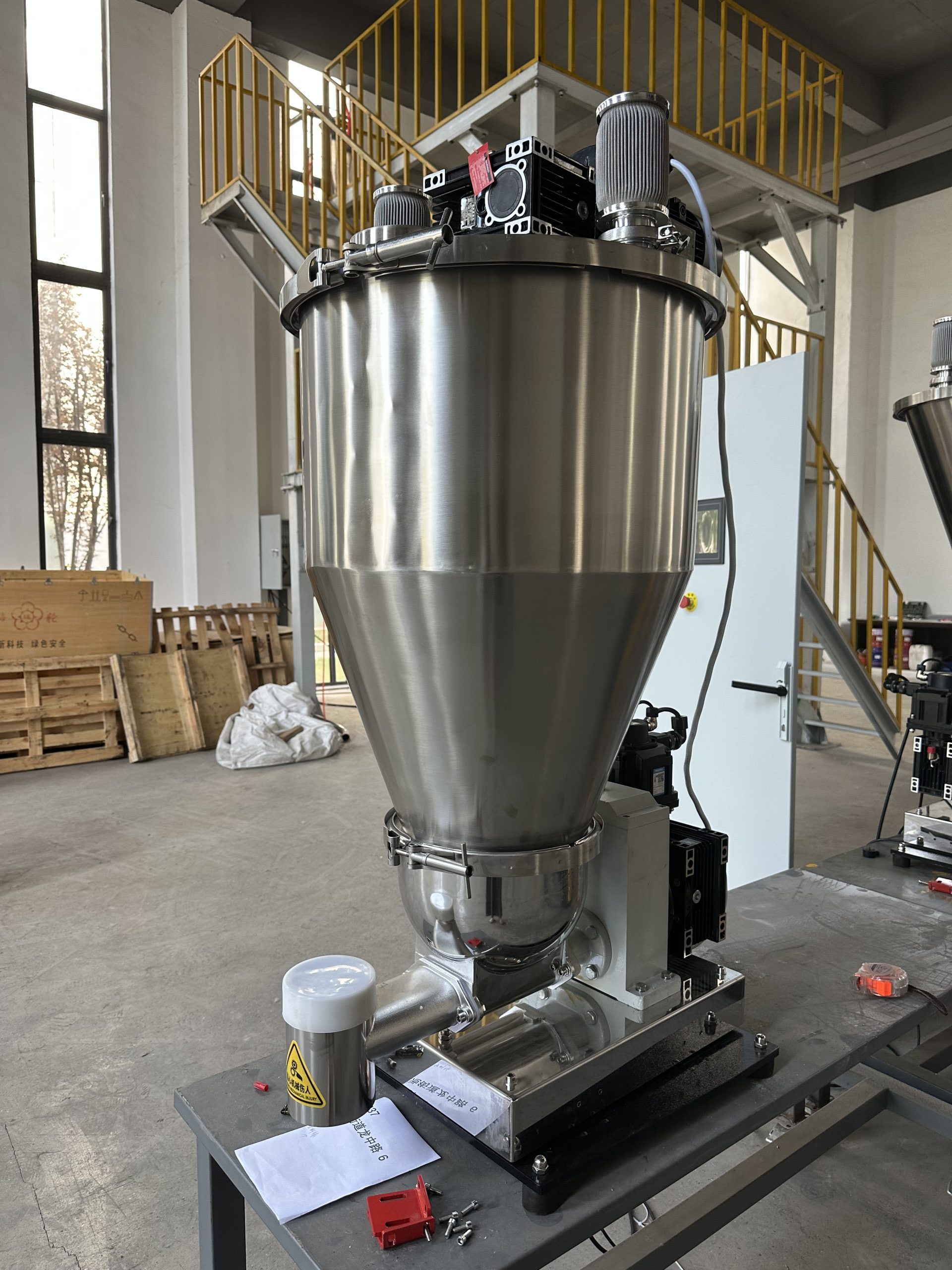
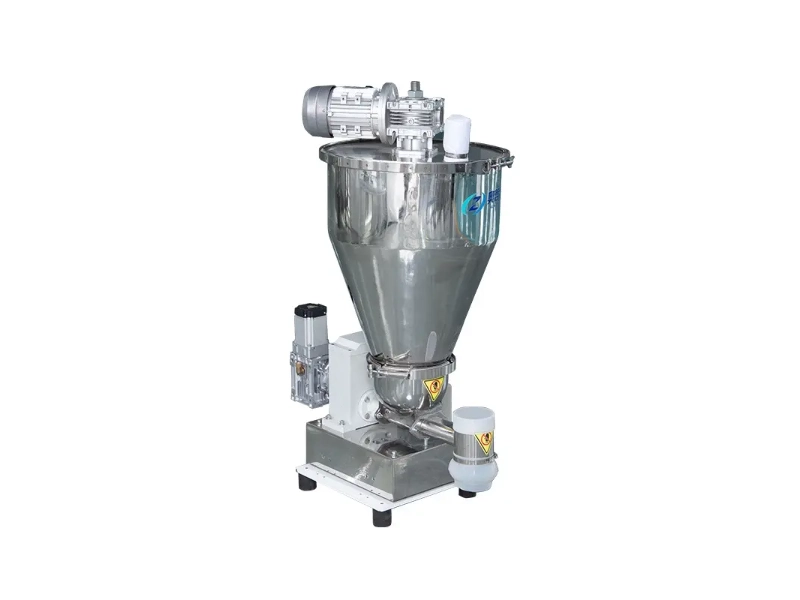
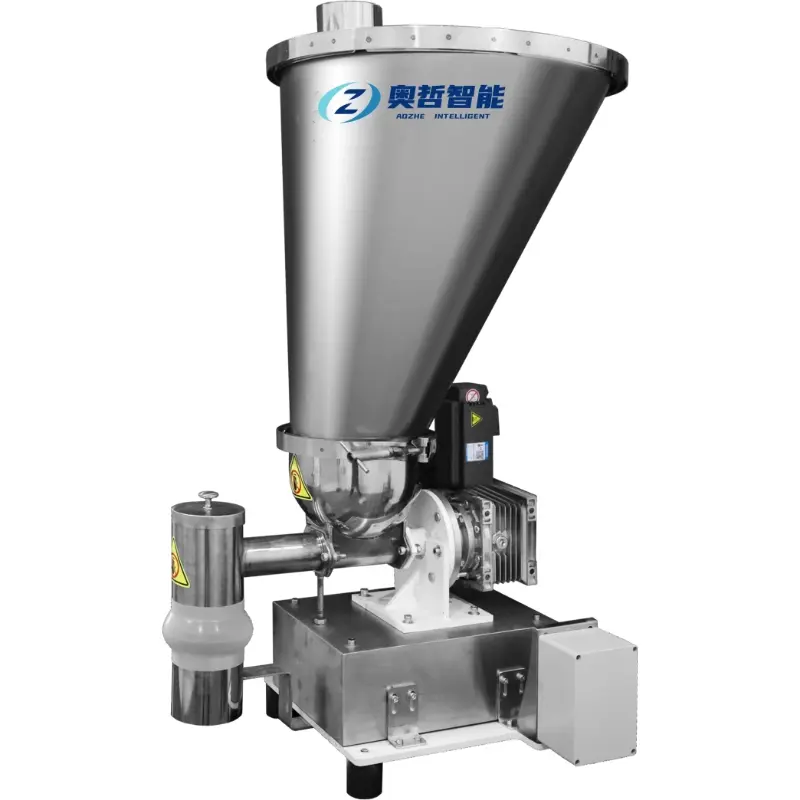
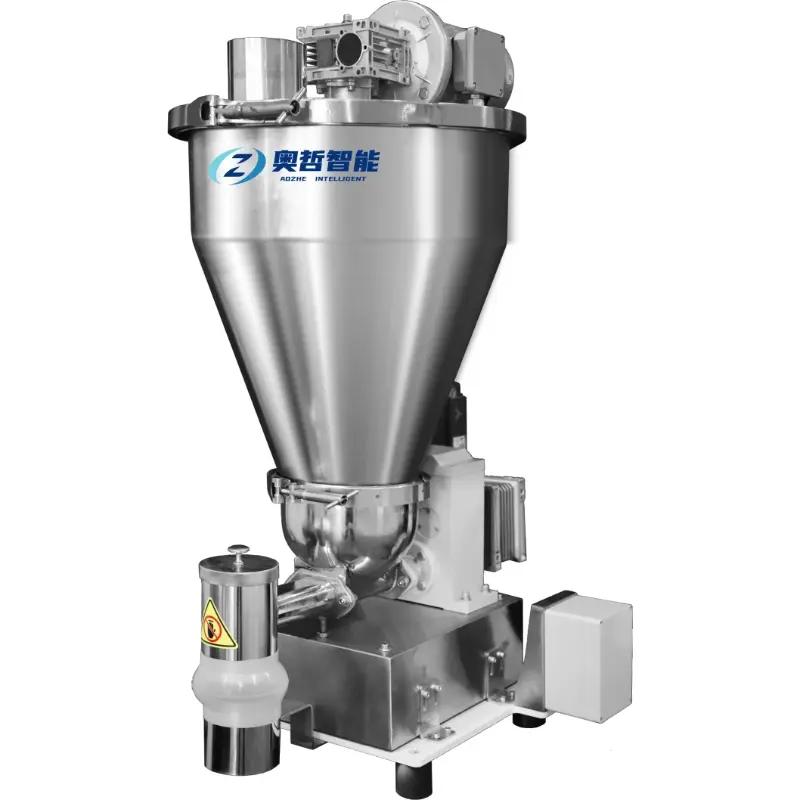
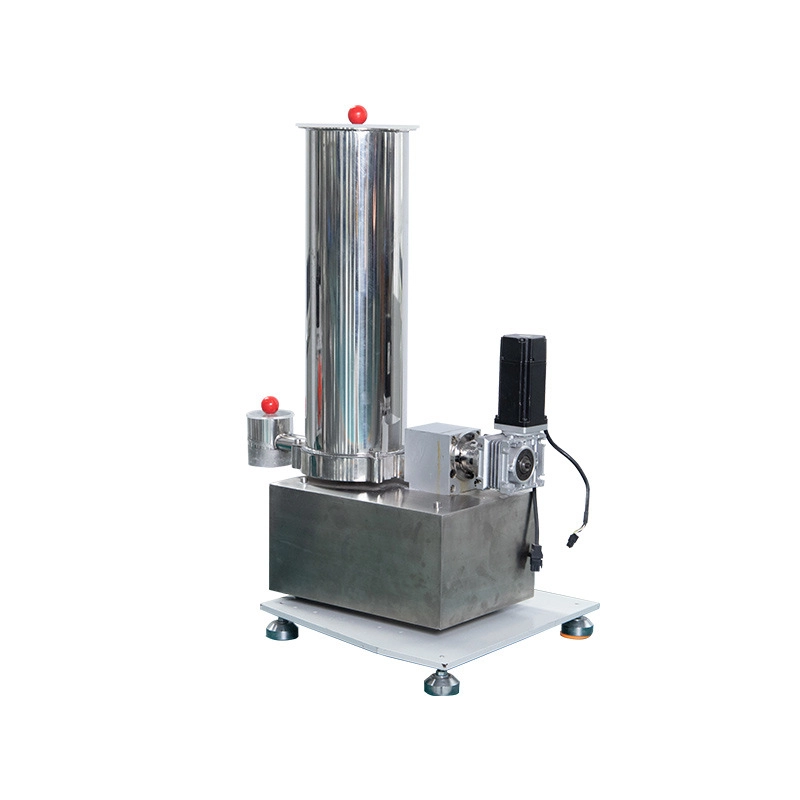
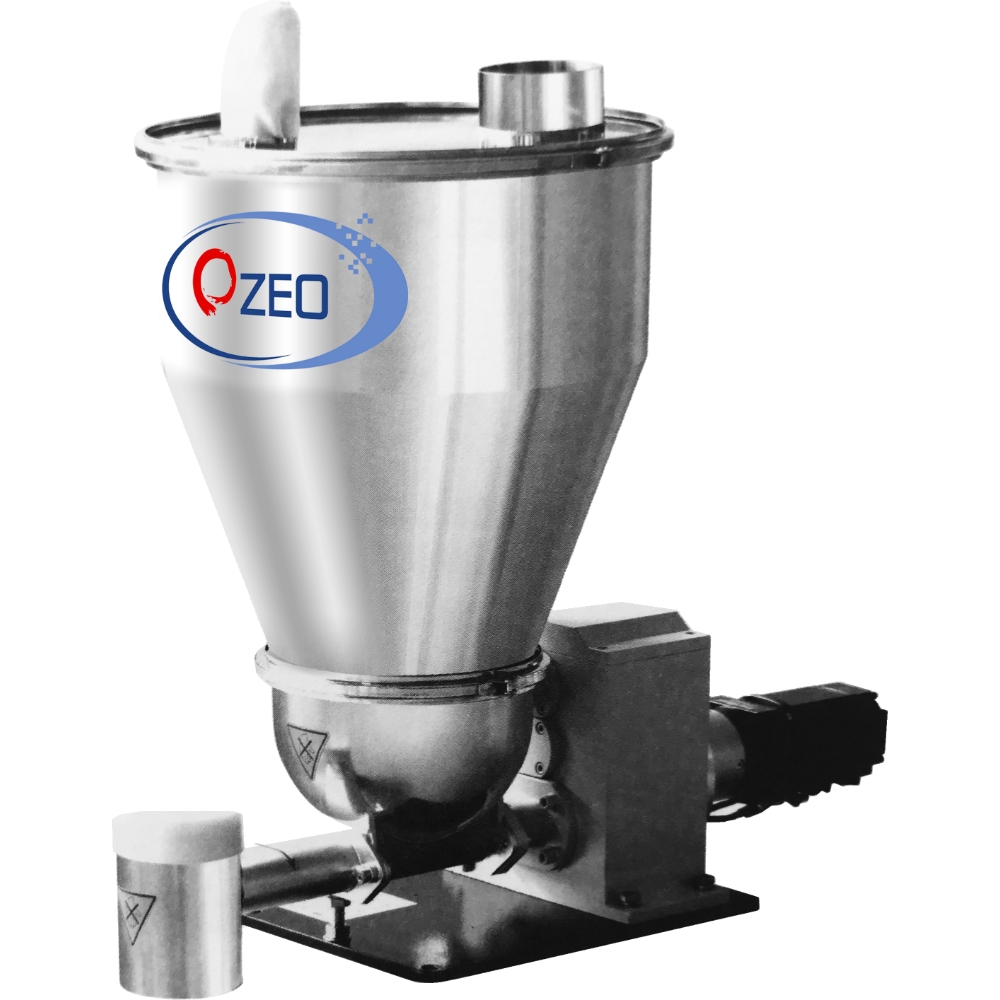
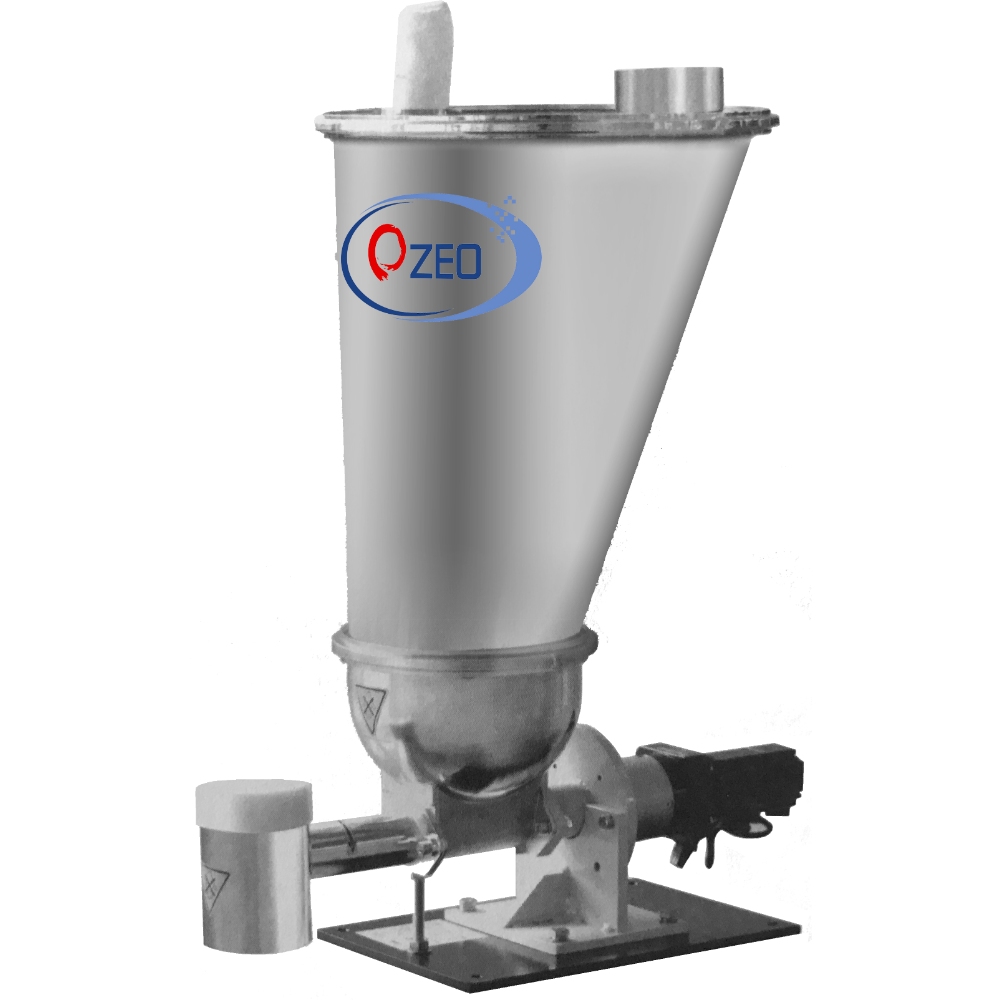
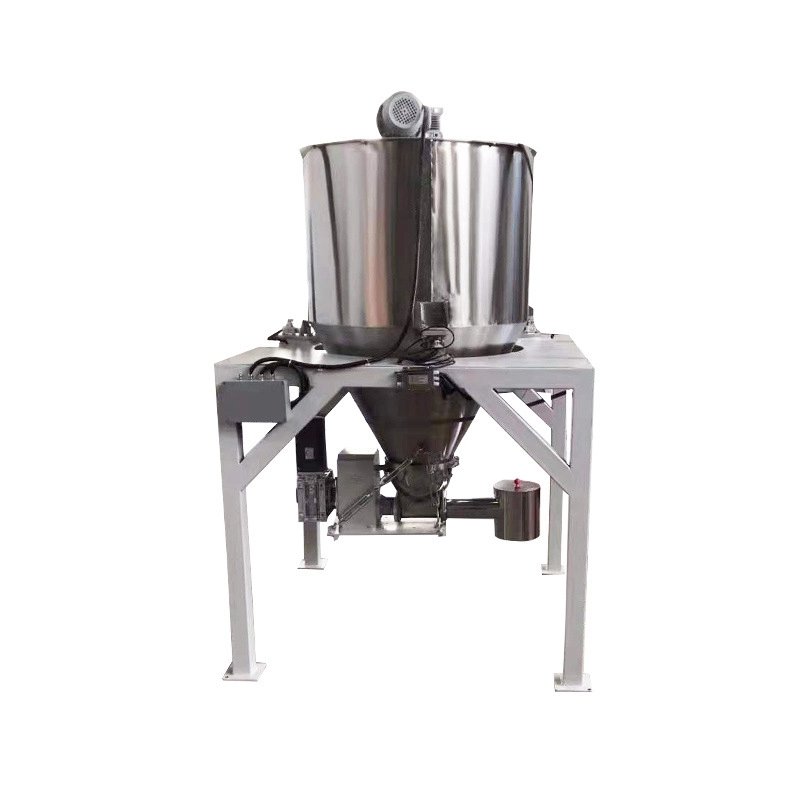
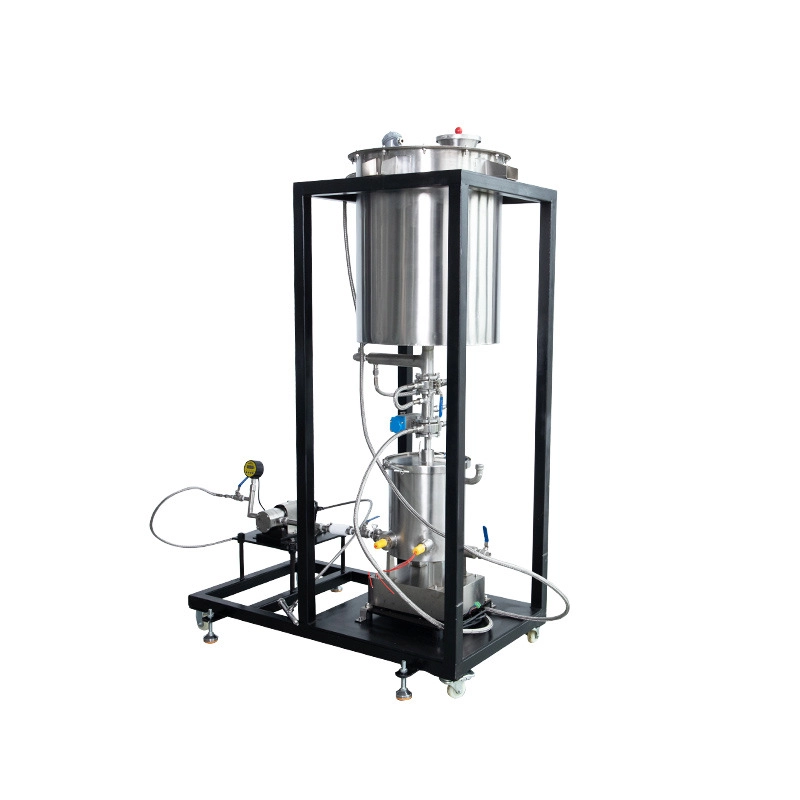
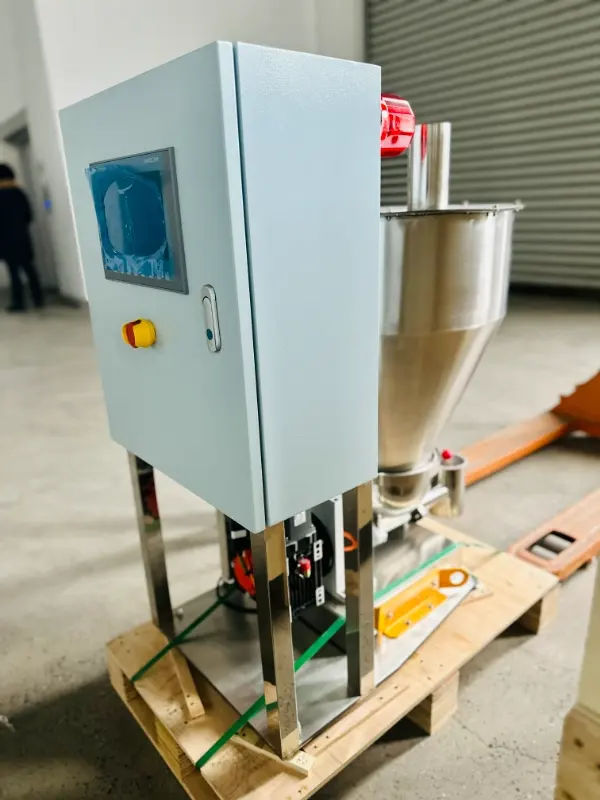
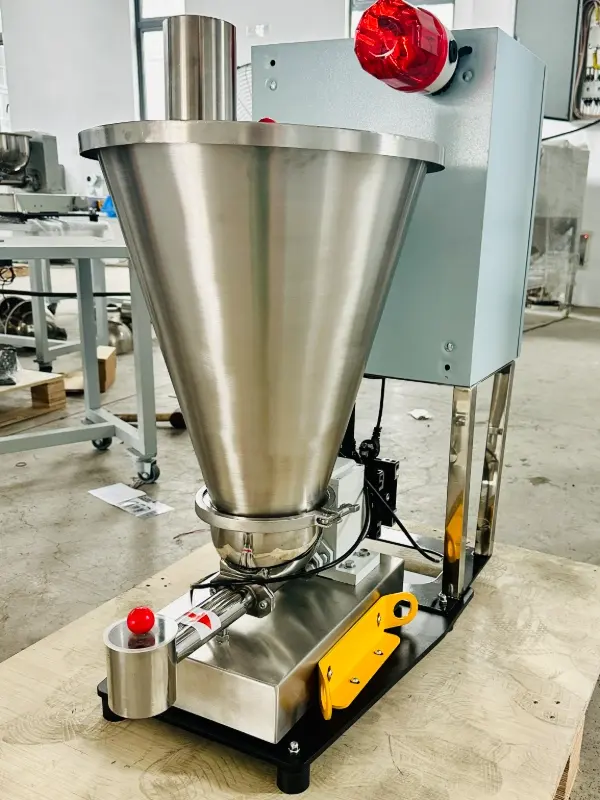
Основой этой системы является весовой бункер, подвешенный на высокочувствительных тензодатчиках. По мере вращения внутреннего шнека или винта и выталкивания материала из системы, тензодатчики непрерывно измеряют уменьшение общего веса бункера. Сложный ПИД-регулятор (пропорционально-интегрально-дифференциальный) обрабатывает эти данные о потере веса в режиме реального времени. Если скорость потока материала падает ниже заданного значения, контроллер немедленно подает сигнал на частотно-регулируемый привод для увеличения скорости вращения шнека. И наоборот, если поток материала слишком велик, двигатель замедляется.
Именно этот динамический механизм обратной связи с замкнутым контуром определяет... высокоточное дозирование сухих материалов. Система автоматически компенсирует любые изменения физических свойств материала, обеспечивая подачу точно необходимой массы в последующий технологический процесс каждую секунду.
Основные преимущества в промышленной погрузочно-разгрузочной технике.
Переход на гравиметрические системы контроля предоставляет множество операционных преимуществ, которые напрямую влияют на финансовые результаты.
1. Непревзойденная точность скорости подачи
Главное преимущество — абсолютная точность. В то время как традиционные системы могут обеспечивать точность от ±21Т3Т до ±51Т3Т, современные гравиметрические приборы стабильно достигают точности от ±0,251Т3Т до ±0,51Т3Т. Такой уровень точности жизненно важен при работе с дорогостоящими активными ингредиентами или при соблюдении строгих нормативных стандартов.
2. Значительная экономия материалов.
Перегрузка — распространенная стратегия, используемая для предотвращения получения продукции, не соответствующей техническим характеристикам, при использовании неточного оборудования. Однако бесплатная подача сырья резко снижает рентабельность. Используя системы точного дозирования, производители применяют только необходимое количество сырья, что значительно сокращает отходы и экономит сотни тысяч долларов в год.
3. Стабильность процесса и контроль качества.
Колебания в подаче материала напрямую влияют на конечный продукт. Постоянная подача обеспечивает однородность смеси, стабильные химические реакции и равномерные физические свойства конечного продукта. Кроме того, возможности регистрации данных в режиме реального времени, предоставляемые этими системами, обеспечивают превосходную прослеживаемость для контроля качества.
Основные сценарии применения в различных отраслях
Различные производственные отрасли сталкиваются с уникальными проблемами в области обработки материалов. Вот как технология непрерывного взвешивания решает конкретные отраслевые задачи.
Фармацевтические препараты и нутрицевтики
В медицинской сфере точность дозировки является вопросом безопасности. Внедрение непрерывная подача фармацевтического порошка Это гарантирует идеальное смешивание активных фармацевтических ингредиентов (АФИ) и вспомогательных веществ в соответствующих пропорциях. Санитарная конструкция этих систем также предотвращает перекрестное загрязнение, соответствуя строгим требованиям cGMP.
Пластмассы и компаундирование
Пластмассовая промышленность в значительной степени полагается на непрерывную экструзию. Использование передовых технологий позволяет добиться значительных результатов. оборудование для дозирования при экструзии пластмасс Это обеспечивает подачу базовых смол, красителей и добавок в экструдер с идеально синхронизированной скоростью. Это исключает цветовые вариации и механические дефекты в готовых экструдированных пластиковых деталях.
Химическая обработка
Химические реакции очень чувствительны к стехиометрическим соотношениям. Использование систем, разработанных для контроль партий химического производства Позволяет операторам установки безопасно и точно вводить опасные или реакционноспособные порошки в реакторы. Непрерывная обратная связь предотвращает неконтролируемые реакции и обеспечивает стабильность качества продукции.
Продукты питания и напитки
Для работы с такими ингредиентами, как мука, сахар и микроэлементы, требуется специализированное оборудование. Необходимо использовать гигиеничное оборудование, соответствующее пищевым стандартам. дозирование ингредиентов Эти системы гарантируют безупречное воспроизведение рецептов, сохраняя вкус, текстуру и пищевую ценность продуктов питания, предназначенных для потребителей, и при этом соответствуют стандартам FDA.
Сравнение технологий: объемный и гравиметрический анализ.
Для наглядной иллюстрации причин модернизации технологических линий руководителями предприятий, в таблице ниже показаны эксплуатационные различия между стандартной объемной подачей и передовыми гравиметрическими решениями.
| Характеристики / Спецификация | Традиционные объемные дозаторы | Гравиметрические (LIW) питатели |
|---|---|---|
| Принцип работы | Дозирование по объему (обороты в минуту постоянны) | Дозирование осуществляется по весу (обороты в минуту регулируются непрерывно). |
| Типичная точность | ± 2,0% до ± 5,0% | ± 0,25% до ± 1,0% |
| Обработка изменений плотности | Плохое качество (требуется ручная калибровка) | Отлично (автоматическая настройка в режиме реального времени) |
| Первоначальные инвестиции | Ниже | Выше |
| Материальные отходы | Высокий (из-за перекармливания) | Минимальный (строгий контроль допусков) |
| Долгосрочная окупаемость инвестиций | Низкий до умеренного | Исключительно высокий |
Максимизация рентабельности инвестиций с помощью высокоточного оборудования
Хотя первоначальные капитальные затраты на гравиметрическую систему выше, чем на простую объемную установку, окупаемость инвестиций (ROI) происходит исключительно быстро. Одно только сокращение отходов сырья часто окупает оборудование в течение первых шести-двенадцати месяцев эксплуатации.
Кроме того, сотрудничество с авторитетными производителями, такими как Awesome, гарантирует, что оборудование изготовлено из высококачественных компонентов, рассчитанных на длительный срок службы. Превосходные тензодатчики, надежная винтовая конструкция и интуитивно понятный сенсорный интерфейс пользователя сокращают время простоя и затраты на техническое обслуживание. Правильный выбор промышленные гравиметрические решения для подачи Ключ к обеспечению долгосрочной прибыльности — это разработка решений, адаптированных к конкретным характеристикам ваших материалов (таких как когезивные порошки, хрупкие хлопья или сыпучие гранулы).
Заключение
Переход к непрерывной и высокоточной обработке материалов — неизбежная тенденция для любого производственного предприятия, стремящегося оставаться конкурентоспособным. Преодолевая ограничения объемного дозирования и автоматически компенсируя колебания параметров материала, гравиметрические системы обеспечивают стабильную, надежную и экономически эффективную основу для современных производственных линий. Интеграция решений, разработанных лидерами отрасли, такими как... Потрясающий гарантирует, что ваше предприятие будет готово к требованиям завтрашнего дня, обеспечивая производство идеальной продукции без отходов.
Часто задаваемые вопросы (FAQ)
В1: Как изменения насыпной плотности материала влияют на точность подачи в этих системах?
А: В отличие от объемных систем, которые выходят из строя при изменении плотности, гравиметрические системы автоматически обнаруживают изменения насыпной плотности. Поскольку система постоянно измеряет фактическую потерю веса в бункере, внутренний ПИД-регулятор мгновенно регулирует скорость вращения шнека для поддержания точного массового расхода, полностью нейтрализуя влияние колебаний плотности.
В2: Какое техническое обслуживание необходимо для обеспечения высокой точности гравиметрических дозирующих систем?
А: Регулярное техническое обслуживание в первую очередь включает в себя очистку весового бункера и тензодатчиков от чрезмерного скопления пыли или материала, которые могут вызывать механическое заедание и влиять на показания веса. Также рекомендуется периодически проводить калибровку веса с использованием сертифицированных гирь для обеспечения идеальной синхронизации тензодатчиков и контроллера.
В3: Можно ли интегрировать эти передовые системы подачи в существующие сети управления предприятиями?
А: Да. Современные гравиметрические контроллеры оснащены различными протоколами связи, включая Ethernet/IP, Profinet, Modbus TCP и традиционные аналоговые сигналы. Это позволяет беспрепятственно интегрировать их в существующие системы ПЛК (программируемые логические контроллеры) или SCADA для централизованного мониторинга, регистрации данных и удаленного управления рецептами.