


Научные основы работы горизонтальных ленточных смесителей: повышение эффективности смешивания
Release time: 2026-08-28
Efficient blending is the cornerstone of numerous manufacturing processes, from pharmaceuticals and food processing to chemical and construction material production. Achieving a homogeneous mix ensures product quality, consistency, and ultimately, consumer satisfaction. Among the array of mixing technologies available, the горизонтальный ленточный блендер stands out as a highly effective and versatile solution. This article delves into the underlying science and engineering principles that make these mixers so efficient, exploring their design, mechanics, and the pivotal role they play in modern industrial applications. Whether you are blending dry powders, granules, or even slightly moist materials, understanding the mechanics of a машина для смешивания лент can significantly optimize your production line.
Understanding the Anatomy of a Ribbon Mixer
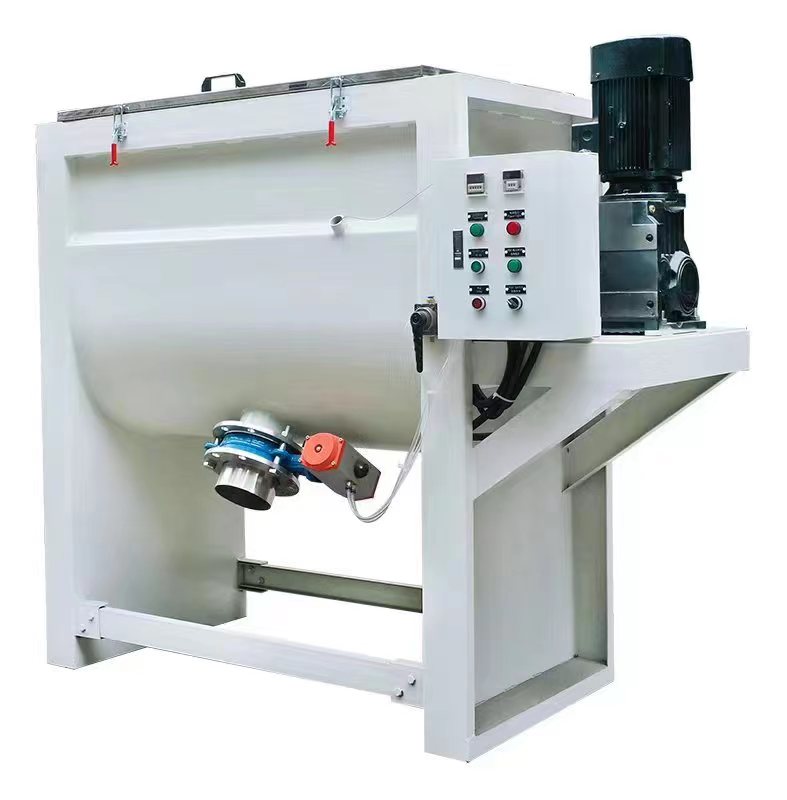
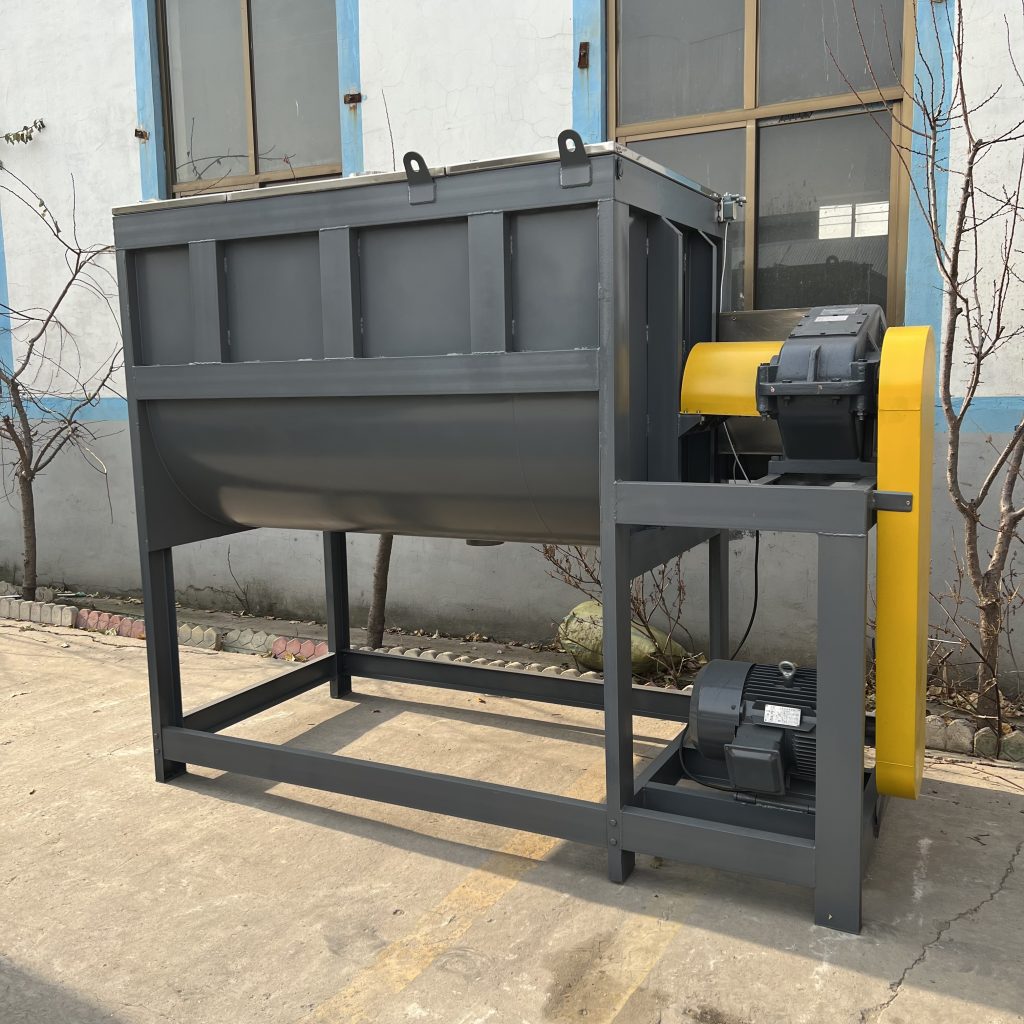
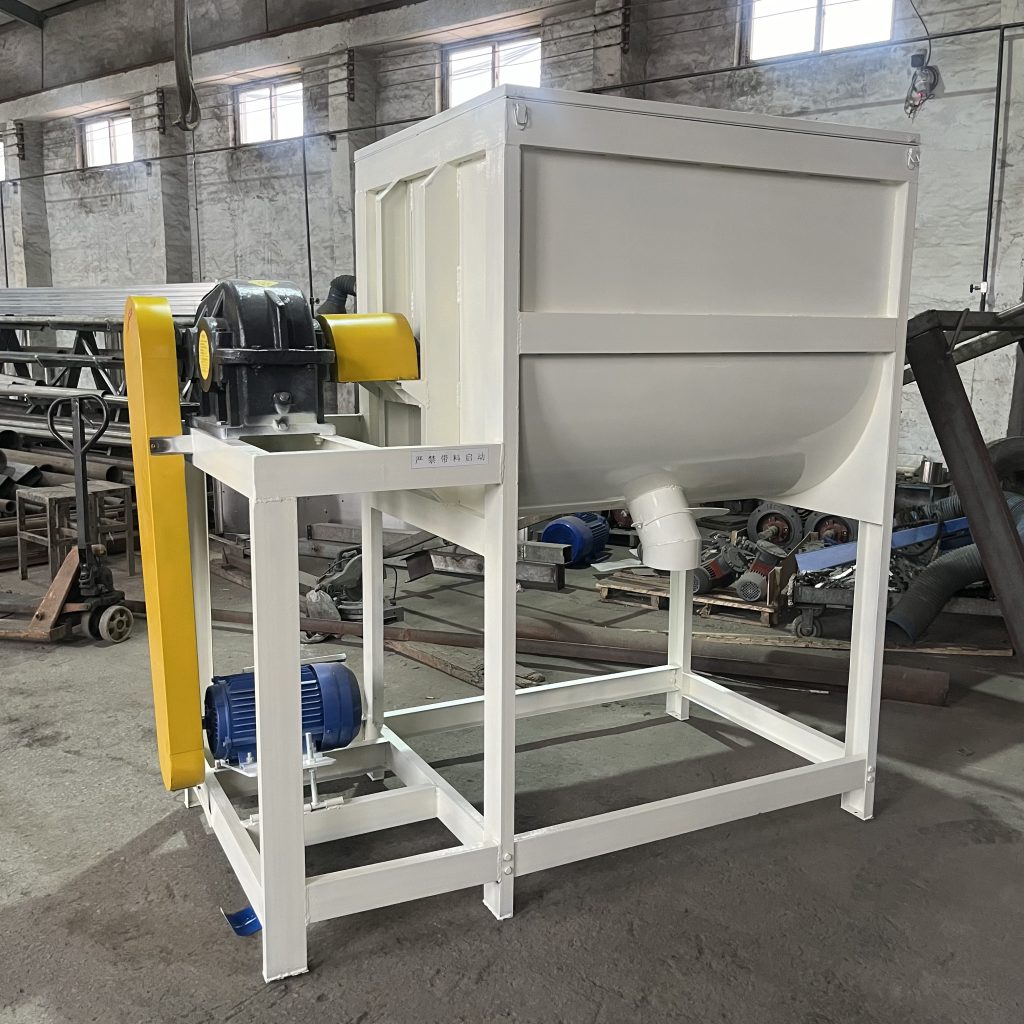
At its core, a horizontal ribbon mixer consists of a U-shaped horizontal trough containing a specially designed agitator. This agitator is the heart of the machine, comprising a central shaft fitted with inner and outer helical ribbons.
The Helical Ribbon Agitator
The unique design of the ribbon agitator is what drives the mixing efficiency.
- Outer Ribbons: These ribbons move the material from the ends of the trough towards the center.
- Inner Ribbons: Conversely, the inner ribbons move the material from the center towards the ends.
This counter-directional flow creates a robust convective mixing action. The materials are constantly being pushed and pulled, ensuring that every particle is subjected to movement and integration within the batch.
Key Components
| Component | Function | Material Implications |
|---|---|---|
| U-Shaped Trough | Houses the material and agitator. | Often constructed from stainless steel (e.g., 304 or 316L) for sanitary applications or durability. |
| Agitator Shaft | Supports the ribbons and transfers rotational force. | Must be robust enough to handle the torque required to move dense materials. |
| Discharge Valve | Allows for the removal of the mixed product. | Types include slide gates, butterfly valves, or flush bottom valves, chosen based on the material’s flow characteristics. |
| Drive System | The motor and gearbox that power the agitator. | Sized according to the bulk density of the product and the required mixing speed. |
The Mechanics of Mixing Efficiency
The efficiency of a horizontal ribbon mixer is not merely a result of its shape; it’s a product of carefully engineered fluid dynamics and particle mechanics.
Convective Mixing
The primary mechanism at play is convective mixing. The continuous, counter-current flow induced by the inner and outer ribbons forces the material to move in a complex, three-dimensional pattern. This rapid displacement of material masses is highly effective for blending free-flowing powders and granules. The shear forces generated are relatively low compared to high-shear mixers, making the process gentle enough to prevent the degradation of fragile particles while still achieving a uniform blend.
Radial and Axial Flow
The ribbons not only move material laterally (axial flow) but also lift and fold the material (radial flow). This dual action is crucial. While the outer ribbons sweep the trough’s bottom and sides, lifting the product, the inner ribbons push it back down and outward. This constant tumbling and cross-mixing eliminate dead spots within the trough, guaranteeing a homogeneous mixture in a relatively short cycle time.
The Importance of Clearances
A critical factor in the performance of a машина для смешивания лент is the clearance between the outer edge of the ribbons and the trough wall. An производитель промышленных горизонтальных ленточных смесителей meticulously calculates this clearance. If it’s too large, unmixed material will accumulate on the walls. If it’s too small, there’s a risk of the ribbon scraping the trough, leading to contamination or equipment damage. Optimal clearances ensure all material is actively engaged in the mixing process.
Factors Influencing Mixing Performance
Several variables can impact the overall efficiency and effectiveness of the mixing process.
- Fill Volume: Ribbon mixers operate most efficiently when filled to approximately 40% to 70% of their total capacity. Overfilling prevents the necessary tumbling action, while underfilling reduces the contact between the ribbons and the material, leading to extended mixing times and potential segregation.
- Mixing Speed: The rotational speed of the agitator must be carefully selected based on the material’s characteristics. While faster speeds might seem intuitive for quicker mixing, they can sometimes induce centrifugal forces that push material to the walls, reducing mixing efficiency. A balanced speed is essential for optimal convective flow.
- Характеристики материала: The bulk density, particle size distribution, and flowability of the ingredients play a significant role. Cohesive or sticky materials may require the addition of high-speed choppers to break up lumps, an option often provided by a reputable производитель промышленных горизонтальных ленточных смесителей.
- Mixing Time: Achieving a homogeneous blend requires adequate time. However, excessive mixing can sometimes lead to the un-mixing or segregation of particles with different densities or sizes. Determining the optimal mixing time is crucial for both efficiency and product quality.
Advanced Features and Customizations
Modern industrial applications often require specialized features to optimize the mixing process further.
- Choppers: As mentioned, high-speed choppers can be integrated into the trough walls to disintegrate agglomerates or incorporate liquid additions effectively.
- Heating/Cooling Jackets: For processes requiring temperature control, the U-shaped trough can be jacketed to circulate heating or cooling fluids, facilitating reactions or preventing heat-sensitive materials from degrading.
- Liquid Addition Systems: Spray nozzles can be installed to introduce liquids uniformly into the dry mix, coating particles or acting as a binder.
Why Choose Awesome for Your Mixing Solutions?
When seeking a reliable and efficient mixing solution, partnering with an experienced manufacturer is paramount. Awesome understands the intricate science behind horizontal ribbon mixers. We design and manufacture equipment tailored to your specific process requirements, ensuring optimal mixing efficiency, durability, and ease of maintenance. With a commitment to quality engineering, Awesome provides mixing solutions that elevate your production capabilities.
Заключение
The horizontal ribbon mixer is a testament to the elegant application of mechanical engineering principles to solve complex blending challenges. By harnessing convective mixing through its dual-ribbon design, it delivers consistent and homogeneous results across a wide range of industries. Understanding the science behind its operation—from the counter-directional flow to the importance of clearances and fill volumes—empowers manufacturers to optimize their processes, improve product quality, and achieve greater operational efficiency.
Часто задаваемые вопросы (ЧЗВ)
1. What types of materials are best suited for a horizontal ribbon mixer?
Horizontal ribbon mixers are exceptionally versatile and are ideal for blending dry, free-flowing powders, granules, and even slightly cohesive materials. They are widely used for mixing spices, nutritional supplements, chemical powders, and construction materials like dry mortar.
2. How do I determine the correct size or capacity for my mixer?
The required capacity depends on your production batch size and the bulk density of your materials. It’s important to remember that ribbon mixers work best when filled between 40% and 70% of their total volume. You should calculate the total volume of your batch and choose a mixer where that volume falls within the optimal fill range.
3. Can a ribbon mixer handle liquid additions?
Yes, ribbon mixers can be equipped with spray nozzles to introduce liquids into the dry mix. The tumbling action of the ribbons helps to distribute the liquid evenly, making them suitable for processes that require coating particles, adding flavors or colors, or creating slightly moist mixtures.