




Tumbler Screen vs. Rotary Vibrating Screen: Which is Best for Fine Powders?
Release time: 2026-08-21
Table of Contents
When it comes to processing fine powders, selecting the right separation equipment is critical for product quality, yield, and overall operational efficiency. Two of the most common contenders in the fine powder sieving arena are the tumbler screen and the rotary vibrating screen. Both offer distinct advantages depending on the material characteristics and production requirements. This article delves into the mechanics, benefits, and applications of both the swing vibrating screen and its rotary counterpart, providing a comprehensive guide to help you determine which machine is best suited for your specific fine powder processing needs.
Understanding the Rotary Vibrating Screen
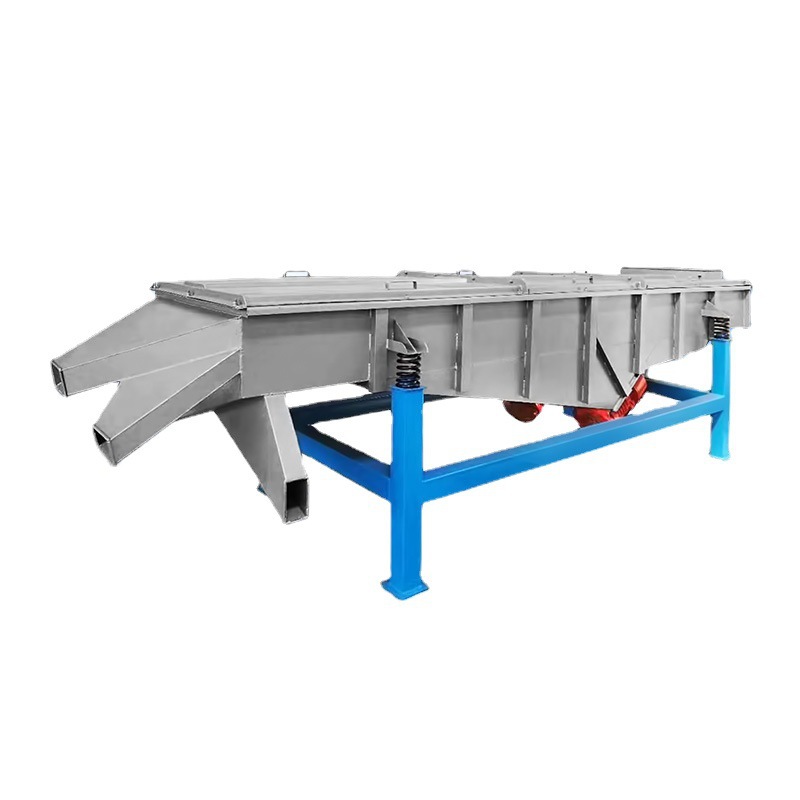
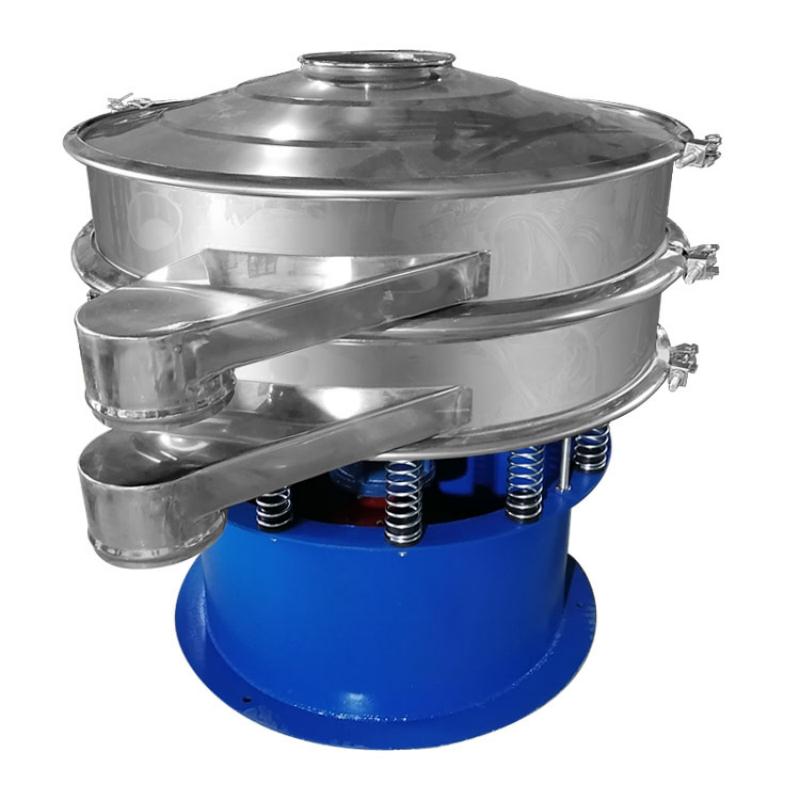
The rotary vibrating screen, often simply called a vibratory separator, is a staple in many processing industries. It utilizes a vertical vibration motor equipped with eccentric weights at the top and bottom. This configuration translates the motor’s rotation into a complex three-dimensional motion—horizontal, vertical, and inclined—which is then transmitted to the screen surface.
Key Characteristics of Rotary Vibrating Screens
- High-Frequency Vibration: These machines operate at high frequencies, which aggressively breaks down agglomerates and forces particles through the mesh.
- Cost-Effective: Generally, they have a lower initial capital cost compared to tumbler screens.
- Compact Footprint: Their vertical design often requires less floor space.
- Versatility: Suitable for both wet and dry screening applications across various industries.
Challenges with Fine Powders
While versatile, rotary vibrating screens can face challenges when dealing with very fine, low-density, or irregularly shaped powders. The high-frequency vibration can sometimes cause fine particles to bounce excessively, reducing the probability of them passing through the mesh and leading to lower screening efficiency. Additionally, delicate materials might degrade under intense vibration.
The Tumbler Screen Advantage for Fine Powders
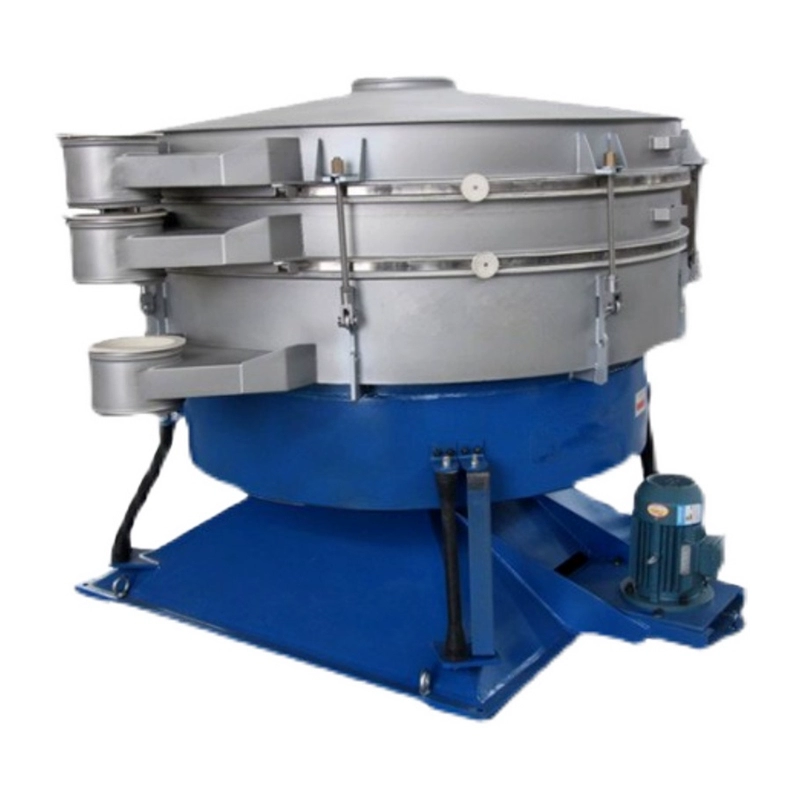
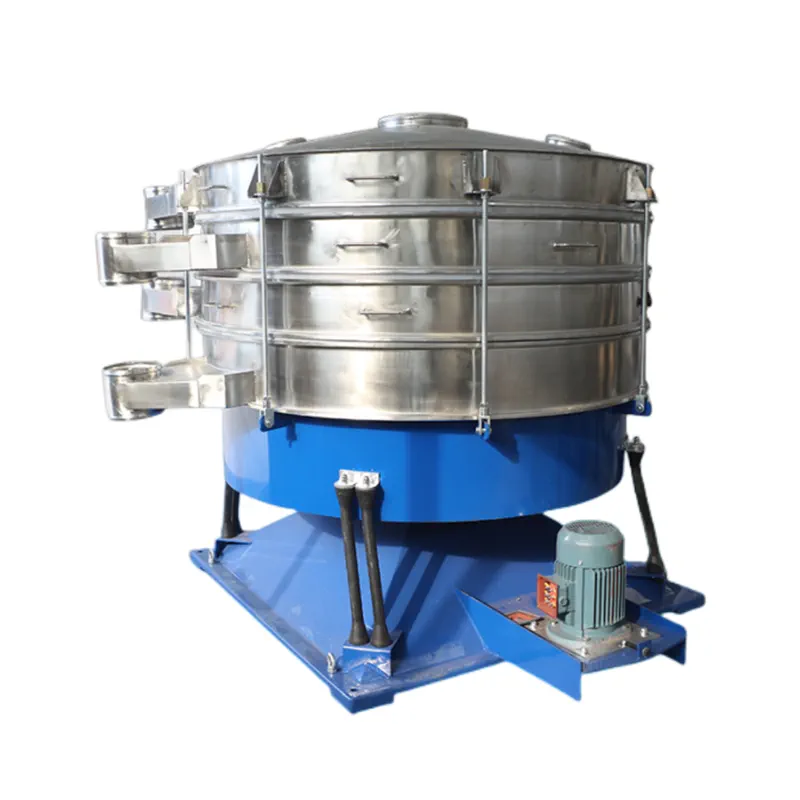
The tumbler screening machine offers a fundamentally different approach to separation, specifically designed to address the limitations of traditional vibratory separators when handling fine and ultra-fine materials. It mimics the gentle, manual action of hand screening, translating it into a mechanical, high-capacity process.
The Mechanics of the Tumbler Screen
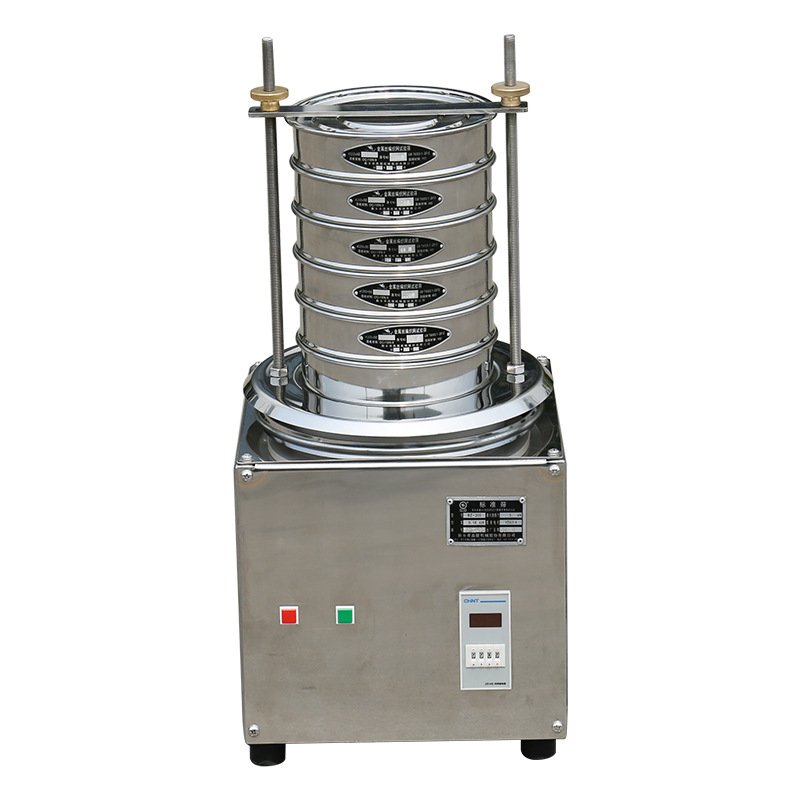
A tumbler screen, also referred to as a rotary tumbler screen, operates on a principle of low-frequency, high-amplitude elliptical motion. The material is fed into the center of the top screen. The machine’s movement spreads the material radially outward in a spiral pattern across the screen surface.
This motion consists of two main components:
- Radial Inclination: Controls the speed at which material moves from the center to the periphery.
- Tangential Inclination: Dictates the circular movement of the material on the screen.
By adjusting these parameters, the retention time of the material on the screen can be precisely controlled, maximizing screening efficiency.
Why Tumbler Screens Excel with Fine Powders
- Gentle Screening Action: The low-frequency motion of the swing vibrating screen prevents particle degradation, making it ideal for fragile materials. It avoids the harsh bouncing action that can shatter delicate crystals or granules.
- High Screening Efficiency: For fine powders (typically below 400 mesh), the tumbler screen significantly outperforms rotary vibrating screens. The material stays on the screen surface longer, increasing the probability of passing through the aperture.
- Increased Capacity per Square Meter: The unique motion utilizes the screen area more effectively, often resulting in higher throughput compared to a rotary vibrating screen of the same diameter for fine separations.
- Effective Blinding Prevention: Tumbler screens are often equipped with advanced anti-blinding devices, such as bouncing balls, rotary brushes, or ultrasonic systems, which are highly effective at keeping the mesh clear when processing sticky or static-prone fine powders.
Direct Comparison: Tumbler vs. Rotary Vibrating Screen
To further clarify the differences, the following table summarizes the key operational aspects of both machines:
| Feature | Rotary Vibrating Screen | Tumbler Screening Machine |
|---|---|---|
| Motion Principle | High-frequency, 3D vibration | Low-frequency, artificial manual screening motion |
| Material Action | Bouncing, throwing | Gentle rolling, spiraling |
| Best Suited For | Coarse to medium powders, high capacity, wet/dry | Fine to ultra-fine powders, fragile materials, high precision |
| Particle Degradation | Higher risk | Very low risk |
| Screening Efficiency (Fine Powders) | Moderate to Low | Very High |
| Maintenance | Generally simpler | Can be slightly more complex due to drive mechanism |
| Initial Cost | Lower | Higher |
| Noise Level | Higher | Lower |
Choosing the Right Machine for Your Process
The decision between a rotary tumbler screen and a rotary vibrating screen ultimately depends on several factors:
- Particle Size Distribution: If your primary goal is the precise separation of fine or ultra-fine powders (e.g., separating 200 mesh from 400 mesh), the tumbler screen is almost certainly the better choice.
- Material Characteristics: Is the material fragile? Is it prone to static or agglomeration? The gentle action and superior anti-blinding options of the tumbler screen make it ideal for challenging materials.
- Required Capacity vs. Footprint: While tumbler screens offer higher efficiency for fine powders, rotary vibrating screens might be sufficient if high capacity is needed for coarser materials and floor space is limited.
- Budget: Rotary vibrating screens require a smaller upfront investment. However, if the tumbler screen significantly improves product yield and quality for fine powders, the return on investment can quickly justify the higher initial cost.
In conclusion, while the rotary vibrating screen remains a versatile workhorse for general separation tasks, the tumbler screening machine is the specialized solution engineered for the demanding requirements of fine powder processing. Its ability to combine high efficiency, precise separation, and gentle handling makes it the superior choice for industries where product quality is paramount.
Frequently Asked Questions (FAQs)
1. Can a tumbler screen handle wet materials?
While tumbler screens are primarily designed for dry screening, especially fine powders, they can handle materials with low moisture content. However, for heavily slurried or completely wet separations, a rotary vibrating screen or a specifically designed liquid separator is usually more appropriate.
2. What is the maximum number of decks a tumbler screen can have?
Most industrial tumbler screens can be equipped with up to 5 or 6 decks, allowing for the simultaneous separation of up to 6 or 7 distinct particle size fractions. The exact number depends on the specific manufacturer and model.
3. How do I prevent mesh blinding when screening fine powders?
Both types of screens offer anti-blinding solutions. For fine powders on a tumbler screen, bouncing balls (placed in a tray beneath the main screen) are common. For very fine or sticky materials, ultrasonic deblinding systems, which apply a high-frequency vibration directly to the mesh, are highly effective and frequently used with tumbler screens to maintain throughput.